Can A Alternator Kill A Battery?
Yes, an alternator can kill a battery if it overcharges or sends repeated voltage spikes, damaging the cells. The key spec to watch is charging voltage, usually listed on the battery or in the vehicle manual. A common mistake is assuming the alternator cannot harm the battery and skipping voltage checks. If you suspect overcharging, stop driving and test the charging voltage before replacing the battery.
An alternator can kill a battery by overcharging or producing voltage spikes, especially if the voltage regulator fails; sustained charging above about 15 V for hours, or repeated spikes, will overheat and shorten battery life. Check charging voltage at the battery with a multimeter while the engine idles, or have a shop test the regulator.
How Alternators Work
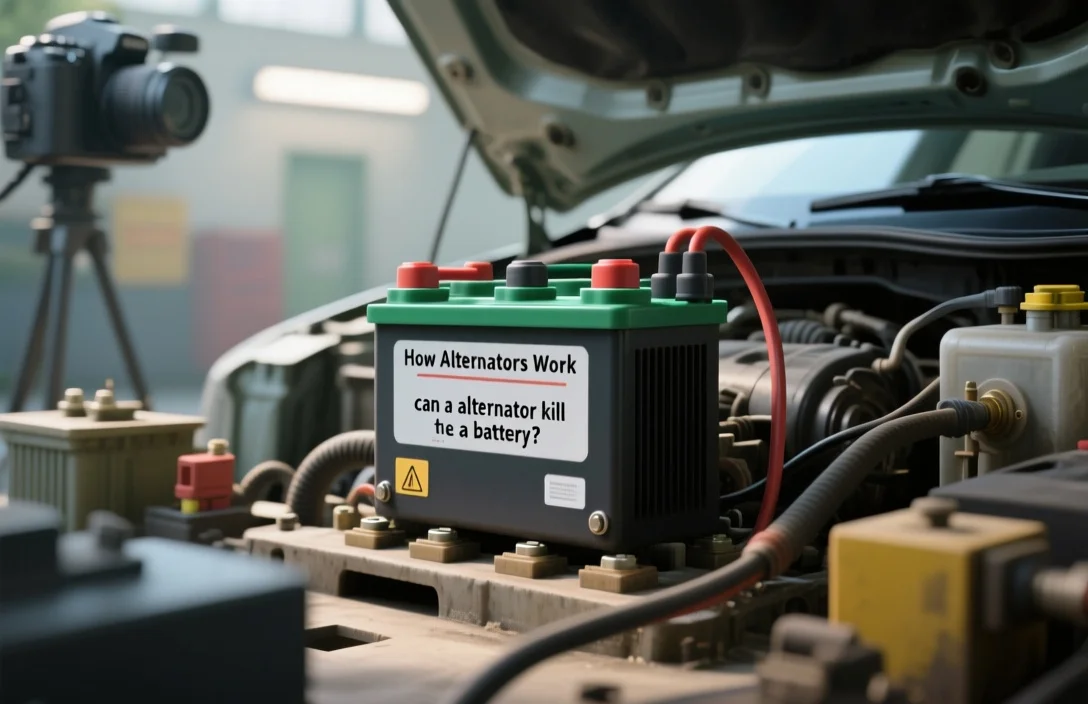
An alternator converts mechanical energy from the engine into the electrical power the car needs while running, and it keeps the battery charged so the vehicle can restart. A properly working alternator maintains system voltage within a safe range, but a failed regulator, bad diode pack, or internal short can either undercharge, overcharge, or drain the battery and shorten its life.
Alternator Components
An alternator has a rotating coil called the rotor and a stationary coil called the stator, which together produce alternating current when the rotor spins. A rectifier made of diodes converts that alternating current into direct current so the battery and electronics can use it.
The unit also has a voltage regulator that controls output, brushes or a slip ring assembly that feed field current, and a pulley and cooling fan. Belt tension, grounding, and connector condition matter because mechanical or electrical faults change output or allow stray current flow back into the battery.
| Component | Primary role |
|---|---|
| Rotor | Creates magnetic field when energized |
| Stator | Produces alternating current as rotor turns |
| Rectifier (diodes) | Converts AC to DC, prevents reverse current |
| Voltage regulator | Controls output to protect battery and electronics |
| Brushes/slip rings | Deliver field current to the rotor |
Charging Process
When the engine turns the alternator pulley, the rotor’s magnetic field induces AC in the stator. The rectifier changes that AC into DC while the regulator adjusts field current so system voltage stays appropriate for the vehicle’s loads and the battery’s needs.
For example, if the regulator fails high the alternator may supply excessive voltage for long periods, which heats and damages battery plates and electrolyte. If diodes fail or internal shorts occur, the alternator can draw current when the engine is off, slowly draining the battery and making it appear weak or dead.
Safety: Before touching the alternator or battery, remove jewelry, wear eye protection, and disconnect the negative battery terminal to avoid sparks and short circuits.
Battery-Charging Relationship
A properly working alternator will not kill a healthy battery; it supplies charging current while the engine runs and maintains system voltage. When the alternator, its voltage regulator, or its rectifier diodes fail, they can produce sustained incorrect voltage, excessive ripple, or parasitic current that shortens battery life.
Voltage regulation controls the alternator output so the battery gets the right voltage for charging without being stressed. Regulators aim to hold output above the battery’s resting voltage but within a window the battery and vehicle electronics tolerate, stepping back as the battery approaches full charge.
For example, if the regulator sticks high or wiring shorts the regulator output to a high state, the alternator can keep the battery at elevated voltage for long periods, which accelerates wear. Conversely, a regulator that undercharges lets the battery stay at low state of charge and sulfate, reducing usable capacity.
Current flow dynamics determine how much alternator output goes to the battery versus vehicle loads. When a battery is deeply discharged the alternator can deliver high initial charging current, which raises battery temperature and stress; alternators are limited by design, but prolonged heavy current into a failing battery can cause internal damage.
For example, failed rectifier diodes can create AC ripple on the charging line, causing heat in the battery and reduced battery life, or they can allow a reverse path that draws current when the engine is off, draining the battery overnight.
| Fault | Symptom | Effect on Battery | Immediate Action |
|---|---|---|---|
| Stuck high regulator | High charging voltage | Accelerated aging, heat | Stop driving, test regulator, avoid battery-only repairs |
| Bad rectifier diodes | AC ripple, overnight drain | Heating, capacity loss | Test ripple, replace alternator or rectifier |
| Undercharging | Low voltage while running | Sulfation, reduced capacity | Check belt, connections, regulator |
Safety warning: Do not probe the alternator or battery without insulated tools and eye protection. High currents and hot components can cause burns, sparks, or acid exposure; if a battery is swollen or leaking, remove it from service and replace it safely.
Can Overcharging Occur?
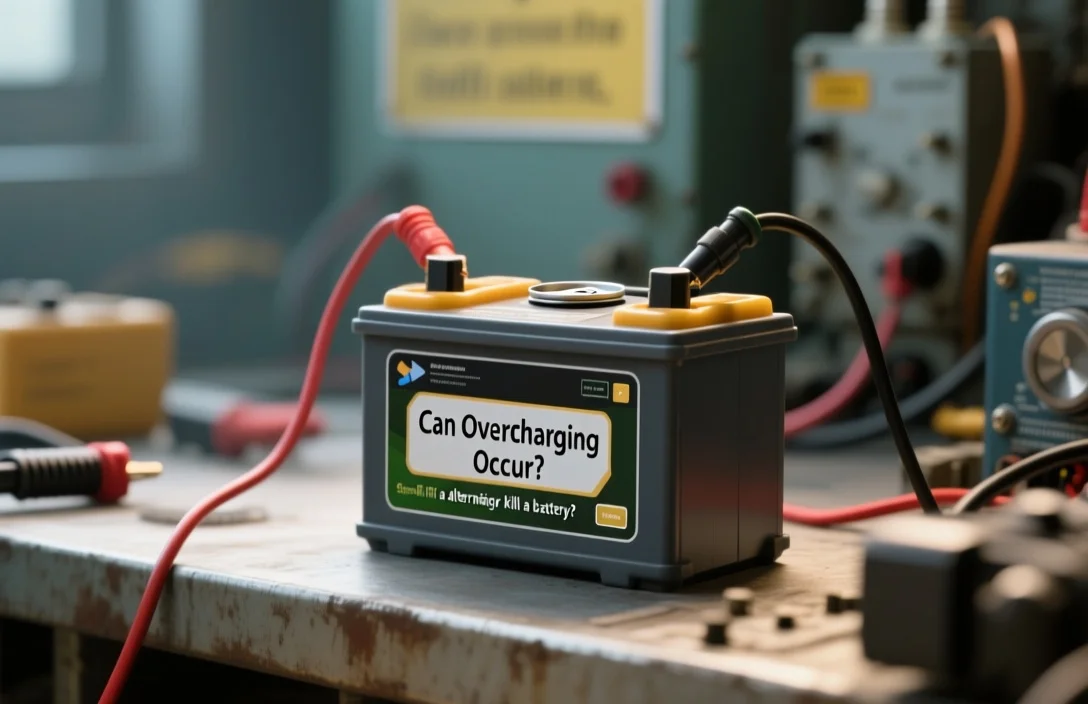
Yes. An alternator can overcharge and seriously damage a battery if its voltage regulator, diodes, or wiring fail, or if an incorrect charging setup is installed, because sustained high voltage or current accelerates electrolyte loss and plate damage.
The alternator generates current while the engine runs and the regulator keeps voltage in the safe range for the battery. If the regulator fails high, or a sense wire is disconnected, the charging system can hold the battery at an excessive voltage for hours, which is what causes permanent harm.
| Cause | How it creates overcharge | Typical battery outcome |
|---|---|---|
| Regulator failure | Output remains high because control loop stops working | Electrolyte loss, plate corrosion, reduced capacity |
| Diode fault | Charging becomes pulsed or uncontrolled | Heat, accelerated wear, possible internal short |
| Wrong charging profile | Battery chemistry receives incompatible voltage or charge algorithm | Permanent capacity loss, swelling for lithium, venting for AGM |
Overcharging shortens battery life and can create safety hazards. For lead-acid types, excess voltage causes gassing that removes water and warps plates; for lithium packs connected to vehicle charging, excess heat or voltage can trigger the BMS to cut out or cause swelling and increased fire risk.
If you suspect your alternator is overcharging, stop using the vehicle for long trips and have the charging system tested immediately; repairing the regulator is often cheaper and safer than replacing multiple damaged batteries.
Signs of Battery Distress
If the alternator is failing to charge correctly, the most obvious early signs are dimming lights and slow engine starts, because the battery is being asked to supply more current than it receives. Those symptoms point to either undercharging, intermittent charging, or a regulator or diode failure that can shorten battery life if left unaddressed.
For example, if you notice headlights are noticeably dim at stoplights but brighten as you accelerate, that is a simple, repeatable symptom to record before any shop visit or parts replacement. Note whether accessories such as the stereo, heated seats, or HVAC also fluctuate at the same time.
Safety note: if you see swelling, smell burning, notice smoke, or the battery case is hot, stop driving and get the vehicle inspected. Avoid touching terminals or trying makeshift repairs; a failing alternator can create unsafe voltages and a damaged battery can leak or vent hazardous gases.
Troubleshooting Alternator Issues
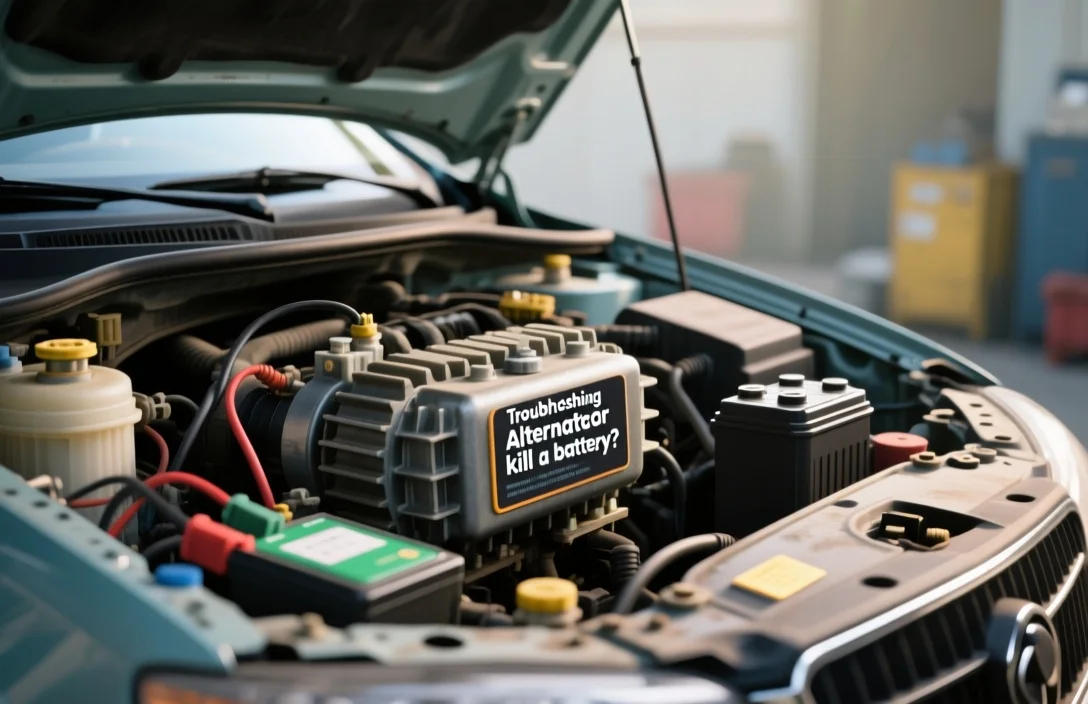
A malfunctioning alternator can kill a battery by either failing to charge it or by overcharging it, both of which reduce capacity and can cause rapid failure. Immediate signs of alternator-related battery damage are abnormal charging voltages, persistent discharge after driving, and heat or swelling of the battery case.
For example, a vehicle that reads normal resting voltage but shows high charging voltage and a hot battery case after a short drive likely has a failed regulator or stuck field, and the alternator should be removed and bench-tested rather than replacing the battery alone. Addressing the alternator first protects the battery and prevents repeated replacements.
| Condition | Typical voltage |
|---|---|
| Engine off, resting | about 12.4 to 12.7 volts |
| Engine running, charging | about 13.8 to 14.6 volts |
| Overcharging concern | above about 15 volts, check regulator |
Preventive Maintenance Tips
Regular inspections and battery checks can significantly reduce the risk of an alternator damaging your battery. Addressing potential issues early ensures the alternator operates efficiently, preventing overcharging or undercharging that can harm battery life.
Regular Inspections
Frequent inspections of your vehicle’s electrical system can help identify issues with the alternator before they affect the battery. Look for signs of wear on the alternator belt, check for loose connections, and listen for unusual noises during operation. These symptoms may indicate that the alternator is not functioning properly.
Battery Checks
Regularly testing the battery’s voltage and health can help catch issues caused by a malfunctioning alternator. A healthy battery should read around 12.6 volts when fully charged. If readings drop below 12.4 volts, it may indicate that the battery is not receiving adequate charge from the alternator.
For instance, if you notice your battery frequently discharges quickly or has difficulty starting the vehicle, it may be a sign of an alternator issue affecting the battery’s performance. Addressing these problems early can save you from more extensive repairs down the line.
Taking these preventive measures not only extends the life of your battery but also ensures the alternator operates efficiently, minimizing the risk of overcharging or damaging the battery. Regular maintenance is key to a reliable vehicle electrical system.
Safety Precautions
Disconnecting the battery before testing or replacing the alternator is crucial to prevent electrical shocks or short circuits. Additionally, using protective gear, such as gloves and safety goggles, can minimize the risk of injury from acid spills or electrical components.
Before proceeding with any work on the alternator or battery, ensure the vehicle is turned off, and the keys are removed. This step helps avoid any accidental electrical surges that could damage components or cause injury.
When disconnecting the battery, follow these steps:
In practice, if there are signs of battery damage, such as swelling or leaking, it is essential to handle the battery carefully. A damaged battery can release harmful gases or cause acid burns.
Always consult the vehicle’s manual for specific instructions related to battery and alternator maintenance.
After completing the work, reconnect the battery in reverse order, starting with the positive (+) terminal. This sequence helps prevent electrical issues. If the alternator is suspected of killing the battery, monitor the battery’s performance closely after installation, checking for any signs of excessive discharge or failure.
Quick Summary
Yes, an alternator can kill a battery if it supplies persistent incorrect charging from a failed regulator or poor wiring connections.
Frequently Asked Questions
Can an alternator kill a battery if the charging voltage is incompatible with the battery?
You can damage a battery when the alternator/regulator delivers the wrong charging profile, and most automotive charging systems target about 13.8 to 14.4 volts for a 12 V lead-acid battery.
Can an alternator kill a battery by causing it to overheat?
You can overheat and ruin a battery if a regulator fails and the alternator holds the pack above safe levels, sustained voltages above 15 volts can cause boiling and accelerated failure, and you should avoid battery temperatures above about 50°C.
Can an alternator kill a battery by not charging it properly and reducing runtime?
You can shorten battery runtime if the alternator consistently undercharges, because a 12 V lead-acid cell needs about 12.6 volts to reach a full state of charge and prolonged float below that reduces usable capacity.
Can an alternator kill a battery and create a safety hazard?
You can create safety risks from severe overcharging such as venting and gas release, and hydrogen produced by venting becomes flammable at roughly 4% concentration in air, so stop charging and ventilate if you detect gas or heat.
Can an alternator kill a battery if I buy the wrong replacement or make buying mistakes?
You can damage a battery by installing the wrong type, because most vehicle electrical systems are 12 V and you should match the manufacturer recommended voltage and CCA or amp-hour rating when replacing a battery.