Can A Alternator Drain Battery?
An alternator is supposed to charge a car battery at about 13.8 to 14.6 volts, not drain it. Yet failed diodes, a bad voltage regulator, or incorrect wiring can let the alternator draw current when the engine is off or overcharge and ruin the battery. First check battery voltage with a multimeter set to DC volts, engine off and running.
can a alternator drain battery? Yes, a faulty alternator can drain or destroy a battery if diodes fail, the regulator overcharges, or wiring shorts. Measure battery: 12.6V resting, 13.8-14.6V running; parasitic draw above 50 mA or AC ripple over 0.5V suggests alternator-related problems.
Can an alternator drain battery?
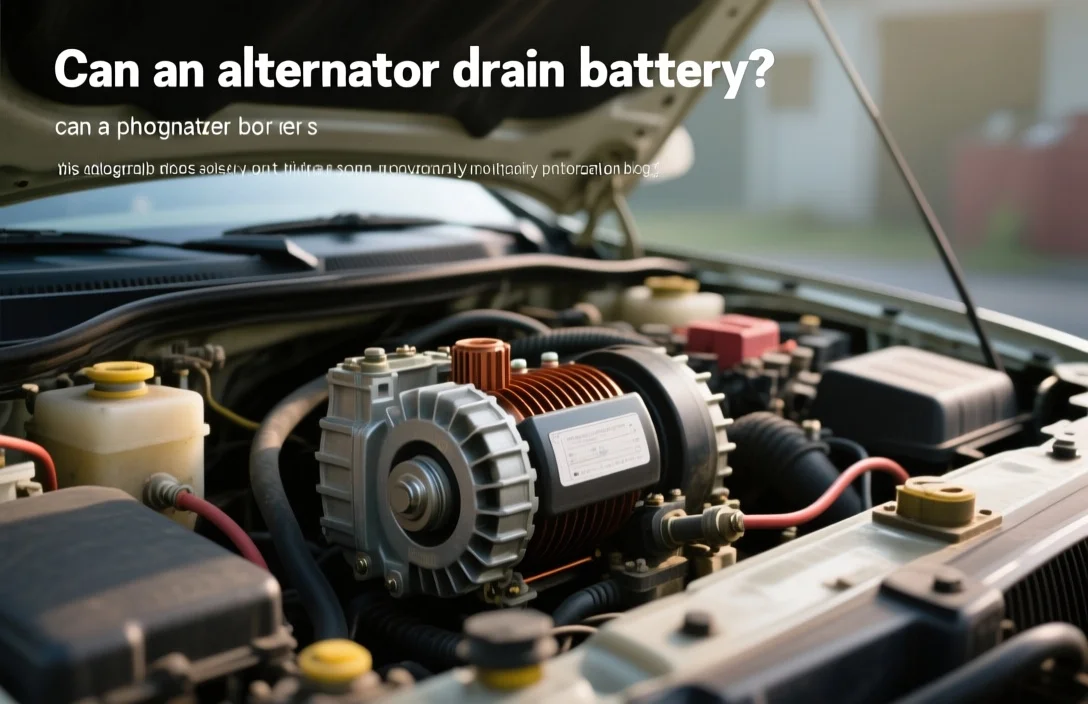
Yes, a failing alternator can drain or ruin a battery, but it usually does so indirectly. Direct, continuous current draw from the alternator is uncommon, while diode failure, regulator faults, or intermittent charging more often weaken the battery until it can no longer hold charge.
Direct drain means current flows from the battery into a short or through a failed diode when the engine is off, creating a measurable parasitic draw. Indirect weakening means the alternator is not charging correctly, or it overcharges and cooks the battery over time, both of which reduce capacity and make the battery appear to be “drained.”
When to suspect the alternator as the cause: if the battery dies after driving, warning lights are on, or voltage readings are outside normal charging range. Also suspect the alternator when symptoms appear suddenly after an alternator repair or when there is a sulfur smell or excessive heat from the battery area.
How alternators work
An alternator charges the battery while the engine runs by producing about 13.8 to 14.6 volts at the battery terminals and supplying enough current to run electrical systems plus top up the battery. If the alternator cannot hold voltage in that range or cannot supply the required amperage for the loads and charging, the battery will lose net charge even with the engine running.
The alternator output is two things to check: voltage and amps. Voltage tells you if the charging system is regulating correctly, so measure battery volts with the engine idle and at a modest RPM; expected range is roughly 13.8 to 14.6 volts. Amperage is the alternator capacity rating in the service manual or on the unit, and it must be larger than the vehicle’s combined electrical draw under operating conditions.
Alternators produce alternating current inside the stator, and a rectifier pack of diodes turns that AC into DC the battery can accept. A voltage regulator controls field current to keep output voltage in the desired window; many modern regulators are built into the alternator, while some older designs have separate regulators. If the regulator holds voltage steady while loads change, charging is working as intended.
Battery acceptance is how fast and efficiently a battery accepts charging current, and it depends on state of charge, temperature, and battery chemistry. A healthy alternator will top up a slightly discharged battery quickly, but it cannot instantly refill a deeply discharged battery; that requires extended charging time or a dedicated charger. Alternator ratings refer to maximum continuous output, not guaranteed refill speed for a dead battery.
For example, if accessories or aftermarket equipment draw more amps than the alternator rating while the engine runs, the alternator can supply some current but the battery will make up the shortfall and gradually discharge. If you suspect charging issues, follow a simple check sequence below before assuming the battery is the only problem.
Alternator faults that drain
Yes, an alternator can drain or permanently weaken a battery when internal faults or wiring errors allow current to leak, prevent proper charging, or overcharge and damage the battery. Common causes include shorted diodes, a failed voltage regulator, internal winding shorts, poor grounds, and wiring mistakes.
For example, a single failed diode typically produces AC ripple that can be measured at the battery with the engine running, and that ripple points to rectifier replacement rather than swapping the battery first. Replacing the rectifier or the entire alternator usually cures the ripple and stops the drain.
Safety: do not disconnect the battery while the engine is running unless the vehicle manual directs it, and avoid shorting terminals during tests. If you are unsure, get a professional bench test, because intermittent alternator faults commonly leave drivers stranded and can damage new batteries if not fixed correctly.
Symptoms of alternator drain
Yes, a failing alternator can drain the battery by failing to replace charge while the engine runs and by creating parasitic draw when its diodes or regulator fail. The most reliable signs are repeatable electrical failures, like a battery that dies after driving, dimming or flickering lights, dashboard warnings, and heat or sulfur smell at the battery.
Symptoms fall into two groups, immediate and gradual, and the pattern matters for diagnosis: repeated, consistent failures after driving point to charging problems, while intermittent odd electrical behavior suggests internal alternator faults or regulator issues. Watch for combinations, for example dimming lights plus a dead battery after a short trip.
For example, a car that starts fine on the highway but needs a jump after the next morning, and shows headlight dimming at idle, is likely suffering from an alternator that fails to charge at low RPM or has internal diode/regulator faults. Document the pattern, noting when symptoms appear and whether they follow short trips.
If you see any of these signs, avoid heavy accessory use and get the charging system and battery inspected promptly. Safety first: treat overheating or sulfur smells as hazardous and disconnect the battery before doing any hands-on checks, or have a professional handle it.
How to test alternator
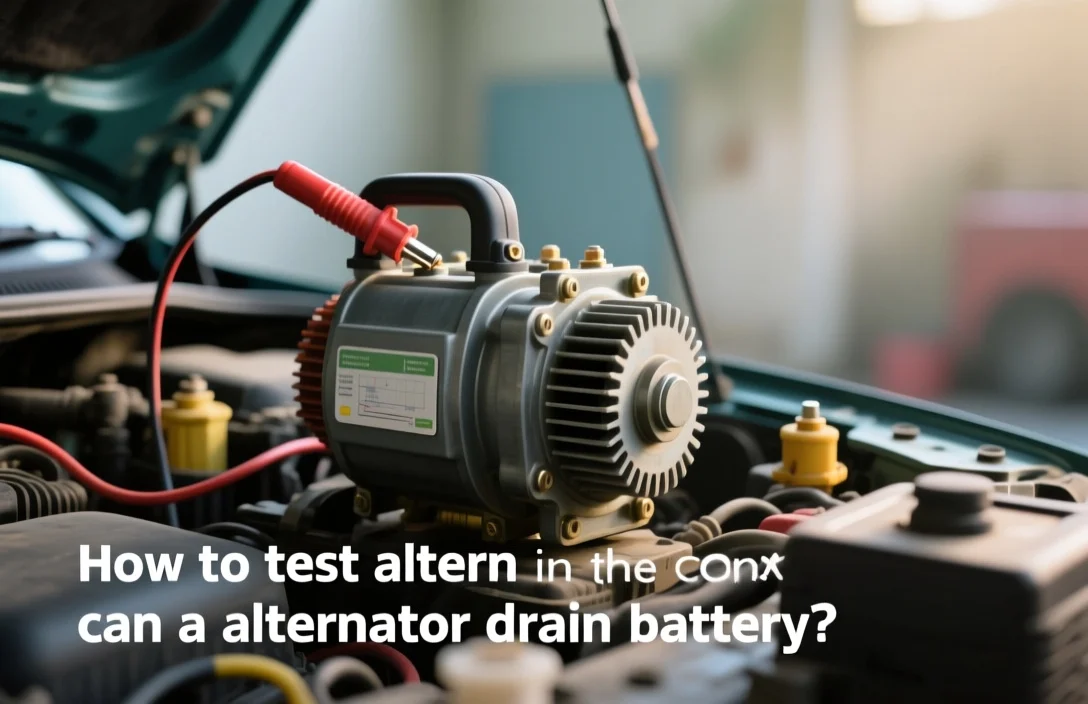
An alternator can drain a battery either by failing to charge it properly or by leaking current back through bad diodes or the voltage regulator when the engine is off. Simple tests with a multimeter, clamp meter, and a basic load tester will confirm whether the alternator is undercharging, producing excessive AC ripple, or creating parasitic drain.
Tools needed: a digital multimeter capable of DC and low-voltage AC readings, a clamp meter with DC current mode, a battery load tester or a bench load, and optionally an oscilloscope for precise ripple measurement. Have gloves and eye protection ready, and a basic vehicle service manual or sticker values for the expected charging voltage for your vehicle.
| Condition | What to measure | Expected |
|---|---|---|
| Rest battery | DC volts, engine off | 12.6 – 12.8 V |
| Charging | DC volts, engine running ~2000 rpm | 13.8 – 14.8 V |
| AC ripple | AC volts or oscilloscope | <0.1 V AC (100 mV) |
| Parasitic draw | DC current, key off | <50 – 100 mA typical |
Call a professional mechanic or an alternator specialist when test results conflict, when ripple is high but diodes are hard to access, or when replacement requires removing the alternator or diagnosing complex vehicle electronics. A trained shop has an oscilloscope, diode test gear, and load benches that speed accurate diagnosis and avoid needless parts replacement.
Fixes, repairs, and replacement
A failing alternator can drain a battery by letting current leak back into the alternator when the engine is off, by a faulty voltage regulator that overcharges and damages cells, or by internal diode or rectifier failures that create parasitic loads. Fixes range from replacing a diode pack or regulator to full alternator replacement, and the decision should be based on fault location, repair cost, and battery condition.
Common repairs versus full alternator replacement
Small faults often have inexpensive fixes that stop the alternator from draining the battery, for example replacing worn brushes, rectifier diodes, or the external voltage regulator, and repairing corroded wiring or grounds that cause parasitic draws. Those repairs can restore normal charging and eliminate reverse current while keeping the original unit in service, but if the alternator has extensive bearing wear, repeated diode failure, or stamped rotor damage, replacement is usually cheaper and more reliable long term. Choose replacement when repair costs approach 50 to 60 percent of a new or remanufactured core, when warranties on rebuilds are short, or when the battery has already been damaged by repeated undercharging or overcharging.
| Option | When to choose | Pros | Cons | Warranty |
|---|---|---|---|---|
| Repair (diodes/regulator) | Single, localized electrical faults | Lower cost, quicker | May fail again if other wear exists | Short, parts-only |
| Remanufactured alternator | Moderate wear, cost-sensitive | Good value, tested | Variable quality by remanufacturer | Moderate |
| New alternator | High-mileage vehicle or repeated failures | Best reliability and longest warranty | Higher upfront cost | Longest |
Safety warning: disconnect the battery before working on alternator wiring and avoid charging a swollen or damaged battery. If you are unsure, have a trusted shop confirm the diagnosis and perform replacements to avoid wasted parts and a dead battery return.
Safety and maintenance tips
A failing alternator can drain the battery either by not providing enough charge while the engine runs or by developing internal faults, such as bad diodes or a failing regulator, that draw current when the vehicle is off. If a battery dies repeatedly after being charged, test the alternator and charging system before assuming the battery is the only problem.
Typical symptoms of alternator-caused battery drain include a persistent battery light, dim or flickering lights, slow starter cranking, and a measured charging voltage that is too low or too high. Heat or a burning smell from the alternator area, or a battery that drops quickly from a full charge to about 12 volts, are strong indicators to check the alternator.
Quick Summary
Yes, a faulty alternator can drain a car battery by failing to charge and allowing reverse current or parasitic draw while running.
Frequently Asked Questions
Can a bad alternator drain my car battery?
Yes, a failing alternator can either fail to charge the battery or leak current when the engine is off. You should check that the charging voltage is between 13.8 V and 14.4 V while the engine is running.
Can an alternator drain a battery overnight?
Yes, if the alternator or its diodes cause a parasitic draw of several amps, you can empty a battery overnight. For example, a 4 A continuous draw will discharge a 50 Ah battery in about 12 hours.
Can an alternator cause the battery to overheat or swell?
Yes, a faulty voltage regulator can overcharge the battery and you may see heat, venting, or swelling. Stop using the vehicle if charging voltage exceeds 15.0 V, because that level risks battery damage.
How can I tell if my alternator is draining the battery or simply not charging it?
You can test with a multimeter: engine off battery voltage should be about 12.6 V, engine running charging voltage should be about 13.8 V to 14.4 V. You should also measure parasitic draw with everything off, and it should be under 50 mA; a higher reading suggests an alternator or diode problem.
When should I replace the alternator to prevent battery drain, and what buying mistakes should I avoid?
You should replace the alternator if charging voltage stays below about 13.5 V, charging is intermittent, or the battery warning light stays on. When buying, match or exceed the OEM amp rating and avoid cheap units without a warranty, typical passenger alternator ranges are about 70 to 150 A.