Can Bad Alternator Drain Battery?
Yes, a bad alternator can drain your battery and leave you stranded. The single spec that matters most is charging voltage, a healthy alternator should supply about 13.8 to 14.5 volts at the battery while the engine runs. A common mistake is blaming the battery first, so start by checking battery voltage with a multimeter, engine off then running.
Bad alternator can drain the battery if it fails to charge or creates a parasitic draw; if output falls below about 13.0 volts under load, the battery can reach a no-start state in 24 to 72 hours, faster with headlights or accessories left on.
Role of Alternator in Charging
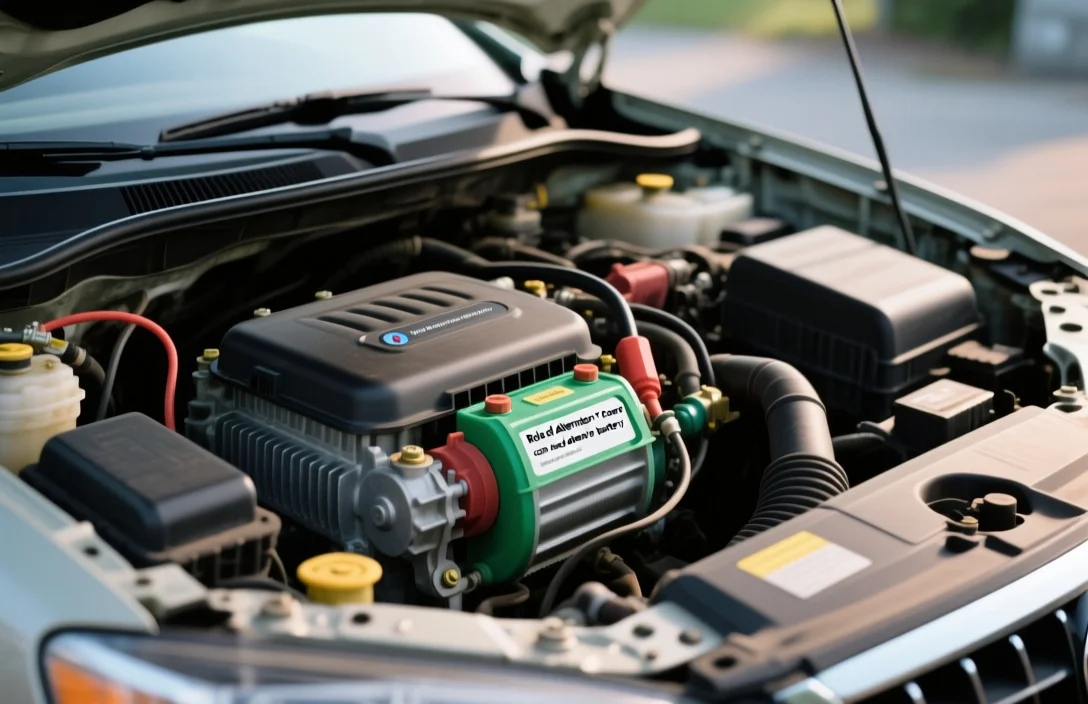
Yes, a bad alternator can drain a battery by failing to supply the correct charging voltage and by creating internal faults that draw current when the engine is off. The alternator’s job is to restore the battery’s charge and power the vehicle electrical system while the engine runs.
The alternator is a belt driven generator with a stator, rotor, rectifier diodes, and a voltage regulator that converts AC to regulated DC for the battery and accessories. When working correctly it keeps the battery at a charge voltage higher than its open circuit voltage so the battery receives current instead of supplying it.
Common dashboard and electrical signs appear before full battery failure; catching them early avoids repeated jump starts and battery replacements. Below are practical troubleshooting steps you can do with a basic multimeter and some safety precautions.
Safety note: disconnect the negative battery terminal before doing significant alternator work, avoid shorting battery posts, and confirm replacement parts match the original alternator’s specifications to prevent overcharging or insufficient current. If you are unsure, professional diagnosis prevents needless battery swaps.
How Bad Alternator Affects Battery
A failing alternator can drain a battery by failing to provide adequate electrical power to recharge it while the engine is running. When the alternator is not functioning properly, it can lead to a situation where the battery depletes its charge, leaving the vehicle unable to start or operate electrical components effectively.
The alternator is responsible for converting mechanical energy into electrical energy to power the vehicle’s electrical systems and recharge the battery. If it is faulty, the battery will rely solely on its stored charge, leading to a gradual depletion.
Common symptoms of a bad alternator include:
To troubleshoot a suspected alternator issue, follow these steps:
If the alternator is confirmed to be faulty, potential solutions include:
Note: Always disconnect the battery before servicing electrical components to avoid short circuits or electric shock.
By keeping an eye on the symptoms and performing regular maintenance checks, you can prevent a bad alternator from draining your battery and avoid unexpected breakdowns.
Symptoms of Failing Alternator?
Yes, a failing alternator can drain a battery, and the clearest signs show up while the engine is running: electrical systems dim, the battery warning light may come on, and the battery will repeatedly fail to hold charge after driving. If you see several of the items below, the alternator is a likely culprit and should be inspected promptly.
For example, if you jump-start a car, drive it for 30 minutes, and the battery is dead again the next morning, that pattern strongly indicates charging failure rather than just an old battery. Check the simple visual items above and avoid driving long distances with a confirmed alternator fault.
Warning: a burning smell or smoke requires you to stop, turn off the engine, and seek immediate repair; continuing to run the vehicle risks fire and permanent electrical damage. The next section shows step-by-step tests to confirm alternator health.
Testing Your Alternator
A bad alternator can indeed drain your battery. If the alternator fails to charge the battery properly, the battery can become depleted over time, leading to starting issues and electrical failures in your vehicle.
If testing reveals that the alternator is not performing as it should, consider cleaning the connections or replacing the alternator. Regular maintenance can prevent alternator-related battery issues and ensure reliable vehicle operation.
Repair vs. Replacement Options
A bad alternator can drain a battery by failing to provide sufficient voltage to keep the battery charged, leading to premature battery failure. If the alternator is not functioning properly, it can cause the battery to discharge, resulting in a dead battery and potential damage to both components.
When considering whether to repair or replace an alternator, assess the following factors:
Common reasons for replacing an alternator include:
“A failing alternator can lead to a host of electrical issues, including battery drainage and malfunctioning vehicle systems.” – Automotive Expert
To troubleshoot an alternator issue, follow these steps:
Ultimately, if the alternator is consistently failing to charge the battery, replacement is often the best long-term solution. However, for minor issues or if the unit is relatively new, repair can be a viable option.
Maintaining Alternator and Battery
Yes, a bad alternator can drain a battery, both by failing to recharge it while you drive and by creating a parasitic current draw when internal diodes or the voltage regulator fail. If the alternator is underperforming the battery will be cycled deeper than intended, shortening its life and leaving you with repeated no-starts.
There are two common mechanisms that cause a drained battery when the alternator is bad. One is undercharging, where the alternator does not supply enough current to replace what the starter and accessories use, and the other is a direct drain from failed alternator components when the engine is off.
For example, if you jump-start and the car stalls after removing the jumper, that points to insufficient alternator charging rather than a single bad battery. If the engine runs fine but the battery drains overnight, perform a parasitic draw test to confirm whether the alternator diodes or another circuit are leaking current.
Regular maintenance, quick attention to dimming lights or strange dashboard charges, and periodic voltage checks will prevent most alternator-related battery failures. When in doubt, have a shop perform a full charging system test before replacing parts to avoid paying twice.
Quick Summary
Yes, a bad alternator can drain a car battery by failing to charge and by producing parasitic current when components fail.
Frequently Asked Questions
Can a bad alternator drain my battery?
Yes, a bad alternator can drain your battery because it may not properly charge it while the engine is running. If the alternator fails completely, the battery will only provide power for a limited time, typically a few hours depending on usage.
How can I tell if my battery is draining due to the alternator?
You can check by measuring the voltage across the battery terminals with a multimeter; a healthy battery should show around 12.6 volts when fully charged. If it drops below 12 volts while the engine is running, it indicates a potential issue with the alternator.
What are the signs of a failing alternator?
Common signs include dimming headlights, electrical issues, or warning lights on the dashboard. If you notice these symptoms, it is advisable to have your alternator checked as it could lead to a drained battery.
Is it safe to continue driving with a bad alternator?
No, it is not safe to drive with a bad alternator because it can lead to a complete loss of electrical power, causing your vehicle to stall. This can be dangerous, especially if it happens while driving at high speeds.
What should I do if my battery keeps draining?
If your battery keeps draining, first check the alternator and ensure it is functioning properly. Additionally, inspect for any parasitic drains from electrical components that may remain active when the vehicle is off, as they can significantly impact battery life.