
Can A Bad Alternator Kill A Battery?
Yes, a bad alternator can kill a battery faster than most owners think. The single spec that matters most is the alternator’s regulated charging voltage – most systems should read about 13.8 to 14.4 volts with the engine running. The common mistake is replacing the battery first; first check battery terminal voltage with a multimeter, engine off and while running.
A bad alternator can kill a battery by undercharging below about 13.2 V or by creating a parasitic drain; regulator or diode faults can flatten a battery in 12 to 48 hours, so measure voltage at the battery terminals with the engine off and running to confirm.
Alternator vs Battery Roles
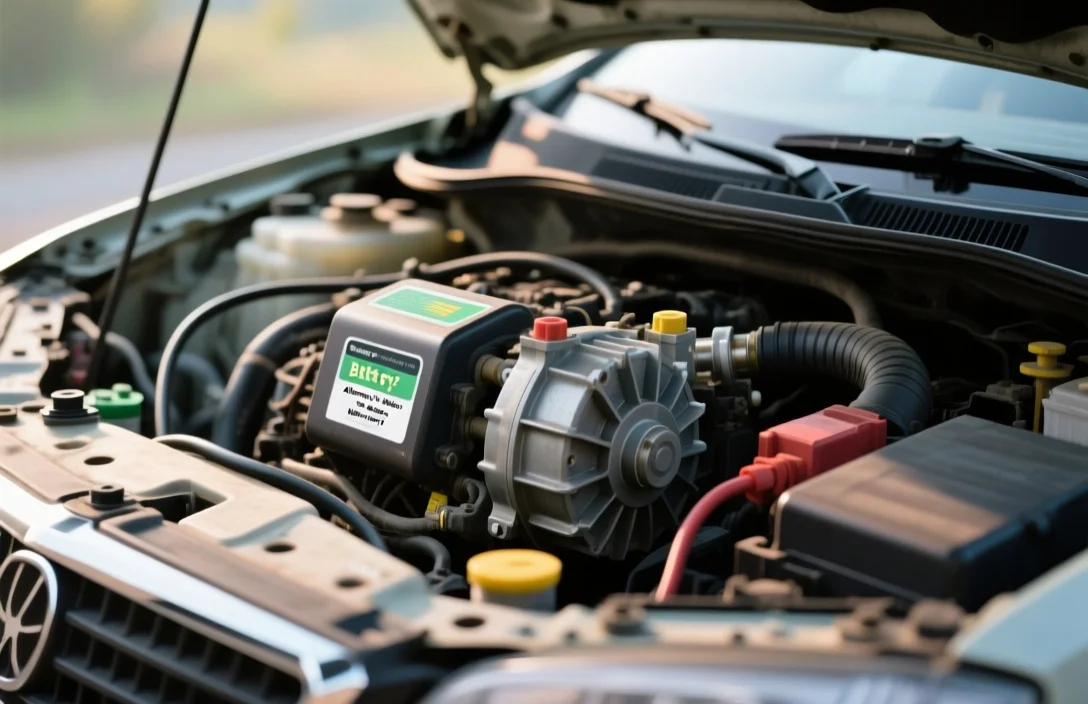
A bad alternator can indeed kill a battery by failing to properly charge it while the vehicle runs. The alternator generates electrical energy to recharge the battery and power the vehicle’s electrical systems, while the battery stores energy for starting the engine and powering accessories when the engine is off. If the alternator malfunctions, it may lead to battery discharge and eventual failure.
The alternator consists of key components such as the rotor, stator, rectifier, and voltage regulator. It converts mechanical energy from the engine into electrical energy, typically producing between 13.5 to 14.5 volts to keep the battery charged. If the alternator is not functioning correctly, it may not provide sufficient voltage, which can prevent the battery from maintaining a full charge.
On the other hand, the battery serves to store energy and supply it to the vehicle’s starter and electrical components. Common battery chemistries include lead-acid, AGM (Absorbent Glass Mat), and lithium-ion. Each type has its specific characteristics, but they all require a consistent charge to remain healthy.
When diagnosing battery issues related to a bad alternator, check the battery labels for critical specifications. Key figures include:
Regular maintenance and prompt attention to warning signs can prevent battery damage caused by alternator issues. If you suspect a problem, it’s advisable to have both the battery and alternator tested to ensure reliable operation.
How Alternator Kills Battery
A malfunctioning alternator can lead to battery damage through several mechanisms: undercharging, overcharging, diode failures, intermittent charging, and parasitic current draws. Each of these issues can significantly reduce battery lifespan or render it inoperable.
Undercharging occurs when the alternator fails to provide sufficient voltage and current to the battery. This can cause sulfation, which is the buildup of lead sulfate crystals on the battery plates, leading to capacity loss. A battery that remains undercharged for an extended period may not hold a charge effectively, resulting in a shorter overall life.
Conversely, overcharging happens when the alternator sends too much voltage to the battery. This can create excess heat, causing the battery to swell, lose electrolyte, or even leak. Overcharging can damage the battery’s internal components, leading to permanent failure.
For example, if the alternator’s diodes fail, the battery can drain even when the engine is running. This reverse current flow can slowly deplete the battery’s charge, leading to unexpected failures, especially during cold starts.
Intermittent charging can be just as damaging. If the alternator only partially charges the battery, it may undergo repeated deep cycles, which can lead to premature wear and reduced cycle life. This is particularly problematic in vehicles with high accessory loads, where the alternator needs to work harder to keep up.
Note: Regularly checking the alternator’s output voltage can help prevent these issues. A healthy alternator should typically output between 13.5 and 14.5 volts while the engine is running.
To maintain battery health, it’s crucial to address alternator issues promptly. Regular inspections can help identify problems early, preventing further damage to the battery and ensuring reliable vehicle operation.
Signs of Alternator Failure
A malfunctioning alternator can significantly affect battery life and performance. When the alternator fails to charge the battery adequately, it can lead to symptoms that are critical to recognize for proper diagnosis and maintenance.
Recognizing these signs early can prevent further damage to the battery and the vehicle’s electrical system. Regular maintenance checks on the alternator and battery can help ensure reliable vehicle performance.
Testing Alternator and Battery
A malfunctioning alternator can indeed damage a battery by failing to keep it charged, leading to premature battery wear or complete failure. To determine if the alternator is the cause of battery issues, follow a structured diagnostic process that includes visual inspections, voltage checks, and load tests.
For effective diagnosis, keep a record of all voltage readings and test results. Use a wiring schematic to understand the alternator’s connections and potential issues. Document any visual findings with photos, as these can assist in troubleshooting and verifying repairs.
Repair, Replacement, Buying Checks
A malfunctioning alternator can significantly shorten a battery’s lifespan by failing to charge it adequately. Without proper charging, batteries can enter a state of deep discharge, leading to irreversible damage and reduced capacity.
When considering repairs or replacements, it is essential to evaluate whether the alternator is repairable or requires a full replacement. Common issues, such as worn bearings or faulty diodes, may be repairable, while more severe problems, like a damaged stator, often necessitate replacement. Assessing the cost of repair versus the cost of a new unit can guide this decision.
Choosing between OEM, remanufactured, or aftermarket alternators can impact long-term battery health. OEM parts typically offer the best compatibility and warranty, while remanufactured units may provide a cost-effective alternative with acceptable performance. Aftermarket options can vary widely in quality and specifications, so careful research is required.
Compatibility Checks
When selecting an alternator, ensure compatibility with your vehicle by checking the following:
Installation Tips
Proper installation of a new alternator is crucial for maintaining battery health. Follow these guidelines:
After replacing the alternator, it is vital to test the system to ensure proper operation. A multimeter can be used to check voltage output, with a healthy alternator generally providing between 13.5 to 14.5 volts at idle. Additionally, many parts come with warranties, which should be reviewed to understand coverage terms, especially concerning battery health.
Protecting Battery Health
A malfunctioning alternator can significantly shorten a battery’s lifespan by failing to provide adequate charge, leading to deep discharges that stress the battery. Regular maintenance and monitoring are essential to prevent damage and ensure the battery remains in good working condition.
For example, if you notice that your battery is frequently undercharging or if the alternator warning light illuminates, it’s critical to have your alternator tested. Ignoring signs of alternator failure can lead to repeated battery replacements and increased costs over time.
In practice, a well-maintained alternator can extend battery life by ensuring it remains adequately charged. Regular checks and timely interventions can prevent the cascading effects of a failing alternator on battery health.
Quick Troubleshooting Checklist
Yes. A failing alternator can kill a battery by either not charging it enough, which leads to chronic undercharge and capacity loss, or by overcharging it, which causes heat, electrolyte loss, and permanent damage. Follow the ordered checks below to decide whether the alternator, the battery, or another fault is the likely cause.
For example, if you measure 12.6 volts resting, 14.2 volts running, and voltage stays stable under load, the alternator is likely fine and a recurring dead battery suggests the battery itself or a parasitic drain. Conversely, if running voltage reads below 13 volts or spikes above 15 volts, note those exact numbers and take the car to a shop for regulator or alternator inspection.
Quick Summary
A bad alternator can indeed kill a battery by failing to recharge it properly.
Frequently Asked Questions
Can a bad alternator kill a battery?
Yes, a bad alternator can significantly reduce a battery’s lifespan. When an alternator fails, it may not properly recharge the battery, leading to frequent deep discharges that can shorten its life by up to 50%.
How can I tell if my alternator is bad?
You can check for a bad alternator by monitoring warning lights on your dashboard, especially the battery light. If your battery voltage drops below 12.4 volts when the engine is running, it may indicate a faulty alternator.
Is it safe to drive with a bad alternator?
Driving with a bad alternator is not safe, as it can lead to unexpected battery failure and loss of electrical power. If your battery voltage falls below 12 volts, you should have your vehicle inspected immediately.
How long does it take to replace an alternator?
Replacing an alternator typically takes about 1 to 3 hours depending on the vehicle make and model. If you’re not familiar with automotive repairs, it’s advisable to seek professional help to ensure the job is done correctly.
What are common mistakes when replacing an alternator?
A common mistake is failing to disconnect the battery before working on the alternator, which can lead to electrical shorts. Always make sure to disconnect the negative terminal before starting any repair work.
