Can A Bad Battery Damage Your Alternator? Here’s What To Know
Most car batteries read about 12.6 V at rest, and a healthy charging system should show 13.8 to 14.6 V with the engine running. The alternator’s maximum continuous current rating is the spec that matters most when a battery starts failing, yet people often replace the alternator before checking battery voltage or corroded terminals. Start by checking the battery’s resting voltage and the charging voltage at the alternator.
Can a bad battery ruin an alternator? Yes, a battery with an internal short, heavy sulfation, or parasitic draw can force the alternator to run at high output for 24 to 72 hours, causing overheating and regulator or diode failure; replace a battery that repeatedly falls below 12.0 V under load.
Battery and Alternator Roles
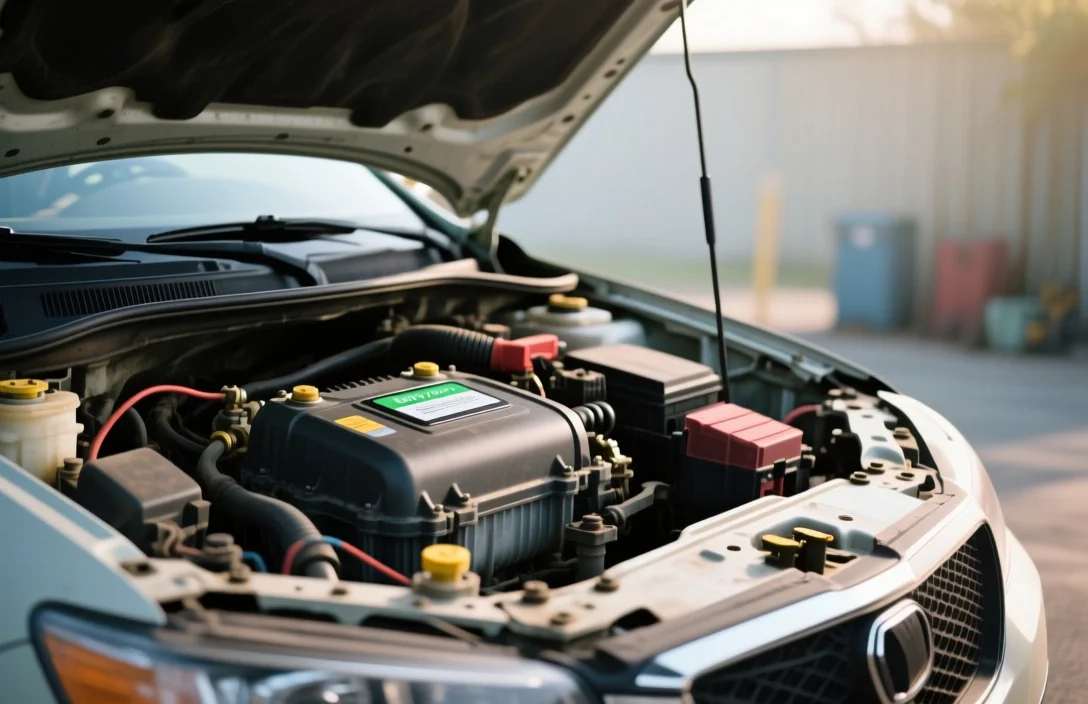
The battery stores the energy needed to crank the engine and to stabilize the vehicle’s electrical system when loads spike, while the alternator makes electricity once the engine runs and keeps the battery charged. When a battery is badly worn or defective, it can force the alternator to supply extra current or run continuously, increasing wear and raising the chance that the alternator will fail sooner than it otherwise would.
The battery is a chemical energy reservoir, most commonly lead-acid in cars, that provides high current for short bursts (starter motor) and smooths voltage for electronics. Capacity is described in ampere-hours and starting ability by cold cranking amps; age, sulfate buildup, internal shorting, and physical damage reduce a battery’s effective capacity and change how it interacts with charging systems.
The alternator is a belt-driven generator with an internal rectifier and voltage regulator that produces current while the engine runs, supplying accessories and replacing the energy the battery used. The regulator keeps charging voltage above the battery’s resting voltage so current flows into the battery; if charging demand is high or the alternator is taxed for long periods, heat and bearing wear increase.
| Component | Primary role | When active | What to check |
|---|---|---|---|
| Battery | Start engine, buffer voltage | All the time, critical at start | State of charge, age, terminal condition |
| Alternator | Generate current, recharge battery | When engine runs | Output under load, belt tension, regulator function |
Safety: swollen, leaking, or hot batteries are hazardous. Stop using the vehicle if you see physical battery damage and have the battery handled by a qualified technician.
How Battery Issues Affect Alternators
A bad battery can significantly impact the performance and longevity of an alternator. If a battery fails to hold a charge or has damaged cells, the alternator may struggle to provide the necessary voltage and current, leading to potential failure over time.
Voltage regulation is crucial in maintaining the health of both the battery and alternator. An alternator typically operates within a voltage range to effectively charge the battery and power electrical systems. If a battery is weak, the alternator may compensate by overworking to provide additional voltage. This excess demand can lead to overheating and premature wear of the alternator’s components.
Current demand is another factor that can strain the alternator when a battery is compromised. If the battery cannot support the vehicle’s electrical requirements, the alternator must produce more current to meet these needs. This increased demand can lead to:
For instance, if a battery is unable to hold a charge and frequently discharges, the alternator may have to run at maximum output for extended periods, risking damage from overheating and excessive wear.
Routine maintenance checks can help prevent damage to the alternator caused by battery issues. Regularly inspect battery health and replace it when signs of weakness appear. Additionally, monitoring the alternator’s performance, such as unusual noises or warning lights on the dashboard, can provide early indicators of potential problems.
Symptoms of Battery Problems
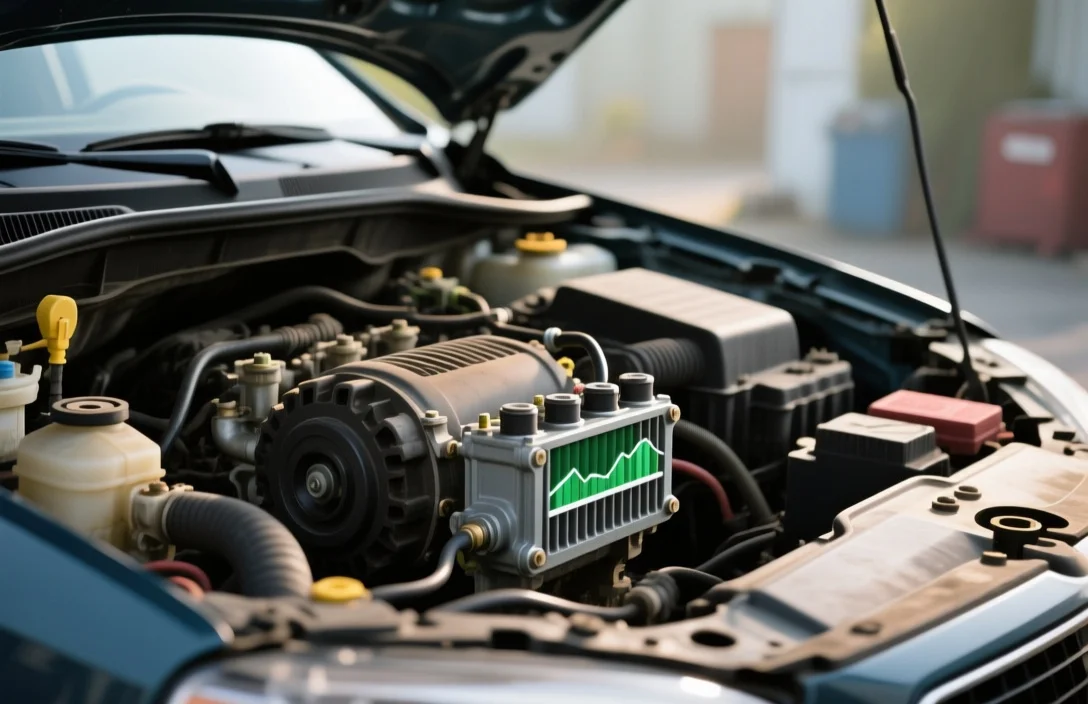
A failing battery commonly shows as slow cranking, dim or flickering lights, and a persistent battery or charging warning lamp, and those symptoms can indicate the battery is forcing the alternator to work harder. Left unaddressed, the extra load and repeated deep recharges that follow can stress alternator components and produce related electrical faults.
For example, if your car cranks slowly, the battery light is on, and headlights dim when you switch on the fan, check the battery condition first rather than assuming alternator failure. Test resting and under-crank voltage and inspect terminals and case condition; if the battery fails those checks, replace it and then re-evaluate the charging system to avoid unnecessary alternator replacement.
Symptoms of Alternator Damage
A weak or failing battery can make the alternator supply excessive or irregular charging current, increasing heat and mechanical stress and shortening alternator life. Two common vehicle-level symptoms that often point to alternator strain caused by a bad battery are dim lights and unusual noises.
Dim lighting that changes with engine speed is a strong clue. If lights brighten when you rev the engine and dim at idle, the alternator is likely producing more output at higher RPMs to make up for a weak battery or heavy draw. That pattern points to charging-demand problems rather than a simple burned bulb or loose connection.
For example, a battery with low capacity or an internal short can continuously draw current even while the engine runs, forcing the alternator to operate at higher output and causing voltage to dip under moderate loads. Over time that extra duty can heat the alternator and stress its diodes and bearings, which first shows up as flicker or dimming under load.
Noise types help narrow the fault. A high-pitched squeal often comes from a slipping belt or belt tension problem, a grinding noise usually means bearing deterioration, and a whine can point to regulator or diode stress inside the alternator. When these noises appear alongside charging symptoms, suspect the battery as a contributing factor rather than assuming the alternator failed on its own.
Safety note: a battery that will not hold charge, is swollen, or shows corrosion at terminals should be addressed promptly, because continuing to drive with that condition increases the risk of alternator overheating and more expensive repairs. Check battery condition, terminals, and belt condition as your next step before replacing an alternator.
Step-by-Step Troubleshooting
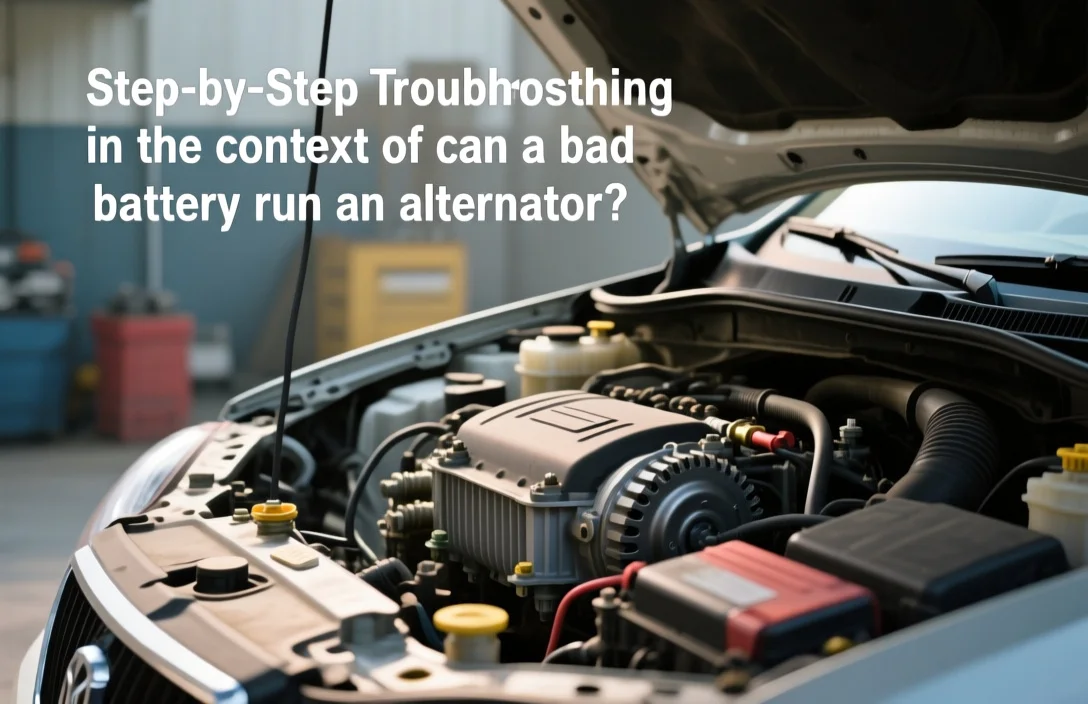
A failing battery can force an alternator to work harder and, over time, cause regulator overheating, diode stress, or premature brush wear; however, instant destruction is uncommon and usually requires prolonged abnormal loads or a severe internal short. Start by isolating whether the battery is the root cause, because many alternator complaints clear after replacing or fully charging the battery.
For example, a sulfated battery that accepts charge only slowly can keep the alternator running at high current for long periods, increasing heat stress on the regulator and diodes; while this does not guarantee alternator failure, it raises the risk. If you are unsure after these tests, consult the vehicle service manual or a qualified technician for bench testing and component-level diagnosis.
Preventive Maintenance Tips
A failing battery can damage an alternator, because a weak, shorting, or chronically undercharged battery forces the alternator and its voltage regulator to supply extra current and heat repeatedly, which shortens alternator life. Catching battery problems early, replacing cells or the whole battery when capacity is low, and keeping connections clean are the simplest ways to avoid alternator repairs.
Regular Inspections
Visually inspect battery terminals, hold-downs, case condition, and cables every month, or before long trips. Look for corrosion, loose clamps, cracks, bulging, or wet spots; any physical damage can cause intermittent connections that make the alternator work harder and generate heat.
Check the battery’s resting voltage and charge status after the vehicle has been off for several hours, and record it over time to spot decline. For lead-acid cells, watch for low electrolyte level and top up only with distilled water when serviceable cells allow it; for sealed batteries do not open the case.
| When | What to check | Action |
|---|---|---|
| Every month | Terminals, hold-downs, visible case condition | Clean, tighten, repair or replace damaged cables |
| Every 3-12 months | Resting voltage trend, starting performance | Load test or visit shop for capacity test |
| Upon symptoms | Dim lights, slow cranking, warning lights | Stop driving if severe, test battery and alternator promptly |
Replace a battery that struggles to hold charge; delaying replacement risks alternator overheating and more costly repairs.
Proper Charging
Use the correct charger mode and voltage for the battery chemistry, and avoid repeated shallow charging cycles that leave the battery at low state of charge for long periods. If you store a vehicle, use a quality maintainer or smart charger that prevents sulfation without overcharging.
When testing the charging system, measure charging voltage at the battery with engine running to confirm the alternator is delivering stable charging current. If you see large voltage swings, excessive heat from the alternator, or persistent undercharging even after a known-good battery is installed, replace the alternator or regulator rather than risking repeated failure.
Safety note: swollen, hot, or leaking batteries are hazardous. Disconnect and replace them immediately using correct PPE and proper disposal methods.
Real-World Case Studies
Yes, a bad battery can damage an alternator by forcing the alternator to work harder and operate outside its normal thermal and electrical range, which can lead to regulator failure or diode overheating over time. The correct practical rule is to verify and replace a weak or failing battery before condemning the alternator.
For example, a daily commuter noticed dim headlights at idle, the battery light flickering while stopped at traffic lights, and inconsistent dash voltmeter readings. The vehicle ran normally at highway speeds but developed an audible whining noise from the belt area after long idles.
In that case, the battery had one or more weak cells causing repeated deep discharge cycles. The alternator regulators and diodes were operating near full output most of the time, which shortened their useful life and caused the later failure.
For instance, another vehicle was left for months with a partially discharged battery, then used for short trips only. The owner replaced the old battery, but the alternator still showed erratic voltage until a wiring harness and a now-failing diode were replaced, showing how battery abuse can reveal or accelerate alternator faults.
Quick Summary
Yes, a severely failing automotive battery can damage an alternator by causing excess load or voltage spikes, so fix the battery promptly.
Frequently Asked Questions
Can a bad car battery ruin my alternator?
You can damage the alternator if the battery draws continuous high current while the engine runs, because most alternators are rated in the 50 to 150 amp range and run the charging system at about 13.8 to 14.4 volts.
How does a weak or shorted battery cause alternator heat or failure?
You can force the alternator to deliver near its maximum output to try to charge or compensate for a bad battery, producing excess heat when currents approach the alternator rating, typically in the 50-150 A range which shortens component life.
How long will a bad battery make an alternator work before it breaks?
You can see rapid failure within minutes if there is a direct short, or accelerated wear over weeks to months if the battery causes continuous overloading, so inspect a repeatedly strained alternator promptly because damage accumulates over time.
Is there a safety or fire risk if a bad battery ruins the alternator?
You can get hot wiring, smoke, or melted insulation when charging currents exceed the system wiring capacity, and charging faults can produce sparks that risk igniting battery vent gas, so treat currents above the alternator rating, commonly over 100 A, as hazardous and disconnect the battery before working.
How do I avoid buying a replacement battery that will damage my alternator?
You can protect the alternator by matching the replacement battery to the vehicle spec, checking a rested open-circuit battery voltage under 12.4 V as a sign of a weak battery, and replacing batteries that are old, poorly rated, or physically damaged to prevent chronic alternator overload.