How A Failing Battery Can Damage Your Alternator: Key Insights
Yes, a failing battery can damage an alternator by forcing the alternator to charge continuously and run hotter than designed. The spec that matters most is voltage, both the battery’s resting voltage and the alternator’s charging voltage. A common mistake is trusting a starter click as a healthy battery. First check the battery label and measure resting voltage with a multimeter.
A bad battery can ruin an alternator by making the alternator run excessively to maintain voltage, causing heat and regulator wear; if a 12 V battery reads below about 12.4 V at rest, watch charging, and expect alternator charging to be about 13.8 to 14.4 V under load.
Battery and Alternator Roles
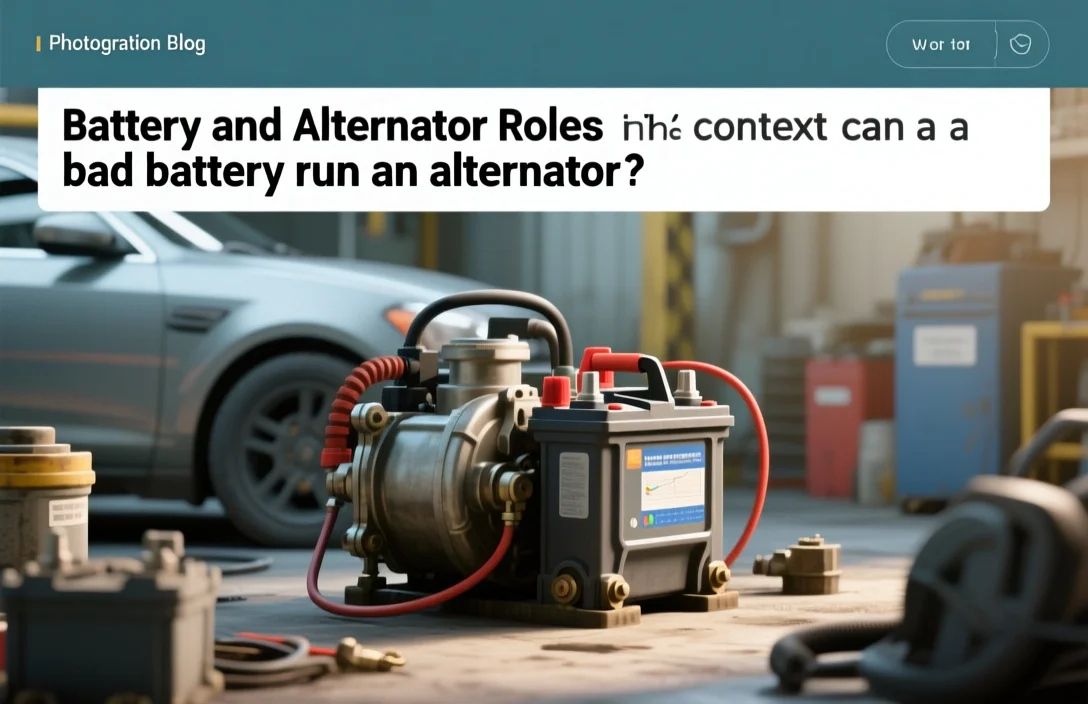
A bad battery can place extra continuous load on the alternator, causing it to run hot, work at high current for extended periods, and eventually damage diodes, the voltage regulator, or bearings. Replacing a weak or failing battery promptly often prevents alternator failure and keeps the charging system within safe operating limits.
The battery provides the high current needed to crank the starter motor, and it acts as an electrical buffer for short bursts and transient loads when the engine is off or the alternator output lags. It also helps stabilize vehicle voltage so sensitive electronics see steady DC instead of spikes and dips.
The alternator produces electrical power while the engine runs, converts alternating current to direct current, and regulates voltage to maintain battery charge and supply accessories. If the battery is heavily discharged, shorted, or has high internal resistance, the alternator must supply sustained high current, which raises heat and mechanical stress inside the unit.
| Battery problem | Effect on alternator | What to check |
|---|---|---|
| Shorted or failing cell | Continuous heavy charge current, diode and regulator stress | Resting voltage, specific gravity (if serviceable), battery load test |
| Sulfation / high internal resistance | Alternator runs hotter and longer to reach voltage, reduced efficiency | Conductance test or professional battery tester, age and charge history |
| Frequent deep discharge or parasitic draw | Repeated high current cycles, accelerated wear on alternator bearings | Parasitic draw test, inspect electrical accessories and charging pattern |
A weak or damaged battery increases the alternator’s workload; fix or replace the battery early to avoid paying for alternator repairs later.
Safety note: If a battery is swollen, leaking, hot, or emits strong fumes, do not attempt charging. Disconnect the negative terminal before working on the charging system and wear eye protection. Replacing a questionable battery is a practical, safety-first step that prevents downstream alternator damage and electrical hazards.
Common Battery Issues
A malfunctioning battery can indeed cause significant damage to an alternator. Several common battery problems, such as sulfation, internal short circuits, and corrosion, can compromise the alternator’s performance and longevity, leading to costly repairs.
Sulfation
Sulfation occurs when lead sulfate crystals form on the battery plates due to prolonged undercharging or leaving a battery discharged for too long. This buildup reduces the battery’s capacity and can strain the alternator as it works harder to charge the battery. Over time, the alternator may suffer from overheating or premature failure due to this increased load.
Internal Short Circuits
An internal short circuit within a battery can lead to a dangerous situation where the battery becomes incapable of holding a charge. This condition forces the alternator to continually try to recharge the failing battery, leading to excessive heat generation. If not addressed, this can damage the alternator’s components, particularly the diodes.
Corrosion
Corrosion at the battery terminals can impede the flow of electricity, effectively causing the alternator to work harder to provide the necessary power. Signs of corrosion include white or greenish buildup around the terminals. If left unchecked, corrosion can not only reduce battery efficiency but also lead to fluctuating voltage levels that could harm the alternator.
How Battery Failures Affect Alternators?
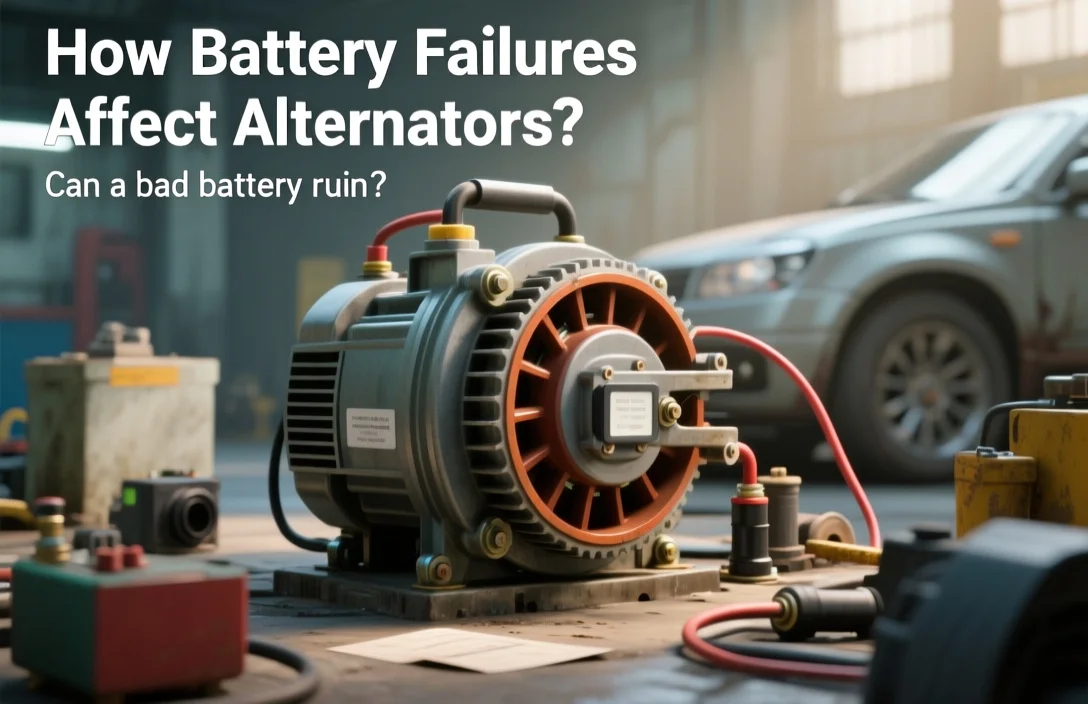
Yes, a bad battery can damage an alternator by forcing the charging system to run harder and produce unstable voltages, which stresses the alternator’s diodes, voltage regulator, and windings. Repeated high current output, voltage spikes, or sustained overcharging driven by a failing battery shorten alternator life and can cause immediate failures.
Voltage fluctuations occur when a battery has high internal resistance, sulfated plates, or failing cells, so the alternator sees rapid changes in load and voltage demand. The voltage regulator will hunt to hold system voltage steady, and that repeated cycling causes heat and electrical stress inside the alternator components.
For example, a battery that drops suddenly under load forces the alternator to step up output; when the battery recovers the alternator output may overshoot briefly. Those quick swings stress rectifier diodes, which can then leak or fail, producing charging faults and abnormal heating.
Increased load is another common mechanism: a weak or shorted battery draws heavy charge current whenever the engine runs, so the alternator operates at high output for extended periods. Continuous high-output operation increases bearing, brush, and winding temperatures, and accelerates wear on the regulator and rectifier assembly.
| Mechanism | Root cause in battery | Typical alternator effect |
|---|---|---|
| Voltage fluctuation | High internal resistance, failing cell | Regulator hunting, diode stress, intermittent charging |
| Increased load | Low capacity, repeated deep discharge | Overheating, accelerated brush and bearing wear |
| Overcharging | Battery that won’t accept charge or has bad sensor | Sustained high voltage, diode failure, electrolyte loss |
Overcharging risks come when the alternator tries to compensate for a battery that refuses to charge, or when battery voltage sensing is faulty. That can leave system voltage elevated for long stretches, causing battery gassing and extra thermal load on the alternator’s silicon rectifiers and regulator circuits.
Safety: Do not work on swollen or hot batteries, avoid shorting terminals, and replace batteries that vent, leak, or refuse to hold charge to prevent alternator damage and fire risk.
Symptoms of Battery and Alternator Problems
A weak or failing battery can force an alternator to supply extra current continuously, which can accelerate alternator wear and cause visible symptoms. Watch for dimming lights, unusual noises, and dashboard charging warnings, because these signs often mean the battery and alternator are interacting poorly and one may be damaging the other.
Many symptoms overlap, so you must look at when and how they occur to decide which component is at fault. A battery that cannot hold charge will make the alternator run at higher output for longer, raising heat and mechanical stress inside the alternator.
For example, if you notice slow headlight response and a battery light that comes on after short trips, the battery may be failing to accept charge, so the alternator is kept near maximum output and becomes hot. That heat shortens alternator brush life and can damage diodes over time.
Safety note: do not mix a new alternator with a visibly bad battery; replacing the battery first lowers the risk of premature alternator failure and gives a clearer diagnosis of remaining issues.
Preventive Maintenance Tips
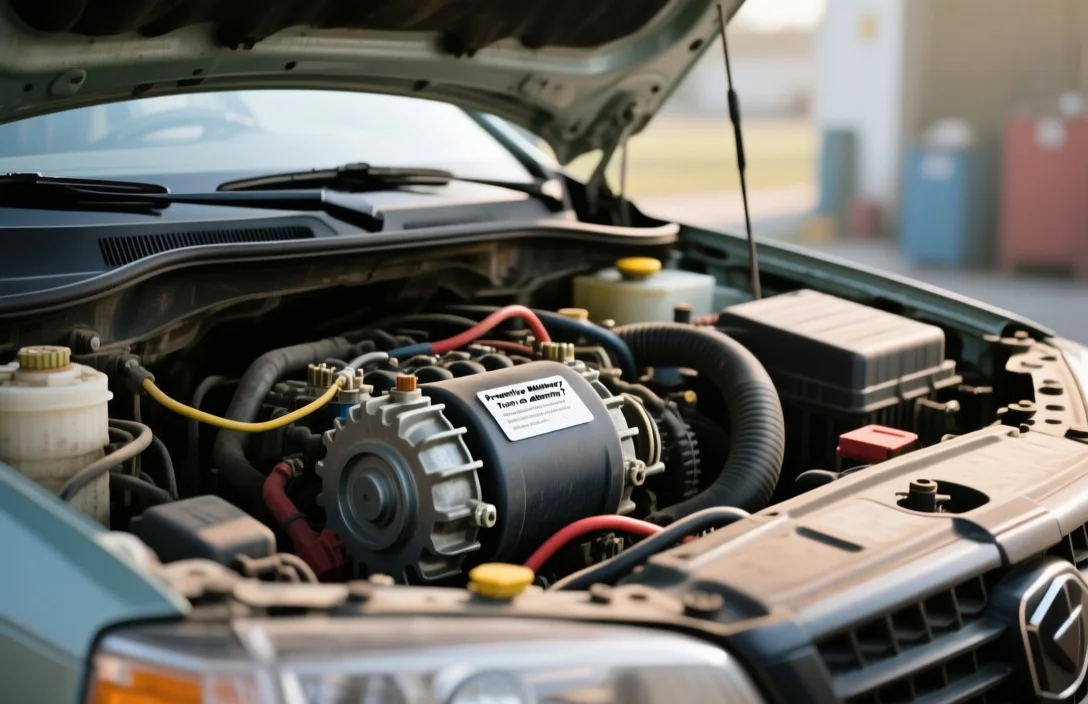
Yes, a bad battery can damage an alternator over time, because a battery that will not accept or hold charge forces the alternator to run at high output for longer periods, which raises heat and wear inside the alternator. Regular checks, clean connections, and watching voltage windows are the simplest ways to limit that risk and catch problems early.
Follow a short, repeatable check routine after any charging problem to catch early damage and decide next steps. Keep records of test voltages and load values to see trends, because small changes over months point to looming failure.
Replacement or Repair Recommendations
A malfunctioning battery can indeed damage an alternator, especially when it fails to hold a charge or has internal short circuits. Signs of battery failure, such as swelling or corrosion, can indicate issues that might strain the alternator, leading to its premature wear or failure.
When assessing whether to replace or repair either component, consider the following signs of irreparable damage:
Choosing compatible parts is essential for a successful replacement. Ensure that the new battery matches the voltage and capacity specifications of your vehicle’s requirements. Additionally, the alternator should be compatible with the electrical demands of the new battery.
For example, if you upgrade to a higher capacity battery, your alternator must be able to handle the increased output without overheating. Always refer to your vehicle’s manual for specific guidelines on compatible parts.
Professional vs DIY Solutions
Deciding whether to tackle repairs yourself or consult a professional can depend on your experience and the complexity of the issue. For minor problems, such as replacing battery terminals or a straightforward battery swap, DIY solutions can be feasible and cost-effective.
However, if you suspect damage to the alternator or have difficulty diagnosing the issue, seeking professional help is advisable. Professionals can perform tests to determine the health of both the battery and alternator, ensuring that any underlying issues are addressed.
“Regular checks of your battery and alternator can prevent significant issues and extend the life of your vehicle’s electrical system.”
Visual Aid: Battery and Alternator Diagram
A malfunctioning battery can indeed damage an alternator. If a battery is severely degraded, it may create excessive resistance or demand more current than the alternator can supply, leading to overheating and eventual failure of the alternator.
Common causes of battery failure that can affect the alternator include:
The symptoms of a bad battery affecting the alternator may include:
“A weak battery puts additional strain on the alternator, potentially leading to premature failure.”
Preventive measures to avoid these issues include:
In practice, maintaining both the battery and alternator in good condition is crucial for the overall health of your vehicle’s electrical system. Regular inspections and timely replacements can help prevent one component from adversely affecting the other.
| Battery Condition | Potential Alternator Impact |
|---|---|
| Corroded terminals | Increased resistance, overheating |
| Internal short circuit | Erratic voltage, alternator stress |
| Deeply discharged | Overworking alternator, early failure |
Quick Summary
Yes, a severely bad battery can damage an alternator over time, but proper testing and timely replacement usually prevent alternator failure.
Frequently Asked Questions
Can a bad battery ruin an alternator?
Yes, a bad battery can negatively impact an alternator’s performance. If a battery has a short circuit or is severely degraded, it can cause the alternator to work harder, potentially leading to premature failure.
How do I know if my battery is compatible with my alternator?
Check the specifications for both your battery and alternator, particularly the voltage rating. Most automotive batteries are 12V, and using a battery with a different voltage can damage your alternator.
Can heat affect the performance of my battery and alternator?
Yes, excessive heat can lead to battery swelling and damage, which in turn can stress the alternator. It’s important to keep both components cool, as temperatures above 140°F can significantly reduce battery life.
What is the typical runtime for a battery before it needs replacing?
A standard automotive battery usually lasts about 3 to 5 years, depending on usage and environmental conditions. If you notice your battery struggling to hold a charge, it may be time for a replacement.
What common mistakes should I avoid when buying a new battery?
A common mistake is not checking the Cold Cranking Amps (CCA) rating, which indicates the battery’s ability to start an engine in cold temperatures. Make sure to select a battery with a CCA rating appropriate for your vehicle’s requirements.