Can An Alternator Drain Your Battery?
An alternator is supposed to recharge your battery while the engine runs, holding system voltage around 13.8 to 14.8 volts. The spec that matters most is the charging voltage, not the amp label. A common mistake is trusting that a running engine always charges; first check your multimeter set to DC 20 V and measure at the battery terminals. A quick volt test takes under five minutes and reveals most alternator problems.
An alternator can drain your battery if internal diodes or the voltage regulator fail, allowing current to flow back or overcharge above about 15 V; a shorted alternator can draw several amps with the engine off, discharging a battery overnight or within a few hours depending on the fault.
What Is an Alternator?
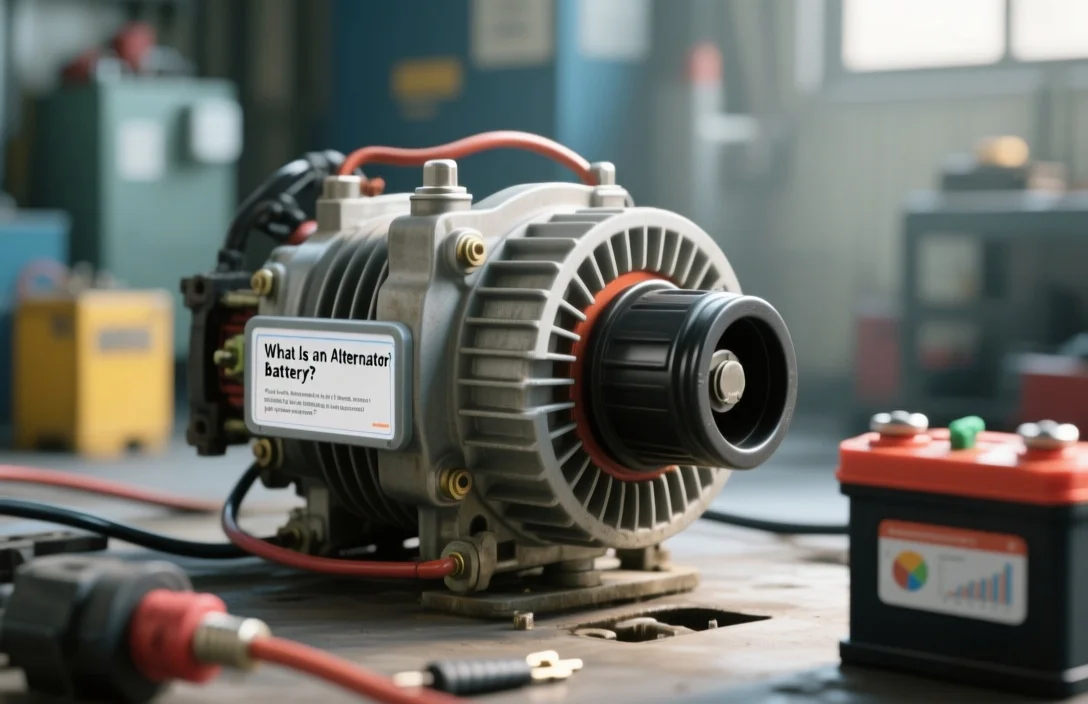
An alternator is the engine-driven generator that keeps the battery charged and supplies the vehicle’s electrical systems while the engine runs. It converts engine rotation into electrical current and the vehicle’s voltage regulator controls output so the alternator normally replenishes the battery rather than draining it.
How It Generates Power
Inside an alternator, a rotor is a spinning electromagnet and the stator is a ring of stationary windings. When the engine turns the rotor, the changing magnetic field induces alternating current in the stator windings.
The alternator’s diodes convert that AC into direct current, and the voltage regulator adjusts the rotor field current to hold system voltage slightly above the battery’s resting voltage so charging happens. If the regulator, diode pack, brushes, or drive belt fail, the unit can stop charging or produce abnormal currents that mimic or cause battery drain.
Key Components
| Component | What it is | What failure may cause |
|---|---|---|
| Rotor (field) | Spinning magnet that creates the changing field | Loss of field means little or no charge |
| Stator | Stationary coil set where AC is induced | Damaged windings reduce output or cause noise |
| Diode rectifier | Converts AC to DC | Bad diodes can allow reverse current or noncharging |
| Voltage regulator | Controls field current to hold system voltage | Overcharging or undercharging if it fails |
| Belt, bearings, brushes | Mechanical drive and contact parts | Belt slip, noise, intermittent charging |
Alternators are designed to charge; when the alternator is the cause of a dead battery, the problem is almost always component failure or wiring faults, not normal operation.
Role of the Battery
The battery is the vehicle’s energy buffer, supplying current when the engine and alternator are off and storing energy while the alternator runs. An alternator can cause a battery to appear drained if it charges incorrectly, fails internally, or damages the battery so its capacity is reduced.
For example, a failed rectifier diode can allow current to flow back into the alternator when the engine is off, which draws the battery down. A faulty voltage regulator can either undercharge, leaving the battery depleted over time, or overcharge, which shortens battery life and creates failures that look like gradual drain.
Battery types and how they respond
Lead-acid flooded and AGM batteries are tolerant of the common automotive charging profiles, but they are sensitive to sustained overvoltage and heat, which accelerate plate corrosion and loss of capacity. Gel cells behave differently and are less common in cars, they can be damaged by high charge voltages and by charging methods that work for flooded batteries.
Lithium batteries, including LiFePO4 types used in some vehicles and accessories, have built-in battery management systems that protect cells from undercharge and overcharge, but they often require different voltage profiles than lead-acid. If a vehicle alternator and regulator are not compatible with a lithium pack, the result can be improper charging, tripping of the BMS, or permanent capacity loss that looks like a drained battery.
Always check the battery label and the battery maker’s charging recommendations before replacing chemistry types in a vehicle, and consider a DC-DC charger or a compatible regulator when mixing battery chemistries. Failure to match charging profile to chemistry is a common root cause of alternator-related battery failures.
Charging Process Explained
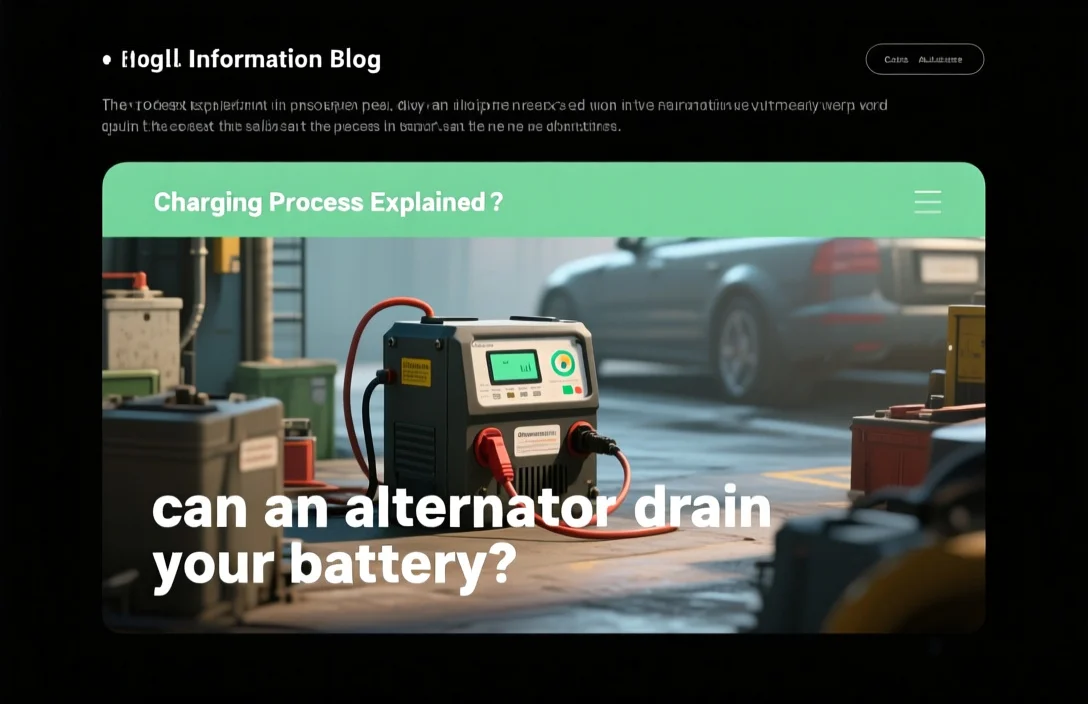
An alternator converts engine mechanical energy into electrical energy and, through its voltage regulator, holds system voltage above the battery’s resting voltage while the engine runs. That regulated voltage drives current into the battery to replace charge used by the starter and onboard electronics, while also powering vehicle loads directly.
Voltage Regulation
The voltage regulator is the control center that keeps system voltage in a narrow band above the battery’s resting value, so the battery receives charge without being overdriven. The regulator measures terminal voltage and changes the rotor excitation to increase or decrease alternator output as needed, and many regulators also include temperature compensation to avoid overcharging when the battery is hot. Regulators can be built into the alternator housing or mounted separately, but they all perform the same job of keeping voltage steady despite changing engine speed and varying electrical load. Poor regulation will let voltage sit too low or run too high, which alters how current flows into the battery and can reduce battery life.
Current Flow
Current flow is determined by the difference between alternator output voltage and battery terminal voltage, divided by the combined resistance of cables and internal battery resistance, so a larger voltage difference causes higher charging current. Early in charging, a discharged battery draws substantial current, then the current tapers as the battery approaches the regulator target and internal resistance rises. Simultaneously, vehicle loads draw current directly from the alternator output, so actual battery charging current equals alternator output minus load current. Good connectors, a healthy rectifier, and correct belt tension help ensure the alternator can deliver expected current without excessive voltage drop.
Can an Alternator Drain a Battery?
Yes, an alternator can drain a battery when internal failures or wiring faults create a path for current to flow from the battery back into the alternator when the engine is off, or when a regulator or diode fails and draws current continuously. The most common single cause is failed rectifier diodes that stop blocking reverse current, and other electrical faults can produce similar parasitic drains.
An alternator generates AC that the rectifier diodes convert to DC for the electrical system and battery. When diodes short or leak they can allow the battery to discharge through the stator or rotor windings after the vehicle is shut down, producing a steady drain that kills the battery over several hours or days.
For example, a single shorted diode often produces a small continuous draw that may not trip fuses but will flatten a battery overnight in some cars. That fault can also create AC ripple on the charge line while the engine runs, which shows up as alternator noise or electrical interference.
Malfunctioning Diodes
Rectifier diodes are the most direct way an alternator can become a drain, because their job is to let current flow only from alternator to battery, not the reverse. When one or more diodes fail they either short to ground or permit reverse conduction, producing a parasitic path that draws current with the vehicle off and adds ripple when running. A diode fault is often intermittent, so bench-testing the alternator or using a multimeter with an AC mV or diode test will reveal abnormal readings; professional shops can perform a ripple test or diode bridge test to confirm the failure.
Other Electrical Issues
A faulty voltage regulator, worn brushes, damaged slip rings, corroded connections, or a bad fusible link can also make the alternator draw current or fail to charge properly. Wiring shorts or incorrect grounds let current take unintended routes, and a stuck regulator or control circuit may energize the field circuit when it should be off, creating a parasitic draw. In some cases the alternator itself is fine but connected components cause a backfeed that looks like an alternator drain.
| Fault | Likely Symptom | Quick Test |
|---|---|---|
| Shorted diode | Slow drain at rest, AC ripple while running | AC mV test on charging line, bench diode test |
| Stuck regulator | Continuous field current, battery drain | Measure current on field wire with key off |
| Bad ground/wiring | Intermittent charging, parasitic draw | Inspect/clean grounds, load test circuits |
Safety: Always isolate the battery before disconnecting alternator wiring, wear eye protection, and avoid shorting terminals. If you are unsure, have a qualified technician test the alternator and charging system.
Signs of Alternator Failure
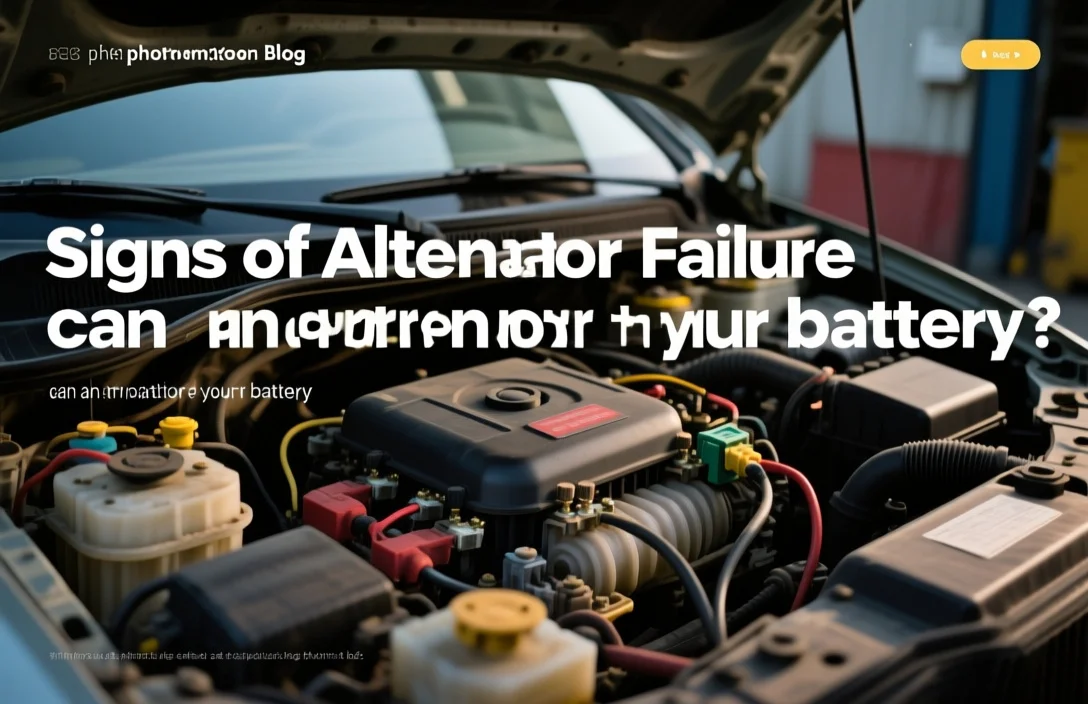
An alternator that is failing can let the battery discharge instead of keeping it charged, and the first clues are usually electrical warnings and changes in how the car sounds or runs. Watch for dashboard warnings, dim or flickering lights, unusual noises from the engine bay, and intermittent accessory failures, which often precede a dead battery.
For example, you might see the battery lamp illuminate while the radio resets, hear a faint whining from the belt area, then later find the vehicle will not start after you park. Those combined signals point to alternator faults that are likely causing the battery to lose charge even when the car has been driven.
These signs are not proof by themselves, but when several appear together they strongly suggest alternator trouble that can drain the battery. Treat persistent warning lights, odd noises, and repeated post-drive dead batteries as reasons to have the charging system inspected rather than assuming the battery alone is the problem.
Troubleshooting Steps
An alternator can drain your battery under certain conditions, typically related to malfunction or poor connections. Testing the voltage output and checking connections are essential steps to diagnose the issue effectively.
When to Seek Professional Help?
If your alternator is suspected of draining your battery, it’s crucial to consult a mechanic when you encounter complex electrical issues or safety concerns. Symptoms such as repeated battery failures, unusual sounds from the alternator, or warning lights on the dashboard indicate that professional diagnostics are necessary.
Complex electrical problems can arise when diagnosing an alternator’s performance. These may include:
Safety concerns also warrant professional attention. If you notice:
In practice, diagnosing these issues requires specialized tools and expertise. Mechanics use multimeters to check the alternator’s output and perform load tests to determine if the battery is functioning properly. If you are unsure about handling electrical components, seeking help is the best course of action.
It’s always better to err on the side of caution when electrical systems are involved. A small issue can escalate into a significant hazard if not addressed promptly.
Furthermore, if your vehicle is exhibiting symptoms such as dimming headlights or problems starting, these can also signal alternator issues. While some troubleshooting can be done at home, such as checking connections and battery health, persistent problems should be left to professionals to avoid damaging your vehicle or compromising safety.
Quick Summary
Yes, an alternator can drain a battery indirectly if it fails to charge correctly or creates a parasitic current, so diagnose before replacing parts.
Frequently Asked Questions
Can an alternator drain your battery when the engine is off?
Yes, an alternator can drain your battery if there is a fault, such as a short circuit or a malfunctioning diode. Normal operation should not drain the battery when the engine is off, but issues can lead to current leakage.
What are the signs that my alternator is draining the battery?
Signs include dimming lights, electrical issues, or a battery warning light on your dashboard. If your battery frequently dies or has a significantly reduced runtime, it may indicate a problem with the alternator.
How can I test if my alternator is draining my battery?
You can test it by using a multimeter to measure the voltage across the battery terminals with the engine off and then running. A healthy alternator should show about 13.5 to 14.5 volts when the engine is running.
Is it safe to drive with a faulty alternator?
It is not safe to drive with a faulty alternator, as it can lead to a dead battery and loss of electrical power while driving. If you notice any signs of alternator failure, it is best to have it checked immediately to avoid potential breakdowns.
When should I replace my alternator?
You should consider replacing your alternator if it is over 100,000 miles or shows signs of wear, such as unusual noises or electrical failures. Regular inspections can help catch issues before they lead to a complete failure.