Does A Car Battery Need Water?
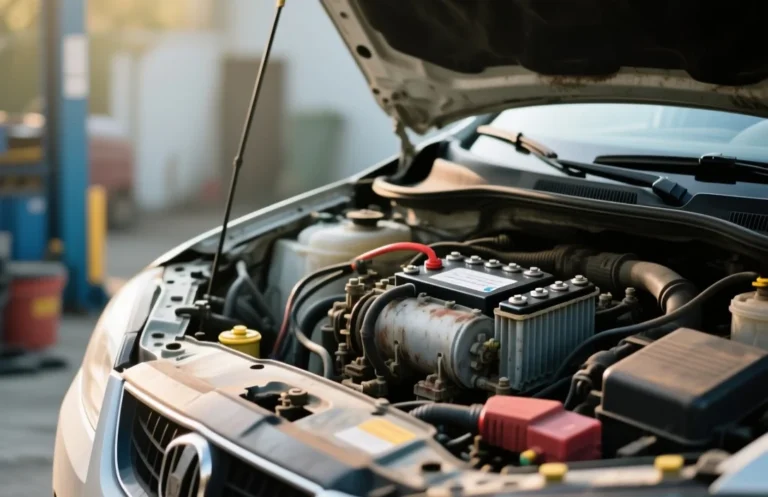
Some car batteries contain liquid electrolyte and need distilled water to keep the lead plates submerged; others are sealed and truly maintenance-free. The spec that matters most is the battery type, flooded versus sealed (AGM or gel). A common mistake is assuming every battery has removable caps, so first check the top for cap plugs or a visible maintenance-free label.
Car batteries with removable caps, also called flooded lead-acid batteries, need distilled water to keep plates covered; check levels every 3 months and after heavy use, and add only distilled water until plates are just submerged. Sealed, AGM and gel batteries do not require topping.
Does a car battery need water?
Sometimes. Older serviceable flooded lead acid batteries with removable cell caps require periodic distilled water top-ups to keep the electrolyte covering the plates; sealed types, labeled maintenance-free, AGM, gel, and lithium batteries do not need water added. If you are unsure which you have, check the case for removable caps or a “maintenance-free” label before doing anything.
Water matters most when a battery is regularly cycled, exposed to high heat, overcharged, or is several years old, because those conditions increase electrolyte loss through gassing. Low electrolyte exposes lead plates, which cuts capacity, speeds corrosion, and can permanently shorten battery life.
For example, a car used for short daily trips and parked in hot climates will lose water faster than one stored in a cool garage and charged fully each week. Similarly, batteries that have been deeply discharged or that have been fast-charged repeatedly will need closer monitoring of electrolyte level.
| Condition | Urgency | Recommended action |
|---|---|---|
| Serviceable battery, low visible electrolyte | High | Top up with distilled water, then charge and retest |
| Sealed or maintenance-free battery | Low | Do not open, check voltage and replace if failing |
| Frequent gassing or overheating | High | Diagnose charging system and battery, avoid topping up until fixed |
Do not add tap water if distilled is available, do not open sealed batteries, and avoid sparks or smoking near the battery when checking fluid.
Later sections will cover how to identify battery types in detail, step-by-step refill photos and measurements, safe charging practices, and how to decide when topping up is a temporary fix versus a sign you should replace the battery. Follow safety steps first; convenience comes second.
Car battery types
Only traditional flooded, wet lead-acid batteries require periodic water top ups; sealed types do not. Valve regulated lead acid batteries, including AGM and gel, and lithium starter batteries are sealed and should not be topped with water.
Flooded, wet lead acid batteries have removable caps over each cell and contain free liquid electrolyte that must cover the plates. These are the kinds that need distilled water added periodically, because charging causes electrolysis and water loss. Flooded batteries are common in older vehicles and many aftermarket deep cycle systems because they are inexpensive and easy to service.
AGM and gel batteries are valve regulated lead acid types with immobilized electrolyte, so they are sealed and labeled maintenance free. AGM uses glass mat separators to hold electrolyte against the plates while gel uses silica to thicken the electrolyte into a gel, both preventing free liquid to top up. They tolerate vibration better and are often used where space, orientation, or reduced maintenance is a factor.
Enhanced flooded batteries, or EFB, are an intermediate design used for start stop systems and higher cycling duty. EFB is usually still a flooded chemistry and can need water in some designs, but many modern EFBs are built for reduced maintenance compared with classic wet cells. For start stop and high-cycle applications, manufacturers commonly specify either EFB or AGM, so follow the vehicle maker guidance rather than assuming one or the other.
Lithium starter batteries, including LiFePO4 types made for cranking, are sealed and do not use liquid sulfuric acid electrolyte that can be topped with water. They rely on solid or nonfree-flowing electrolytes and electronic battery management systems, so watering is neither necessary nor possible. If a lithium starter battery is low on capacity, replacement or proper charging/diagnostics are the right fixes.
| Type | Needs water? | Sealed? | Typical use |
|---|---|---|---|
| Flooded (wet) lead acid | Yes | No | Older cars, deep-cycle, budget replacements |
| AGM | No | Yes | Start-stop, high vibration, performance cars |
| Gel | No | Yes | Deep-cycle applications, certain off-grid setups |
| EFB (enhanced flooded) | Sometimes (often reduced) | Varies | Start-stop, mild cycling duty |
| Lithium starter | No | Yes | Lightweight cranking, performance applications |
Safety reminder: only flooded batteries are meant to be opened; the electrolyte is corrosive and charging releases hydrogen gas, so never attempt to add water to a sealed battery.
Role of water in batteries
Yes, serviceable flooded lead-acid car batteries need water because the electrolyte is a mix of sulfuric acid and water, and the water portion keeps the plates covered and ions moving. Sealed AGM and gel batteries do not require routine water top-ups; adding water to them can damage or short them.
The electrolyte is mostly water with dissolved sulfuric acid, and its concentration changes slightly during charge and discharge as chemical reactions consume or release water and acid. When you add distilled water you are restoring the solvent that dissolves the acid and carries current between the positive and negative plates.
Water physically covers the lead plates. That coverage prevents the plates from oxidizing in air, limits sulfate crystals from forming on exposed surfaces, and maintains ionic conductivity so the battery delivers designed current and accepts charge reliably.
For example, when a flooded cell loses water through evaporation or electrolysis during overcharge, the acid concentration increases near the plates and the exposed lead can harden and sulfate, which raises internal resistance and reduces capacity. Repeated exposure and dry plates often cause permanent damage that cannot be fixed by later watering alone.
Effect on capacity and charging
Low electrolyte in a flooded lead-acid battery increases internal resistance, which reduces usable capacity and shortens runtime under load. Low water also speeds sulfation and plate corrosion, so the battery will accept less charge and lose cycle life faster.
When electrolyte level is low, part of the plates can be exposed to air; exposed plates cannot participate in the electrochemical reaction. That raises surface voltage while available amp-hour capacity falls, so a battery may show a near-normal voltage but still fail under cranking or accessory load.
Sulfation forms faster when plates are dry or when a battery is left partially charged for long periods, which reduces charge acceptance during both charger and alternator charging. Over time sulfation becomes hard lead sulfate crystals that are difficult or impossible to reverse with simple trickle charging, so the battery’s cycle life is reduced and replacement may be required.
Chargers interact differently with underfilled cells. A proper multi-stage charger that supports flooded lead-acid batteries will use bulk, absorption, and float stages and can limit damage by finishing with a gentle float and temperature compensation. Simple one-rate or incorrect-chemistry chargers can overheat plates, boil off remaining water, and accelerate damage.
Checking battery water levels
Some car batteries need distilled water because they have removable cell caps and flooded electrolyte, while sealed, maintenance-free types such as AGM or gel do not require topping. Identify your battery type before doing anything, because opening sealed batteries can void warranties and create hazards.
Low electrolyte exposes lead plates, which short, sulfates, and lose capacity faster; it also increases gassing during charge and can overheat a cell. If you see corrosion, cracks, bulging, or active leakage, stop and address the damage before any further checks.
| Battery Type | Removable Caps | Water Needed? |
|---|---|---|
| Flooded (serviceable) | Usually yes | May require topping, follow manufacturer instructions |
| AGM / Gel / Sealed | No | No, do not open |
Diagram suggestions: provide a top view showing numbered cell caps 1 through N, a closeup of a sight-glass with green/clear versus dark states, and a cross-section showing plate tops, separators, and the fill line. Label vents, terminal posts, and typical corrosion spots for faster field checks.
Refilling battery water
Only serviceable flooded lead acid car batteries need water, while sealed, maintenance-free, AGM, and gel batteries do not. If plates are exposed or the electrolyte level is below the plate tops, topping up with distilled water can prevent permanent damage from sulfation and plate corrosion.
How much to add per cell is simple: add only enough distilled water to cover the plates and reach the bottom of the filler tube or the specified fill mark. Leave room for bubbling during charge, do not fill to the cap, and never pour until the cell is overflowing.
Frequency depends on use and climate: check serviceable batteries every 3 to 6 months under normal conditions, and more often in hot climates or heavy-starting use. Repeated, frequent top-ups suggest the battery is failing or overcharging, which means replacement or charger diagnosis is needed.
Safety and tools
Only flooded, serviceable lead-acid car batteries require periodic addition of distilled water; most modern batteries labelled maintenance-free, sealed, AGM, or gel do not and must not be opened. When you work on a flooded battery, use acid-rated personal protective equipment and the right tools because sulfuric acid and hydrogen gas present chemical and explosion hazards.
Wear splash-proof safety goggles that meet impact and chemical exposure standards, not just reading glasses. Use acid-resistant gloves, for example nitrile or neoprene gauntlet-style gloves that cover the wrist and forearm. Add a chemical-resistant apron and closed-toe shoes, and remove any clothing that gets acid on it.
Work outdoors or in a well-ventilated area with no smoking, open flames, or tools that can spark. Keep a neutralizer such as baking soda, a source of clean water for flushing, and a spill kit or heavy-duty absorbent pads within reach. Secure the battery so it cannot tip while you work and keep ignition keys away from the vehicle.
Check the battery label and vehicle manual before you open any caps; many batteries are sealed and will say maintenance-free. Opening a sealed battery often voids the warranty and can damage AGM or gel constructions, so if the battery is labeled sealed, do not attempt to add water. If the battery is sealed or you are unsure, contact the manufacturer or a qualified technician.
If acid contacts skin or eyes, flush the area with plenty of water for at least 15 minutes and get medical attention immediately. For small acid spills, carefully sprinkle baking soda to neutralize, then mop up and rinse with water; collect the residue and follow local hazardous waste disposal rules.
| Item | Amount / Specification | Notes |
|---|---|---|
| Safety goggles | Splash-proof, ANSI Z87.1 or equivalent | Full seal or side shields prevent acid splash into eyes |
| Gloves | Nitrile or neoprene gauntlet | Covers wrists and lower forearm, check for pinholes |
| Apron | Chemical-resistant | Protects clothing, use long-sleeve underlayer |
| Hydrometer | Glass or plastic float type | Use only on flooded cells; compare to manufacturer target gravity |
| Funnel | Long-reach, non-metallic | Reduces splash when adding distilled water |
| Multimeter / load tester | 12 V DC range, or dedicated battery load tester | Check voltage and state of charge before service |
| Battery terminal brush | Wire or nylon | Clean corrosion, avoid sparking across terminals |
| Distilled water | Small bottle | Only distilled, never tap water |
| Baking soda | Box or pouch | Neutralizer for small acid spills |
| Battery carrier / strap | Rated for battery weight | Safer than lifting by terminals |
Quick Summary
Yes, traditional lead-acid car batteries may require water maintenance, while maintenance-free batteries typically do not.
Frequently Asked Questions
Does a car battery need water?
Yes, conventional lead-acid car batteries typically require water to maintain proper electrolyte levels. You should check the water level every 1-3 months, and if it is low, add distilled water to the fill line.
How do I know if my car battery is compatible with my vehicle?
You can check compatibility by verifying the group size or type recommended in your vehicle’s owner’s manual. It’s essential to match the specifications, such as voltage and terminal configuration, to avoid issues.
Can heat affect my car battery’s performance?
Yes, excessive heat can significantly reduce your car battery’s lifespan and performance. A temperature above 90°F can accelerate the chemical reactions inside the battery, causing it to degrade faster.
How long should I expect my car battery to last?
Typically, a car battery lasts about 3 to 5 years depending on usage and environmental conditions. Regularly checking its condition can help you identify when it might be time for a replacement.
What are common mistakes when buying a car battery?
A common mistake is purchasing a battery without confirming its size and specifications. Always ensure you check the group number and CCA (Cold Cranking Amps) ratings to avoid compatibility issues.