Can I Replace My Audi Battery Myself?
You can replace an Audi battery yourself in many cases, but treat the battery type as the deciding factor. The single most important spec is the cold cranking amps, often listed as CCA, and the common mistake is buying the wrong type, especially swapping an AGM for a regular lead-acid. First, check the battery label and your owner’s manual for type and CCA.
Can I replace my Audi battery myself? Yes, often you can, provided you match battery type (AGM or EFB), group size, and the required cold cranking amps, and you allow about 30-60 minutes with basic tools and safety gear for an experienced DIYer.
Tools Required for Replacement
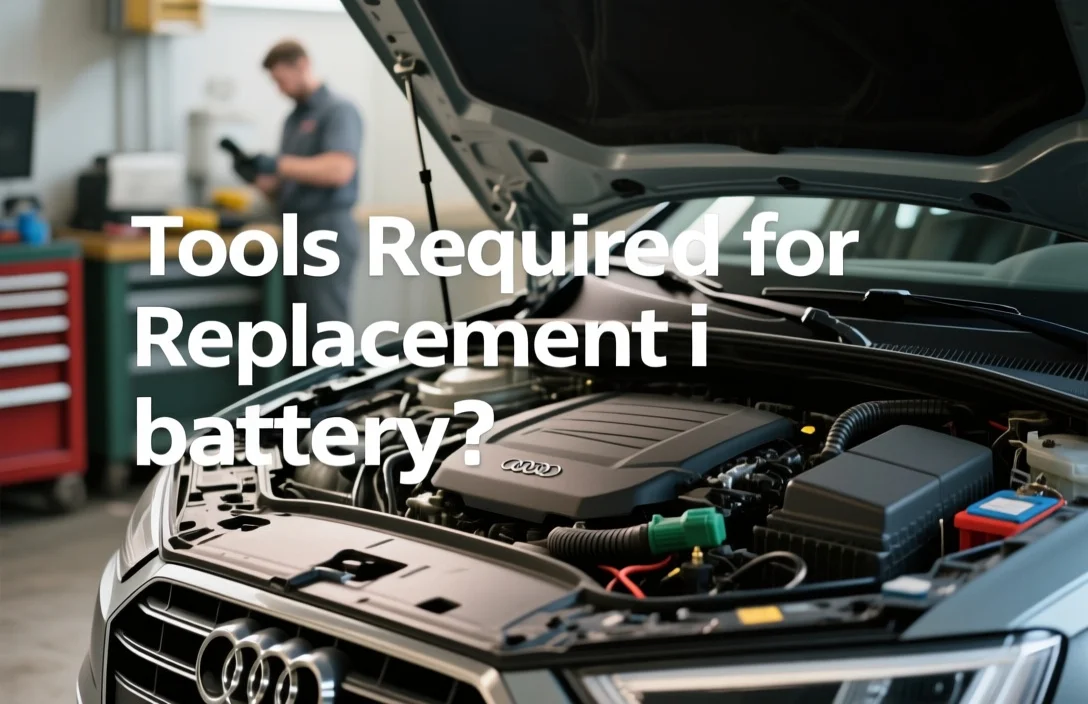
Replacing your Audi battery yourself requires several essential tools to ensure a safe and effective process. Having the right equipment will make the task easier and help avoid potential damage to your vehicle or the new battery.
| Item | Amount/Specification | Notes |
|---|---|---|
| Wrenches | 10mm or 13mm | For loosening and tightening battery terminals and hold-downs. |
| Sockets | Ratchet set | Aids in quick removal of battery hold-down bolts. |
| Battery Terminal Cleaner | N/A | Cleans corrosion from battery terminals for better connectivity. |
| Screwdriver | Flathead and Phillips | For removing any covers or panels if necessary. |
| Gloves | Nitrile or rubber | Protects hands from battery acid and corrosion. |
| Safety Glasses | N/A | Protects eyes from battery acid splashes. |
Step-by-Step Replacement Guide
You can replace many Audi 12 volt batteries yourself if you have basic mechanical skill, the correct replacement battery, and follow vehicle-specific steps; confirm whether your model requires battery registration or a battery management system update before you begin. If you are unsure about registration or coding, check the owner’s manual or contact an Audi service center to avoid post-replacement warning lights or charging issues.
Safety Precautions to Consider

Replacing an Audi battery yourself carries real hazards: sulfuric acid can cause severe burns, batteries can emit flammable hydrogen gas, and automotive electronics can be damaged by improper handling. Take precautions before you touch terminals, lift the unit, or move the old battery for disposal.
For example, if a wrench bridges a terminal and a grounded part of the car, the resulting spark can nick wiring insulation or cause a short that damages control modules; stopping and covering exposed terminals minimizes that risk. If you are unsure about battery location, ventilation, or electrical protections in your specific Audi model, ask a dealer or a qualified technician before proceeding.
If the car has electronic memory, start-stop, or battery management requirements, have the service manual or a technician confirm any reset or coding steps so you do not void warranties or trigger fault codes. When in doubt about safety or access, paying for professional replacement is the safer choice.
Choosing the Right Battery for Your Audi
Yes, you can often replace an Audi battery yourself, but only if you select a battery that matches the vehicle’s required specifications and any start-stop or battery-management requirements. Choosing the wrong chemistry, size, or terminal layout can cause poor fit, warning lights, or the need for dealer coding after installation.
For most owners, the decision logic is straightforward: if you can match size, chemistry, and specs and you accept handling the registration step if required, DIY replacement saves money. If any of those items are uncertain, or if registration is required and you lack the tool, choose professional installation to avoid electrical faults or warranty issues.
Common Issues During Replacement
You can often change an Audi battery yourself, but three problems cause most DIY failures: the new battery physically won’t fit, terminals are corroded or damaged, and the vehicle’s electrical system refuses to accept or register the replacement. Addressing those three issues up front saves time and reduces the risk of triggering fault codes or leaving the car immobilized.
Battery Won’t Fit
Symptom: The new battery slides into the tray at the wrong angle, the hold-down won’t match, or the terminal positions are reversed and the cables do not reach. The car may look normal but the battery cannot be secured, or the terminals are on the opposite end compared with the original.
Cause: Audi models have different group sizes, terminal orientations, and space constraints around the battery, including heat shields, fuse boxes, or wiring harnesses. Aftermarket batteries sometimes use slightly different case dimensions even when the capacity matches, and that small difference can prevent a proper install.
Fix: Check the exact part number or group size listed in the owner’s manual or on the original battery and bring the old battery to the store if possible. If the fit is tight, don’t force it; choose a battery with the same terminal layout and case dimensions, or use the OEM replacement. Secure the battery with the factory hold-down to prevent movement while driving.
Corroded Terminals
Symptom: After swapping the battery, the car has intermittent starting, flickering dash lights, or poor charging behavior and the terminals show white or green buildup. You might also see high resistance when trying to tighten the clamps.
Cause: Corrosion increases contact resistance and can prevent the alternator from charging or the starter from drawing full current. Corrosion can also hide pitting or damaged terminal clamps that will not make reliable contact even after cleaning.
Fix: Remove corrosion with a wire brush and a baking soda solution, or replace badly pitted clamps. Tighten clamps to firm hand-and-wrench torque without over-crushing the terminal. Safety warning: always disconnect the negative terminal first and wear eye protection when cleaning corrosion.
Electrical System Issues
Symptom: Car throws warning lights after replacement, accessories act oddly, or the engine will not start despite a good battery. Sometimes the charging voltage reads low on a multimeter or the battery drains quickly after replacement.
Cause: Modern Audis often require battery registration or BMS updates so the charging system and thermal management work correctly, and removing the battery can reset body control modules. Faults can also come from a weak alternator, parasitic draw, or a blown fusible link that becomes apparent only after swapping the battery.
Fix: If you see persistent warning lights or charging irregularities, stop and read the fault codes with an OBD2 scanner. Verify alternator output and check for parasitic draw before replacing a second battery. If the vehicle requires battery registration, either use a scan tool that supports Audi procedures or have a dealer or qualified shop complete the registration to avoid long-term charging problems.
After Replacement: Testing the New Battery
Once the new battery is installed, confirm it holds charge and the car’s charging system brings voltage up when the engine runs, and make sure no dashboard warnings remain. If voltages, accessory function, or warning lights are abnormal, stop and troubleshoot before driving long distances.
Safety first: keep tools insulated, wear eye protection, and avoid shorting the positive and negative terminals. If the new battery is warm, swollen, or leaking, do not use it and contact the seller.
Recommended Batteries and Retailers
Use a 12 volt battery that matches your Audi’s OEM group size, cold cranking amps, and chemistry, because many Audis have start-stop systems that require AGM or enhanced flooded batteries. Confirm the exact part number and whether a battery management reset or coding is required before purchase.
Check three label items first, the battery group size (physical fit), the CCA or EN rating (cold start performance), and the chemistry type (AGM, EFB, or standard flooded). Also check terminal position and whether your model needs a battery with a built-in sensor for state-of-charge reporting.
| Brand | Typical Chemistry | Strength | Where to Buy |
|---|---|---|---|
| Bosch | AGM / Flooded | Good OEM fit and wide dealer network | Manufacturer dealers, major online retailers |
| Varta | AGM / EFB | Common on European cars, solid CCA ratings | Auto parts stores, online parts specialists |
| Optima | Spiral-wound AGM | Robust, vibration-resistant | Specialty shops, online marketplaces |
| Exide | Flooded / AGM | Broad range, affordable options | National retailers, local stores |
Always verify compatibility with your Audi’s VIN, owner’s manual, or the battery label on the car before ordering; a wrong battery can cause electrical faults or require dealer reprogramming.
Online retailers are convenient for part lookup and home delivery, and some list VIN-compatible parts, but local auto parts stores offer same-day pickup and help with disposal. Dealerships can supply OEM batteries and handle coding, but they often cost more.
For example, if your Audi currently has an AGM labeled battery with a sensor, choose a replacement explicitly listed as AGM and confirm the seller will provide the same sensor option. If the listing is unclear, call the retailer or buy locally to verify fit and service options.
Quick Summary
Yes, you can replace your Audi battery yourself, but precautions and compatibility checks are essential.
Frequently Asked Questions
Can I replace my Audi battery myself?
You can replace your Audi battery yourself, but it is important to follow specific safety guidelines. Ensure you have the correct tools and consult your vehicle’s manual for proper procedures.
What tools do I need for replacing my Audi battery?
You typically need a socket wrench set, a battery terminal cleaner, and safety goggles. Having a battery tester handy can also help ensure the new battery is functioning properly after installation.
How long does it take to replace an Audi battery?
Replacing your Audi battery can take anywhere from 30 minutes to an hour, depending on your experience level and the model of the vehicle. Make sure to allocate enough time to do it safely and correctly.
Are there any safety precautions I should take?
Always wear safety goggles and gloves to protect yourself from battery acid. Additionally, ensure the vehicle is off and the keys are removed to avoid any electrical hazards while working.
What common mistakes should I avoid when replacing my Audi battery?
A common mistake is not disconnecting the negative terminal first, which can lead to short circuits. Also, make sure the new battery is the correct size and type for your Audi model to avoid compatibility issues.