Can A Malfunctioning Solenoid Cause Battery Drain Issues?
Yes, a bad solenoid can silently drain a battery, because the most important spec is continuous current draw in amps. The common mistake is blaming the battery first instead of checking parasitic draw. First check the battery voltage with the ignition OFF and accessories set to OFF or ACC before any tests.
A bad solenoid can drain a battery by allowing continuous current when it should be open, often drawing 0.1 to 2.0 amps; at 1 amp a 50 amp-hour battery will fall significantly in about 48 hours. Confirm by measuring current with a multimeter in series.
What is a Solenoid?
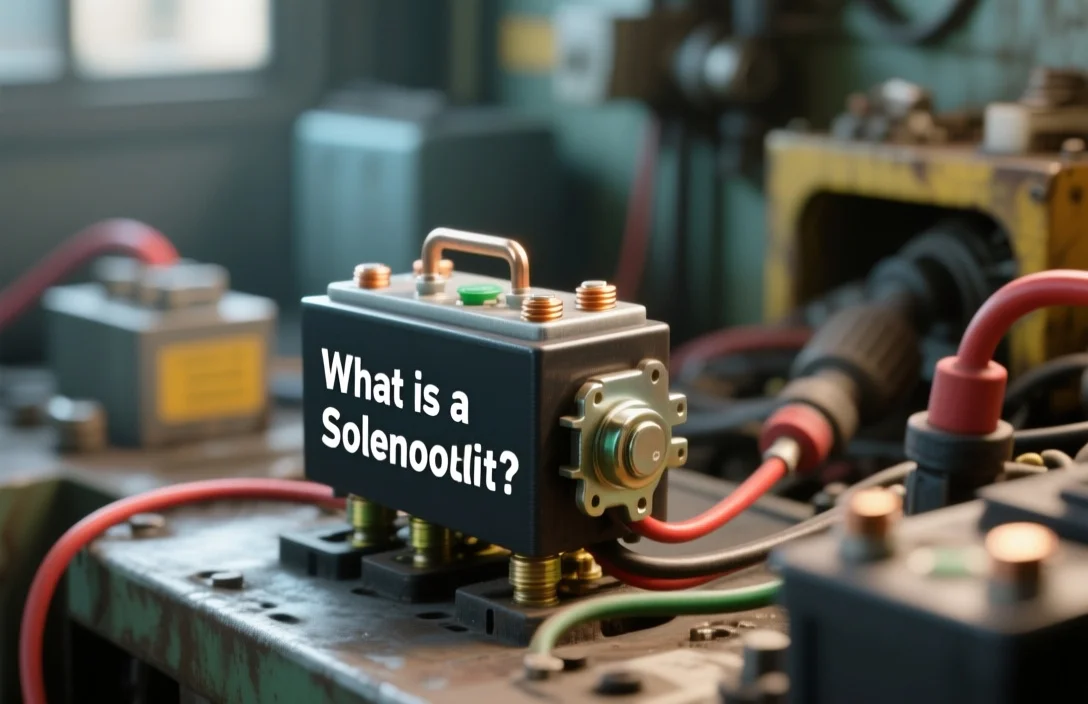
A solenoid is an electromechanical switch that uses a wound coil to pull a metal plunger, closing a set of heavy-duty contacts so battery voltage can feed a high-current device, typically a starter motor or an accessory circuit. It lets a low-current control circuit operate a much larger current path safely and with physical separation.
Internally a typical solenoid has four main parts: the coil, the movable plunger, a return spring, and a contact block or set of contact plates. When the coil gets the control voltage it becomes an electromagnet, the plunger moves, and the contacts meet to complete the high-current circuit; when the coil is de-energized the spring opens the contacts.
Automotive systems use several solenoid styles. The starter solenoid sits on or near the starter and closes the starter motor feed, power distribution solenoids sit in fuse or distribution boxes, and smaller plunger solenoids operate items like fuel shutoff valves or door locks. The term “relay” often describes smaller electromechanical switches, while “solenoid” usually refers to devices built to carry larger currents or to produce linear motion.
| Type | Typical use | Control voltage | Switched current | Notes |
|---|---|---|---|---|
| Starter solenoid | Starter motor connection | Vehicle battery voltage | Very high (starter currents) | Usually integrated with starter or mounted on starter housing |
| Power distribution solenoid | Auxiliary power feeds, winches | 12 V or 24 V | High (accessory loads) | Often used for remote switching of major loads |
| Small relay-style solenoid | Lights, pumps, controllers | 12 V typical | Low to medium | Interchangeable with relays in many circuits |
Because solenoids sit in the high-current path between the battery and a device, they are a key control and safety element in automotive electrical systems; treat them as parts that carry and interrupt significant current.
How Can Solenoids Cause Battery Drain?
Yes, a bad solenoid can drain a battery when the solenoid coil or its contacts stay energized or develop an internal short, creating a continuous current path after the vehicle or device is turned off. That parasitic draw can be small and slowly flatten a battery over days, or large enough to kill a battery overnight if a power circuit is welded closed through the solenoid.
Mechanically, a solenoid is a switch with a coil and movable contacts; when the coil is energized it closes contacts to feed a high-current circuit. If the coil has shorted turns, it draws more current than normal even with the control circuit off, and if the contact pair is stuck closed or fused together, it feeds whatever accessory or starter circuit it controls straight from the battery until the connection is broken.
For example, a starter solenoid that welds closed can leave the starter motor connected to the battery when the ignition is off, producing a heavy drain and possibly smoking or sparking at the battery terminals. For fuel or accessory solenoids, a stuck contact may only draw a few hundred milliamps but still deplete a parked vehicle battery in a few days.
Symptoms of a Bad Solenoid?
Yes, a bad solenoid can drain a battery, and the fastest way to spot that is by looking for loads that remain energized or for abnormal heat and clicking at the solenoid. Typical symptoms include persistent parasitic drain, slow or no cranking, unexpected accessory operation with the key off, and visible signs of overheating or corrosion at the solenoid itself.
For example, owners of auxiliary battery isolators report batteries drained overnight when the isolator’s solenoid stuck closed, leaving house loads connected to the starting battery. In marine or RV systems the symptom often shows as unexpected dead batteries after shore power disconnects.
Practical note: these symptoms point to where to look, not a guaranteed diagnosis. Corroded wiring, failing switches, or control-circuit faults can mimic a bad solenoid, so inspect terminals, listen for clicks, and avoid working on hot circuits without isolating the battery first for safety.
Testing a Solenoid: Step-by-Step
Yes, a bad solenoid can drain a battery if its coil short-circuits or if the main contacts stick closed, because either fault lets current flow when the circuit should be open. A failing solenoid can cause a steady parasitic draw or episodic heavy draws that leave the battery low overnight.
Safety first: work with safety glasses and insulated tools, and disconnect the negative battery terminal when doing bench resistance checks. For live parasitic current measurements, keep the battery connected and use a proper ammeter or clamp meter designed for DC measurements.
For example, a pickup truck with a sticking starter solenoid may click and then leave the battery dead the next morning because the contact sticks, keeping the starter circuit closed long enough to drain the battery. Replacing the solenoid stopped the overnight drain in that case.
| Test | Good result | Bad result |
|---|---|---|
| Coil resistance | Within service manual spec | Open or far below spec |
| Contact continuity | Open when off, closed when energized | Stuck closed or high resistance when closed |
| Parasitic draw | Low resting current | Elevated current that drops when solenoid circuit isolated |
Other Causes of Battery Drain
Yes, a bad solenoid can drain a battery when its coil shorts or its contacts stick closed, creating a continuous electrical path that draws current with the ignition off. However, many other faults produce the same symptom, so verify the solenoid is the source before replacing parts.
A solenoid coil that has internal insulation breakdown can draw current anytime it is energized, and welded or fused contacts can leave starter or accessory circuits connected after the key is off. In addition, a solenoid that partially conducts can heat up and accelerate its own failure, increasing parasitic drain over time.
For example, a vehicle that will not start after sitting overnight, but starts briefly if you tap a particular relay or heat the starter area, often has a stuck relay or wiring fault rather than a constantly drawing solenoid. That tactile or thermal cue narrows the search quickly.
| Cause | Typical draw profile | Quick clue | Next action |
|---|---|---|---|
| Bad solenoid (coil short or stuck contacts) | High, continuous | Warm solenoid, starter engagement or click after shutoff | Replace solenoid if coil short or contacts welded |
| Alternator diode failure | Moderate, continuous | Drains overnight, possible electrical noise while running | Test diodes, service alternator |
| Parasitic modules or aftermarket gear | Low, steady | Slow drain over days, fuse pull isolates circuit | Disable or rewire offending device |
| Wiring short or corrosion | Variable, can be high | Localized heat, visible damage | Repair wiring, protect harness |
| Weak or sulfated battery | Low but appears severe | Fails load test, low resting voltage | Load test and replace if necessary |
Safety: Always disconnect the negative terminal or use a proper fused ammeter when measuring parasitic draw, and wear eye protection; sparks at the battery can cause injury.
If testing shows a high continuous draw and the solenoid is warm or the starter remains engaged, the solenoid is a likely cause and replacement is reasonable. If the draw is low or only happens over days, chase relays, modules, wiring and battery health first, because those are more common and cheaper to fix.
Repair Options for Solenoid Issues
Yes, a bad solenoid can drain a battery if it sticks closed, has an internal short, or its coil remains energized when the circuit should be open. Repair options range from cleaning terminals and replacing the coil or contacts, to installing a correctly rated replacement solenoid or relay.
Common repair indicators are repeated clicks, heat at the solenoid, visible corrosion, or measurable parasitic draw when the system is supposed to be off. If the solenoid is part of a starter, accessory, or winch circuit, symptoms often include slow cranking or a battery that drops voltage quickly after sitting.
Repair versus replace is a tradeoff between cost and reliability. Cleaning and contact dressing can restore service in lower-current applications, but for starter solenoids or accessories that carry large currents, replacement is usually the safer long-term choice.
| Option | Skill Level | Risk | When to Choose |
|---|---|---|---|
| Clean terminals and tighten | Beginner | Low | Visible corrosion, loose connections |
| Contact dressing (file/polish) | Intermediate | Medium | Minor pitting on low-current solenoids |
| Replace coil or contact assembly | Intermediate | Medium | Repairable parts available, lower cost than full unit |
| Install OEM replacement solenoid | Beginner to Intermediate | Low | High-current circuits, starter solenoids |
| Swap for rated relay or call shop | Advanced / Professional | Low to High | When improved reliability or professional wiring is needed |
Rule of thumb: if the solenoid draws current when the control circuit is off or feels hot while idle, replace it rather than patch it.
If you see burned terminals, internal corrosion, or intermittent operation after basic repairs, arrange a replacement or professional service. High-current circuits can ruin batteries and pose fire risk if a failing solenoid is left in service.
Safety Tips for Handling Solenoids
Yes, a bad solenoid can drain a battery, usually by creating a parasitic draw or by sticking closed so the starter or another circuit stays powered with the key off. That drain can be gradual or immediate depending on whether the solenoid coil is shorting, the contact is welded, or an internal fault keeps the circuit energized.
When a solenoid is suspected of causing battery drain, treat the component and its wiring as live until you isolate the battery and verify circuits are de-energized. Batteries can deliver large currents, and a shorted solenoid or wrong test connection will produce heat, sparks, or acid hazards quickly.
| Symptom | Likely cause | Immediate safety action |
|---|---|---|
| Battery drains overnight | Parasitic draw from stuck solenoid contact or coil leak | Disconnect negative terminal, perform draw test with fuse pull |
| Starter stays engaged after key off | Solenoid contact welded closed | Disconnect battery, avoid cranking; remove solenoid for inspection |
| Solenoid very hot | Internal short or excessive current | Power down immediately, allow to cool, replace solenoid |
If a solenoid energizes when the vehicle is off, disconnect the battery before further work, because continued power can quickly discharge the battery and create fire risks.
Trade-offs: testing under power gives definitive results but increases short and injury risk, while bench testing is safer but may not reproduce an intermittent drain. When in doubt, prioritize isolating power and replacing suspect solenoids rather than prolonged powered troubleshooting.
Quick Summary
Yes, a malfunctioning solenoid can drain a battery by allowing continuous current draw when it should be open and off.
Frequently Asked Questions
Can a bad solenoid drain a battery if it sticks closed?
Yes, a stuck solenoid can keep a circuit closed and draw current continuously; you can see coil or load currents in the range of 0.1 A to several amps depending on the device, so a stuck unit can definitely drain a battery.
How do I test whether a solenoid is causing a parasitic battery drain?
You can measure parasitic current by putting a multimeter in series with the negative battery cable and checking for current when everything is off; if you see more than 50 mA it is worth investigating, and sustained draws above 500 mA will noticeably shorten battery life within days.
Can a failing solenoid cause heat or damage to the battery or wiring?
Yes, a shorted coil or welded contacts can pull high current and heat terminals or wiring, and currents of several amps can warm connectors and accelerate corrosion or battery damage, so disconnect if you detect heat or melting.
When should I replace a solenoid to prevent battery drain?
Replace the solenoid if it sticks, has pitted contacts, fails a coil resistance test, or if you measure an off-state parasitic current above 50 mA; don’t wait for total failure, replace when tests or visible damage indicate trouble.
Can buying the wrong replacement solenoid cause continued battery drain?
Yes, the wrong coil voltage or an undersized contact rating can create continuous draw or overheating, so you must confirm the coil voltage is exactly 12 V or 24 V for your system and choose a contact rating that exceeds the expected load, for example > 100 A for starter-type circuits.