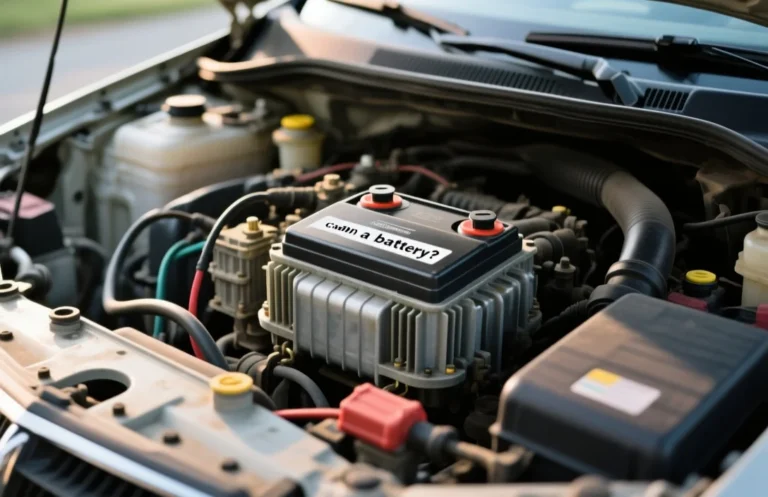
Can A Bad Ground Drain A Battery?
Ground resistance is the single spec that matters most – aim for under 0.1 ohm on automotive grounds. A common mistake is assuming a snug-looking battery clamp is making solid contact when corrosion or paint prevents conductivity. First check: turn off ignition and accessories, then inspect and wiggle the negative battery clamp and the nearby chassis ground bolt.
A bad ground connection can drain a battery by creating an unintended return path that draws current when systems are off. Even a 100 mA leak removes 2.4 Ah in 24 hours, enough to noticeably deplete many 12 V automotive batteries over days or weeks.
Bad Ground Defined
A bad ground connection can lead to battery drain by creating an unreliable electrical path, which results in poor performance of the vehicle’s electrical system. Ground in automotive terms refers to the common return path for electric current; without a solid connection, various components may draw excess current or fail to operate correctly, leading to battery depletion.
Common causes of a bad ground include:
To understand how a bad ground differs from other electrical faults, consider the following:
Symptoms of battery drain due to a bad ground include dimming lights, malfunctioning electronics, or slow engine cranking. To diagnose a bad ground, follow these steps:
Addressing a bad ground can involve cleaning corroded connections, tightening loose bolts, or replacing broken straps. Ensuring a solid ground connection is essential for preventing battery drain and maintaining optimal vehicle performance.
Battery Ground Circuit
Yes, a bad ground can make a battery appear to drain because the negative return path must be low resistance for charging and normal operation, and a high resistance ground forces current through unintended paths or prevents the alternator from topping the battery. That raises voltage drop, lowers charging current, and can create parasitic currents that shorten available runtime.
The electrical path is simple but critical: the battery negative terminal is connected to the chassis or body, the chassis is used as the common return, and the engine block is bonded to that chassis so the starter and alternator cases return current to the battery negative. The starter draws heavy current from the battery positive through the starter motor into the engine block, and that return flows back via the ground strap or cables to the battery negative.
The alternator case and voltage regulator are grounded to the engine/chassis, so any resistance in the ground path changes the regulator’s sense of system voltage. If the regulator sees a lower voltage because of ground resistance, it may undercharge, or alternator output may drop across the bad connection instead of charging the battery. Alternator diodes or internal connections can also leak through alternate returns when the primary ground is poor.
| Fault seen | Quick diagnostic | Likely fix |
|---|---|---|
| Low charging at idle | Voltage at battery vs alternator case | Tighten/replace ground strap, clean contacts |
| Intermittent electronics | Wiggle test on ground connections | Replace corroded grounding bolt or cable |
| Parasitic draw persists | Voltage-drop under known load | Trace and repair alternate return paths |
Safety: always disconnect the negative battery terminal before loosening major ground straps or doing chassis electrical repairs, and replace badly corroded cables rather than trying to jury-rig them.
How Ground Causes Drain
A poor ground connection can indeed drain a battery by introducing high resistance that leads to voltage drops, causing inadequate charging and creating conditions for parasitic draws. Ground faults can result in electrical components misbehaving, and chassis shorts can establish alternate current paths that lead to continuous battery drainage.
When grounding issues occur, they may manifest in various ways:
Diagnosing a bad ground requires careful inspection. Check the ground connections for corrosion, loose wires, or signs of wear. A multimeter can be used to measure voltage across the ground connections to detect high resistance. If a bad ground is confirmed, repairing or replacing the ground wire and ensuring proper connections can restore battery performance and prevent future drainage issues.
Addressing grounding problems is critical for maintaining battery health. Proper grounding ensures that the electrical system operates efficiently, minimizing the risk of parasitic draws and ensuring that the battery charges effectively. Regular checks on ground connections can help avoid potential battery drainage in the long run.
Symptoms of Ground Drain
A bad ground can lead to several distinct symptoms indicating battery drain issues. These signs help in diagnosing whether grounding problems are the source of battery loss, rather than other potential causes.
Being aware of these symptoms can help in identifying grounding problems that may lead to battery drainage. Addressing these issues quickly can prevent further complications and extend battery life.
Ground Diagnostic Checklist
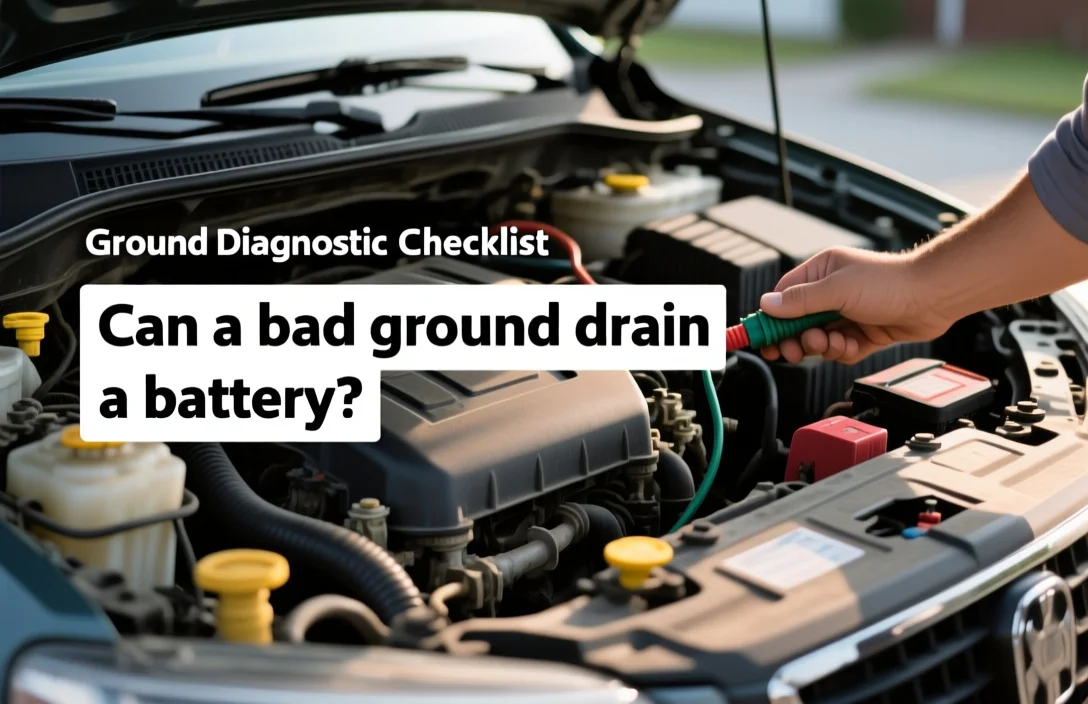
A high-resistance or intermittent ground can cause a measurable drain by forcing return current through unintended paths and creating voltage drop that wakes circuits or makes charging inefficient. Use a step-by-step set of tests to find and fix bad grounds: visual/clean/tighten, continuity and voltage-drop checks under load, and a controlled parasitic-draw isolation sweep.
Interpreting readings and false positives. Small transient currents or a few tenths of a volt across grounds during cranking are usually normal; persistent voltage under steady load, or a steady extra current when everything should be asleep, points to a real grounding or circuit issue. False positives happen when a module is awake (security, infotainment updates), when the meter is left in the wrong range, or when the vehicle’s key or hood switch keeps circuits active.
Trade-offs: a clamp ammeter is quick and safe for most parasitic checks but must support DC, while a series multimeter measurement is more accurate but requires working with the battery disconnected. If tests are inconsistent or you see heat, swelling, burning smell, or broken insulation, stop and seek professional service, because those are safety-critical signs beyond simple grounding fixes.
Repair Options & Help
A bad ground connection can lead to significant battery drain due to intermittent electrical flow or parasitic draws. Symptoms of a grounding issue include dimming lights, erratic electrical behavior, or difficulty starting the vehicle. Addressing these issues involves several practical repair steps.
Regular maintenance of ground connections significantly reduces the risk of battery drain and enhances overall vehicle reliability. Address any signs of corrosion or wear promptly to maintain a solid electrical system.
Preventing Ground Problems
Yes, a bad ground can and often will drain a battery, because high resistance at the ground connection reduces charging efficiency and can create a parasitic return path that draws current when the vehicle or system is off. Fixing grounding faults restores normal charging, prevents chronic undercharging, and stops the slow capacity loss that looks like a bad battery.
Common symptoms of a grounding-related drain are a battery that falls to low voltage overnight, dim or flickering lights, slow cranking despite a healthy starter, or voltage readings that change when you tighten or move ground connections. You may also see elevated charging voltage at the alternator with a lower voltage at the battery terminal, which points to resistance in the ground or positive wiring.
Best installation and maintenance practices stop grounding faults before they cost a battery. Use the correct cable gauge for distance and expected current, route cables to avoid chafing and heat sources, and always remove paint under lug contact so metal-to-metal mating is solid.
| Task | Frequency | Pass / Fail check |
|---|---|---|
| Visual terminal and strap check | Monthly | No paint under lugs, no green/white corrosion |
| Torque and tightness | After 1 week of service, then quarterly | Lugs at spec, no movement |
| Voltage drop test under load | Annually or if symptoms | <0.2 V drop target |
Replace any cable or lug with visible corrosion, broken strands, or intermittent continuity; these are safety-critical failures, not cosmetic issues.
Storage and heat management also protect grounds and batteries. Store batteries at the manufacturer recommended state of charge and temperature, and avoid placing battery cabling near exhaust, headers, or hot inverters which accelerate corrosion and insulation breakdown.
Safety note: disconnect batteries before work, follow torque specs, wear eye protection, and verify repairs with a voltage drop test. If you see persistent parasitic draw after fixing grounds, escalate to a professional electrical diagnosis rather than repeatedly replacing batteries.
Quick Summary
A bad ground can indeed drain a battery by creating unintended electrical paths that lead to energy loss.
Frequently Asked Questions
Can a bad ground connection drain my battery?
Yes, a bad ground can cause excessive current draw, which may lead to battery drain. If the ground connection is compromised, it can create resistance that causes components to malfunction, potentially draining your battery faster than normal.
What are the signs of a bad ground affecting battery performance?
Common signs include dimming lights, erratic electrical behavior, or failure of components to operate properly. If you notice these symptoms, it is advisable to check the ground connections as they may lead to battery drain.
How can I check if my ground is causing battery issues?
You can use a multimeter to test the resistance of the ground connection. A reading above 0.1 ohms typically indicates a problem that could lead to battery drain.
Is it safe to drive with a bad ground connection?
Driving with a bad ground is not recommended, as it can lead to electrical failures that may compromise vehicle safety. It is best to resolve any grounding issues as soon as possible to avoid battery drain and other complications.
What should I do if I suspect a bad ground connection?
You should inspect the ground wires and connections for corrosion or loose fittings. If you’re not comfortable doing this yourself, it is wise to consult a professional mechanic to ensure the issue is fixed properly.