Can You Revive A Dead Car Battery?
Most car batteries are 12 volt lead-acid packs, and “dead” can range from a simple discharge to permanent cell damage. You can sometimes revive a dead battery, but the single most important spec is the resting voltage. The common mistake is slamming a high-amp charger or jump-start at random, so check the battery voltage and set your charger to 12V first.
Can you revive a dead car battery? Sometimes, if the battery has no physical damage and its resting voltage is above about 10.5 to 11.5 volts, a controlled charge on a smart 12V charger for roughly 8 to 24 hours can restore it; below about 10.5 volts, replacement is likely.
Diagnose a dead battery
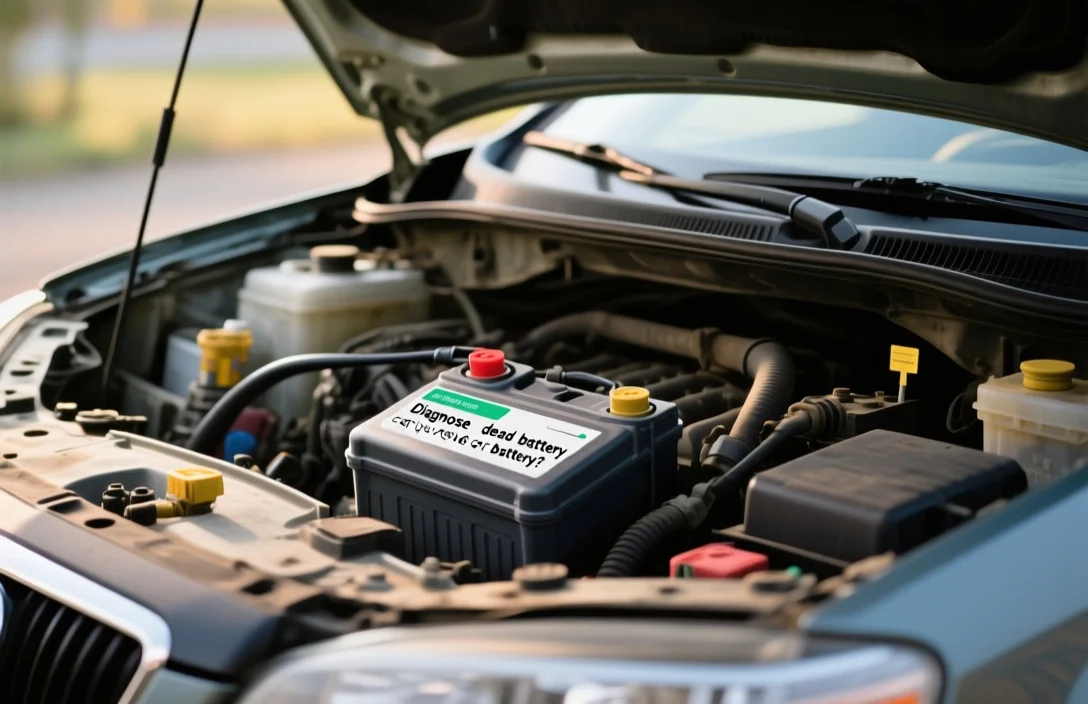
A truly dead 12 volt car battery usually shows a low resting voltage and fails a cranking or load test, not just a temporary inability to start. Rough benchmarks most technicians use are: a rested voltage above 12.6 volts is effectively full, about 12.4 volts is near 75 percent, and readings at or below 12.0 volts indicate a deep discharge that reduces the chance of a simple revival.
Why car batteries die
A car battery dies when it can no longer deliver the voltage and cranking current the starter and electronics need, because either its usable capacity has fallen or it has developed an internal electrical fault. Some causes can be fixed or improved with the right charging and repair, while others cause irreversible damage that means replacement.
For example, a 4-year-old battery that fails to start after sitting will often be a mix of age loss and some sulfation; a shop charge and test will show whether it can hold CCA current or if capacity is below safe limits. If the case is swollen, cracked, or leaking, charging should be avoided and the battery replaced.
In practice, reversibility is a judgement based on symptoms: recoverable cases show low state of charge with intact case and good surface condition, while visible damage, severe sulfation, persistent low voltage after charging, or intermittent shorting point to permanent failure and replacement. Always prioritize safety when handling, charging, or testing a battery that appears damaged.
Can you revive it?
You can sometimes revive a dead car battery, but success depends on what failed and how long the battery has been in that state. Batteries that died from deep discharge or surface sulfation are often recoverable to useful, if reduced, capacity; batteries with a physically failed cell, shorted plates, or damaged case usually cannot be restored safely and must be replaced.
“Revived” can mean very different things in practice. Partial recovery means the battery will accept charge and let the vehicle start, but it will have reduced reserve capacity and a shorter remaining life. Full recovery, returning the battery to near-original capacity and reliability, is uncommon unless the problem was early-stage sulfation or a temporary long discharge.
| Condition | Likelihood of useful revival | Recommended decision |
|---|---|---|
| Deep discharge, intact case | Probable partial revival | Attempt controlled charging, then full load/capacity test |
| Surface sulfation, moderate age | Possible with slow charge or desulfator | Try controlled recovery, monitor capacity, plan replacement |
| Dead cell or shorted plates | Unlikely | Replace battery, do not attempt aggressive charging |
| Physical damage, leaks, swelling | None | Replace immediately and handle as hazardous waste |
Safety note: never try to revive a battery that is cracked, leaking, swollen, or smells of acid or rotten eggs; charging a physically compromised battery can cause fire or explosion.
Weigh the risks and costs before attempting revival. If you must buy special chargers or desulfators, compare that cost to a new battery and consider the likelihood of only temporary recovery. For reliable daily use and safety, replace batteries with irreversible damage or when repeated recoveries become frequent and short-lived.
Practical revival methods
Yes, you can sometimes revive a dead car battery, but success depends on the failure mode: simple discharge, surface sulfation, or irreversible plate or case damage. Short-term recovery is common with jump-starting and controlled charging, while deep sulfation or physical damage often requires reconditioning or replacement.
Before any attempt, check for physical damage and safety risks, and work outdoors or in a well-ventilated area. Do not attempt revival if the battery is swollen, cracked, leaking, or very hot. Disconnect accessories and wear eye protection and gloves.
Smart chargers are the safest revival tool after a jump or for a discharged battery. A charger with bulk, absorption, and float stages restores charge in phases, prevents overheating, and can monitor charge acceptance to indicate health.
Slow charging is better for revival than repeated high-current boosts, because lower current lets sulfated plates reaccept sulfate deposits more gently and reduces heat stress. High-current boosts can get a car started, but they do not fix sulfation and can mask underlying failure.
| Method | When to use | Timeframe | Main risk |
|---|---|---|---|
| Jump-start | Car won’t start but battery intact | Minutes | Wrong polarity, sparks |
| Smart charger | Discharged battery, ongoing charging | Hours | Overheat if charger mismatch |
| Slow trickle | Maintenance or mild sulfation | Hours to days | Too slow if cell shorts exist |
| Desulfator / reconditioning | Surface sulfation suspected | Hours to days | Limited effectiveness on heavy damage |
| Professional reconditioning | Deep sulfation, cell imbalance, valve-regulated flooded cells | Days | Cost vs new battery |
Desulfators apply high-frequency pulses or controlled over-voltage cycles to break crystalline sulfate on plates; chemical additives claim similar effects but have mixed results. These methods can help lightly sulfated batteries, but they are not guaranteed and take time.
For example, if the battery has no visible damage and accepts a slow smart charge, try a full charge and monitor charge acceptance. If one cell refuses to hold charge, or voltages are uneven between cells, stop and consult a professional.
Replace the battery immediately if it is leaking, bulging, catching fire, or if a charged test shows permanently low capacity despite proper charging attempts.
Charger compatibility and specs
Many 12 volt lead acid car batteries that are deeply discharged can be recovered with the right charger and settings, but batteries with shorted cells, severe physical damage, or evidence of permanent sulfation are often not salvageable. The charger must match the battery’s nominal voltage, chemistry, and a safe charge current for the battery’s amp-hour rating.
12 volt is the nominal system voltage for typical automotive lead acid batteries, which actually contain six cells in series. Amp-hour, or Ah, is the battery’s stored capacity and tells you how much current it can deliver for a given time; CCA, cold cranking amps, measures short term starting ability at low temperature and does not indicate reserve capacity or state of health.
Practical rule: match voltage and chemistry, pick a smart charger with a recovery mode, and choose a conservative charge current based on Ah; if the battery overheats, bulges, or leaks during charging, stop and replace the battery.
Safety and failure signs
You may be able to revive a car battery that is simply deeply discharged, but many dead batteries are unsafe to attempt to revive because they can emit hydrogen, leak sulfuric acid, overheat, or swell. If you see cracked cases, bulging, a strong rotten-egg smell, or the battery is extremely hot to the touch, stop and treat the unit as unsafe for revival.
Immediate safety first: put on eye protection and acid-resistant gloves, work outside or in a very well ventilated area, and keep all flames, sparks, and smoking materials far away. Remove metal jewelry and turn off car electronics to reduce spark risk when handling terminals.
For example, if you connect a charger and the battery begins to bulge or emits a rotten-egg odor within minutes, you must disconnect, move to a ventilated area, and contact a professional for disposal. Do not try to force a badly damaged battery back into service.
Buying checks and replacement triggers
You should replace a car battery when age, physical damage, or internal shorting make recovery unreliable, because a “revived” battery often fails again soon and can strand you. Revival attempts are reasonable only for recently discharged batteries with no case damage and with low sulfation that responds to proper controlled charging.
Replace rather than try to revive when any of these apply: the case is swollen, cracked, leaking, posts or terminals are badly corroded beyond cleaning, the battery repeatedly drops voltage under light load, or its calendar age is past the manufacturer warranty and service life. Also replace if a shop’s load test shows internal cell imbalance or very low reserve capacity.
| Spec | What to verify |
|---|---|
| Group size | Tray fit, hold-downs, terminal spacing |
| CCA | Equal or higher than vehicle requirement |
| Reserve capacity | Equal or higher for similar accessory load |
| Chemistry | Match flooded vs AGM vs other specified types |
Manufacture date and warranty – Read the stamped manufacture date code on the battery; avoid buying new batteries that are already several months old. Check the warranty terms for pro-rata vs full replacement and understand any requirements for installation proof or registered activation.
Return and recycling: most retailers accept core returns for a credit, and automotive stores must recycle lead-acid batteries. Keep the old battery sealed and upright during transport, and do not attempt to ship it yourself if it is cracked or leaking, instead tell the retailer so they can handle it safely.
Replace when the battery is old, physically damaged, fails a load test, or cannot hold charge after controlled charging; only attempt revival for recent, undamaged batteries and always confirm specs when you buy a replacement.
Quick Summary
Often you can revive a dead car battery with testing and a proper slow smart charge, but some batteries are unrecoverable.
Frequently Asked Questions
Can you revive a dead car battery with a regular charger?
You can sometimes revive a discharged lead-acid car battery with a smart charger, and it helps if the resting voltage is above 12.0 V; use a charger with a slow or maintenance mode set between 2 A and 10 A rather than a high-current boost.
How long will it take to revive a dead car battery?
You can expect charging to take anywhere from a few hours to a full day depending on charger current and battery capacity; for example, putting 10 A into a 50 Ah battery will add about 10 Ah per hour, so plan accordingly.
Is it safe to try reviving a dead car battery at home?
You can attempt it if you work outdoors or in a ventilated area, wear eye protection and gloves, and keep sparks and flames away because the battery can emit hydrogen gas; many chargers use an absorption voltage near 14.4 V, so use a charger with automatic voltage control.
When should you stop trying to revive a dead car battery and replace it?
You should stop and replace the battery if it fails to hold charge after a couple of full charge cycles, shows visible case damage or swelling, or its resting voltage remains below 12.0 V after charging, especially if the battery is older than about 3 to 5 years.
What common mistakes cause a revive attempt to fail?
You can avoid failures by testing the battery before charging with a multimeter for resting voltage and checking terminals for corrosion, because common mistakes are using the wrong charger current, ignoring terminal corrosion, or trying to revive a physically damaged battery; check for a resting voltage under 12.0 V before you start.