Do Boat Motors Charge The Battery?
Many boat engines do provide charging, but whether your battery actually gets charged depends on the charging system and settings. The key spec is the charging voltage and regulator behavior, not just engine hours. A common mistake is assuming engine charging will revive a dead battery, so first check the battery selector switch and terminal voltage.

Do boat motors charge the battery? Yes, engines with an alternator or stator and a working voltage regulator will charge a 12V battery at about 13.6 to 14.8 volts while running; small electric trolling motors usually do not charge, and engine charging will not quickly recover a deeply discharged battery.
How boat motors charge
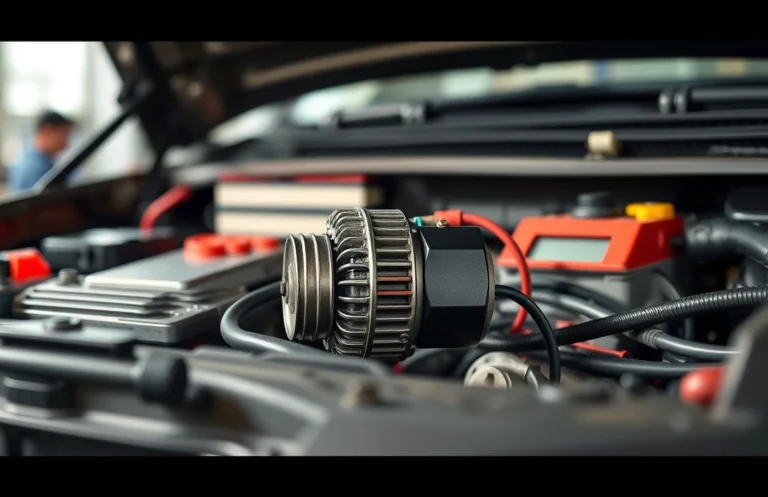
Yes, internal combustion boat motors charge the battery when they drive a generator (alternator or magneto/stator) that produces AC or variable current which is converted to regulated DC and fed back to the battery. Whether the battery actually gains usable charge depends on engine RPM, the regulator and rectifier condition, belt and wiring integrity, and the battery’s state of charge.
Charging components have distinct roles: the alternator or stator is the rotating generator that produces alternating current, the rectifier (diode pack) turns that into direct current, and the regulator holds voltage and limits current to safe levels for the battery. If any of those parts fail, or if wiring, fuses, or isolation devices are wrong, the system will not charge correctly even with the engine running.
When a running engine will not charge: common reasons are low RPM, a slipped or broken alternator belt, a failed regulator or rectifier, or wiring problems including blown fusible links. Also, if the battery is badly sulfated or damaged, it may not accept charge even though the alternator is producing correct voltage.
For example, small outboard motors at slow trolling speeds often produce insufficient output to recharge a battery, while cruising at higher RPMs will produce usable charging current. If you need reliable recharge from low-speed running, consider dedicated charging accessories or a higher-output alternator.
Electric trolling motors do not charge the battery because they are motors only, not generators, and they have no rectifier or regulator to feed battery charging current back. Unless a specific boat is fitted with a hybrid motor-generator or explicit regenerative system, assume your electric motor will only drain the battery.
Alternator vs Shore Charger
Yes, a running boat motor charges the battery through its alternator, but that onboard charging is usually less controlled than a shore-power multi-stage charger and may leave batteries undercharged or stressed if relied on alone. Shore chargers provide deliberate multi-stage profiles and temperature compensation that finish and maintain batteries more safely over time.
Shore chargers use multi-stage charging, typically bulk, absorption, and float, with selectable profiles for flooded, AGM, gel, and sometimes lithium batteries plus temperature compensation. That staged control finishes the charge and reduces sulfation risk on lead-acid batteries while avoiding overcharge damage.
Alternator-only charging is convenient while underway because it supplies current during engine operation and recharges partially depleted batteries. However, most factory alternator regulators are simple voltage limiters, they may not complete absorption or float stages properly, and they often lack temperature sensing or battery-specific profiles.
| Feature | Onboard Alternator | Shore Power Smart Charger |
|---|---|---|
| Charge stages | Often single-stage or two-stage depending on regulator, variable by RPM and load | Multi-stage (bulk, absorption, float, sometimes equalize), selectable for battery type |
| Control | Voltage regulator only, limited temperature compensation | Microprocessor control, temperature compensation, programmable profiles |
| Best use | Topping up while underway and starting power | Full recharge, long-term maintenance, and balancing banks |
| Battery health | Can leave batteries partially charged, increasing sulfation risk for lead-acid | Finishes charge and maintains state of charge, extends life when set correctly |
| When insufficient | After long anchoring, deep discharge, or mixed battery chemistries | When shore power is unavailable or for rapid top-up underway (limited) |
For example, cruising all day on an alternator will restore some charge, but if the house bank was deeply discharged the alternator may never reach the correct absorption time to fully refill the plates. Plugging into shore power or using a shore-style multi-stage DC charger at the next opportunity completes the charge and reduces capacity loss.
Safety note: Never mix incompatible charge profiles; verify charger settings for your battery chemistry and ensure wiring, fuses, and grounding meet marine electrical standards to avoid overheating or damage.
Charging rate and capacity
Yes, a running boat engine usually charges the battery through its alternator, but how fast the battery recharges depends on the alternator’s amp output, the battery’s amp-hour (Ah) capacity and acceptance rate, and any electrical loads running at the same time. The practical charging current to the battery is alternator output minus onboard loads, then modified by the battery’s ability to accept current as it approaches full voltage.
Read three numbers on labels: battery voltage (12V, 24V), battery capacity in amp-hours (Ah), and the alternator’s rated output in amps. Also check battery specs for maximum recommended charge current or C-rate and whether the battery has an internal battery management system or requires an external regulator.
For example, if an alternator is rated 60 amps, the boat is using 10 amps for electronics, and the battery is 100 Ah, the raw net is 50 amps. Assuming a conservative acceptance factor of 0.7 during much of the recharge, 100 Ah / (50 A 0.7) gives roughly 2.9 hours to approach full, but actual time will increase because current tapers during absorption and topping phases.
Battery types and compatibility
Boat motors can charge batteries, but the effectiveness of this charging depends on the type of battery used and the motor’s charging system. Different battery chemistries, such as flooded, AGM, gel, and lithium, require specific charging voltages and profiles, which must be compatible with the boat’s alternator and regulator.
Compatibility between the alternator and the battery type is crucial. Most alternators are designed to charge flooded and AGM batteries effectively, but may not be ideal for gel or lithium. For lithium batteries, consider adding a DC-DC charger to ensure a proper charging profile. These devices can adjust the output voltage and current to match the battery’s specifications, providing safer and more efficient charging.
Monitoring battery temperature is also important, especially with lithium batteries. High temperatures can affect charging efficiency and safety. Installing a temperature sensor can help protect the battery by adjusting the charging rate based on temperature readings.
In summary, while boat motors can charge batteries, understanding the specific needs of each battery type and ensuring compatibility with the charging system is essential for optimal performance and longevity.
Common charging problems
Boat motors can charge batteries through the alternator, but common issues can prevent effective charging. Symptoms like low battery voltage, gassing, or slow charging indicate potential problems with the charging system.
By addressing these common issues, you can ensure your boat motor effectively charges the battery, maintaining its health and readiness for use. Regular maintenance of the electrical system will help prevent future charging problems.
Battery safety and storage
Boat motors can charge batteries while the engine is running, typically through an alternator system designed to maintain the battery’s charge. However, this charging method may not fully replenish a depleted battery, especially under high-demand conditions.
To ensure safe and effective battery charging while using a boat motor, consider the following practices:
In practice, always inspect the battery and charging system regularly. Be aware of any unusual behavior during charging, such as strange noises or excessive heat. If any issues arise, consult a professional for assessment and repair. Prioritizing these safety measures can greatly enhance the longevity and reliability of your boat’s battery system.
Buying and installation checks
Boat motors can charge batteries through an onboard alternator while the engine runs, but ensuring compatibility and reliability requires careful selection and installation of components. Matching the alternator output to the battery bank and selecting the right regulators and wiring is essential for effective battery maintenance.
Start by determining the alternator’s output capacity in amps and ensure it meets or exceeds the demands of your battery bank.
For instance, if you have a 100Ah battery bank, an alternator that can provide at least 20-30 amps is generally sufficient to keep it charged during typical use.
Selecting the right regulator is also critical. A voltage regulator maintains consistent voltage levels for charging, preventing overcharging that can damage batteries. Here are key points to consider:
DC-DC chargers can be particularly useful for charging lithium batteries from the alternator, as they ensure proper charging profiles. It’s advisable to verify:
Wiring and cable routing must also be checked for optimal performance. Use appropriately sized cables to minimize voltage drop and ensure safe operation. The following checklist can help:
| Cable Size (AWG) | Max Distance (ft) | Max Current (amps) |
|---|---|---|
| 10 | 10 | 30 |
| 8 | 15 | 40 |
| 6 | 20 | 55 |
When hiring a professional installer, ask the following questions:
Lastly, verify that the installation complies with marine safety standards to avoid electrical hazards. Regular maintenance checks will help ensure that your boat’s motor effectively charges the battery, keeping your power system reliable while on the water.
Quick Summary
Yes, most boat engines can charge onboard batteries while running, but charging effectiveness depends on alternator output and battery type.
Frequently Asked Questions
Do boat motors charge the battery and work with my 12 V deep-cycle house battery?
You can have your motor charge a 12 V deep-cycle house battery, but your motor must be wired to a 12 V charging system and the alternator/regulator must be compatible with deep-cycle batteries, so check the alternator label for voltage and amperage specs before relying on it.
Can running the boat motor to charge the battery cause the battery to overheat?
You can cause excess heat if the regulator or alternator is faulty or set too high, and battery temperature and gassing rise if charging voltage exceeds about 15 V, so monitor voltage at the terminals and stop charging if the battery gets hot to the touch.
How long do I need to run the motor to recharge a drained battery?
You should calculate time using amp-hours divided by charging current, for example to replace 50 Ah at a 20 A charging rate takes roughly 2.5 hours; check your alternator current rating and battery amp-hour capacity for an accurate estimate.
Is it safe to rely only on the boat motor to maintain batteries long term?
You should not rely solely on the motor for long-term maintenance because alternators often do not provide a proper multi-stage charge, and using a dedicated multi-stage charger or maintainer is recommended for storage or long periods between use to avoid undercharging and shortened battery life.
What is a common buying mistake related to believing boat motors will charge the battery?
You often see people buy the wrong battery type assuming the motor will keep it healthy, and buying a starting battery instead of a deep-cycle battery can dramatically reduce usable capacity and cycle life for house loads, so match battery type and amp-hour rating to your usage and confirm the charging system supports that battery type.

- Top 10 Best Solar Backup Batteries Austin 2026 - July 28, 2026
- Top 10 Best Solar Battery Charger For Rv 2026 - July 28, 2026
- Top 10 Best Solar Charger For Trolling Motor Battery 2026 - July 28, 2026