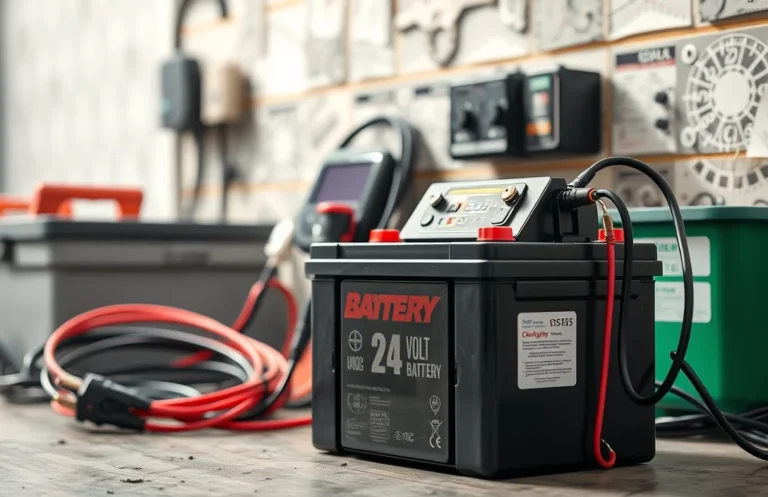
Do Car Batteries Recharge Themselves?
13.7 – 14.7V is the charging window your car must hold to actually replenish the battery, that’s the spec that matters most. Car batteries do not recharge themselves when parked, they are topped up by the alternator or regenerative system while the vehicle runs. Common mistake: assuming a short drive or jump completely restores a deeply discharged battery, so first check the battery’s resting voltage with a multimeter set to DC volts and note the battery type (lead-acid, AGM, EFB, or lithium).

Car batteries do not recharge themselves when parked, they are charged while the engine runs by the alternator or, in hybrids/EVs, by a DC-DC system and regenerative braking; resting voltages show SOC: 12.7V ≈ 100%, 12.2V ≈ 50%, charging should be 13.7 – 14.7V.
Short Answer + Numbers
Short answer: no, a car battery does not magically recharge itself while sitting; the vehicle’s charging system, usually the alternator or regenerative systems in hybrids and EVs, is what recharges it when the engine runs or the vehicle regenerates. Resting voltages to check are: 12.7V ≈ 100% state of charge, 12.4V ≈ 75%, 12.2V ≈ 50%, and below 12.0V indicates a deeply discharged battery.
When the engine runs the charging target voltage at the battery is typically 13.7 to 14.7 volts, which is what the alternator or on-board charger provides. Parasitic current draw while the car is off should usually be under 25 to 50 milliamps; sustained draw above 100 milliamps usually indicates a problem that will drain a battery overnight or over several days.
| Measurement | Value | Meaning / Action |
|---|---|---|
| Resting voltage (engine off) | 12.7V | ~100% state of charge |
| Resting voltage (engine off) | 12.4V | ~75% SOC |
| Resting voltage (engine off) | 12.2V | ~50% SOC |
| Resting voltage (engine off) | <12.0V | Deeply discharged, needs charging or replacement |
| Charging voltage (engine running) | 13.7 – 14.7V | Normal charging range |
| Parasitic draw (vehicle off) | <25 – 50mA normal | >100mA problem |
If battery resting voltage is below 12.0V or the alternator does not supply about 13.7 – 14.7V with the engine running, use a dedicated charger and perform a health test; do not rely on driving alone to revive a weak battery.
For example, a common 50 amp-hour lead-acid car battery that is at 50% SOC needs roughly 25 amp-hours to return to full. If the charging system provides a net 20 amps of charging current to the battery, expect several hours of running time to approach a full charge, but real-world rates vary with alternator load, engine RPM, and battery condition.
How Charging Happens
Yes, a car battery is recharged while the engine runs, but it does not “self-recharge” by magic; the alternator produces electrical energy that replaces the charge used to start and run the vehicle. Alternator output is rectified and regulated, and hybrids or EVs handle 12 volt charging differently than conventional cars.
The alternator is a belt-driven AC generator that uses coils and magnets to make alternating current. Inside the alternator, a set of rectifier diodes turns that AC into DC, which the battery can accept.
The voltage regulator controls how much voltage the alternator supplies to the electrical system and battery. Typical regulation targets are above battery resting voltage, so the alternator forces current into the battery until the battery voltage reaches the regulator set point.
Consumer battery chargers use stages called bulk, absorption, and float; an alternator does a simpler version of those stages. When a battery is low, the alternator supplies higher current until voltage rises, then the current tapers as voltage approaches the regulator set point, and finally the system holds a lower steady voltage while the engine runs.
For hybrids and EVs, regenerative braking returns energy to the high-voltage traction pack, not directly to the 12 volt battery. The vehicle uses a DC-DC converter to keep the 12 volt battery charged, so 12 volt charging behavior can differ from a conventional alternator and may depend on the vehicle’s control logic.
Batteries left parked lose charge for two reasons, chemical self-discharge and parasitic electrical draws from clocks, security systems, modules, and poorly wired accessories. Over weeks, chemistry and sulfation can reduce recoverable capacity; overnight, a milliamps-level parasitic draw can still flatten a weak battery.
If you want to confirm whether driving alone will restore a specific battery, measure resting voltage, then measure charging voltage and current while running, and compare to the checklist above. Call a shop if voltages are out of range, if the battery repeatedly falls below 12 volts after charging, or if you see swelling, overheating, or leaking.
Battery Chemistry Differences
Car batteries do not recharge themselves independently; they require an external charging source. Lead-acid batteries, including flooded, AGM, and EFB types, charge when the engine runs and the alternator produces a voltage typically between 13.8 to 14.4 volts. In contrast, automotive lithium batteries, like LiFePO4, utilize a Battery Management System (BMS) to regulate charging and are not designed for float charging, which can lead to damage.
Lead-acid batteries are sensitive to overcharging and require careful monitoring of voltage levels during charging. Their typical charging voltage range is between 13.2 volts (when fully charged) and 14.4 volts (during charging). If the voltage exceeds these limits significantly, it can cause gas venting and electrolyte loss, leading to sulfation and reduced lifespan.
Automotive lithium batteries have a more rigid charging profile due to their BMS, which prevents overcharging and undercharging. They typically require a charging voltage of around 14.6 to 14.8 volts. Unlike lead-acid batteries, lithium batteries do not charge effectively at lower voltages and can be damaged if allowed to float charge for extended periods.
Charging Compatibility and Considerations
When considering charging compatibility, it is essential to check the alternator profile for lead-acid batteries, as they can handle higher voltages during charging. However, for lithium batteries, ensure that the alternator is compatible with their charging requirements to avoid damaging the BMS. Additionally, DC-DC chargers can facilitate proper charging of lithium batteries from a lead-acid source.
Another factor to consider is the vehicle’s stop-start system, which can impact how batteries recharge. In hybrids and electric vehicles, regenerative braking can recharge the battery while driving, but this is contingent on the vehicle’s design and battery management. A dedicated charger may be more effective for recharging a battery that has been significantly discharged compared to relying solely on driving.
To ensure optimal battery performance, always check the owner’s manual or battery label for specific charging requirements and limits. This will provide guidance on the type of charger needed and any particular voltage or current specifications to adhere to for safe operation.
| Battery Type | Typical Charging Voltage | Charging Sensitivity | BMS Requirement |
|---|---|---|---|
| Lead-Acid (Flooded/AGM/EFB) | 13.2 – 14.4 volts | High sensitivity to overcharging | No BMS required |
| Automotive Lithium (LiFePO4) | 14.6 – 14.8 volts | Rigid charging profile | BMS required for safe operation |
Step‑by‑Step Diagnostics
Car batteries do not recharge themselves while sitting idle; they rely on the alternator to recharge when the engine is running. If your battery is not recharging properly, diagnostic tests can help identify the issue with the battery or the vehicle’s charging system.
These tests will help you identify whether the battery, alternator, or another component is at fault. If issues persist after these checks, consider consulting a mechanic for further evaluation.
Recharge Time Examples
Car batteries do not recharge themselves in the way one might think; they require the engine to run for the alternator to provide the necessary charge. The amount of charge recovered depends on the alternator’s output, driving conditions, and the battery’s state of discharge.
For effective charging, consider the following:
Understanding these factors can help prevent battery damage and ensure reliable vehicle operation. If the battery fails to recover after driving, check for issues like a faulty alternator, parasitic drains, or sulfation, which may require professional diagnosis.
Common Failures & Fixes
No, a car battery does not recharge itself while parked; it is recharged by the vehicle charging system, mainly the alternator, when the engine runs. While a battery will slowly self discharge over weeks or months, restoring charge requires current from the alternator or an external charger.
The charging system should raise system voltage above the battery’s resting voltage while running, and hybrids or EVs use regenerative braking and on board charging that follow different control logic. If the battery does not gain charge while driving, the fault is either the battery or some part of the charging or electrical system.
Quick rules of thumb: try cleaning connections and charging with a smart charger first if the battery is younger than five years. Replace the battery if it has a confirmed single dead cell, severe sulfation that smart charging cannot remove, or if it consistently fails load tests.
Safety note: wear eye protection, avoid sparks at terminals, and disconnect the negative cable before working on the battery or high current circuits. If diagnostics or alternator repair is beyond basic checks, call a mechanic.
Safety, Tools & Settings
Yes, but conditionally. A car battery will recharge while the engine is running because the alternator and its voltage regulator send current back into the battery, but a battery will not “self recharge” when sitting – it slowly self discharges and will need either driving time or an external charger if depleted.
The alternator produces charging voltage and current while the engine runs, and modern regulator settings usually aim to hold charging voltage in the mid 13 volt to mid 14 volt range. Hybrid and electric vehicles add regenerative braking and on board chargers that behave differently, so expect different currents and control logic on those systems and consult the vehicle manual.
For example, short highway runs often restore enough charge for another start if the battery was only mildly discharged, but deeply discharged batteries rarely recover to full state of charge simply by driving and will need a multi stage charger or replacement. If you see low resting voltage, excessive sulfation, or an alternator that does not reach charging voltage, stop relying on driving as the only charging strategy.
| Item | Amount / Specification | Notes |
|---|---|---|
| Digital multimeter | 0.01 to 0.1 V resolution | Measure resting voltage, charging voltage, and load-test voltages |
| DC clamp meter | 0 to 200 A range, mA resolution preferred | Measure alternator output and parasitic draw without breaking circuits |
| Battery load tester | Apply ~50% CCA for 15 seconds | Pass threshold: voltage stays above 9.6 V during the 15 s test |
| Smart charger settings | Lead-acid / AGM absorption 13.7 to 14.7 V | AGM may tolerate the higher end; confirm battery label |
| Lithium charging | Typical charge 14.2 to 14.6 V, follow BMS | Only use charger mode recommended by battery manufacturer and BMS |
| Resting voltage targets | Approx 12.4 to 12.7 V healthy | Under ~12.2 V indicates partial discharge; under ~11.8 V indicates deep discharge |
Battery load test procedure: Clamp the load tester to draw roughly half the battery CCA rating for 15 seconds, watch voltage with a DMM, and consider >9.6 V at 15 s acceptable. Repeat after recharging; failure to reach acceptable voltage indicates sulfation, dropped cell, or end of life.
Quick Summary
A car battery does not fully recharge itself; the vehicle’s alternator charges it while the engine runs, but long-term charging needs external care.
Frequently Asked Questions
Do car batteries recharge themselves while driving?
You can rely on the alternator to recharge the battery while the engine runs, the charging system normally raises voltage to about 13.8 to 14.4 V.
Do car batteries recharge themselves after a short drive, or will they remain undercharged?
You can get a partial recharge from short trips, but if the battery was deeply discharged you usually need several hours on a proper charger to restore capacity fully.
Do car batteries recharge themselves safely, or can heat and overvoltage cause damage?
You can be at risk if the voltage regulator fails or the battery runs hot, normal charging is around 13.8-14.4 V, and sustained voltages above 15 V or high temperatures will accelerate wear.
Do car batteries recharge themselves properly, and how can I test that while the engine is running?
You can check with a multimeter: a healthy battery reads about 12.6 V at rest and about 13.8-14.4 V with the engine running, if readings fall outside that range get the charging system tested.
Do car batteries recharge themselves enough to avoid replacement, or is it a mistake to wait?
You should not assume they always recover, battery capacity falls with age and many batteries start failing around 3 to 5 years, so get a load or CCA test before delaying replacement.

- Top 10 Best Solar Backup Batteries Austin 2026 - July 28, 2026
- Top 10 Best Solar Battery Charger For Rv 2026 - July 28, 2026
- Top 10 Best Solar Charger For Trolling Motor Battery 2026 - July 28, 2026