Does An Agm Battery Need A Special Charger?
AGM batteries are sealed lead-acid cells commonly sold as 12V units for cars, marine systems, solar setups, and UPS backups. The charging voltage profile is the spec that matters most, because the wrong voltage or charge algorithm can shorten life or damage the battery. First check the battery label or manual and the charger for an AGM or sealed lead-acid setting.

AGM battery needs a charger designed for sealed lead-acid chemistry, using the correct voltage profile for 12V (or 24V) systems and voltage-limited bulk and float stages. Many modern chargers have an AGM setting, but verify the battery label or manual for the exact charging voltage and recommended current.
Why AGM is different
AGM batteries are sealed, low-gassing lead-acid cells that need chargers which control voltage and avoid sustained high gassing so the internal recombination and pressure limits are not exceeded. Because the electrolyte is absorbed in glass mats and the cells are pressure-limited, inappropriate voltages or constant high-current charging accelerate capacity loss, heat, and permanent drying.
AGM is a type of VRLA, which means the battery is valve-regulated and the hydrogen and oxygen produced during charge recombine inside the cell, rather than being vented and replaced with water. That recombination works only over a fairly narrow voltage window and at controlled currents; outside that window pressure rises and the valve may open or the plate chemistry can degrade.
For example, a maintenance-free AGM used with an old unregulated charger that leaves a high terminal voltage overnight can show reduced runtime after several months or bulge from excess internal pressure. Conversely, using a charger that recognizes sealed lead-acid or AGM chemistry avoids that damage, though charger settings themselves are a separate topic to check carefully.
Bottom line: AGM does not tolerate the same rough charging as flooded cells, so treat compatibility as safety-critical. Verify a charger lists SLA, VRLA, or AGM compatibility and avoid cheap, unregulated units; the next section will cover the specific charger settings you should confirm.
Charger settings that matter
AGM batteries do not need a proprietary charger, but they do need a charger that uses the right voltages and limits current for sealed lead acid chemistry. Use a charger with an AGM mode or adjustable absorption, bulk and float setpoints and a controlled multi-stage or CC-CV algorithm to avoid damage and restore full capacity.
Check three voltage setpoints on the charger: bulk, absorption and float. Bulk is where most energy is delivered, absorption finishes chemical acceptance without excessive gassing, and float holds the battery at a safe top-off voltage after full charge.
| Stage | Purpose | Typical 12 V AGM range (common; verify battery manual) |
|---|---|---|
| Bulk | Deliver high current until near full state of charge | ~13.6 V to 14.4 V |
| Absorption | Hold higher voltage to finish charging while current tapers off | ~14.2 V to 14.8 V |
| Float | Maintain charge without overcharging during standby | ~13.2 V to 13.8 V |
Maximum safe charge current is set by the battery’s C-rate and manufacturing guidance, so always check the battery label or datasheet. As a rule of thumb, routine charging works well at about 0.1 C, while manufacturers sometimes permit higher short-term currents (for example 0.2 C to 0.3 C) for faster charging when the battery spec allows.
Charge algorithms matter as much as voltages. Multi-stage chargers with bulk, absorption and float phases match AGM chemistry best because they deliver current then taper while holding a controlled absorption voltage. CC-CV chargers are acceptable when they provide the correct absorption voltage and a low float setting.
Bulk-only chargers can top an AGM but they often lack a low float or maintenance stage and can cause overvoltage or incomplete charge if left connected. If you must use bulk-only, monitor battery voltage and disconnect or switch to a float-capable charger after charge completion.
Safety: Never exceed the battery maker’s voltage or current limits; overheating, swelling, or venting can result from wrong settings. When in doubt, use a smart AGM-compatible charger and verify settings with the battery datasheet.
Charger types and compatibility
AGM batteries require a compatible charger to ensure proper charging and longevity. While they can be charged with standard chargers, using a dedicated AGM charger or one with an AGM mode provides optimized charging profiles that enhance performance and lifespan.
Smart multi-stage chargers with an AGM mode are the best choice for AGM batteries. These chargers automatically adjust their output voltage and current throughout the charging process, ensuring that the battery receives the correct charge without overcharging. Look for chargers that specify an AGM setting, as they typically use lower float voltages suited for sealed lead-acid batteries.
Alternators and DC-DC Chargers
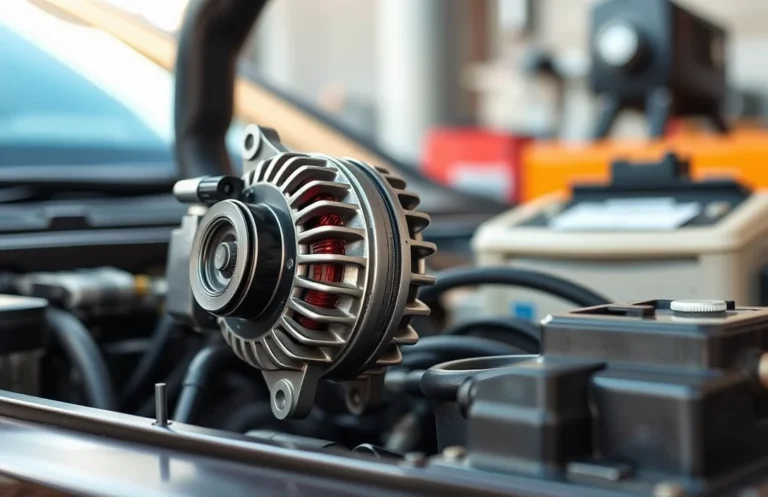
Alternators can charge AGM batteries effectively, but the charging voltage must be correctly set, usually around 14.4 volts. If your vehicle’s alternator is not adjustable, it may overcharge the AGM battery, leading to damage. DC-DC chargers can help regulate the voltage from the alternator to the proper levels, ensuring safe charging of AGM batteries.
In practice, using a DC-DC charger can be beneficial, especially in off-grid applications or when connecting to a solar system. These chargers take input from the vehicle’s electrical system and output a controlled charge suitable for AGM batteries, providing additional protection against overcharging.
Solar Charge Controllers
Solar charge controllers are essential for charging AGM batteries using solar panels. There are two main types: MPPT (Maximum Power Point Tracking) and PWM (Pulse Width Modulation). MPPT controllers are more efficient and can adapt to varying solar conditions, making them ideal for AGM batteries.
Both types can charge AGM batteries, but MPPT controllers often provide better performance, particularly in low-light conditions. Ensure that the solar charge controller has a specific setting or profile for AGM batteries to maintain optimal charging voltages.
| Charger Type | Compatibility with AGM Batteries | Key Features |
|---|---|---|
| Smart Multi-Stage Charger | Yes | AGM mode, voltage regulation, prevents overcharging |
| Alternator | Conditional | Requires proper voltage settings, may need DC-DC charger |
| DC-DC Charger | Yes | Regulates voltage from alternator, prevents overcharging |
| Solar Charge Controller (MPPT) | Yes | High efficiency, adapts to solar conditions |
| Solar Charge Controller (PWM) | Yes | Less efficient than MPPT, simpler design |
Using the correct charger type and settings for AGM batteries is critical for maintaining battery health and performance. Always check the manufacturer’s specifications to ensure compatibility and optimal charging conditions.
Safety, heat and swelling
AGM batteries require specific charging methods to prevent overcharging, which can lead to safety hazards such as gassing, swelling, and permanent damage. Using the wrong charger may cause excessive heat, leading to battery failure and voiding warranties.
For instance, if an AGM battery swells, it can indicate that the internal pressure is rising due to gas buildup from overcharging. This often occurs when a standard charger is used instead of one that is specifically designed for AGM batteries. If you encounter such issues, prioritize safety by disconnecting the battery and seeking a replacement.
When storing AGM batteries for an extended period, it’s essential to maintain a charge level of approximately 50-70%. This prevents sulfation and other forms of degradation while allowing the battery to be easily recharged when needed.
Ultimately, using a charger specifically designed for AGM batteries mitigates the risk of overheating and gassing, ensuring safe and efficient charging. Always check charger specifications and compatibility to avoid potential hazards.
Sizing and runtime basics
An AGM battery does not necessarily require a special charger, but using one specifically designed for AGM technology can enhance performance and longevity. AGM batteries typically need a charger that can deliver a controlled charge profile, ideally with a multi-stage charging process that prevents overcharging.
For optimal results, use a charger that includes a specific setting for AGM batteries. This setting adjusts the voltage and current during the charging cycle to prevent overheating and overcharging, which can occur if using a standard lead-acid charger.
In practice, consider investing in a smart charger that can automatically adjust its output based on the battery’s state of charge. This approach not only ensures compatibility but also enhances the battery’s cycle life.
Finally, always double-check the manufacturer’s specifications for both the battery and the charger to confirm compatibility. This step helps prevent potential damage or safety hazards associated with improper charging practices.
Buying and troubleshooting
An AGM battery does require a specific type of charger designed for its chemistry. Using a standard lead-acid charger can lead to improper charging, which may damage the battery or shorten its lifespan. Look for chargers that explicitly mention compatibility with AGM batteries.
When selecting a charger, consider the following checklist:
When troubleshooting common charging issues with AGM batteries, follow these steps:
Before purchasing, check the warranty and manual of your AGM battery. The warranty may include specific guidelines for charging and maintenance. If uncertain, contact the vendor with questions such as:
Proper charging practices are crucial for maintaining the health and longevity of AGM batteries. Always adhere to manufacturer recommendations and safety guidelines to avoid potential damage.
Quick Summary
An AGM battery typically requires a special charger designed for its unique chemistry and charging characteristics.
Frequently Asked Questions
Does an AGM battery need a special charger or will a regular lead-acid charger work?
You can use a charger that has a specific AGM or SLA mode because AGM is a sealed lead-acid type, typically a 12V nominal battery; choose a charger labeled AGM or SLA for 12V batteries.
Can charging an AGM battery with the wrong charger cause overheating or permanent damage?
Yes, the wrong charging profile or excessive voltage can cause heat and reduced life, so you should check the battery case for its recommended charge specifications; verify the charger matches the battery’s printed charge-voltage spec for the 12V AGM.
Will a special AGM charger increase runtime or improve cycle life of my AGM battery?
Correct charging does not change the battery’s rated amp-hour capacity, but it preserves cycle life and state of charge, and you can estimate runtime as capacity divided by load, for example a 100 Ah battery at a 10 A load runs about 10 hours.
Is it safe to charge an AGM battery in a closed space like a car trunk or inside a house?
You can charge an AGM indoors because it is sealed, but it can vent if overcharged or damaged, so provide ventilation and follow the manufacturer’s temperature limits; check the battery’s specified temperature range, commonly around 0 to 40 degrees C.
How quickly will using the wrong charger force me to replace my AGM battery, and what buying mistakes should I avoid?
Damage timing varies from months to several years depending on misuse, but you should replace batteries when capacity falls significantly, commonly under about 80% of rated Ah; avoid buying chargers without an AGM/SLA mode or ignoring the battery’s charge specs and warranty.

- Top 10 Best Solar Backup Batteries Austin 2026 - July 28, 2026
- Top 10 Best Solar Battery Charger For Rv 2026 - July 28, 2026
- Top 10 Best Solar Charger For Trolling Motor Battery 2026 - July 28, 2026