How Long Do Batteries Last In Smoke Detectors?
Smoke detector batteries usually last years, but the first warning chirp can show up long before you expect it. The spec that matters most is the detector type (removable 9V or AA/AAA versus sealed “10-year” units), because that determines whether you replace batteries or replace the whole detector. You will learn typical lifespans, what drains batteries, how to interpret low-battery signals, and how to verify readiness with the test button.
Smoke detector batteries typically last about 1 to 10 years, depending on the detector type and battery chemistry. Removable alkaline batteries often last around 1 year, while sealed lithium backup units are commonly marketed for about 10 years. A low-battery chirp pattern means replace batteries soon, or replace the detector if it is a sealed 10-year model.
How Long Do Batteries Last In Smoke Detectors?
Recommended Products

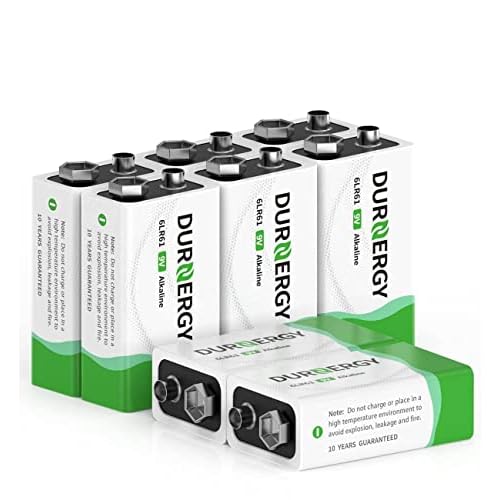
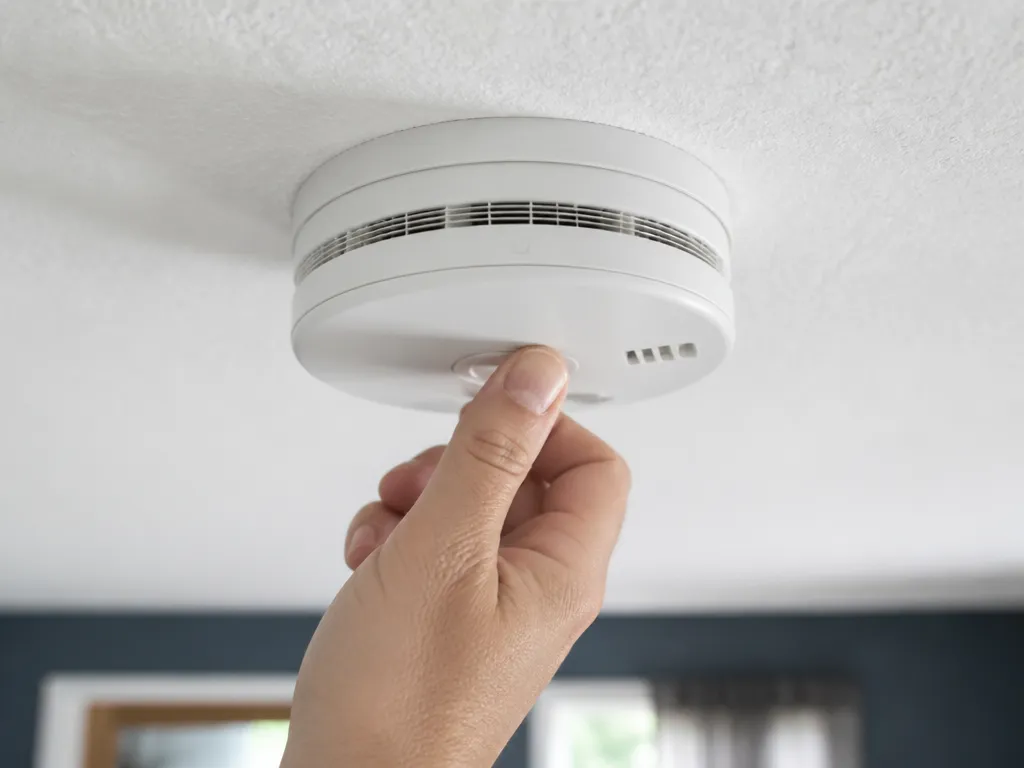
Smoke detector batteries commonly last about 1 year in many 9V alarm models that use frequent chirps, while photoelectric and sealed long-life units often run 5 to 10 years depending on how the detector is powered. Real life can be shorter when the detector is older, frequently alarmed (even with false alarms), or exposed to hot and humid conditions.
Battery life depends heavily on the detector type and power design. Ionization alarms often have different sleep current and maintenance behaviors than photoelectric alarms, and some brands use higher-drain sensing or faster “health check” routines. Sealed 10-year detectors are designed so the battery is not meant to be replaced, which changes what “replacement” means in practice.
Typical Expectations By Detector Category
Typical lifespans fall into two practical buckets: replaceable-battery units and sealed long-life units. Replaceable-battery units can be “good” for roughly a year to a few years in normal homes, but the end-of-life warning chirp is the real timeline you should follow. Sealed long-life units are intended to be replaced when the detector reaches its rated service life or when it indicates end-of-life, regardless of whether the house feels “quiet.”
For example, a family might ignore an intermittent low-battery chirp for weeks, then discover the alarm fails the next scheduled test. For a sealed 10-year model, the chirp may appear close to the end of its service window, and the correct fix is usually whole-unit replacement.
“Replacement” in smoke detectors usually means one of two actions: installing the correct new battery type in a replaceable-battery unit, or replacing the entire detector when it is sealed (often labeled with a fixed service life). Avoid swapping a battery as a stopgap if the detector is already showing end-of-life behavior beyond low-battery chirps, since that can indicate detector electronics failure.
Hardwired-with-backup can differ because backup batteries only work during outages and during self-check cycles that vary by model. Frequent power flickers can shorten backup life, while a detector that rarely loses mains power can see the backup last closer to the rated backup window (still with the same low-battery warnings).
| Detector power design | What “battery replacement” usually means | What changes battery lifetime most |
|---|---|---|
| Replaceable-battery (commonly 9V or similar) | Swap batteries on schedule and when chirps occur | Chirp timing, alarm/test frequency, age, temperature |
| Sealed 10-year style | Replace the entire unit at end-of-life | Service-life expiration, repeated end-of-life chirps |
| Hardwired with backup battery | Replace backup battery when low-battery warning appears | Power outages/flickers, backup chemistry, detector age |
Safety note: a swollen, hot, leaking, or corroded battery in any smoke detector is a replacement trigger. Swollen lithium cells or damaged battery compartments can be a fire risk, and the detector may need service beyond a simple battery swap.
Practical expectation: use the detector’s low-battery chirp pattern and the test button as your timing system, not just the manufacturing “year rating” printed on the package.
Lifespan Table By Detector Category
Recommended Products


Typical smoke detector battery life depends on detector design: removable alkaline 9V units often last around 1 year, removable AA or AAA packs are commonly around 1 to 3 years, and sealed “10-year” lithium backup units are built for the full service life the manufacturer prints on the label. Combo smoke and CO alarms follow the same battery type rules, but their end-of-life behavior can include both low-battery warnings and CO sensor aging timelines.
| Detector category | Battery format | Typical lifespan range | Replacement note |
|---|---|---|---|
| Removable 9V alkaline smoke detector | 9V alkaline (often snap or clip) | ~1 year (common) | Replace the battery at the chirp or about yearly if the unit tests reliably but runs low early in hot or dusty locations. |
| Removable AA/AAA smoke detector | 2x AA, or 2x AAA (varies by model) | ~1 to 3 years (common) | Replace as a set, use the battery chemistry the detector specifies, and expect shorter life if the alarm is frequently in the “low battery” zone due to environment. |
| Sealed 10-year lithium backup smoke detector | Sealed, non-user-replaceable lithium pack | Up to the printed service life (commonly 10 years) | Replace the entire unit when it reaches end-of-life or when it begins its service warning pattern. |
| Combo alarms (smoke/CO) | Either removable battery or sealed lithium, depending on the model | Varies by battery type (from ~1 year to “10-year”) | Use the unit’s warning pattern to distinguish battery chirps from end-of-life replacement instructions. |
Buy-matching Checks That Prevent “Dead Early” Alarms
Detector battery life is strongly tied to format and what the manufacturer allows. Mixing battery chemistries (or mixing old and new cells) can shorten life or trigger nuisance low-battery alerts even when some charge remains.
Replacement trigger rule of thumb: treat the low-battery chirp as “replace now,” and treat the end-of-service warning on sealed 10-year units as “replace the whole detector,” not just the battery.
For example, a combo smoke/CO alarm may chirp for low battery, while a separate event or periodic “replace by” reminder comes from the sealed power pack age and the built-in sensor life target. For that reason, follow the specific warning text and timing sequence on the unit, not generic runtime expectations.
Chemistry Affects Standby Drain
Recommended Products


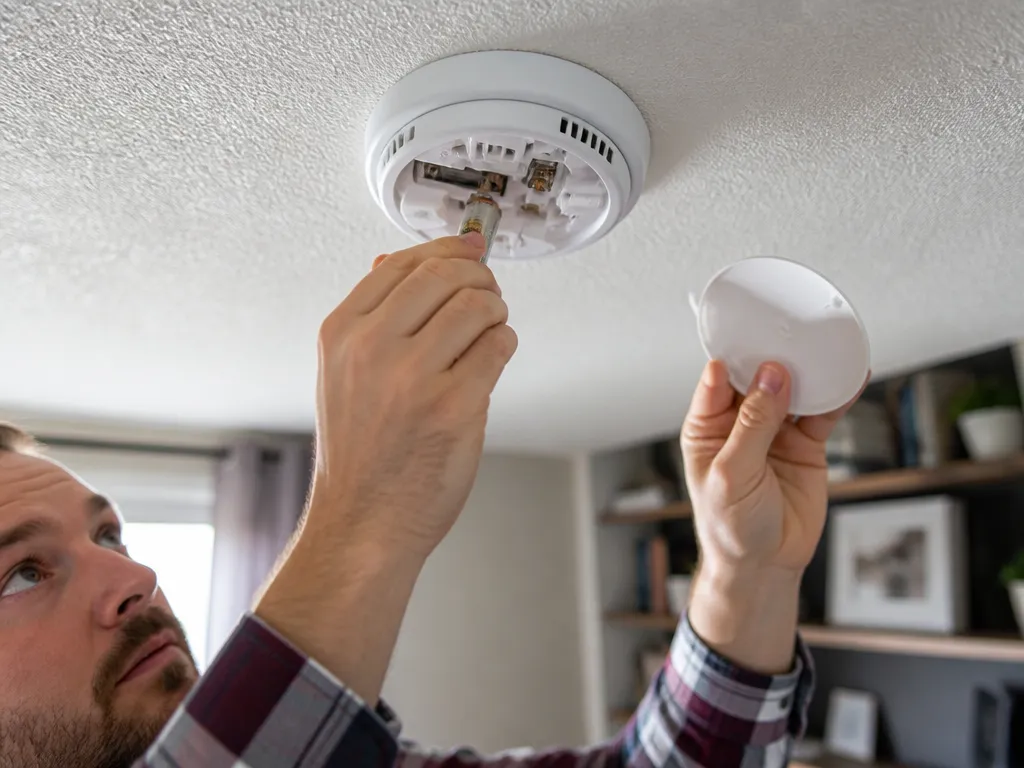
Battery chemistry and the way the detector is built to monitor low voltage are the biggest reasons two “10-year” smoke alarms can behave differently. Primary lithium cells typically hold up better for years of standby drain, while alkaline cells age faster when the detector continually measures battery voltage.
Smoke alarms are usually low-power but they are not truly idle. A microcontroller checks sensor status and continuously watches supply voltage, so even a tiny standby current adds up over time. The low-voltage detection circuit triggers a low-battery warning before the cell voltage collapses far enough to make the alarm unreliable.
Alkaline Versus Primary Lithium Cells
Alkaline cells (common in many replaceable-battery detectors) can work fine for shorter lifespans, especially when alarm testing, nuisance chirps, or frequent environmental stress occur. Primary lithium cells (often used in “long-life” and sealed units) tend to maintain voltage under long standby periods because their internal chemistry changes more slowly at room temperatures.
Packaging matters too. A lithium cell in a smoke alarm is usually designed as a low-self-discharge supply, which helps the detector meet its end-of-life timeline. In contrast, alkaline capacity can become less predictable as the chemistry degrades and the detector’s voltage-checking circuit sees an earlier drop.
Sealed “10-year” Packaging: Why Chemistry Is Only Part Of It
Sealed 10-year smoke alarms are built so the battery is not user-replaceable, and the whole device is engineered around predictable standby drain. The housing is sealed to protect the battery and electronics from humidity and dust, and the warning chirp is scheduled based on the cell’s voltage curve plus the detector’s consumption over time.
For sealed units, the battery is still aging even if it never chirps. The warning behavior is your practical endpoint, and it can be earlier in hot or very humid locations, or if the alarm has more frequent self-tests.
| Detector design | Battery type | What “end of life” usually means |
|---|---|---|
| Replaceable-battery alarm | Often alkaline (varies by model) | Low-battery chirp when voltage drops below the monitoring threshold |
| Sealed “10-year” alarm | Often primary lithium (varies by model) | Scheduled replacement based on predicted standby drain plus voltage monitoring |
Safety note: If a smoke alarm battery compartment is corroded, the detector won’t be reliable even with a “fresh” cell. Replace the battery only with the type and brand the detector specifies, and replace sealed units when they reach low-battery warning or end-of-life.
What Shortens Battery Life
Recommended Products


Smoke detector batteries die sooner when the unit has to work harder or gets harsher conditions. Frequent alarms, heat swings, dirty air, and aging electronics all raise drain or stress the battery chemistry. Battery life also drops when the wrong battery type is used, poor storage dries the cells out, or corrosion builds at the contacts.
Operational Stressors
Every smoke detector draws power for sensing and periodic checks, then spikes current during self-tests and alarm states. Frequent nuisance alarms mean more battery energy is spent than the manufacturer expects for normal quiet time.
For example, a detector mounted near a stove that sees periodic “smoke” from grilling can run far more cycles of alarm power than one in a hall. That use pattern is a common reason a battery replacement schedule feels shorter than expected.
Environment And Mounting Issues
Temperature extremes are a major battery-life killer. Heat speeds chemical aging, and cold can make cells sag under load, which sometimes triggers warning behavior earlier.
Dust and insects also matter at the mechanical level. If the detector’s vents are clogged, the unit may be noisier (nuisance behavior) and you get more frequent power draw during recovery and testing cycles.
Battery Handling, Contact Condition, And Unit Age
Battery quality and storage condition affect how much usable energy you get from the cells. Old, sitting-on-a-shelf batteries, or cells stored in heat, can start life with reduced capacity.
Detector replacement timing also changes how long batteries seem to last. Older detectors can become more prone to nuisance triggers, and that extra alarm activity consumes battery energy even if you swap batteries on schedule.
| What causes early drain | What it looks like | What to do |
|---|---|---|
| Frequent nuisance alarms | Multiple alarm events or repeated start-up chatter | Move the detector away from cooking fumes, reduce aerosols, clean as allowed by the manual |
| Heat and cold extremes | Warnings earlier than expected | Reconsider placement, avoid attic or garage locations if the building design allows |
| Corroded terminals | Chirps even right after a battery change | Inspect contacts for corrosion before reinstalling, replace the battery again only with the correct type |
| Dust-clogged vents | Higher nuisance behavior after long gaps | Clean the outside and vents only as the manufacturer instructs |
Safety note: If the battery shows swelling, heat marks, or leakage, stop using the detector and replace the battery with the correct specified type. A damaged battery can overheat or corrode the detector beyond what cleaning can fix.
Low-battery Chirps And End-of-life
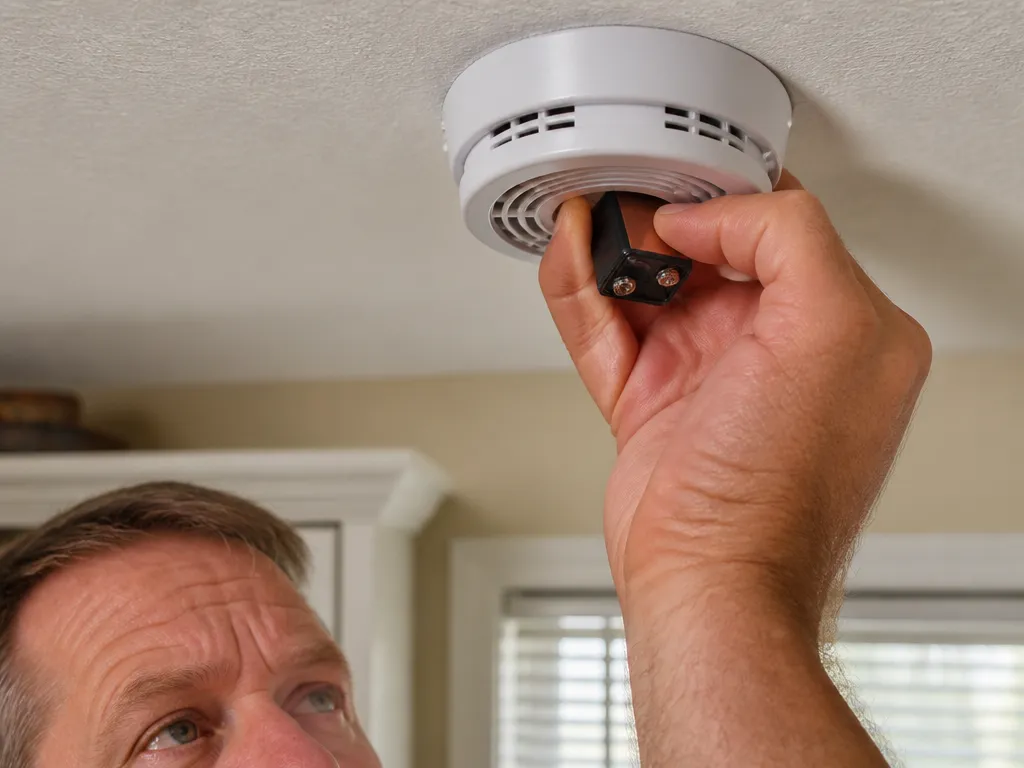
Smoke alarms usually warn you before they fully die, and the warning is the low-battery chirp pattern. The exact timing varies by brand and model, so treat the chirp as “replace soon,” then confirm using the detector’s own indicators and labels. Battery end-of-life can also look like a low-battery warning, but the fix may be battery replacement or unit replacement depending on the detector type.
Low-battery chirps typically come as a short beep or chirp that repeats at a long interval, often every 30 to 60 seconds. The cadence is meant to be noticeable without sounding like an alarm, and it is separate from alarm test beeps you hear when you press the test button. If the chirp is steady and keeps returning, the battery is usually already near depletion or the detector has entered a maintenance state.
Chirp timing gives a clue about how much time you have, but it is not a countdown you can trust. A battery can sag quickly if the detector is exposed to heat, or if the battery has a chemistry mismatch, poor-quality brand, or age-related loss of capacity.
For example, a detector can start chirping after a period of normal operation, then go silent to “true failure” sooner than expected during a hot spell or after frequent false alarm events that increase internal power use.
“Replace the battery” does not always fix the problem. For sealed or long-life detectors, the chirp can be a signal to replace the entire unit, and using a fresh battery will not restore the detector’s intended power system. For any detector, if the chirp keeps coming shortly after a replacement, you may have the wrong battery type (voltage or chemistry), a poor battery contact, or a failing detector circuit.
Other end-of-life signals are common and they can differ from a true low-battery chirp. Persistent “trouble” alerts on interconnected systems, a continuous trouble beep, or repeated notifications after battery changes often point to sensor aging, electronics faults, or wiring issues. If the detector repeatedly chirps plus shows trouble indicators, treat it as replace-now guidance rather than trying multiple battery brands.
Detector behavior also changes with location. Smoke alarms in kitchens, garages, or near HVAC vents can accumulate dust or humidity, which can trigger intermittent alerts that sound different from low-battery chirps. When the warning is “low battery,” the chirp pattern is usually consistent, while environmental trouble often comes with additional warning styles such as nuisance alarms, blinking fault indicators, or trouble messages.
Replace Batteries Vs Replace Units
Recommended Products

Removable-battery Detectors (Swap Workflow)
Removable-battery smoke alarms typically use a standard battery type listed on the detector label.
For example, many use 9V for ionization alarms or AA/other sizes for photoelectric models, so the battery size and chemistry on the unit always win over generic advice.
Sealed / “10-year” Units (Replace At End-of-life)
Sealed “10-year” alarms mean the manufacturer expects the integrated battery to last until the unit reaches end-of-life, then the whole alarm should be replaced. “10-year” is a design target tied to standby drain and alarm behavior, so real-world conditions can shorten it, especially with frequent alarms or harsh temperatures.
For hardwired detectors with battery backup, follow the same logic: replace the removable backup battery if the unit is designed for it, then verify the test button works. If the alarm continues to signal end-of-life after a correct backup swap, the detector head itself is usually at fault, and you should replace the entire unit.
Battery Compatibility Checks
A quick label check can explain unexpectedly short runtime. Battery compartments and manuals may specify details such as a model number, approved chemistry, or sealed-pack requirement that is not obvious from the battery’s size alone.
Match The Smoke Detector’s Battery Specs, Then Stop
Most smoke alarms are built for either a standard battery (common sizes include 9V alkaline or AA/AAA chemistries) or a sealed, long-life backup pack. The easiest safe path is to buy the specific battery listed by the manufacturer, since smoke detectors have tight power-drain schedules and electronics that expect a certain discharge curve. Mixing battery types, even “equivalent” models, can change the voltage under load.
For sealed battery packs, some models accept only the original factory pack, or they are designed to be replaced only as a unit. If the compartment label says “use only model-specific sealed battery pack,” do not try to substitute a different chemistry or form factor. Compatibility mistakes are a common cause of shortened service life and early chirping.
| What to check on the label/manual | Why it matters | Common mistake |
|---|---|---|
| Battery voltage | Detector electronics and low-battery thresholds assume a specific voltage | Using a different voltage “equivalent” |
| Chemistry (alkaline, lithium, etc.) | Discharge curve changes how quickly the unit reaches low-voltage conditions | Substituting lithium for alkaline or vice versa |
| Battery pack type (standard vs sealed) | Sealed packs may be the only supported option | Trying to open or replace a sealed pack with generic cells |
| Exact model number | Same-looking detectors can have different power requirements | Buying “the right size” without confirming the model |
Safety check: if you ever see bulging, venting, corrosion, or the battery compartment looks overheated, stop and replace the detector per the manufacturer’s guidance. Damaged batteries can leak or overheat, and smoke alarms are life-safety devices.
In practice, the fastest verification is to read the compartment label exactly, then cross-check with the detector’s manual section for “Replacement batteries” or “Power source.” If the label lists a specific battery brand or sealed pack, treat that as the compatibility requirement, not a suggestion. When in doubt, enter the detector model number on the manufacturer’s support page and confirm the approved battery type before you buy.
Verification Steps After Swapping
Press the smoke detector test button right after installing new batteries, and confirm a clear alarm plus the expected low-battery behavior. After power restoration, repeat the test once more, then note the install date so you can track real drain time under your home’s conditions.
Chirps In Weeks: Troubleshooting
Smoke alarm chirps that show up in “weeks” usually mean the detector is telling you battery power is low, wiring contact is poor, or the unit is near end-of-life. Fresh batteries should stop the chirp unless the alarm is failing or the battery install is wrong. Treat repeated chirps after battery swaps as a replacement signal, not a “keep trying” situation.
Corrosion and contact issues are a frequent cause of short-lived “low battery” warnings. Battery springs, clips, and the battery compartment can get residue from humidity, cooking smoke, or dust, which adds resistance and causes a voltage sag under the alarm’s brief power bursts.
Fast Checks To Separate “Battery Problem” From “Alarm Problem”
Start with the simplest physical checks before buying anything else. Remove the batteries, inspect the compartment for corrosion, wipe contacts with a dry cloth, and reinstall with correct polarity marks aligned. After reinstalling, press the detector’s test button to confirm it responds as expected.
Use the alarm’s own indicator behavior to decide. A typical low-battery chirp pattern should stop when the correct new batteries are installed and contacts are clean, while an end-of-life warning often keeps returning or has a distinctive cadence the manual describes.
Replace the alarm when the warning will not clear after installing correct new batteries and cleaning contacts, or when the unit is already near its stated service life. Swapping batteries repeatedly in a failing detector just costs money and delays the only solution.
Replace the alarm immediately if you see safety signs. Swollen, leaking, or overheated batteries, melted battery compartments, burned plastic, or heavy corrosion that keeps coming back are “stop troubleshooting” conditions. If the alarm is sealed or uses a non-serviceable pack, treat it as non-repairable and follow the manufacturer’s replacement guidance on the label.
Quick Summary
Smoke detector batteries usually last years, but the first low-battery chirp can arrive sooner than expected, so the chirp pattern matters more than the “year rating” printed on the package. Lifespan mainly depends on detector type, especially whether it uses removable alkaline cells like 9V or AA/AAA, or a sealed “10-year” unit where you generally do not replace batteries. Typical expectations mentioned are about 1 to 10 years overall, with removable alkaline often around 1 year and sealed lithium backup marketed for about 10 years.
Use the detector’s label and manual to confirm compatibility. Confirm readiness after any battery swap by pressing and holding the test button until the alarm sounds, and treat rapid chirping as a sign of a root cause. Also replace immediately if any battery is swollen, hot, leaking, or corroded, since that can be a fire risk.
Frequently Asked Questions
How Long Do Batteries Last In A Typical Smoke Detector After You Install Fresh Ones?
You should expect a lot of variation by detector model and battery type, but many smoke alarms use about 1 year as a practical replacement interval for standard disposable batteries. For any specific unit, check the label or manual, because some are engineered for longer or have low-battery countdown behavior.
What Battery Type And Voltage Are Compatible With My Smoke Detector To Avoid Short Life?
Use the battery type and voltage specified on the detector (for example, many alarms use a 9V alkaline, while others use AA cells). If you choose a different chemistry or size, you can get unreliable operation and earlier-than-expected low-battery alerts.
Can Using A Charger Or Rechargeable Batteries Make A Smoke Detector Last Longer?
Some smoke detectors allow rechargeable batteries only if the manufacturer specifically says so, and many do not. If the device is designed for disposable cells and you use rechargeables, you can see shorter run time or nuisance low-battery warnings, even if the cells still show charge.
Is It Safe To Charge Or Warm Up Batteries Near A Smoke Detector When Replacing Them?
Yes, you can replace batteries safely, but do not attempt to charge non-rechargeable detector batteries, and avoid storing or charging cells inside the detector housing. Heat can accelerate battery aging and damaged cells can leak, so keep charging accessories away from the alarm and follow the battery charger instructions.
How Do I Know It Is Time To Replace The Batteries, Even If The Detector Is Still Quiet?
Rely on the detector’s low-battery warning, not on how full the pack seems, because smoke alarms monitor voltage and performance under load. If you do not get the chirp or warning, that still does not mean the cells are fine, so follow the manufacturer’s recommended replacement schedule.

- 10 Best Battery For Generator Battery Safety Option 2026 - October 12, 2026
- 10 Best Battery For Generator Battery Safety 2026 - October 12, 2026
- 10 Best Battery For Generator Battery Rv Upgrade 2026 - October 12, 2026