Ah-Rated Rechargeable Batteries: Chemistries and Charger Types
Amp-hour (Ah) ratings tell you how much energy a rechargeable battery holds, acting as the fuel tank size for your tools or vehicles. But knowing what ‘Ah’ means is only half the battle; matching it with the right charger is where things get tricky.
This guide breaks down why Ah matters and highlights chargers that actually fit specific battery chemistries, from power tool slides to deep-cycle lead-acid units.
Understanding Ah Batteries
Rechargeable batteries store energy through chemical reactions, powering everything from cordless drills to car starters. The Ah rating defines capacity: essentially, how long the battery can sustain a specific current draw before dying.
Think of Amp-hours as volume. A 10Ah battery might deliver 1 amp for 10 hours, or 2 amps for 5 hours. Higher numbers mean longer runtimes between charges.
However, real-world performance isn’t just about the label; voltage compatibility, device efficiency, and internal resistance all play roles in how long your gear actually lasts.
Lead-Acid Batteries
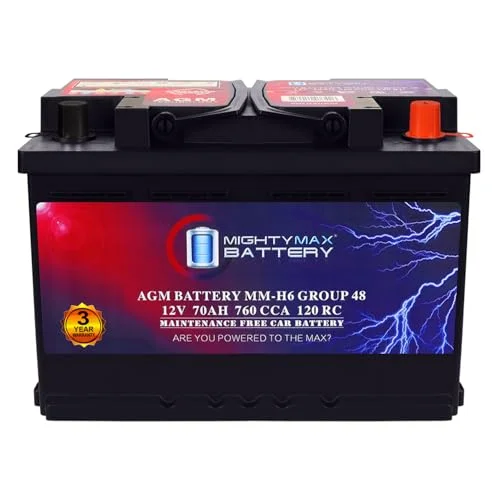
Lead-acid batteries remain the workhorse for vehicles and backup systems due to their low cost and decent energy density per dollar. They’re robust but sensitive to neglect; they need regular charging to prevent sulfation and have a finite number of charge cycles compared to newer tech.
Lithium-Ion Batteries
Lithium-ion packs dominate portable electronics and modern power tools because they offer high energy density and lighter weight. While pricier upfront, they last longer and hold their charge better when idle. Just remember they require smart chargers to manage heat and cell balance safely.
Ah Battery Chargers
Picking a charger isn’t a one-size-fits-all task. Using the wrong type can kill a battery or, worse, create a fire hazard. Below, I’ve shortlisted options based on specific use cases, whether you’re topping off a truck’s AGM battery, refilling a Ryobi drill pack, or managing LiFePO4 cells for solar storage.
|
1
|
BLACK+DECKER 20V MAX Lithium Battery Charger, Compatible with 12V and 20V Battery, Battery |

This unit handles BLACK+DECKER’s slide-pack lithium batteries across both 12V and 20V platforms.
The BLACK+DECKER 20V MAX Charger is built specifically for their slide-pack lithium-ion ecosystem. It supports both 12V MAX and 20V MAX batteries, featuring a simple green light indicator to signal when charging is complete. For smaller 1.5-Ah packs, it claims a full recharge in under 40 minutes.
If you already own multiple B&D tools, this keeps your workflow moving without swapping chargers. It’s efficient for quick top-ups. Note that this is often sold as a standalone charger, so verify if your kit includes the necessary adapters or cables.
|
2
|
MOTOPOWER MP00205A 12V 800mA Automatic Battery Charger, Maintainer, Trickle and Desulfator |

An automated solution for maintaining 12V lead-acid batteries, preventing sulfation while parked.
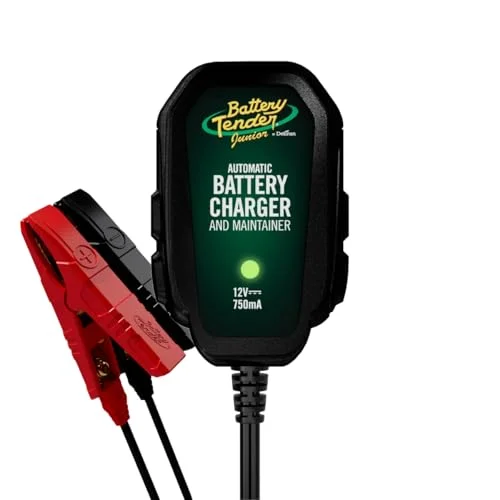
The MOTOPOWER MP00205A acts as a trickle charger, maintainer, and desulfator for 12-volt lead-acid batteries, including AGM and gel cells. It uses pulse technology to detect and break down sulfate crystals, aiming to restore lost capacity automatically. It also features spark-proof connection logic for safety.
This is ideal for seasonal equipment like motorcycles or boats that sit unused for months. It draws zero power in standby mode, protecting your vehicle’s electrical system. It requires a standard 12V source and won’t revive a completely dead battery instantly, it’s more about preservation than rapid recovery.
|
3
|
BROODAY 14.6V 10A LiFePO4 Battery Charger for 12V Lithium Iron Phosphate Batteries – Fast |

Designed exclusively for 12V LiFePO4 chemistry, offering faster charging rates than standard alternatives.
BROODAY’s 14.6V 10A charger targets 12V Lithium Iron Phosphate (LiFePO4) batteries, a common choice for RVs and solar setups. It boasts over 90% efficiency and can charge a 50Ah battery to 50% capacity in roughly 2.5 hours. The housing includes a cooling fan that doubles as an overheating safeguard.
For users upgrading from lead-acid to LiFePO4, this provides the precise voltage curve needed to maximize lifespan. It’s significantly faster than lower-amperage generic chargers. Crucially, do not attempt to use this on standard lead-acid batteries, as the voltage profiles differ dangerously.
|
4
|
DEWALT 20V MAX Lithium-Ion Battery 2-Pack, 5.0 Ah (DCB205-2c) |

A high-capacity battery pair intended for DEWALT outdoor power equipment.
The DEWALT 20V MAX 5.0 Ah 2-Pack focuses on endurance for outdoor tasks. Each battery offers 5.0 Ah capacity, suitable for mowers, blowers, and trimmers within the 20V MAX line. It includes a 3-LED fuel gauge to check remaining charge at a glance.
These are replacement or upgrade batteries rather than chargers themselves. They’re lightweight and designed to handle the variable loads of garden equipment. Ensure you have compatible DEWALT charging hardware, as these packs rely on the brand’s proprietary connector system.
|
5
|
SHINTYOOL 21v Lithium Battery – 2.0 Ah Battery with Charger Adapter Led Indicator Compatib |

A third-party option targeting compatibility with older Makita-style 18V/21V slide batteries.
SHINTYOOL’s 21V 2.0 Ah battery aims to replace certain Makita-compatible models (like BL18xx series). It lists a 2000mAh capacity (note: likely a typo in listing for 2.0Ah or 2000mAh depending on interpretation, usually 2.0Ah = 2000mAh) and comes with a basic AC adapter charger featuring an LED status light.
This is a budget-friendly alternative for keeping legacy tools alive. The included charger is slow (1A output), meaning expect several hours for a full cycle. It lacks the sophisticated thermal management of OEM chargers, so monitor temperatures during extended use to preserve cell health.
|
6
|
Ryobi One+ 18v Lithium Ion 2.0ah Battery and Charger Kit, Extreme Weather Performance Fast |

A bundled kit providing immediate power and charging capability for Ryobi’s extensive 18V ONE+ system.
The Ryobi One+ 18V Kit combines a 2.0 Ah lithium-ion battery with a corresponding charger. It leverages the ‘ONE+’ promise of cross-compatibility across 225+ tools. The charger supports fast replenishment, typically under an hour for this capacity, allowing continuous workflow rotation.
Great for beginners entering the Ryobi ecosystem or those needing a spare setup. The 2.0 Ah rating suits light-duty tasks like drilling or driving screws. Heavy cutting or grinding will drain it quickly, so frequent recharging is part of the routine here.
|
7
|
Keenstone 18650 Battery Charger, Smart Universal Charger LCD Display for Rechargeable Batt |

A multi-bay universal charger capable of handling various cylindrical cell types simultaneously.
Keenstone’s 18650 Charger is a versatile unit supporting Li-ion, LiFePO4, Ni-MH, and Ni-Cd cells. It features independent channels with LCD displays for each slot, letting you monitor progress per battery. This flexibility makes it useful for hobbyists using loose cells in flashlights or vapes.
Unlike dedicated tool chargers, this manages individual cell health via microprocessor control. It’s safer for mixed collections where chemistry varies. Verify physical dimensions match your cells (e.g., 18650 vs 26650) before insertion to ensure proper contact.
|
8
|
DEWALT 20V MAX 5 Ah Lithium-Ion Battery and Charger Starter Kit (DCB205C) |

A starter bundle pairing a high-capacity DEWALT battery with its official charger for seamless integration.
The DEWALT 20V MAX 5 Ah Starter Kit ensures optimal performance by matching the battery’s discharge characteristics with the charger’s input profile. The 5 Ah capacity extends runtime for demanding tradesman tasks, while the integrated fuel gauge prevents unexpected shutdowns mid-job.
Buying them together eliminates guesswork about compatibility. This combo is heavier than 2.0 Ah kits but reduces downtime frequency. Ideal for professionals who prioritize uptime over minimal weight, though it locks you into the DEWALT platform exclusively.
|
9
|
CRAFTSMAN V20 Battery and Charger, for Power Tool Kits and Outdoor Tools, 4.0 Ah, Lithium |

CRAFTSMAN’s V20 system emphasizes increased capacity and durability for general workshop use.
The CRAFTSMAN V20 Battery and Charger set markets itself on delivering up to 3X more capacity relative to baseline models, enhancing productivity for saws, drills, and grinders. Like competitors, it utilizes a visual LED gauge to indicate charge levels clearly.
This package appeals to DIYers looking for a reliable, affordable entry point into cordless tools. The charger is optimized for speed and safety within the V20 architecture. Keep in mind that mixing brands generally voids warranties and risks poor performance, so stick to CRAFTSMAN tools with this kit.
There’s no single ‘best’ Ah charger, it depends entirely on your battery chemistry and usage pattern. For lead-acid maintenance, the MOTOPOWER stands out. For rapid turnaround on job sites, branded kits like DEWALT or RYOBI offer the safest bet.
LiFePO4 users should look toward specialized units like BROODAY to protect their investment.
Maintaining Your Ah Batteries
Keeping batteries healthy involves more than just plugging them in. Small habits can extend the life of your expensive packs significantly.
Avoid leaving lithium batteries plugged in indefinitely once fully charged, unless the charger has auto-shutoff. Store them in cool, dry environments away from direct sunlight. Regularly inspect contacts for corrosion or debris, which increases resistance and causes heat buildup during charging.
- Regularly check the state of charge of your Ah batteries.
- Avoid over-discharging or over-charging your batteries.
- Store your Ah batteries in a cool, dry place when not in use.
- Use the right charger for your battery type.
- Follow the manufacturer’s recommendations for charging and maintenance.
Choosing the Right Ah Battery Charger
Choosing the right Ah battery charger is essential for maintaining the health and longevity of your batteries. In this section, we will discuss some factors to consider when selecting an Ah battery charger.
First, confirm the charger matches your battery’s nominal voltage (e. g. , don’t put a 12V charger on an 18V pack). Second, ensure the chemistry aligns; Li-ion, NiMH, and Lead-Acid require different termination voltages.
Finally, check physical compatibility, slide packs, pin connectors, or bare terminals must interface securely to avoid arcing or poor connections.
Factors to Consider When Selecting an Ah Battery Charger
| Factor | Description |
|---|---|
| Battery Type | Different battery types require different charging methods and voltages. |
| Charging Speed | The charging speed of the charger can affect the overall charging time. |
| Charging Efficiency | The charging efficiency of the charger can affect the overall charging cost. |
| Additional Features | Additional features such as battery maintenance and desulfation can extend the life of your batteries. |
Understanding Ah ratings helps you gauge runtime, but choosing the correct charger protects your battery’s lifespan. Match the charger strictly to your tool brand or battery chemistry to avoid damage.
Whether you’re maintaining a garage door opener’s lead-acid cell or rotating drill batteries, the right equipment pays for itself in avoided replacements.

- Marine Chargers and Backup Batteries: 9 Options Compared (2026) - October 27, 2026
- LTO Cells vs. SLA Generator Batteries: 5 Options Compared (2026) - October 27, 2026
- 12V/24V Backup Batteries and the EcoFlow DELTA Pro 3 (2026) - October 27, 2026