How Much Does A Car Battery Weigh?
Car battery weight isn’t just a number, it’s a practical detail that can make or break your next replacement. Lifting a 50-pound lead-acid battery feels like dragging a small child, while a 10-pound lithium alternative might as well be a feather.
The weight difference isn’t just about your back; it subtly changes how your car handles, from steering responsiveness to fuel efficiency. I’d start by asking: *How much do you actually want to carry around? * Because the answer might surprise you.
What Drives Car Battery Weight Differences
The weight of a car battery isn’t random, it’s a calculated trade-off between chemistry, size, and performance needs. Lead-acid batteries, the old standbys, feel like bricks because they’re packed with heavy lead plates and liquid electrolyte. Swap to lithium, though, and you’re suddenly carrying something closer to a bag of flour.
Even small tweaks, like adding AGM’s sealed design or start-stop technology, can add noticeable pounds. My read is this: *You’re not just buying power; you’re choosing how much of it you want to lug around.
A traditional lead-acid battery feels like a small anvil because it’s built with dense lead plates and liquid electrolyte sloshing inside. That’s why they’re so heavy, often 40 pounds or more. AGM batteries seal that electrolyte in fiberglass mats, which adds a little extra weight but keeps everything contained.
Lithium-ion batteries, on the other hand, use lightweight materials like lithium iron phosphate, cutting the weight in half while still delivering strong power. Start-stop batteries are the heavyweights of the group because they need thicker plates and reinforced casings to handle frequent deep discharges.
So if you’re asking *‘Why is my car battery so heavy? ’*, it’s likely because you’re still using the old-school design.
Battery Type Comparison by Weight and Capacity
| Battery Type | Weight Range (lbs) | Typical Capacity (Ah) | Primary Use Case |
|---|---|---|---|
| Flooded Lead-Acid | 30-50 lbs | 50-80 Ah | Standard Starting |
| AGM Battery | 35-55 lbs | 60-90 Ah | Start-Stop Vehicles |
| Lithium-Ion | 10-25 lbs | 50-70 Ah | Lightweight/Performance |
| LiFePO4 | 15-30 lbs | 50-100 Ah | Deep Cycle/Start-Stop |
Picks To Answer Your Car Battery Weight Question
Here’s the reality check: car batteries vary wildly in weight, and the difference isn’t just about lifting them. Some are heavy-duty workhorses, while others are so lightweight you’ll wonder if they’ll even fit under the hood.
These picks show how chemistry and design directly impact what you’ll carry, and what your car will feel like afterward.
|
1
|
Mighty Max Battery MM-H6 Start and Stop Car BCI Group Size 48 12V 70 AH, 120RC, 760 CCA Re |

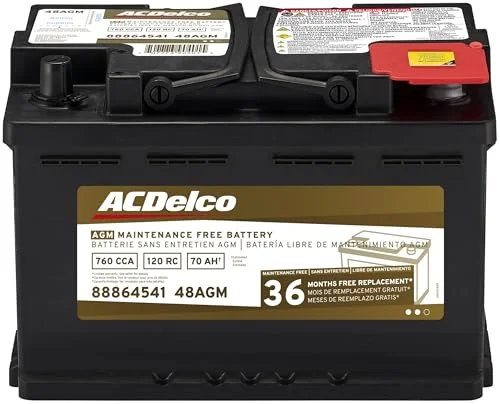
The Mighty Max MM-H6 is a classic example of what you’ll find in most lead-acid batteries, solid power, but with a solid weight to match.
This Mighty Max AGM battery weighs in at around 48 pounds, which is about what you’d expect for a Group 48 replacement. It’s the kind of battery that makes you think twice before attempting a solo installation, especially if you’ve ever struggled with a grocery bag full of groceries.
The sealed AGM design keeps things spill-proof, but the weight stays where it always has: firmly planted in the ‘heavy’ category. If you’re wondering *‘How much does a car battery weigh? ’* this is your baseline answer.
Great for vehicles that need reliable cold-cranking power and start-stop compatibility, but the 48-pound weight means you’ll want a helper, or at least a sturdy dolly, when it’s time to swap it out.
It’s the kind of battery that makes you appreciate lighter alternatives, especially if you’ve ever wrestled with a dead battery in the rain.
|
2
|
Duracell 2032 Lithium Battery, 4 Count, AirTag & Key Fob, CR2032 3V Cell |

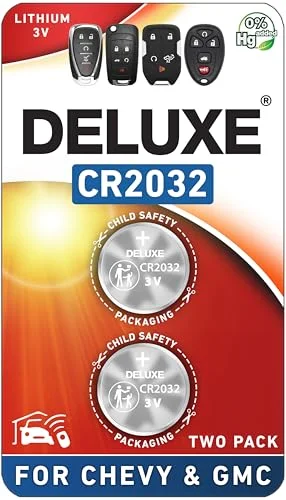
This tiny Duracell 2032 coin cell battery isn’t a car battery at all, but it’s a great way to see just how much weight you can save when you go small.
At just 0. 03 pounds per battery, these Duracell CR2032 cells are the opposite of heavy. They’re the kind of battery you’d never notice in your key fob or AirTag, until you lose them, that is.
While not a replacement for your car’s main battery, they’re a reminder that lithium chemistry can make even the smallest components incredibly lightweight. If you’ve ever wondered *‘Why are some batteries so much lighter than others? ’* this is the answer.
Perfect for replacing small electronics like key fobs or fitness trackers, but their tiny size means they’re easy to misplace. The child-safe bitter coating is a nice touch, but if you’re looking for something to power your whole car, you’ll need a lot more of these.
|
3
|
TPE Car Start-Stop Lithium Battery BCI Group47 LiFePO4 Lithium-ion Car Battery Lightweight |

This TPE lithium battery is a game-changer if you’ve ever struggled with the weight of a traditional lead-acid battery.
Weighing in at just 11. 02 pounds, this Group 47 lithium battery is nearly three-quarters lighter than a typical lead-acid unit. It’s the kind of weight difference that makes you realize how much you’ve been carrying around unknowingly.
The lithium iron phosphate cells keep it stable and safe, while still delivering strong performance. If you’ve ever thought *‘I wish my car battery was lighter,’* this is what you’re looking for.
Ideal for drivers who want to save weight and still get reliable performance, especially if you’re doing frequent deep cycles. The built-in BMS protects against over-discharge, but you’ll need to keep an eye on the charge level, it doesn’t handle low battery situations as gracefully as some other options.
|
4
|
JOLTEKON Car Battery Jump Starter with Air Compressor 4500A 150PSI, Car Jumper Starter Por |
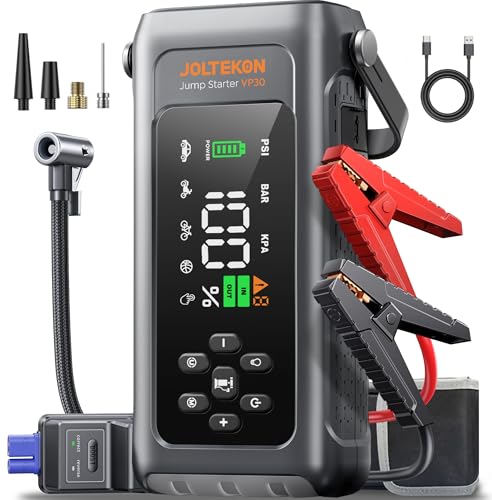
This JOLTEKON jump starter is proof that you don’t need to carry a heavy battery around to handle emergencies.
Weighing just 3. 5 pounds, this jump starter is the ultimate in portability, no heavy battery to lug around, just a compact tool that fits in your trunk or glove compartment. It’s the kind of thing you’d forget exists until you’re stranded on the side of the road.
The 150PSI air compressor and LED lights add functionality without adding weight, making it a must-have for anyone who wants to be prepared without the hassle.
Great for road trips or camping, where you don’t want to be bogged down by heavy equipment. The air compressor is handy for tire inflation, but it does drain the battery faster, so you’ll need to recharge it regularly, especially if you’re dealing with winter cold snaps.
|
5
|
AstroAI S8 Car Battery Jump Starter 1500A – Portable 12V Lithium Jump Box | BOOST for Dead |

The AstroAI S8 jump starter is so lightweight you’ll forget it’s even there, until you need it.
At just 0. 95 pounds, this jump starter is one of the lightest options out there, yet it still packs a punch with 1500A of power. It’s the kind of tool that makes you think *‘Why didn’t I have this years ago?
’* because it’s so easy to carry and use. The lithium cells keep it compact, and the metal clamps add durability without adding weight. If you’ve ever dreaded carrying a heavy jump starter, this is the solution.
Perfect for urban commuters or anyone who wants a lightweight backup plan. The BOOST mode is handy for dead batteries, but some users report occasional overheating when jumping larger diesel engines, so it’s not a one-size-fits-all solution.
|
6
|
Leaf Blower Cordless Handheld Blower 2×4.0Ah Batteries & Charger,Green | Small Lightweight |

This cordless leaf blower might not be a car battery, but it’s a great example of how lithium can keep tools lightweight.
Weighing just 1. 12 pounds, this leaf blower is so light you’ll barely notice it in your hands. It’s the kind of tool that makes yard work feel effortless, especially after lugging around heavy gas-powered alternatives. The dual 4.
0Ah batteries ensure you don’t have to stop mid-cleanup, and the fast charger keeps you ready to go. If you’ve ever thought *‘I wish my tools were lighter,’* this is what modern lithium can do.
Great for quick cleanups around the house or car, especially after battery installations. The two batteries ensure you can keep working, but runtime drops quickly at high speeds, so it’s best for shorter tasks rather than all-day projects.
|
7
|
OMUGO Group 47 H5 12V LiFePO4 Car Battery, 800CCA Start-Stop, Lightweight | Built-in BMS p |

This OMUGO lithium battery is a lighter alternative that still delivers strong performance without the weight.
Weighing in at just 20 pounds, this Group 47 lithium battery is nearly half the weight of a typical lead-acid unit. It’s the kind of reduction that makes you notice a difference in how your car handles, like suddenly driving a lighter sports car instead of a truck.
The lithium iron phosphate cells keep it stable, and the BMS protects against over-discharge. If you’ve ever wondered *‘Can I save weight without sacrificing power? ’* this is the answer.
Perfect for drivers who want to upgrade to a lighter battery without losing performance. The voltage display helps you keep an eye on its health, but the higher upfront cost might make you hesitate if you’re on a tight budget.
Still, the long-term benefits, like better fuel economy and handling, make it worth considering.
|
8
|
Scatach 3000A Car Battery Jump Starter,12V Jump Starter Battery Pack Portable (up to 9.0L |

This Scatach jump starter is so lightweight you’ll barely feel it in your hands, even when you’re in a rush.
Weighing just 2 pounds, this jump starter is one of the lightest options available, yet it still delivers 3000A of power. It’s the kind of tool that makes emergency situations feel less stressful because it’s so easy to carry and use.
The lithium cells keep it compact, and the three-mode flashlight adds extra functionality. If you’ve ever dreaded carrying a heavy jump starter, this is the solution.
Great for frequent travelers or anyone who wants a lightweight backup plan. The plastic housing is durable enough for most situations, but it’s not as rugged as metal alternatives, so it’s best for occasional use rather than heavy-duty emergencies.
|
9
|
TREKURE Car Battery Jumper Starter Portable 5000A, Portable Car Jump Starter up to 10L Gas |

This 5000A starter might not be a car battery, but it’s another great example of how lithium can keep emergency tools lightweight.
Weighing just 0. 8 pounds, this jump starter is so lightweight you’ll forget it’s even there, until you need it to start your car. It’s the kind of tool that makes roadside emergencies feel less daunting because it’s so easy to carry and use.
The magnetic LED lighting and detachable lanyard make it even more practical. If you’ve ever struggled with heavy jump starters, this is the kind of innovation you’ll appreciate.
Perfect for mechanics or outdoor enthusiasts who need a versatile tool that doesn’t add bulk. The small form factor means it’s easy to lose, though, so you’ll need to keep it in a designated spot in your glove compartment.
|
10
|
Team Associated FT Brass Under Battery Weights ASC91744 Electric Car/Truck Option Parts |

These tiny brass underweights aren’t car batteries, but they’re a great way to see how small adjustments in weight can make a big difference.
Weighing just 0. 2 pounds each, these brass underweights are used in RC cars and electric vehicles to fine-tune balance. They’re the kind of small detail that makes a big difference in performance, like suddenly having a car that handles like it’s on rails.
While not a full-size car battery, they’re a reminder that weight matters, even in the smallest components. If you’ve ever wondered *‘How much does weight really affect performance? ’* this is your answer.
Perfect for RC hobbyists who need precise balance adjustments, but they’re too small for standard automotive applications. Still, they’re a great example of how even tiny changes in weight can make a difference in how a vehicle feels.
From the heavy 48-pound AGM battery to the featherlight 11-pound lithium alternative, these picks show how much weight you’re really carrying, and how much you could be saving. Whether you’re lifting a replacement or just trying to make your car feel lighter on the road, the difference matters. My takeaway?
*The next time you’re shopping for a battery, ask yourself: How much do I actually want to carry?
Measuring Your Own Battery for Accurate Weight Estimates
Before you buy a new battery, I’d check a few things to avoid surprises. First, confirm your vehicle’s group size and chemistry type, this ensures you’re not buying something too heavy or too light for your needs. Look at the label on your old battery or check your owner’s manual.
If you’re unsure, a quick online search for your vehicle’s specs will save you from lifting a battery that’s too heavy, or worse, one that won’t fit.
Locate your current battery’s group size label (usually on the negative terminal side).
Note the CCA rating and voltage specifications listed on the old battery casing.
Use manufacturer charts or online databases to find standard weights by group size and chemistry.
Compare lithium-ion alternatives’ published weights against conventional lead-acid values.
Account for additional components like mounting hardware or insulating blankets adding 2-5 pounds.
- Always lift with knees bent, never twist at the waist during lifting motion.
- Use battery handles or straps to secure grip before attempting removal tasks.
- Wear protective gloves and eyewear to prevent acid contact or injury risks.
- Place removed batteries on stable surfaces away from heat sources immediately.
- Never drag batteries across concrete or asphalt surfaces causing casing damage.
When Weight Matters Most in Battery Selection
Battery weight isn’t just about how much you’ll lift, it’s about how your car will feel and perform. A heavier battery shifts your car’s balance forward, making it feel less nimble on the road. Lighter batteries, on the other hand, can improve handling and even save fuel.
If you’ve ever felt like your car is sluggish or hard to steer, the weight of your battery might be part of the reason.
Front-End Weight Distribution Impact
A heavy front-mounted battery pulls your car’s weight forward, making it feel like it’s always ready to plow through a turn instead of gliding through it. Switching to a lighter lithium battery can make your car feel more responsive, almost like you’ve suddenly upgraded to a lighter sports car.
Drivers who’ve made the switch often notice the difference immediately, especially when merging onto highways or navigating tight mountain roads where precise control matters.
Fuel Economy And Efficiency Gains
Every pound you save in your battery translates to less strain on your engine, which means better fuel efficiency over time. Lighter batteries are especially useful for start-stop systems, where frequent deep discharges would normally wear down a heavier lead-acid battery faster.
If you’re stuck in traffic or commuting short distances, a lighter battery can help you save gas without sacrificing performance.
For commercial fleets, the savings add up fast. Delivering 15 pounds less per vehicle might not sound like much, but when you’re driving thousands of miles a year, it translates to real fuel savings.
Electric vehicle conversions also benefit from lightweight lithium batteries, as they maximize range without adding unnecessary weight. Even race car drivers notice the difference, swapping heavy OEM batteries for lithium packs can cut weight by 30% or more, making their cars faster and more agile.
Most car batteries weigh between 30 and 50 pounds, but lithium-ion models can cut that number nearly in half, sometimes even more. If you’re unsure about the weight of your next battery, I’d start by checking your current battery’s group size and comparing it to manufacturer specs.
That way, you’ll know exactly what you’re lifting, and what kind of difference it will make in your car’s performance.

- Marine Chargers and Backup Batteries: 9 Options Compared (2026) - October 27, 2026
- LTO Cells vs. SLA Generator Batteries: 5 Options Compared (2026) - October 27, 2026
- 12V/24V Backup Batteries and the EcoFlow DELTA Pro 3 (2026) - October 27, 2026