Will A Car Run Without A Battery?
The engine won’t turn over, the dashboard lights dim, and that sinking feeling sets in, your battery’s dead. But the real question isn’t just how to get your car running again; it’s whether your car *needs* a battery at all to function. The short answer?
Not in the way you might think. Without a battery, your car’s electrical system struggles to maintain stability, even if the engine somehow stays alive.
Below, we’ll explain why the battery is more than just a starter, it’s the stabilizer for your entire electrical system, and how to pick a replacement that prevents this headache from happening in the first place.
How Your Car’s Electrical System Really Works
Most drivers think of the battery as just the muscle behind starting the engine, but it’s really the backbone of your car’s entire electrical system.
It doesn’t just crank the starter, it keeps the alternator’s output steady, powers your electronics when the engine’s off, and absorbs voltage spikes that could fry sensitive components. Remove it, and you’re left with an alternator spinning in the dark, unable to regulate power or keep critical systems alive.
This section breaks down why a missing battery doesn’t just stop your car, it throws the entire electrical balance into chaos.
When you turn the key, the battery delivers a high-current jolt to the starter motor, getting the engine running. After that, the alternator takes over, recharging the battery and powering everything from your headlights to your radio. But here’s the catch: the alternator can’t work alone.
It needs the battery’s stable voltage as a reference point to regulate its own output. Without that, the alternator’s voltage can swing wildly, potentially damaging your car’s electronics. Even if you jump-start the engine, disconnecting the external power source leaves your systems vulnerable to sudden failure.
It’s not just about getting the engine to turn, it’s about keeping it, and everything else, running smoothly.
Voltage Regulation
The battery provides a steady 12. 6 volts when the engine is off, which keeps your car’s computer and accessories powered. Without it, the alternator’s output can surge unpredictably, risking damage to sensitive systems like your GPS or audio system.
Modern cars rely on this consistent voltage reference to keep everything in check. Strip that away, and you’re asking the alternator to work blind, often leading to voltage spikes that can fry circuits over time.
Parasitic Drains and Idle Power
Even when your car is parked, small power draws, parasitic drains, keep things like your alarm, clock, and keyless entry running. The battery handles these silently. Remove it, and those drains can quickly deplete whatever charge the alternator might provide, leaving you stranded.
In some cases, these drains can empty a battery in as little as a day if left unchecked. That’s why high-capacity batteries are often recommended for cars with advanced features like ADAS or connected infotainment, they need the extra juice to handle constant demand.
What Happens If You Try to Run Without One?
You might wonder: *could I just remove the battery and keep driving? * Technically, yes, but with major caveats. You’d need another power source to start the engine, and even then, your car’s functionality would be severely limited.
This section explores what actually happens when you try to run a car without a battery, the risks you’d face, and why temporary fixes often create bigger problems down the line. We’ll also look at how modern vehicles, especially those with start-stop technology, react when their battery goes missing.
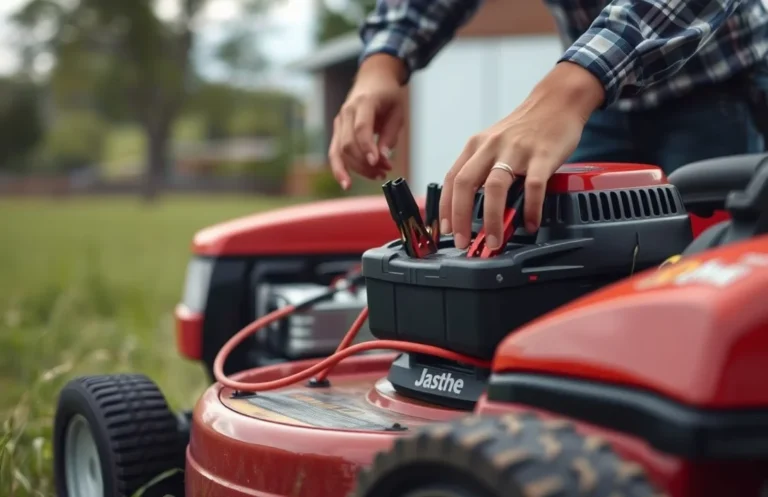
- Your car’s engine *can* run without a battery if you bypass the ignition switch using jumper cables or a power drill, but this is a temporary workaround that ignores underlying electrical issues.
- Without a battery, your vehicle’s computer (ECU) loses memory, resetting critical settings like fuel trim and timing, which can lead to rough idling or poor performance.
- Modern cars with start-stop systems will fail to restart after shutting off because the battery powers the stop-start mechanism, which relies on instant voltage to reactivate the engine.
- Your headlights, radio, and other electronics will flicker or shut off intermittently as the alternator struggles to maintain voltage without a stable reference from the battery.
- Driving without a battery voids your manufacturer’s warranty on electrical components, as the alternator and wiring are designed to work in tandem with the battery’s voltage regulation.
| Scenario | What Happens | Risk Level |
|---|---|---|
| Jump-started engine | Engine runs but electronics may glitch or shut off | High |
| Battery disconnected mid-drive | Car may stall or enter limp mode | Critical |
| Alternator-only power | Headlights dim; radio cuts in and out | Moderate |
| Start-stop vehicle without battery | Engine fails to restart after stop | Critical |
| Long-term battery absence | Alternator overheats from unregulated voltage | Critical |
Batteries That Actually Answer the Question
If you’re wondering whether your car *can* run without a battery, the better question is: *why risk it? * The real solution is choosing a replacement that not only starts your engine but also keeps up with your vehicle’s electrical demands.
Below are nine AGM batteries built to handle everything from freezing mornings to the constant drain of modern tech, ensuring your car starts, and stays, running without electrical gremlins. These picks focus on longevity, cold-weather reliability, and compatibility with today’s power-hungry vehicles.
|
1
|
ACDelco Gold 48AGM (88864541) 36 Month Warranty AGM BCI Group 48 Battery |
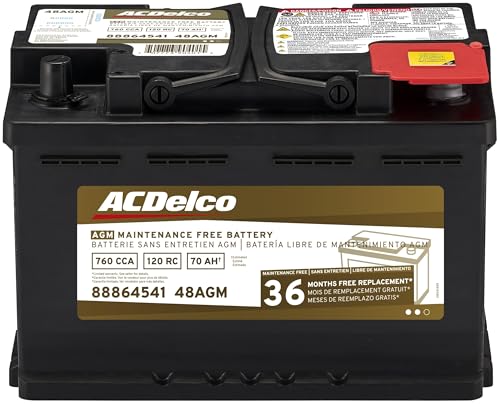
The ACDelco Gold’s high-density paste and Silver Calcium alloy resist sulfation, making it a smart pick for cars that see a lot of short trips where conventional batteries wear out faster.
The ACDelco Gold 48AGM battery is built for the long haul, with high-density negative paste that boosts performance and extends battery life. Its Calcium lead positive grid maximizes conductivity, reducing resistance for efficient power delivery.
The puncture-resistant envelope separator prevents shorts and keeps acid circulating, which helps the battery stay cool and last longer. Backed by a 36-month warranty, this is a battery designed for drivers who want reliability in stop-and-go traffic or long highway drives.
If your daily commute involves frequent short trips, this battery’s enhanced life alloy helps fight off sulfation, a common killer of flooded batteries. That said, its larger size means you’ll want to double-check fitment, especially in compact cars.
For those who value durability and consistent power without the risk of leaks or internal corrosion, the ACDelco Gold is a dependable choice.
|
2
|
Mighty Max Battery MM-H6 Start and Stop Car BCI Group Size 48 12V 70 AH, 120RC, 760 CCA Re |

With 760 CCA and a 120-minute Reserve Capacity, the Mighty Max MM-H6 handles cold starts and long idling periods with ease, making it ideal for harsh climates and power-hungry vehicles.
The Mighty Max MM-H6 is engineered for toughness, delivering 760 cold-cranking amps for quick starts in freezing weather and a 120-minute Reserve Capacity to keep power flowing during extended stops. Its sealed AGM design means no spills or leaks, and the rugged build resists shock and vibration.
Whether you’re facing a brutal winter or a scorching summer, this battery keeps performing.
This battery shines in extreme conditions or vehicles with start-stop systems, as its deep discharge recovery keeps power steady through repeated cycles. The trade-off is its bulkier size, which may not fit in older or smaller cars without verification.
If you need a battery that can take a beating and keep going, the Mighty Max MM-H6 is built to last.
|
3
|
Weize Platinum AGM Battery BCI Group 48-12v 70ah H6 Size 48 Automotive Battery, 120RC, 760 |

Weize’s 70AH capacity and 760 CCA make it a strong performer in cold weather, with faster recharging to keep up with high-demand vehicles.
The Weize Platinum AGM Battery packs a 70AH capacity and 760 CCA rating, ensuring quick starts even in freezing temperatures. Its design is tailored for vehicles with start-stop systems and high-power accessories, offering consistent power output and faster recharging than standard batteries.
The wide operating temperature range (-22°F to 158°F) and low self-discharge rate mean it holds up in almost any climate, even after long periods of inactivity.
This battery is a great match for performance cars or those with advanced infotainment systems, as it handles increased power demands without dropping off. Just be mindful of the tapered terminals, precise installation is key to avoiding fitment issues.
For drivers who need a battery that keeps pace with modern vehicle demands, the Weize Platinum delivers steady performance with minimal upkeep.
|
4
|
ACDelco Gold Automotive Battery 94RAGM | PN 88864542 | 12V Car Battery AGM Group 94R/H7 Ba |

ACDelco’s Group 94R/H7 sizing and 36-month warranty make it a natural fit for luxury vehicles, where exact fit and long-term reliability are non-negotiable.
Designed for premium vehicles, the ACDelco Gold 94RAGM battery features a leak-resistant pressurized valve system and high-density plate construction for dependable performance. Its Group 94R/H7 sizing ensures a precise fit for select Audi, Mercedes-Benz, and other high-end models, while the 36-month warranty offers added confidence.
The robust envelope separators and advanced AGM technology prevent acid leakage and internal shorts, making this battery a solid choice for performance-oriented applications.
This battery is tailored for luxury car owners, as its engineering aligns with the power demands of modern high-end vehicles. The downside is the premium price tag, which reflects the specialized design.
If you drive a luxury car and need a battery that meets manufacturer standards, the ACDelco Gold 94RAGM is a trusted option.
|
5
|
Weize Platinum AGM Battery BCI Group 94R – 12v 80ah H7 Size 94R Automotive Battery, 140RC, |

Weize’s 80AH capacity and 850 CCA rating deliver the muscle needed for cold starts and extended runtime, perfect for vehicles with heavy electrical loads.
The Weize Platinum AGM Battery (Group 94R) offers an 80AH capacity and an 850 CCA rating, ensuring reliable starts and steady power in extreme cold. Its 140-minute Reserve Capacity supports longer runtimes, making it a great fit for vehicles with start-stop technology and high-power accessories.
The operating temperature range (-22°F to 158°F) ensures performance in nearly any climate, while the low self-discharge rate keeps it charged during long periods of inactivity.
This battery is ideal for drivers who need a high-capacity solution for modern vehicles with advanced features, as it handles increased power demands without faltering.
The tapered terminals require careful installation, but for those who want a battery that balances power and reliability, the Weize Platinum AGM delivers consistent performance with little maintenance.
|
6
|
Weize Platinum AGM Battery BCI Group 35 Automotive Battery, 100RC, 650CCA, 36 Months Warra |

Weize’s Group 35 size and 100RC rating pack serious power into a compact package, making it a great fit for smaller cars that still need reliable cold-weather starts.
The Weize Platinum AGM Battery (Group 35) delivers a 55AH capacity and 650 CCA rating in a compact size, ensuring reliable starts in cold weather. Its 100-minute Reserve Capacity supports extended runtimes, and the sealed AGM design prevents acid leaks and corrosion.
The battery’s heat and cold resistance make it a strong choice for vehicles operating in extreme temperatures, while its low self-discharge rate ensures it retains charge over time.
This battery is well-suited for smaller vehicles or those with limited space, as its compact size doesn’t compromise performance. However, it’s only recommended for cars that originally came with an AGM battery, downgrading to a flooded battery can cause compatibility issues.
For drivers who need a reliable, space-efficient battery, the Weize Platinum AGM is a solid performer with minimal maintenance.
|
7
|
Mighty Max Battery MM-H5 Start and Stop Car BCI Group Size 47 12V 60 AH, 100RC, 680 CCA Re |

The Mighty Max MM-H5 balances 680 CCA and 100RC for dependable starts and runtime, making it a versatile option for everyday driving.
The Mighty Max MM-H5 battery offers a 680 CCA rating for reliable cold-weather starts and a 100-minute Reserve Capacity for extended runtime. Its sealed AGM design ensures spill-proof operation, while the rugged construction resists shock and vibration, making it a practical choice for daily driving.
Built in an ISO-certified facility, this battery meets CE standards for quality and safety, providing peace of mind for drivers who want a no-fuss solution.
This battery is a great fit for drivers who need a dependable, all-purpose battery for their daily commute, as it handles the demands of urban driving without the complexity of high-performance vehicles.
Its lower capacity compared to larger batteries may not be enough for cars with heavy electrical loads, but for most everyday drivers, the Mighty Max MM-H5 delivers consistent performance with ease.
|
8
|
Mighty Max Battery MM-G35 Start and Stop Car BCI Group Size 35 12V 55Ah, 100RC, 650 CCA Re |

The Mighty Max MM-G35 offers a compact 650 CCA and 100RC rating, packing power into a smaller footprint for tight spaces.
The Mighty Max MM-G35 battery is designed for compact vehicles, offering a 650 CCA rating for reliable cold-weather starts and a 100-minute Reserve Capacity for extended runtime. Its sealed AGM design prevents acid leaks and corrosion, while the rugged construction ensures durability in tough conditions.
Built to meet CE standards, this battery balances performance and safety, making it ideal for smaller cars or trucks with limited space.
This battery is tailored for drivers who need a reliable, space-efficient solution for their smaller vehicle, as its compact size doesn’t sacrifice performance. However, its lower capacity may not be sufficient for vehicles with heavy electrical loads or frequent short trips.
For those who prioritize fit and function in a smaller car, the Mighty Max MM-G35 delivers steady power with straightforward installation.
|
9
|
Weize Platinum AGM Battery BCI Group 24F Automotive Battery, 120RC, 710CCA, 36 Months Warr |

Weize’s 710 CCA and 120RC rating provide quick starts and extended runtime, making it a strong mid-range option for vehicles with moderate power needs.
The Weize Platinum AGM Battery (Group 24F) combines a 710 CCA rating with a 120-minute Reserve Capacity, ensuring quick starts and reliable performance in cold weather. Its advanced AGM technology resists heat and cold, making it suitable for a wide range of climates.
The battery’s low self-discharge rate ensures it retains charge over long periods, while enhanced safety features reduce the risk of acid leaks or explosions. Backed by a 36-month warranty, this battery is built for durability.
This battery is a good fit for drivers who need a reliable mid-range solution for their vehicle, as it handles moderate electrical loads without the complexity of high-performance applications. Its slightly larger size may require fitment verification for some cars.
For those seeking a balance of power and longevity, the Weize Platinum AGM Battery delivers consistent performance with minimal upkeep.
These nine AGM batteries cover a wide range of needs, from compact cars to luxury vehicles, cold climates to high-performance applications. Whether you prioritize cold-weather starts, extended runtime, or exact fitment for your vehicle, there’s an option here that keeps your car running smoothly without electrical headaches. The takeaway?
Your car *can* run without a battery for a short time, but doing so risks serious damage to your electrical system. Investing in the right replacement now saves you from costly repairs, and the frustration of a dead battery, later.
How to Choose the Right Battery for Your Vehicle
Picking the right battery isn’t about grabbing the most expensive or highest-rated option, it’s about matching your car’s specific needs. Your vehicle’s age, the climate you drive in, and its electrical demands all play a role in determining which battery will keep things running smoothly.
This section walks through the key considerations, from checking your car’s battery group size to understanding the differences between AGM and flooded batteries. We’ll also point out red flags to steer clear of when shopping for a replacement.
| Factor to Consider | What It Means for Your Battery Choice | Example |
|---|---|---|
| Vehicle Group Size | Ensures physical fit and compatibility with your car’s battery tray | Group 48 for sedans, Group 94R for luxury vehicles |
| Cold Cranking Amps (CCA) | Measures starting power in cold weather; higher CCA = better cold-weather performance | 760 CCA for extreme cold, 650 CCA for mild climates |
| Reserve Capacity (RC) | Indicates runtime with alternator failure; higher RC = longer runtime | 120RC for urban driving, 100RC for highway use |
| Battery Type (AGM vs. Flooded) | AGM batteries are sealed and spill-proof; flooded batteries require maintenance | AGM for modern cars, flooded for older vehicles |
| Warranty Duration | Longer warranties indicate manufacturer confidence in longevity | 36 months for premium batteries, 12 months for budget options |
- Always verify your vehicle’s battery group size using your owner’s manual or Amazon’s Confirmed Fit tool to avoid purchasing the wrong size.
- Prioritize AGM batteries for modern vehicles with start-stop technology, as they handle frequent charge cycles better than flooded batteries.
- Check your local climate: Higher CCA ratings are essential for cold regions, while longer Reserve Capacity is useful for urban drivers with frequent stops.
- Avoid batteries with extremely low CCA or RC ratings, as they may struggle to meet your vehicle’s power demands, especially in extreme conditions.
- Look for warranties of at least 12 months, but 36 months is ideal for long-term reliability and peace of mind.
Common Mistakes When Replacing a Battery
Replacing a battery seems simple, but small mistakes can lead to big problems, like frying your car’s electrical system or voiding your warranty. Many drivers overlook critical steps, such as verifying compatibility or properly installing the new battery.
This section highlights the most common pitfalls and how to avoid them, so your battery replacement goes off without a hitch.
Skip verifying your vehicle’s battery group size, leading to a battery that doesn’t fit or causes electrical issues.
Use jumper cables or a jump start as a permanent solution instead of addressing the underlying battery problem.
Fail to clean the battery terminals before installation, which can cause poor connections and reduced performance.
Purchase a battery without checking its CCA and RC ratings for your climate, resulting in unreliable starts or early failure.
Ignore the battery’s polarity when installing it, which can reverse electrical flow and damage sensitive components.
Assume all AGM batteries are interchangeable with flooded batteries, leading to compatibility issues in modern vehicles.
One of the biggest mistakes is assuming any battery will work in your car. For example, installing a flooded battery in a vehicle designed for AGM technology can lead to corrosion and electrical failures, as the car’s systems expect the lower internal resistance of AGM cells.
Skipping terminal cleaning before installation can also cause corroded connections, reducing power flow and leading to intermittent electrical issues. Another common error is not checking the battery’s physical dimensions, even if the group size matches, a slightly larger battery might not fit securely in the tray.
Finally, improper disposal of old batteries is a risk, as they contain hazardous materials that must be recycled to avoid environmental harm.
Maintenance Tips for Extending Your Battery’s Life
Even the best battery won’t last forever, but with the right care, you can extend its lifespan significantly. Simple maintenance habits, like regular inspections and smart charging practices, can prevent premature failure.
This section shares practical tips to keep your battery in top shape, from monitoring voltage levels to avoiding deep discharges. A little effort now can save you a lot of trouble later.
Inspect Terminals for Corrosion
Corroded terminals are a frequent issue that reduces power flow and can eventually damage your battery. To clean them, mix baking soda and water into a paste, then scrub the terminals with a wire brush before reconnecting. This ensures a strong connection and prevents voltage drops.
Check your terminals every six months, or whenever you notice flickering lights or a slow engine crank, early signs of corrosion buildup.
Monitor Voltage Levels
A fully charged battery should read around 12. 6 volts when the engine is off. If it’s consistently below 12 volts, your battery may be weakening and in need of replacement. Use a multimeter to check voltage regularly, especially before long trips or in extreme temperatures.
A gradual voltage drop is normal, but a sudden drop could indicate a failing battery or alternator issue. Catching these early can prevent you from being stranded with a dead battery.
Avoid Short Trips Without Long Drives
Frequent short trips prevent your battery from fully recharging, as the alternator doesn’t have enough time to restore the charge. If your driving mostly consists of short jaunts, try to take a longer drive at least once a week to allow the battery to recharge completely.
This is especially important in cold climates, where batteries lose charge more quickly. AGM batteries handle short trips better than flooded batteries, but even they benefit from occasional long drives to maintain peak performance.
Use Parasitic Drains Wisely
Leaving lights, electronics, or accessories on while the engine is off drains your battery quickly. Always turn off non-essential features before exiting your vehicle, even for short periods. If you’re parked for an extended time, consider using a trickle charger to maintain the battery’s charge, particularly in extreme climates.
Some modern vehicles also have parasitic drains from features like alarms or infotainment systems, which can deplete the battery over time if left unchecked. Disabling unnecessary features can extend your battery’s life significantly.
Your car *can* run without a battery for a few moments, but doing so risks damaging your electrical system, voiding warranties, and leaving you stranded. The smarter move is choosing the right replacement battery that fits your car’s needs.
Start by confirming your vehicle’s battery group size, consider your climate’s demands, and pick an AGM battery with the appropriate CCA and Reserve Capacity. Then, keep up with simple maintenance like cleaning terminals and avoiding short trips to extend its lifespan. Your next step?
Grab a multimeter, check your battery’s voltage, and if it’s weak, swap it out with one of the options above, before you’re left staring at a dashboard that won’t light up.

- 10 Best Battery For Generator Ev Battery Bank Marine 2026 - October 27, 2026
- 10 Best Battery For Generator Ev Battery Bank Lto 2026 - October 27, 2026
- 10 Best Battery For Generator Ev Battery Bank Low Voltage 2026 - October 27, 2026