Difference Between Agm And Std Battery
If your priority is safe charging, the most important spec is the battery type and its charging profile. A common mistake is using a generic charger or assuming every lead-acid battery is maintenance-free. Before you hook anything up, check the battery label for ‘AGM’, ‘VRLA’, or ‘Flooded/Lead-Acid’, and set your charger to the matching chemistry.
Difference between AGM and STD battery: AGM is a sealed VRLA battery that traps electrolyte in glass mats, needs no watering, and tolerates vibration; standard flooded is a wet 12V cell with free electrolyte that requires periodic distilled water top-ups and upright mounting.
AGM Battery Overview
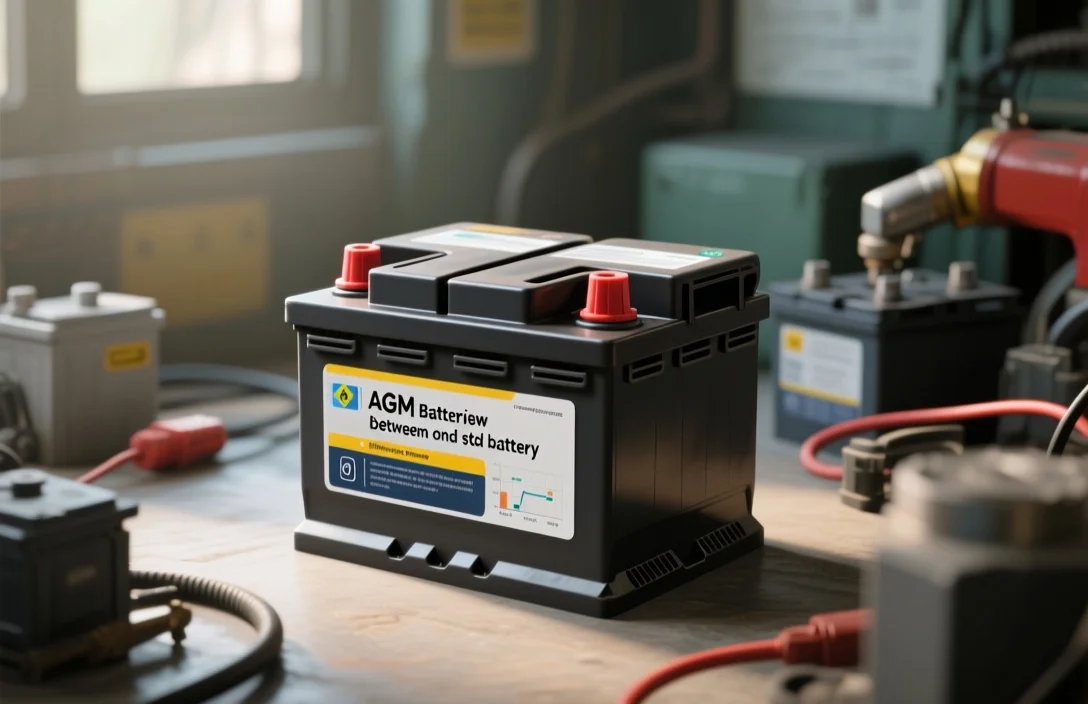
An AGM battery is a sealed lead-acid battery that traps electrolyte inside absorbent fiberglass mats placed between the plates, so gas produced during charge is recombined internally and the cell vents only under extreme pressure. AGM cells have lower internal resistance than many flooded cells, which gives them stronger short-term current delivery and better vibration tolerance.
Construction Details
AGM stands for Absorbent Glass Mat, which means thin glass-fiber mats sit directly against the positive and negative plates and hold the sulfuric acid in place by capillary action, instead of allowing free liquid. The container is sealed and usually has a pressure-relief valve, so the battery is classified as valve-regulated lead-acid, or VRLA.
The plate material and mat spacing change by design, depending on whether the AGM is built for starting or cycling. Starting AGMs use thinner plates and more surface area to provide high cold-cranking amps, while deep-cycle AGMs use thicker plates to tolerate deeper discharges, though they still differ from purpose-built flooded deep-cycle cells.
Key Features
AGM batteries are low-maintenance, can be mounted on their side in most cases, and have lower self-discharge than typical flooded batteries. They handle high discharge rates well, so they are common for automotive start-stop systems, UPS units, motorcycles, and many marine applications where vibration and orientation matter.
Practical tip: use a charger with an AGM setting or confirm the voltage/amperage profile matches the battery label. Charging with an incompatible flooded profile can cause overheating or shortened life.
| Attribute | AGM | Standard Flooded (brief contrast) |
|---|---|---|
| Electrolyte containment | Electrolyte held in glass mats, sealed case | Liquid electrolyte, vented caps |
| Maintenance | Maintenance-free under normal use | Requires periodic water topping for many types |
| Vibration/orientation | Better vibration tolerance, can be mounted more ways | Less tolerant, must stay upright usually |
| Cost and replacement | Higher upfront cost | Typically lower cost per amp-hour |
For example, choose AGM if you need a sealed, low-maintenance battery for a UPS, motorcycle, or a vehicle with frequent vibration and short high-current draws. If your use is heavy, repeated deep discharges where cost per cycle is critical, compare flooded deep-cycle options in the next section.
Safety note: never ignore heat, swelling, or a charging system that shows abnormal voltage. Check manufacturer labels and charger compatibility before connecting, and replace cells showing physical damage or chronic overheating.
Standard Lead-Acid Battery Overview
A standard flooded lead-acid battery is a vented battery that uses liquid sulfuric acid electrolyte bathing lead plates, with removable or sealed caps for topping up water. It is the industry baseline for cost, serviceability, and simple construction, and it differs from sealed types because the electrolyte is free-moving and the battery must be vented during charge.
Construction is straightforward: thick lead alloy plates, porous separators, and liquid electrolyte inside a hard plastic case. Cells are connected in series inside the case to reach nominal voltages, and external caps or vent plugs allow gas and liquid exchange during charge and overcharge.
| Feature | Standard Flooded (this section) | AGM (brief contrast) |
|---|---|---|
| Electrolyte | Free liquid sulfuric acid, sits around plates, can be topped up | Electrolyte absorbed in glass mat, sealed cells |
| Maintenance | May require periodic water topping and terminal cleaning | Usually maintenance free, no topping required |
| Venting and installation | Must be vented, upright mounting preferred, risk of spills | Sealed and can be mounted in more orientations |
| Cost and serviceability | Typically lower purchase cost and easy to service or replace cells | Higher upfront cost but lower routine service needs |
Safety note: flooded batteries can vent hydrogen and will spill acid if tipped, so install them in a ventilated area, wear eye and hand protection when servicing, and never use household chargers not rated for flooded lead-acid chemistry. Check for swelling, cracked cases, or strong sulfur smells and stop using damaged units immediately.
For example, a workshop or off-grid battery bank where budget and the ability to service cells on site are priorities will often use flooded batteries. If you must install a battery inside a cabin, tight compartment, or vehicle space where spills and venting are a problem, sealed options may be better despite higher cost.
Performance Comparison
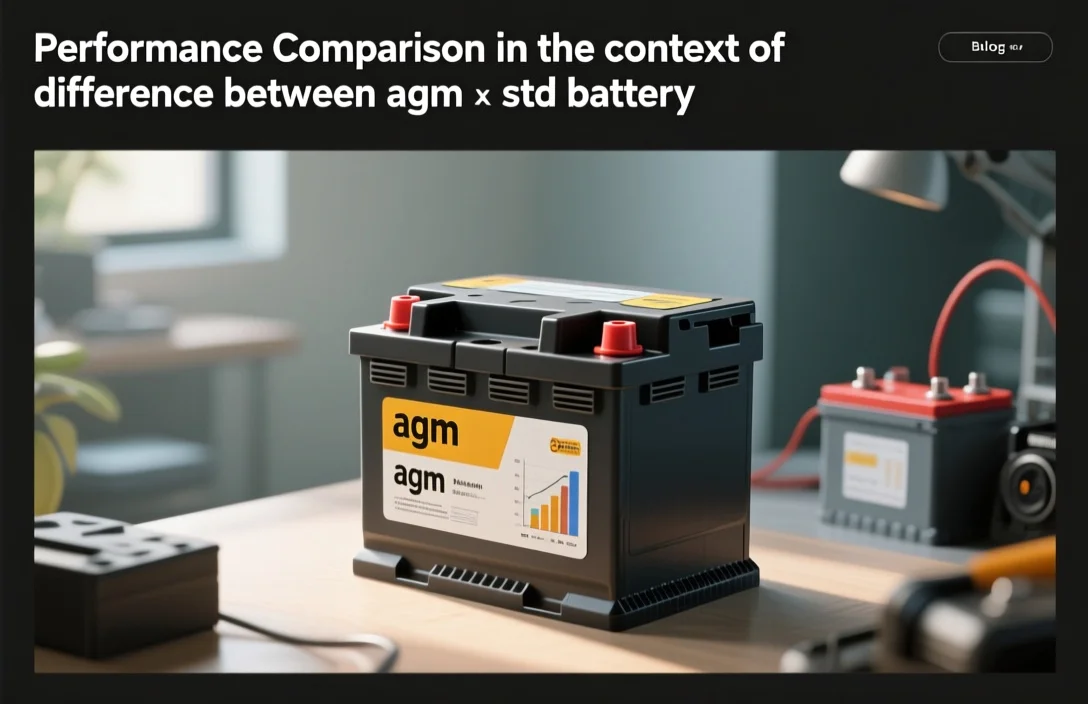
AGM batteries generally last longer and tolerate vibration and partial state-of-charge duty better than standard flooded lead-acid batteries, though they need tighter charge-voltage control and can degrade faster at high temperature. Flooded batteries cost less up front, tolerate rough charging and overcharge events better, and remain easier to repair or revive with maintenance, but they require regular water top-ups and typically show shorter life in deep-cycle service.
Lifespan and Durability
AGM cells are sealed with absorbent glass mat separators that hold electrolyte against the plates, which reduces stratification and internal corrosion. That construction gives AGM better resistance to vibration and lower self-discharge, so they often reach more useful cycles when used in applications with frequent starts, cycling, or movement.
Flooded batteries expose plates to liquid electrolyte and rely on periodic equalization and watering to maintain health. They can tolerate overcharge events better because gassing is expected and excess electrolyte can be replaced, but repeated deep discharges and lack of maintenance accelerate plate shedding and sulfation, shortening lifespan.
| Metric | AGM | Flooded (STD) |
|---|---|---|
| Cycle robustness | Higher under shallow to moderate cycles | Lower for deep-cycle use unless specifically designed |
| Vibration resistance | Better | Worse |
| Self-discharge | Lower | Higher |
| Temperature sensitivity | More sensitive to heat | More tolerant of wide charge conditions |
| Maintenance need | Low (sealed) | High (watering, equalizing) |
Maintenance Requirements
Flooded batteries need scheduled checks: top up distilled water, inspect for corrosion and cracks, and perform periodic equalization charging if the system or manufacturer recommends it. Missing those steps causes stratification and sulfation, which are common failure modes for flooded cells and are often evident as reduced capacity or slower recharge acceptance.
AGM batteries remove watering tasks, but they demand correct charger settings, especially float and bulk voltages, and avoidance of sustained overvoltage or high-temperature operation. Using a charger with an AGM profile prevents overcharging and premature capacity loss, and occasional voltage checks and load tests will reveal health trends without invasive maintenance.
Practical choice: choose AGM where low maintenance, vibration resistance, and cleaner installation justify higher cost; choose flooded where lower initial cost and field serviceability matter most.
Cost Analysis
AGM batteries usually cost more up front than standard flooded lead-acid batteries, but they cut service and enclosure costs and often reduce total cost over the life of the system for installations that demand sealed, low-maintenance units. Which option is cheaper overall depends on duty cycle, replacement labor, and how often the battery is cycled or left at partial state of charge.
Initial Costs
AGM cells are typically priced higher at purchase because they use glass-mat separators, tighter sealing, and more assembly steps, while flooded batteries use simpler plates and liquid electrolyte. Flooded batteries are cheaper per amp-hour on the shelf, so if you buy multiple units to hit a capacity target the sticker shock for flooded is lower.
Installation affects initial spend. Flooded batteries may require battery boxes, venting, and periodic topping with distilled water, adding parts and labor. AGM batteries are sealed and can often be mounted in tighter spots, which can save on enclosure and ventilation costs even though the batteries themselves cost more.
| Cost Item | AGM | Flooded (Standard) |
|---|---|---|
| Purchase price | Higher up front | Lower up front |
| Installation & accessories | Often lower (no venting, flexible mounting) | Often higher (venting, boxes, acid-safe trays) |
| Maintenance cost | Low (sealed, little service) | Recurring (water top-ups, cleaning) |
| Charger requirements | May need AGM-capable profile | Standard lead-acid charger works |
| Replacement risk | Lower in vibration or sealed installs | Higher if neglected or cycled deeply |
| Disposal/recycling | Similar recycling cost | Similar recycling cost |
Long-Term Value
Calculate long-term value by converting expected life into cost per cycle or cost per year. AGM often lasts longer under heavy cycling, partial state of charge, or vibration, which lowers cost per cycle despite higher purchase price. Flooded batteries can be very economical if you perform regular maintenance and avoid deep discharges.
Other long-term costs include downtime for replacement, shipping and disposal fees, and labor for maintenance, all of which favor AGM where access is difficult or service labor is expensive. If your system uses a compatible charger and you expect frequent cycling, AGM can be cheaper over the expected service life; if you can maintain flooded batteries regularly and want the lowest initial spend, flooded will usually be cheaper.
For example, a remote backup system with hard-to-reach batteries can justify higher AGM purchase price because reduced site visits and longer replacement intervals turn into clear savings over 3 to 7 years.
Applications of AGM Batteries
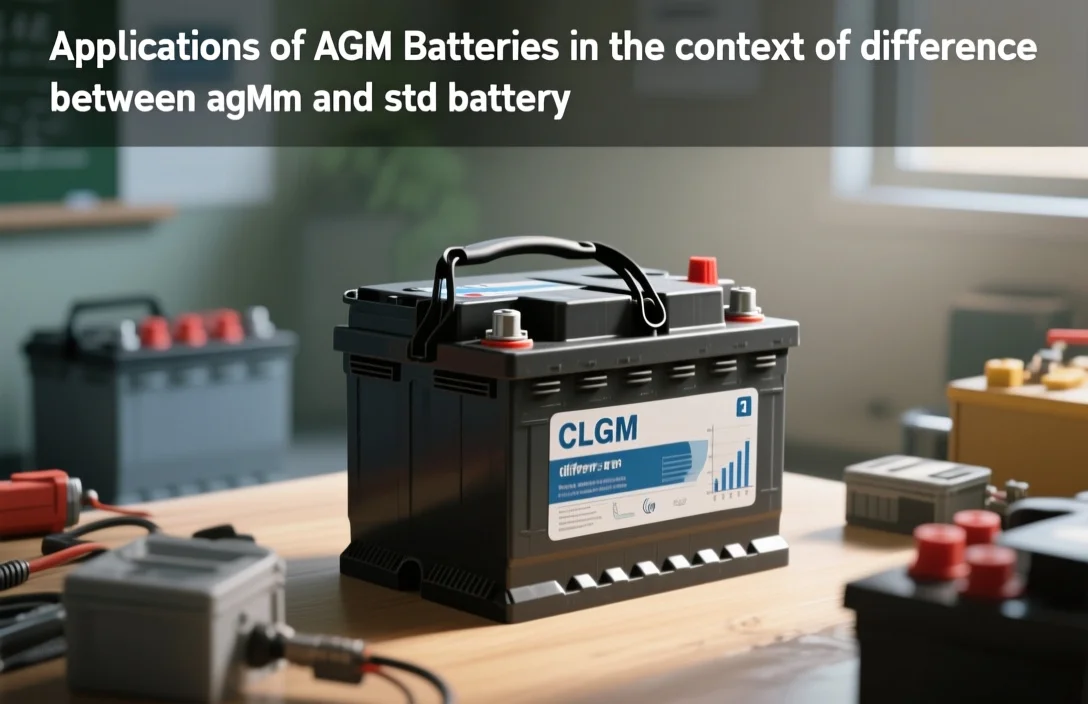
AGM batteries are sealed lead-acid cells that keep electrolyte in glass mats, so they tolerate vibration, can be mounted in varied orientations, and require no watering. That combination makes them preferred where maintenance access is poor, where vehicles have lots of electronics or frequent engine stop-start cycles, and where indoor or enclosed installations need a sealed battery.
Automotive Uses
AGM is commonly chosen for modern cars with start-stop systems, heavy accessory loads, or multiple electronic control units because AGM accepts charge quickly and recovers voltage faster after a load. That helps with quick restarts and keeps voltage stable for onboard electronics during idling or short trips.
For dual-battery setups in campers, overlanding rigs, or boats, AGM is often the safer, lower-maintenance option when owners want a sealed battery that handles vibration and can be mounted under seats or sideways. The trade-off is cost; AGMs usually cost more per amp-hour than flooded batteries, and they can be damaged by sustained overcharging because they cannot be topped with water.
Renewable Energy Systems
In off-grid solar and backup inverter systems, AGM is selected when users need a maintenance-free battery that can be installed indoors or in cabinets without venting. AGM has lower self-discharge than many flooded designs, so it holds charge well between sunless days and is useful for weekend cabins or short-term backup.
However, for long-life deep-cycle use where frequent full discharges and periodic equalization are planned, flooded batteries remain attractive because they tolerate controlled overcharge and watering, which can extend useful life if the owner performs maintenance. For larger, permanent off-grid installations where service is accessible, flooded cells often win on cost per cycle.
| Attribute | AGM advantage | Flooded contrast |
|---|---|---|
| Maintenance | Sealed, no watering | Requires periodic water and inspection |
| Mounting | Flexible, upright or sideways | Usually must stay upright |
| Charge acceptance | Good for quick charging and start-stop | Slower acceptance, tolerates equalization |
| Cost per Ah | Higher | Lower |
Practical rule: choose AGM when low maintenance, vibration resistance, or indoor sealed installation matter; choose flooded when you can perform maintenance and need lower upfront cost for heavy deep-cycle use.
Applications of Standard Batteries
Standard lead-acid batteries are primarily used in automotive, marine, and renewable energy systems due to their durability and cost-effectiveness. These batteries are favored for applications that require high power outputs and a reliable energy source over an extended period.
Marine Uses
Standard batteries are commonly employed in marine environments for starting engines and powering onboard electronics. Their construction allows them to withstand the vibrations and harsh conditions typical in marine settings.
General Applications
Beyond marine use, standard lead-acid batteries are found in various general applications, such as in uninterruptible power supplies (UPS) and as backup power sources. Their ability to deliver substantial power over time makes them a reliable option for many users.
While standard lead-acid batteries are effective in many applications, they do have limitations, particularly in terms of maintenance and lifespan compared to AGM options. Users should consider their specific needs and the environment in which they will be used to determine the most appropriate choice.
Safety Considerations
AGM batteries are sealed and normally vent far less gas than standard flooded lead-acid batteries, while flooded batteries will release hydrogen and oxygen during charge and require regular water topping and ventilation. Both types can overheat, swell, or fail if charged with the wrong profile, stored discharged, or placed in hot confined spaces.
Heat Management
AGM cells have lower internal resistance, so they accept charge quickly and can run cooler under moderate loads, but they lose capacity faster and suffer permanent damage if repeatedly exposed to high temperature charging. Flooded batteries tolerate some overcharge because excess charge vents as gas, however that gas presents a combustion and corrosion risk and the plates can warp under high heat.
Do not place either battery in a sealed compartment without ventilation and never use a charger that lacks temperature compensation for batteries in hot environments. Chargers rated for AGM and flooded modes often supply different voltages, so using the wrong charge profile increases heat and the chance of swelling or venting.
Storage Guidelines
Store both AGM and flooded batteries in a cool, dry place and keep them at a partial or full state of charge rather than fully discharged, because sulfation and capacity loss accelerate when left low. AGMs generally hold charge better than flooded cells during storage and will not spill, but they still self-discharge and benefit from periodic charging.
Flooded batteries need periodic water checks and a maintenance charge to prevent plate exposure; storing a flooded battery discharged will quickly damage it. Never mix AGM and flooded cells in the same bank, because different charge voltages and behaviors lead to chronic undercharge or overcharge of one type.
| Safety Topic | AGM | Flooded |
|---|---|---|
| Venting/Gas | Sealed, limited venting under abuse | Active venting of hydrogen/oxygen |
| Maintenance | Low, no water top-up | Requires water top-up and inspection |
| Overcharge Behavior | Can swallow electrolyte and lose capacity | Gasses off water, plates may deform |
| Storage | Better for long storage with periodic float | Needs maintenance charge and water checks |
Warning: Never charge a flooded battery in an unventilated area because hydrogen can accumulate; if you detect swelling, odor, or excessive heat, remove the battery from service and follow disposal or replacement procedures specified by the manufacturer.
Comparison Chart
AGM (Absorbent Glass Mat) batteries and standard flooded lead-acid batteries differ significantly in construction and performance metrics, making them suitable for different applications. AGM batteries are sealed and maintenance-free, while flooded batteries require regular maintenance and venting.
| Specification | AGM Battery | Standard Flooded Battery |
|---|---|---|
| Construction | Sealed, uses absorbent glass mats | Open, uses liquid electrolyte |
| Maintenance | Maintenance-free | Requires regular maintenance |
| Venting | No venting needed | Requires venting to release gases |
| Cycle Life | Higher cycle life (up to 2000 cycles) | Lower cycle life (300-500 cycles) |
| Charging Speed | Faster charging capability | Slower charging capability |
| Temperature Tolerance | Better performance in cold weather | Poor performance in extreme temperatures |
| Weight | Lighter | Heavier |
| Cost | Generally more expensive | Generally less expensive |
| Applications | Ideal for automotive, marine, and renewable energy systems | Common in older vehicles and stationary applications |
Choosing between AGM and standard flooded batteries depends on specific needs. For instance, AGM batteries are preferable for applications requiring high reliability and low maintenance, while standard flooded batteries may suffice for cost-sensitive applications. Evaluating the operational environment and usage frequency is crucial in making the right choice.
Quick Summary
AGM batteries are sealed, absorbed-electrolyte lead-acid types with better charge acceptance and low maintenance, while standard flooded batteries are vented and cheaper.
Frequently Asked Questions
What is the main safety difference between AGM and standard batteries?
AGM batteries are generally safer because they are sealed and spill-proof, which reduces the risk of acid leaks. In contrast, standard lead-acid batteries can leak acid if damaged, posing safety risks.
How does heat affect the performance of AGM versus standard batteries?
AGM batteries can handle higher temperatures better than standard batteries, as they are designed to be more resistant to heat. However, it is best to keep all types of batteries at a moderate temperature to prolong their lifespan.
Which type of battery usually has a longer runtime, AGM or standard?
AGM batteries typically provide a longer runtime compared to standard batteries because they have a lower self-discharge rate, often around 3-5% per month versus approximately 15-20% for standard batteries.
When should I consider replacing my AGM battery compared to a standard battery?
AGM batteries usually last 3-5 years under normal conditions, while standard batteries may only last 2-3 years. Monitor performance and look for signs of wear, such as reduced capacity or difficulty holding a charge.
What common mistake should I avoid when buying an AGM battery?
A common mistake is not checking the CCA (Cold Cranking Amps) rating, which indicates how well the battery can perform in cold conditions. Ensure that the CCA rating meets or exceeds your vehicle’s requirements to avoid performance issues.

- Top 10 Best Solar Battery Installers Qld 2026 - September 12, 2026
- Top 10 Best Solar Battery Deals Qld Reviews 2026 - September 12, 2026
- Top 10 Best Solar Battery Deals Qld Price 2026 - September 12, 2026