How Long Do Toyota Hybrid Batteries Last?
Toyota hybrid batteries are built to last, but “how long” depends more on heat exposure and your specific model than on miles alone. The most common mistake is judging battery health by feel or MPG, when the deciding factor is the hybrid battery’s state of health (and Toyota warranty terms by region). You will get Prius, Camry Hybrid, RAV4 Hybrid, and Corolla Hybrid lifespan ranges in years and miles, plus practical tests, cost options, and safe handling.
Toyota hybrid battery life typically ranges from about 8 to 15 years and 100,000 to 200,000 miles, depending on model (Prius, Camry Hybrid, RAV4 Hybrid, Corolla Hybrid), generation, and heat exposure. Look for Toyota warranty coverage in your region, then check health using warning codes, voltage readings, and diagnostic capacity estimates.
How Long Do Toyota Hybrid Batteries Last?
Recommended Products


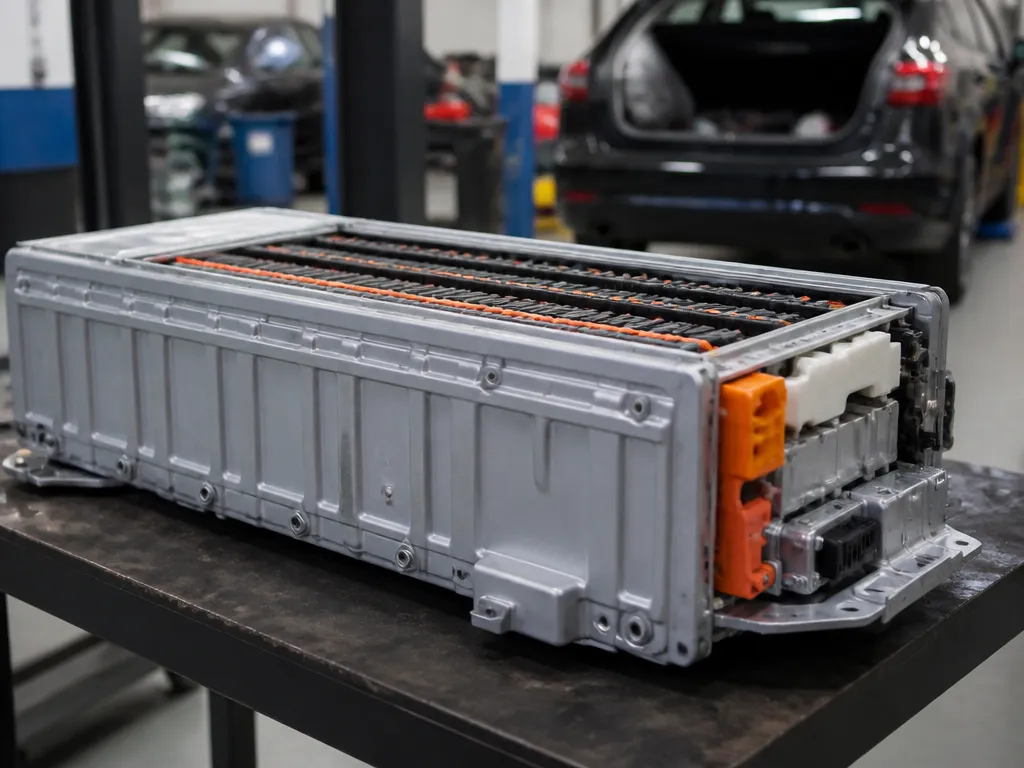
Toyota HEV and PHEV battery packs typically last many years and usually exceed the life of the average ownership period, but the exact lifespan depends more on heat, use pattern, and how “used up” is defined than on a single age or mileage figure. Many owners see capacity decline slowly at first, then more noticeably as the pack accumulates heat and time.
In practice, most replacements happen when performance or charge acceptance drops enough to trigger warning lights or driveability issues, not because the pack suddenly fails.
“Lasting” can mean two different outcomes: capacity still meets expectations (slower EV assistance, less usable reserve) or the system reaches a point where the car flags a fault and limits hybrid operation. Capacity loss is usually gradual, while total failure is less common. Toyota’s warranty coverage often distinguishes between defects and normal degradation, so your definition matters when you judge whether a pack is “good enough” to keep using.
Toyota Warranty Coverage, And What It Usually Does Not Cover
Toyota’s hybrid battery warranty terms vary by region and model year, but the key expectation is that warranty coverage is tied to defects that occur under normal use, not to wear from aging and heat over time. Warranty paperwork often excludes damage from accidents, improper service, flooding, or continued operation after a warning. Warranty wording can also treat “capacity loss” differently from a “failed” battery, so readers should check the exact terms before treating warranty as a guarantee of replacement for any reduced range.
Typical Lifespan Expectations By Model, With Real-world Variability
Prius, Camry Hybrid, RAV4 Hybrid, and Corolla Hybrid use different battery pack designs and thermal strategies across generations, so the best estimates are ranges, not promises. In general, higher heat exposure accelerates capacity loss because lithium-ion chemistries age faster at elevated temperatures, even when they are not being heavily discharged. Driving style also changes stress, aggressive acceleration and frequent high-state-of-charge operation can increase time spent at higher cell voltages.
For example, a Prius that spends most of its life in mild climates with steady commute duty often shows slower capacity decline than a similar-age car driven mostly in hot weather, repeatedly parking at high state-of-charge, or frequently operating at the top end of battery charge. PHEVs add another stress pattern because longer periods at higher charge levels are more common when charging daily for electric-only driving. HEVs also age, but their pack usually cycles through a narrower range and often sits at partial state-of-charge more of the time.
| Model (HEV/PHEV) | Lifespan expectation (typical owner outcomes) | Main factors that move the outcome |
|---|---|---|
| Prius (HEV) | Often many years, with capacity decline that can be gradual in moderate climates. | Heat exposure, time at high state-of-charge, hybrid system use intensity. |
| Camry Hybrid (HEV) | Often many years before meaningful performance concerns for many owners. | Ambient temperature, stop-and-go duty, battery cooling effectiveness. |
| RAV4 Hybrid (HEV) | Often many years; higher load and heavier vehicle use can increase heat buildup. | Hills, towing-like loads, sustained high power demand, climate. |
| Corolla Hybrid (HEV) | Often many years; replacement risk still rises with persistent heat and high charge time. | Frequent short trips, hot-soak conditions, repeated near-max charge. |
| RAV4 Prime and other Toyota PHEVs (PHEV) | Often many years, with aging that is more sensitive to time spent fully charged. | Daily charging habits, storage at high state-of-charge, hot garages. |
Heat is the single biggest “multiplier” behind premature aging, because Toyota hybrids use battery cooling and control strategies that still cannot undo the chemistry’s temperature dependence. Short-trip driving can also matter because the battery may spend more time warming and cooling repeatedly without fully stabilizing, depending on conditions. Charging habits influence PHEVs most, since routine “always full” storage increases time at higher cell voltages.
Across Toyota hybrids, common indicators include reduced hybrid efficiency, more frequent engine run events where the car previously relied on electric assist, and diagnostic trouble codes related to battery performance or temperature. Swollen components, strong overheating smells, or repeated warning lights after normal resets are safety red flags that should be handled by a qualified technician.
Toyota Warranty By Region
Recommended Products

Toyota hybrid battery coverage is usually time and mileage based, and the exact wording changes by country and sometimes by model year. Warranty files often split coverage between the hybrid battery assembly and other related components like the inverter and hybrid control electronics.
Verify your coverage using the Vehicle Identification Number (VIN) through your local Toyota site or an authorized dealer. Before you make any replacement decisions, gather the original purchase date, current odometer reading, and the repair history (especially any prior battery-related inspections).
How To Confirm Warranty Status With Your Vin
For most regions, your VIN is the fastest way to avoid guesswork because Toyota can map terms to model, trim, and production details. Service records help too, since dealers can record earlier diagnostics that may matter if you later claim coverage for a related failure.
Coverage Limits To Watch: Battery Assembly Vs Related Components
Hybrid battery programs often do not cover every labor scenario the same way. Coverage can vary between the traction battery assembly and other components such as the inverter, hybrid control module, cooling components, and wiring harnesses.
Regional Differences (U.s., Canada, Eu/uk, And Other Markets)
Toyota warranty terms differ by region due to local regulations and consumer-protection rules. The most common differences you will notice are the coverage duration (years) and mileage limits, plus how emissions-related warranties are layered on top of powertrain coverage.
For example, Canada and the United States often use their own warranty book formats, and EU or UK markets may refer to separate consumer warranty frameworks for emissions and certain durability obligations. Check your paperwork for the country-specific warranty booklet, not the label from a different market.
| What to check in your paperwork | Why it matters |
|---|---|
| “Hybrid battery” coverage term and limit (years and miles or kilometers) | Determines how long replacement or repair of the traction battery is covered |
| Covered components list (battery assembly vs inverter and hybrid control electronics) | Prevents surprises when the diagnosed failure points to a related part |
| Whether prior repairs or replacements affect eligibility | Some plans require Toyota-authorized service documentation |
| Claim process wording (authorized dealer requirement, documentation) | Impacts whether an approved claim can be submitted smoothly |
What To Do If A Warning Light Appears While Covered
When a hybrid warning light appears during the warranty window, document the event and get the vehicle diagnosed promptly by an authorized Toyota service department. Delaying diagnosis can complicate claims if the failure turns into secondary damage.
Safety note: If the hybrid system reports overheating or an abnormal battery-related condition, follow the owner’s manual instructions and avoid repeated starts or extended driving. Warranty coverage does not override safe operating guidance when the battery cooling system or electronics are under stress.
Degradation Signs And Warnings
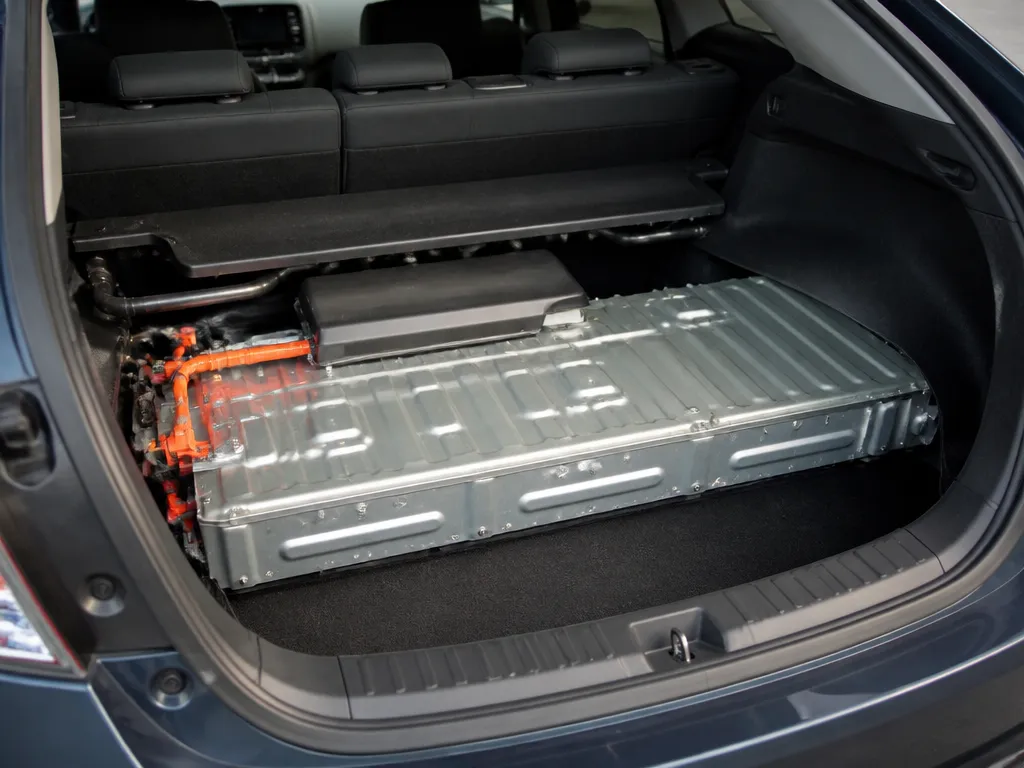
Hybrid high-voltage battery weakness in a Toyota usually shows up through repeated changes in power delivery, fuel economy, and drivetrain behavior, with dash warnings that often come and go. Those symptoms can also be caused by inverter, HV ECU, or sensor faults, so the warning icons and stored codes matter as much as the “battery age.”
Toyota Driver Symptoms That Correlate With Hv Battery Decline
Powertrain behavior that feels “off” is the first clue. Toyota hybrids manage engine and motor assist aggressively, so a tired battery or a HV system issue often creates patterns you can notice over several trips, not a single weird drive.
For example, a Prius, Camry Hybrid, RAV4 Hybrid, or Corolla Hybrid that starts holding higher engine RPM more often during gentle acceleration may be compensating for limited HV battery charge acceptance. When that pattern persists, it is a stronger clue than a one-off event.
Diagnostic Clues: Codes And Freeze-frame Snapshots
HV battery diagnosis should begin with what the vehicle recorded, not only what you feel. Many hybrid faults store DTCs for the battery ECU, contactors, insulation monitoring, inverter, or cooling components, and freeze-frame data shows conditions at the time the fault was detected.
If the codes point mainly to cooling, contactors, current sensors, or inverter communication, the “battery is bad” conclusion becomes less likely. Those issues can mimic battery decline because they limit safe current flow.
Heat, Odor, And Physical Warning Signs (Stop-driving Level)
Any sign of overheating or damage to the high-voltage components is a safety issue. Toyota hybrids include protective design elements, but you should treat abnormal heat, burning smells, or smoke as an immediate stop condition, not a “keep an eye on it” situation.
If you ever see smoke, feel excessive heat near the hybrid battery area, or smell burning electronics, stop driving and seek professional help immediately. High-voltage systems are not a DIY repair zone.
Battery Health Vs Other Causes That Feel Identical
Battery aging is only one piece of the hybrid system. Inverter faults, DC-DC converter issues, cooling failures, contaminated battery coolant paths, and wiring or sensor problems can all trigger “battery-like” symptoms such as limited assist or MPG decline.
In practice, persistent hybrid warnings with DTCs tied to current sensing, cooling operation, contactor control, or insulation monitoring often lead to repairs that restore normal behavior without replacing the battery. Battery replacement becomes more likely when the DTC pattern repeatedly indicates HV battery module imbalance or loss of capacity under both charge and discharge conditions.
How To Test Health Safely
Toyota hybrid battery health is best assessed with OEM-style diagnostics, because the most useful metrics come from the battery control module, not from guessing at voltage at the service plug. Safe checks can still be done at home by watching for warning patterns and using only externally accessible readings, but DIY cell-level measurements are where mistakes become dangerous.
For Prius, Camry Hybrid, RAV4 Hybrid, and Corolla Hybrid battery packs, “health” usually shows up as performance and charging behavior, plus control-module parameters like internal resistance and calculated capacity. Dealer and independent hybrid shops can pull live data during key-on and during short drive cycles, which is more informative than a single static voltage reading.
Dealer/tech Testing (Non-destructive, Repeatable)
Request a scan that includes battery ECU or hybrid control module data, then ask the technician to run Toyota-appropriate diagnostic routines if they see abnormal values. The goal is to capture what the control system is doing under load, which is where weak modules usually reveal themselves.
Voltage readings can help interpret a problem, but voltage alone is a poor health test for hybrid packs because the pack is managed as a system. Technicians treat pack voltage as a sanity check while focusing on resistance, power flow limits, and trouble codes.
Diy Boundaries (What To Measure And What To Avoid)
Home testing should stay outside the high-voltage path. Avoid opening the pack, removing service covers, probing internal wiring, or trying to “balance” modules. Swollen, hot, or leaking pack components are a stop-work trigger, because damage can be present even when readings seem normal.
When discussing results, ask the technician to explain the specific parameters they used and whether any battery ECU stored codes relate to resistance growth, cooling performance, or charge acceptance limits. This keeps the assessment grounded in measurements the hybrid system already trusts.
Capacity Loss: Miles And Years
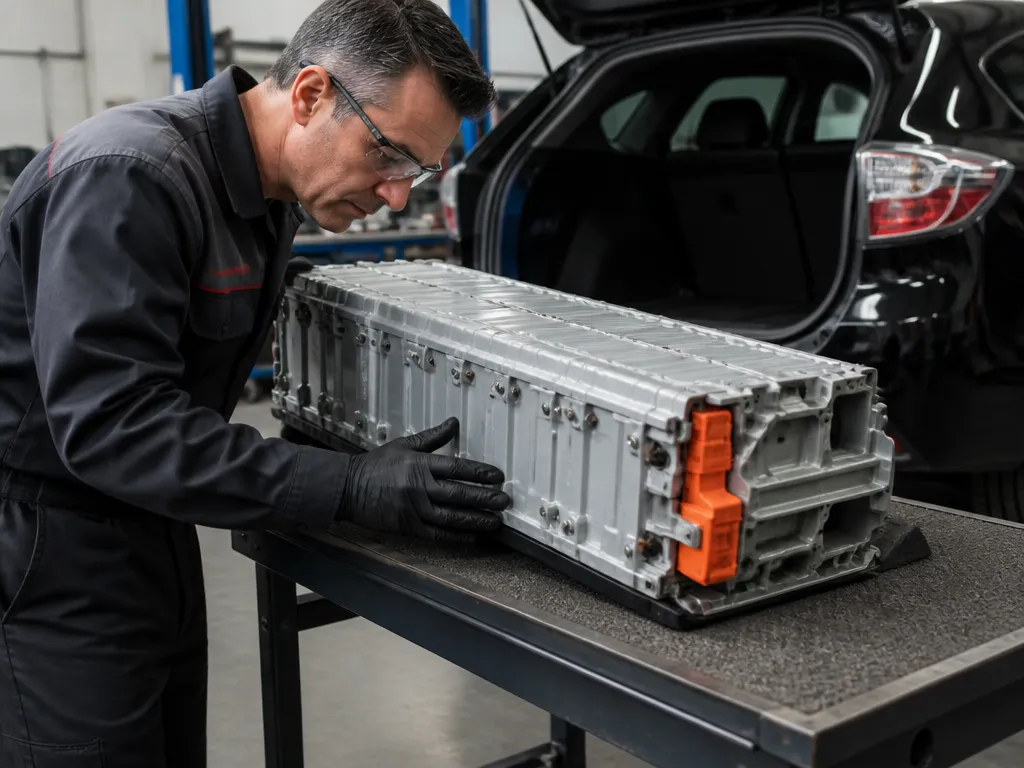
Toyota hybrid battery aging comes from both time (calendar aging) and use (electrochemical wear from charge-discharge cycles).
In practice, owners often notice the biggest real-world change as reduced hybrid assist and a drop in “efficiency feeling” before a true failure, but the exact mileage and year point varies a lot by model year and driving profile.
What “Lasts” Usually Means: Drift, Then Threshold
Hybrid battery performance usually degrades gradually, so “how long” is best read as a timeline of capacity loss and usable power. Calendar aging pushes capacity down even if you drive lightly, because heat exposure and internal chemistry changes continue while the battery sits.
Cycle aging depends on how often the battery swings between higher and lower states of charge, which is influenced by route type, stop-start frequency, and how hard the system charges during deceleration. That is why two owners with the same Toyota hybrid model can report very different “replacement likelihood” even at similar odometer readings.
| Driver pattern | Battery aging signal you may notice | Why it happens |
|---|---|---|
| Stop-start traffic | Less boost feel, more engine running to maintain momentum | More frequent charge-discharge swings and thermal cycling |
| High-speed cruising | Smaller assist changes, efficiency may still drift slowly | Fewer swings, but sustained heat load can still matter |
| Hot climate driving | Earlier performance drift, more frequent efficiency complaints | Higher average battery temperature accelerates both calendar and cycle aging |
Climate And Cooling System Interaction
Toyota hybrid packs are temperature-managed, so battery life is tightly linked to how well the cooling system keeps the pack in a reasonable range. Heat is a double hit: it increases aging rate and it also raises the odds that the battery spends longer near higher internal temperatures, especially during repeated hills or fast highway runs.
Under-cooling is a hidden driver of faster capacity loss. For example, if the hybrid cooling system has low coolant, restricted flow, or sensors report a fault that changes how the system limits battery power, the car may protect the pack by reducing assist output sooner.
Stop-start Vs Highway: Different Wear Patterns
Stop-start driving creates many partial cycles as the system captures braking energy and then requests assist frequently. Even if each swing is modest, the repetition increases cycle count and thermal transitions, which can shift capacity and the battery’s ability to deliver power on demand.
Highway cruising is often less “cycle heavy,” yet it can still drive heat accumulation because the battery may be held in a narrower operating band for long stretches. Owners sometimes see efficiency drift sooner in hot regions than in cool regions at the same mileage, even when both vehicles have similar driving styles.
Long-term Storage: Time Still Matters
Long storage can still cost capacity because the pack experiences calendar aging while sitting, and it can also develop conditions like uneven cell balance that show up later as reduced performance or more conservative power requests. Extended storage in a hot garage or in direct sun adds heat exposure that speeds aging.
For storage periods, the practical milestone is not “waiting until it fails,” it is planning ahead: keep the car in a reasonable temperature environment, follow Toyota’s guidance for storage readiness, and avoid letting the vehicle sit for very long without any driving at all if you have the option.
“Capacity loss” is not a single event. For a Toyota hybrid, it usually shows up as gradual reductions in how often the system can deliver assist and how confidently it can stay in an efficient operating state, which is why mileage alone rarely predicts the outcome.
Replacement Options And Costs
Toyota hybrid battery replacement paths are usually OEM new, OEM remanufactured, third-party remanufactured or refurbished, and used packs pulled from wrecked cars. Pricing varies most with labor time, whether the shop replaces related components, and what warranty the seller actually backs.
Before buying any replacement, verify the exact fit and support terms. Confirm your Prius, Camry Hybrid, RAV4 Hybrid, or Corolla Hybrid uses the same battery technology and pack generation, and match it by model year range, your VIN, and the battery code or label on the failed pack.
What To Ask For On Every Quote
Every quote should include the battery part identifier, warranty duration, and whether the warranty covers installation labor and taxes. Ask the shop to list the exact procedure for testing and the diagnostic report they use to confirm the battery is the problem, because a hybrid system can throw battery-related codes for other faults.
Ask about “like-for-like” compatibility, especially cooling hardware and electrical connectors. Replacement packs can be compatible in a broad sense but still differ by software, wiring harness, or cooling components, so insist on VIN-matched confirmation in writing.
Ask whether the replacement is new, remanufactured, refurbished, or used, and what that wording means in their process (cell-level rebuild versus pack swap versus reconditioned housing). Used packs can work, but warranty is often shortest and proof of capacity is limited.
| Option | Typical trade-offs | Warranty and transfer checks to request | Compatibility checks to insist on | Cost drivers to expect |
|---|---|---|---|---|
| OEM new | Usually highest price, simplest paper trail | Verify whether warranty covers labor + parts and if it is transferable with the sale | VIN match, battery label match, same pack generation | Diagnostics, install labor time, related service parts |
| OEM remanufactured | Lower than new, still tied to OEM process | Verify labor coverage and whether replacement warranty starts at install date or original purchase date | VIN match and battery code match | Core charge handling, diagnostics, install labor time |
| Third-party remanufactured / refurbished | Great variance in quality and proof of testing | Request a written warranty scope that states parts and labor coverage, warranty term length, and exclusions (coolant, sensors, shipping damage) | VIN match plus pack code match, ask for test results for the cells or module balance | Warranty-backed test documentation, labor time, related parts swaps |
| Used pack | Lowest upfront price, highest uncertainty | Ask for the warranty term in months and whether it includes labor to reinstall; confirm if it is non-transferable | VIN match and battery label match, confirm cooling components compatibility | Diagnostics, install labor, possible follow-up repairs if capacity is poor |
Typical replacement pricing is hard to pin down without your region, your exact hybrid system, and what the shop finds during diagnostics. Cost drivers you can plan for are the diagnostic time, the labor billed for pack removal and reinstallation, and any “while-you’re-here” parts such as service hardware or fluids that the installer recommends or requires.
Replacement documentation should include a clear warranty statement and a core policy if you are paying a core charge. If the warranty does not explicitly cover labor, factor in that reinstalling a hybrid pack can erase the savings from buying a cheaper unit.
Safety sign to stop and escalate: swollen battery casing, strong overheating odor, damaged orange high-voltage cables, or any evidence of water intrusion. Stop shopping until the seller can explain the cause of failure and confirm the replacement process includes safe handling and proper inspection.
Extend Battery Life In Daily Use
To extend service life, keep the battery cooling intake clear, follow the maintenance schedule, avoid blocking ventilation openings, and use smooth acceleration when conditions permit. Regular inspections are especially useful for vehicles operated in dusty environments or used for frequent short trips.
When To Shop And Diagnose
Hybrid battery replacement should be treated as a last decision after confirming the 12V system and pulling Toyota hybrid-related codes. A weak 12V battery or a charging issue can trigger symptoms that look like a worn hybrid pack, causing re-diagnostics if you skip the first checks. Start with safety, then evidence, then health testing with the right tools.
Warning Signs That Justify Fast Action
Overheating or physical damage is the priority. If you see bright orange residue, smell hot electronics, notice smoke, or detect swelling or an impact-dented pack, stop driving and plan an immediate inspection. A damaged battery is a safety hazard, replacement is the likely outcome, and you should avoid DIY testing.
Charging and performance warnings are also action triggers when they persist. If you get repeated “hybrid system” messages, loss of regenerative braking, or the engine starts more often than usual across multiple trips, gather codes and proceed to scan-based troubleshooting.
Step-by-step Troubleshooting Sequence (What To Do In Order)
Start with a scan, then verify the supporting power systems. Toyota hybrids depend on a healthy 12V battery for stable control and communication, so testing order matters.
For example, a repeating hybrid warning with unstable voltage on the scan tool can point to 12V weakness. A weak 12V can cause control-module resets, which can set hybrid codes that go away once the 12V is fixed.
Avoiding Bad Bets: Test The 12v System And Inverter Path First
Common trap: replacing the hybrid battery when the 12V system is the root cause. Before authorizing a hybrid pack replacement, confirm the 12V battery condition and charging behavior, including voltage stability during crank and key-on. If the 12V is borderline, replace it first and clear codes so you can see what returns.
Inverters and power electronics can also create symptoms that look like “battery wear.” If codes implicate inverter, DC-DC converter, or high-voltage isolation faults, ask the technician to explain which measurement shows the pack itself is failing, versus which stage is limiting power.
Questions To Ask Before Approving Replacement
Ask for the exact evidence, not a guess based on mileage. You want the technician to point to the specific diagnostic results that indicate battery degradation and to separate “fault detected” from “component failed.”
For example, if the technician says “hybrid battery is failing” but cannot show captured health data from the diagnostic routine, request a printout or a recorded screenshot from the scan tool session. If they cannot provide it, treat that as a red flag for upsell risk.
After Replacement: Confirmation Checks To Prevent Repeat Visits
Post-replacement expectations are about proving the fix, not just clearing lights. After installing an OEM or approved replacement (and any required supporting parts), verify that hybrid system warnings stay off through a short drive cycle that includes steady speed and a few moderate accelerations.
In practice, recurring warnings within the first few trips usually point to an unresolved 12V or power electronics issue, a wiring/connectivity problem, or an incomplete repair. Waiting months can hide the pattern, so document early behavior before requesting further troubleshooting.
Quick Summary
Toyota hybrid battery life is typically discussed in both years and miles, and this article says it usually falls around 8 to 15 years and 100,000 to 200,000 miles, with big variation by model and heat exposure rather than miles alone. It also warns against judging health by feel or MPG, saying the more deciding factor is the hybrid battery state of health plus the Toyota warranty wording for your region.
Capacity loss is usually gradual, while sudden total failure is less common. Warranty terms, regional coverage, replacement quality, and safe handling all affect the ownership decision.
Frequently Asked Questions
How Long Do Toyota Hybrid Batteries Typically Last Before They Need Replacement?
Toyota hybrid battery life depends heavily on driving style, climate, and how the vehicle was maintained, so there is no single guaranteed number. As a planning rule, many owners see multi-year service, but exact expectations vary by model and generation, so check your vehicle model year and battery warranty terms for the most reliable timing guidance.
How Can I Tell If My Toyota Hybrid Battery Is Failing Or Near End Of Life?
Look for symptoms like reduced electric-only drive, frequent battery-related warning lights, or changes in fuel economy, and then confirm with a scan tool that can read the hybrid battery codes. If you see warning lights or stored DTCs, stop driving if overheating or flashing warnings occur and get the system inspected promptly.
What Charger Or Power Adapter Compatibility Matters When Maintaining A Toyota Hybrid Battery?
You generally do not “charge” a Toyota hybrid high-voltage battery with a normal charger, because it is designed to charge through the vehicle’s systems like regenerative braking and the engine, not by plugging in. For any battery service work, you should use Toyota-approved diagnostic tools and procedures, since mismatched charging methods can be unsafe and can damage the pack.
Is It Safe To Keep Using A Toyota Hybrid With A Hot Battery Pack?
Hybrid battery packs run warm during heavy load, but persistent overheating, damage indicators, or repeated warning messages are not normal. If the battery area smells hot, shows leaks, or warnings persist, have it inspected soon, because heat is one of the strongest accelerators of battery aging.
When Is The Right Time To Replace A Toyota Hybrid Battery, And What Is A Common Buying Mistake?
Replacement is usually considered when diagnostics confirm battery module degradation or fault codes that affect performance or safety, not just because the battery is “older.” A common mistake is buying non-matching replacements or relying on vague compatibility listings, so verify the exact hybrid battery part number, model year, and warranty/service plan before you purchase.

- 10 Best Battery For Generator Battery Safety System 2026 - October 12, 2026
- 10 Best Battery For Generator Battery Safety Option 2026 - October 12, 2026
- 10 Best Battery For Generator Battery Safety 2026 - October 12, 2026