How Long Do Rechargeable Batteries Last?
Battery life is a numbers game, and the most important spec is cycle life plus calendar age. A lithium phone battery can feel “dead” in 2 to 5 years even if you barely used it, because time and heat age cells. I’ll show you how long common rechargeable chemistries last (cycles and years), what shortens life fastest, and how to spot replacement time on real devices, power banks, UPS units, and solar setups.
Rechargeable batteries last from about 300 to 5,000 charge cycles and roughly 2 to 15 years, depending on chemistry and conditions. Li-ion and Li-poly are often around 300 to 500 cycles (about 2 to 5 years in phones and laptops). NiMH is often 500 to 1,000 cycles (about 5 to 10+ years in low-drain use). LiFePO4 and deep-cycle lead-acid typically last longer.
How Long Do Rechargeable Batteries Last?
Recommended Products


Rechargeable cells “last” in two ways: cycle life (how many full charge and discharge cycles they survive) and calendar life (how long they age while sitting unused). Real-world service is usually limited by capacity fade, higher internal resistance, or safety limits like swelling, not by a fixed number of charges.
Capacity loss is the practical end-point most people notice first. As batteries age, voltage sag increases under load, run time drops, and some devices start acting “underpowered” even when the battery looks charged. Safety red flags matter too, especially for lithium packs: heat, odor, discoloration, and swelling mean stop using the cell or pack.
Cycle Life Vs Calendar Life (What Actually Sets The Clock)
Cycle life depends on how deeply you discharge, how often you charge, and how hot the battery gets during use and charging. Calendar life depends more on time, temperature, and how long the cell sits at high state of charge. For lithium types, frequent time spent near full charge and high temperatures can shorten life even if you do not use many cycles.
In practice, two users with the same battery can see very different longevity. A power tool used every weekend may hit cycle limits after years, while a rarely used gadget that sits warm and plugged in can age faster from calendar effects. The charger and charging routine also matter because they control peak voltage and temperature.
| Battery chemistry | Typical “last” limit you’ll see | Common service range (cycles and/or years) |
|---|---|---|
| Li-ion / Li-poly (phones, many packs) | Capacity fade, voltage sag under load | Often around 300 to 1000 cycles or 2 to 5 years (varies heavily with temperature and charge level) |
| LiFePO4 (many power stations, e-bikes) | Very steady discharge, strong cycle endurance | Often around 1000 to 3000+ cycles or 5 to 10+ years with sensible temperatures |
| NiMH (AA/AAA rechargeables) | Capacity fade and higher self-discharge | Often around 500 to 1000 cycles or 3 to 7 years |
| NiCd (industrial packs, legacy) | “Aged” capacity, memory effects with poor charging (context-dependent) | Often around 1000+ cycles or 5 to 10+ years in suitable care |
| Lead-acid (car, UPS, some backup systems) | Sulfation, reduced capacity from undercharging | Often around 200 to 500 cycles or 3 to 5 years for cyclic use (float service can be longer, but depends on charging control) |
What “replacement time” looks like is consistent across chemistries: run time falls noticeably, the device needs earlier recharges, and charging becomes slower or triggers heat or repeated charge failures. For lithium packs, swelling is an immediate stop-use signal even if they still “work.” For any chemistry, a battery that gets hot during charging or use, shows damaged connectors, or smells odd should be treated as unsafe.
Common mistakes that cut longevity fastest are using the wrong charger, using a damaged cable or connector (high resistance causes heat), and storing batteries in hot spaces or fully charged for months. Practical longevity improves when you store cool, avoid unnecessary full-charge time, and charge with a charger meant for that battery type.
Chemistry Lifespans And Real Use
Recommended Products


Rechargeable batteries age in two ways: cycle life (number of charge-discharge cycles) and calendar life (time, even if you do not use them). In real devices, you usually replace batteries when usable capacity drops to about 70 to 80% of original, or when charging behavior becomes unstable. Lab cycles can be much longer than what you see in phones, laptops, tools, and power stations.
Typical cycle and year ranges depend on chemistry and depth of discharge (how much of the battery you use).
For example, lithium-ion and lithium-poly cells are often rated in the hundreds of cycles, while power tools and solar habits can push them down by running deep cycles more often. Nickel-metal hydride (NiMH) and nickel-cadmium (NiCd) can last longer in years when the device is stored well, but cycle count changes a lot with how deeply you drain them.
| Chemistry (common uses) | Cycle life (order-of-magnitude) | Calendar life (order-of-magnitude) | What most affects real lifespan |
|---|---|---|---|
| Li-ion / Li-poly (phones, laptops, many power banks) | ~300 to 1,000+ cycles | ~2 to 5+ years | High state-of-charge storage, heat, fast charging, deep discharges |
| NiMH (AA/AAA rechargeables, low-drain remotes) | ~500 to 1,000 cycles | ~3 to 10 years | Partial drains are gentler, frequent deep cycling shortens life |
| NiCd (legacy power tools, some RC) | ~1,000+ cycles (varies widely) | ~5 to 10+ years | Memory-like behavior from repeated partial cycles, aging from long storage |
| LiFePO4 (many power stations, some tools) | ~2,000 to 5,000+ cycles | ~5 to 10+ years | Depth of discharge is a huge lever, heat and charge voltage still matter |
| Lead-acid deep-cycle (UPS, solar storage, some inverters) | ~200 to 1,500 cycles | ~3 to 8 years | Do not over-discharge, and keep it maintained (especially flooded types) |
For Li-ion and Li-poly, daily life often beats the cycle rating in the wrong direction because heat and “mostly full” storage are common. Many laptops and phones keep cells near high charge for convenience, which accelerates aging even if you charge only once per day.
For NiMH AAs, low-drain devices like remotes and clocks can stretch calendar life, even if cycle count is modest. NiMH tends to tolerate partial use well, but frequent deep discharges and repeated slow charge with poor cutoff control can shorten useful capacity.
For NiCd, older tools and RC cars can still work because NiCd can handle many cycles and is less sensitive to partial cycling than early “memory effect” folklore implies. Real-world lifespan still depends on whether the pack is kept healthy (charged correctly and not stored fully discharged for long periods).
For LiFePO4 in power stations, the depth of discharge is the biggest driver. Shallow cycling (using a small portion of capacity repeatedly) can preserve cycle life far better than routinely draining near empty, even though LiFePO4 is usually more tolerant than typical lithium-ion.
For lead-acid deep-cycle units in UPS and storage, maintenance and discharge discipline matter more than brand. Flooded batteries need correct water levels, chargers need the right profile, and repeated deep discharges shorten life quickly; sealed AGM types avoid watering but still age with heat and over-discharge.
Replacement reality check: if a battery charges slowly, reaches a full-charge state unusually fast, or loses a large portion of runtime in a few weeks, treat it as worn even if cycle meters look “fine.”
Cycle Life Killers
Recommended Products


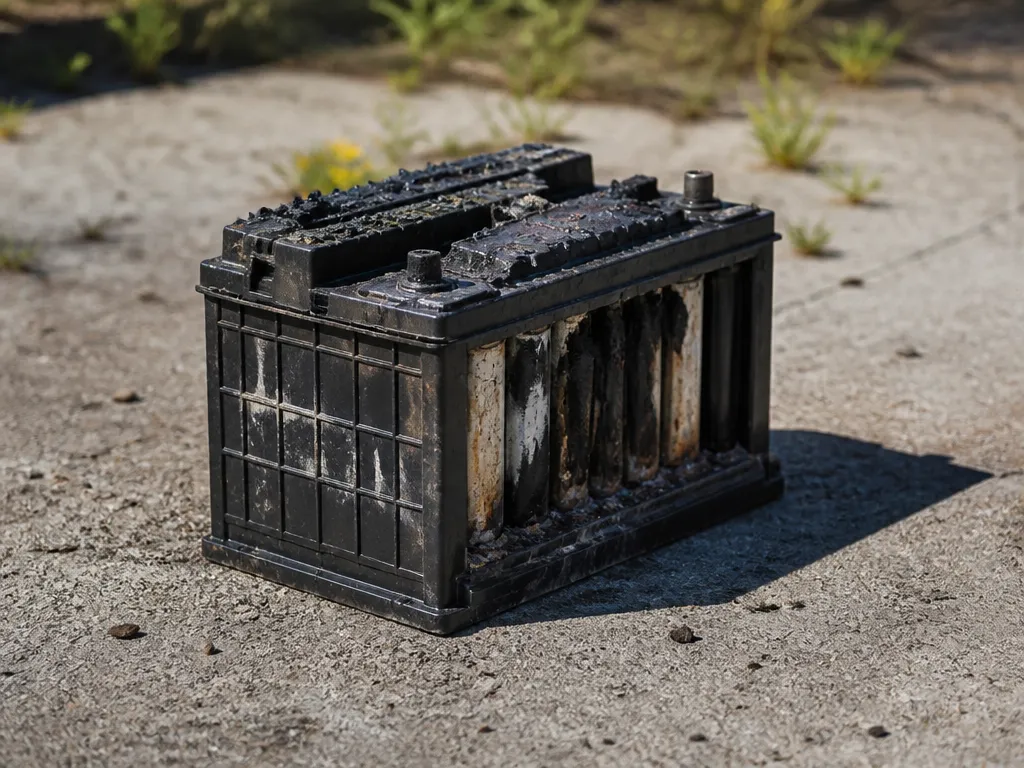
Cycle life falls when batteries experience stress that accelerates internal wear, mainly lithium plating, loss of usable electrode material, and electrolyte breakdown. The fastest cycle-life killers stack up: high charge time at elevated state of charge, heat, aggressive charge rates, and deep discharge patterns that drive cells near voltage and current limits.
Depth of discharge (DoD) strongly changes how many cycles you get because it controls how much active material moves and degrades each time. For lithium-ion based cells, running to near-empty repeatedly increases the chance of copper dissolution and lithium plating during charging, which can permanently reduce capacity. For nickel chemistries, deeper swings increase the number and severity of electrode changes and can worsen memory-like effects in some use patterns.
High state of charge (SOC) time at rest is a hidden cycle-life killer, because many degradation reactions keep running even when you are not using the battery. Leaving a device at full charge for weeks is harsher than using it and returning it to mid SOC, because elevated voltage increases side reactions in lithium systems and raises corrosion and self-discharge related losses in nickel systems.
Temperature is the multiplier behind most other causes. Heat speeds up chemical reactions and can push the battery into conditions where the charge acceptance drops, leading chargers to work harder, run longer, or reduce current late in the charge. Cold can also reduce charge acceptance and cause higher voltage gradients during charging, increasing internal stress even if the pack feels “fine.”
Charge rate, expressed as C-rate, drives stress because faster charging increases internal polarization and heat. Higher current can also reduce the time available for diffusion, which raises the risk of lithium plating on the anode and accelerates growth of resistive layers. Ni-based cells can tolerate higher rates better, but aggressive charging still increases heat and gas management demands.
Frequent partial cycling can be worse or better depending on how you cycle and whether the charger holds the cell near full often. Many small cycles at moderate SOC can be gentler than rare deep cycles, but if your routine is “top off to full every time,” the high SOC dwell dominates. Long cycles can create fewer SOC transitions, yet they still punish heat and high-current operation if the battery is driven hard.
Overcharge and undercharge are charger behavior problems as much as battery problems. Overcharge adds time at high voltage and can trigger venting or permanent degradation in multiple chemistries; undercharge can push nickel systems toward incomplete electrode cycling and makes capacity readings look worse than the cell truly is. Smart chargers reduce this risk by tapering current and stopping correctly, but cheap or mismatched chargers can overshoot or use unsafe control loops.
Calendar Life Causes
Recommended Products


Batteries wear out even when they are not being cycled, mostly because the chemistry keeps aging at the temperatures and charge level you store them at. The biggest day-to-day calendar killers are high state of charge (SOC), elevated temperature, and time spent sitting in a partially depleted or overfull condition. Storage rules change by chemistry because lithium, NiMH, NiCd, and lead-acid all age through different internal mechanisms.
Lithium-ion and lithium-poly (common in phones, laptops, power banks) age faster at high SOC and heat because the electrodes continue slow chemical reactions. High SOC increases stress on the cathode and can drive side reactions that reduce usable capacity permanently.
For NiMH cells (AA/AAA rechargeables), calendar aging is strongly affected by self-discharge and storage drift. NiMH can lose charge while sitting, and repeated cycles of being “found dead” lead to more use of the battery in a stressed condition. Lead-acid (car batteries, many UPS units) ages through grid corrosion in the plates and electrolyte changes, and it is sensitive to undercharge for long periods.
For NiCd (less common today but still used in some tools and older UPS systems), memory is often less of a real-world problem than people think, but calendar aging still occurs. NiCd tolerates deeper cycling better than many lithium packs, yet it still experiences corrosion and electrolyte changes with time, especially when stored hot.
What You Should Do With Storage Soc And Temperature
Storage temperature drives calendar aging in every chemistry, with faster loss at higher temperatures. Heat accelerates internal reactions, and cool storage slows them, so a battery left in a hot car or near a heater will age far sooner than one kept indoors.
State-of-charge strategy is chemistry-specific, and “set and forget” is the usual mistake. Lithium packs should be stored partly charged rather than at 100%, and frequent topping up to full while warm can quietly shorten life. Lead-acid benefits from staying fully charged with proper float or periodic charging, while NiMH does better with periodic refresh after longer storage.
Common storage mistakes that shorten life include storing lithium at high SOC in a hot environment, storing lead-acid partially charged for long periods, and leaving NiMH to sit discharged for months. Another frequent issue is “charge drift”: devices and chargers vary in how they terminate charge, so a battery can slowly end up at a stress-prone SOC even if you think it is at a safe level.
Calendar aging shows up as reduced capacity and earlier cutoff in low-voltage protection, even when the battery never cycled hard. Lithium cells often look fine initially but lose usable capacity first, while lead-acid may show increased internal resistance and faster voltage sag. NiMH typically shows reduced effective capacity and slower recovery after sitting, especially if stored warm or left depleted.
Charging Safely For Longevity
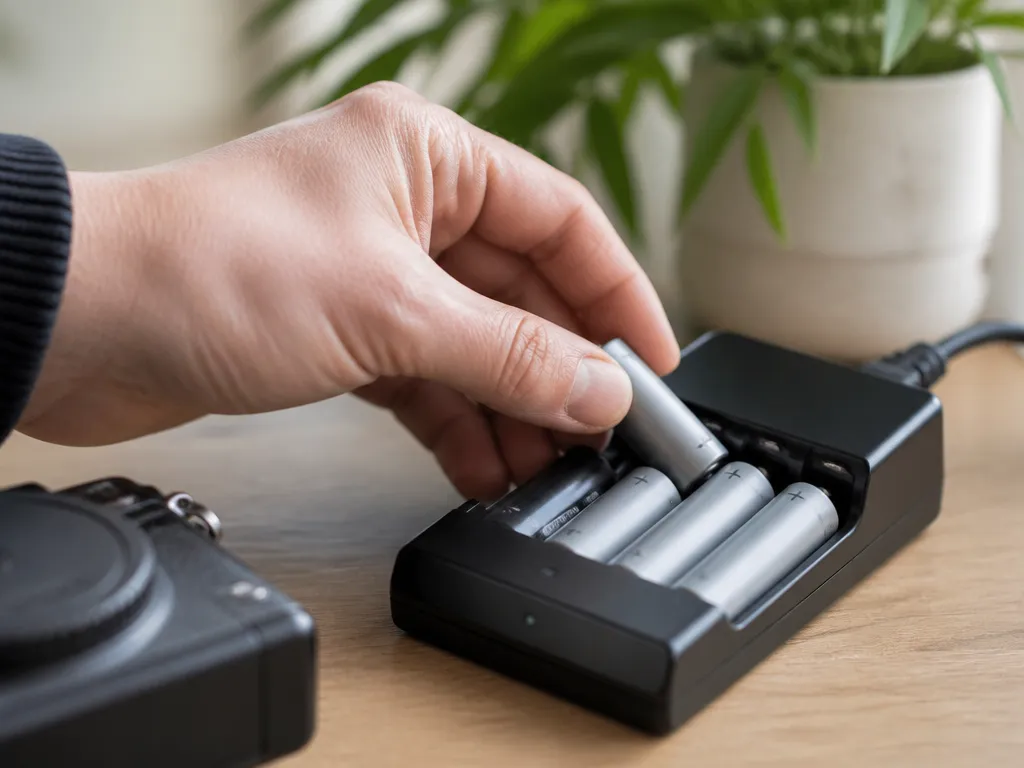
Correct charging is one of the biggest controllable factors in how long rechargeable cells last in real life. Battery longevity drops fastest when the charger’s voltage, current, and charge mode do not match the chemistry, or when heat is allowed to build up during charging.
Start with charger compatibility: a “works for most batteries” charger is a red flag for longevity. Lithium packs need strict voltage limits and usually rely on an internal protection circuit, while NiMH and lead-acid use different charge profiles that can be harmful if applied incorrectly.
Fast Charging Without Frying The Pack
Fast charging is usually harder on batteries because the cell chemistry has less time to stay stable while higher current creates more internal heat. Heat is the enemy that turns “charge time” into “capacity loss,” especially in sealed packs without good thermal paths.
Verify what you can: many devices show charging speed by negotiated power (USB-C PD) or by firmware messages. If you see consistently warm surfaces during charge, reduce charging power or use a slower mode when available.
USB-C PD and power banks need extra attention because the charger is effectively a power negotiation between devices, not just a cable. A power bank that can output 9 V, 12 V, or 15 V can still be wrong for a battery system that expects a specific profile or voltage behavior.
| Charging path | What to verify on labels/menu | Longevity risk if mismatched |
|---|---|---|
| USB-C PD device charging | Requested voltage and wattage in the device, and PD output capability of the power source | Overheating from inefficient conversion or wrong charge stage handling |
| Proprietary DC barrel charger | Exact voltage, current rating, and model compatibility | Chronic undercharge or overcharge, both shorten service life |
| Universal “smart” charger | Chemistry selector and charge current range that matches the battery | Wrong mode can force an unsafe charge profile |
Leave Batteries Plugged In Or Not?
Leaving lithium devices plugged in can be fine for the short term because many chargers and battery management systems stop or taper current once the pack reaches its target charge stage. Longevity gets worse when the device repeatedly warms up in a high-charge state, or when it sits at full charge for long periods in hot environments.
Safety signs to stop charging immediately: swelling, a strong chemical smell, excessive heat, cracked insulation on cables, or visible damage to the battery pack. If any of these appear, stop using the battery and charger together.
Health Checks And Replacement Triggers
Recommended Products


Capacity loss is the fastest measurable sign of aging, even when the battery still reads “full” at idle. For rechargeable packs, replacement is usually triggered by a noticeable drop in usable capacity, higher voltage sag under load, or rising internal resistance that shows up as heat, voltage drop, and early shutdown.
Battery health checks are also about catching failure modes early, especially lithium cells (swelling, venting, hot spots) and lead-acid cells (plate damage, terminal corrosion, heavy stratification). The goal is to decide whether you can keep using the cell safely, or whether you should retire it before performance or safety gets worse.
Decision Thresholds: Replace Vs Continue
Use a “two-signal” rule: replace when you see both reduced usable capacity and a performance symptom under load. Capacity reduction alone can be mistaken for normal usage changes, but capacity plus voltage sag (fast drop under load, early shutdown, or heat) points to real degradation.
For lithium packs in consumer electronics, also watch for pack behavior that changes abruptly after charging cycles. Sudden early shutdown, rapid temperature rise during charging, or cells that consistently reach the charger’s cutoff sooner than usual are strong replacement triggers.
Safety Red Flags That Mean Stop Using
Stop using a rechargeable battery immediately if you see physical deformation or abnormal heat. Swelling, hissing/venting, cracked labels, leaking electrolyte, or a strong chemical smell are “retire now” events because they indicate internal failure and possible thermal runaway risk.
Extend Battery Life With Habits
Battery life drops when temperature and charge habits push the chemistry into stress. Good habits are chemistry-specific, so treat lithium, NiMH, LiFePO4, and lead-acid differently.
Li-ion And Li-poly (Phones, Laptop Packs, Many Power Tools)
Li-ion ages fastest from heat and high state of charge (high voltage), then from deep discharges and frequent full cycles. For long storage, aim for a mid state of charge (roughly half to 60%) and store in a cool, dry place.
For example, if a phone sits at 100% every night, battery health often falls faster than if you charge to a moderate limit and top up only when you need it. If the battery health screen shows rapid decline, change the habit before replacing the pack.
| Chemistry | Storage target | Depth-of-discharge habit | Biggest lifespan killer |
|---|---|---|---|
| Li-ion / Li-poly | ~50 to 60% for storage | Prefer partial cycles, avoid frequent near-empty | Heat and high state of charge |
| LiFePO4 | Often 40 to 60% for long storage | Use moderate depth, avoid repeated extreme extremes | High temperature, overcharge |
| NiMH | Store cool and dry, partly charged | Limit deep cycling when possible | Memory-like effects from repeated shallow/partial patterns and self-discharge loss |
| Lead-acid (flooded/AGM/gel) | Fully charged, then controlled storage | Keep it charged, avoid long deep discharges | Sulfation from low state of charge and chronic over/under charging |
Nimh And Nicd (Aa And Aaa Rechargeables)
NiMH is often more forgiving than lithium for day-to-day use, but it still wears out with heat and with poor cycle habits. Deep cycling every time can cost life, while long hot storage after charging can also hurt.
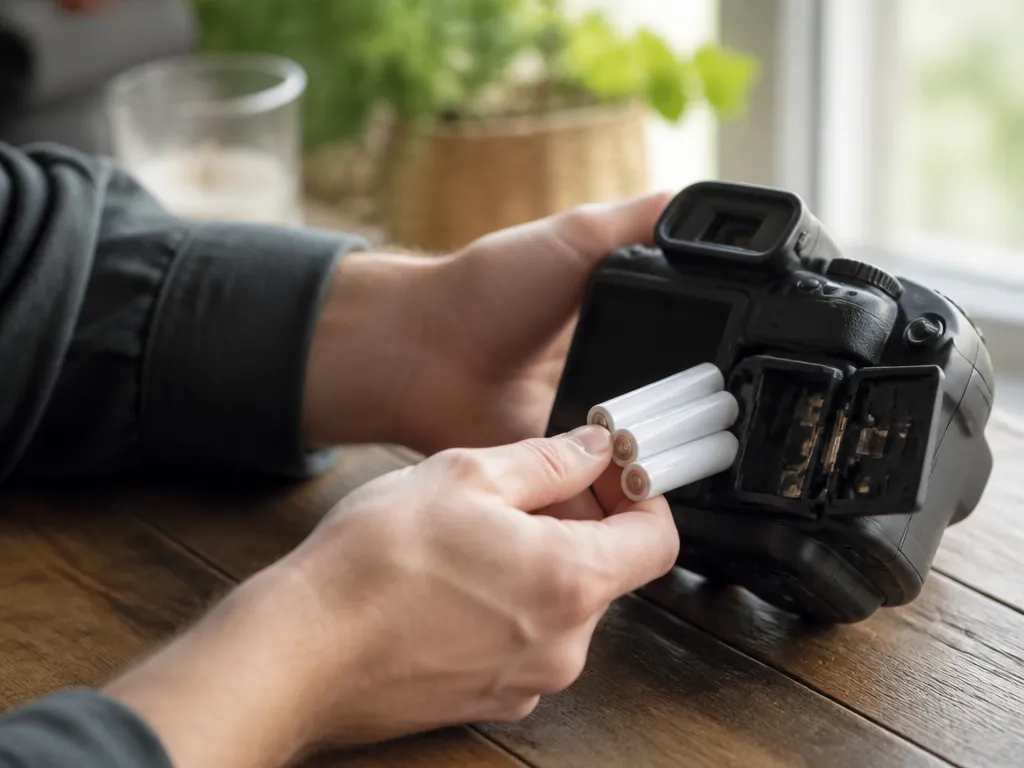
For example, a camera that repeatedly drains AAs to cutoff then recharges them immediately may shorten life compared with stopping earlier and recharging later at a cooler temperature. If your cells seem to lose capacity after many partial uses, do periodic full use cycles only when the charger and chemistry instructions allow it.
Lifepo4 (Some Power Stations, Battery Packs, And Solar Systems)
LiFePO4 tolerates many charge conditions better than other lithium types, but temperature control and charge cutoff still matter. For long-term storage, a mid state of charge is still the safer target, and repeated overcharge is a long-term capacity killer.
For example, a portable battery that gets used hard at high current then left connected to a charger while still warm often ages faster than one that cools first. If your unit shows persistent charging errors or frequent BMS trips, stop charging and troubleshoot the charger settings and temperature conditions.
Lead-acid (Car Batteries, Ups Units, Rv And Backup Systems)
Lead-acid longevity is driven by how often it sits partially charged and by how well you maintain voltage. Sulfation from repeated low state of charge is the big enemy, so good charging routines matter more than “avoiding memory” or chasing cycle counts.
For example, a UPS lead-acid battery that is left discharged for long periods during an outage season usually loses capacity sooner than a battery that stays on the correct float or periodic charge routine. If the charger is “on all the time,” verify it is a maintenance-compatible charger, not a simple constant-voltage supply.
Charging Routines That Fit Common Devices
Charging habits should be simple and predictable, because inconsistent charging can mean extra heat and more voltage stress. Use device labels, app battery settings (for laptops and phones), and charger profiles (for packs and stations) to match the chemistry.
Safety rule: stop charging if the battery or pack is hot to the touch, smells sweet or metallic, shows visible swelling, or the charger cable becomes unusually warm. Use the original charger or one with the correct chemistry and charging profile, and keep damaged cells out of devices.
Quick-reference Charts And Checklist
Typical rechargeable battery life is expressed in both calendar time (years) and cycle life (charge-discharge cycles until capacity drops). Real-world life varies widely with temperature, depth of discharge, and how the charger treats the cell, so treat ranges as planning numbers, not promises.
| Chemistry | Typical cycle life (to reduced capacity) | Typical calendar life (years) | Common pattern that shortens life |
|---|---|---|---|
| Li-ion / Li-poly (phones, power tools) | ~300 to 1,500 cycles | ~2 to 5 years | High heat, frequent near-100% charge, deep drains |
| LiFePO4 (LFP, some power stations, tools) | ~1,000 to 4,000+ cycles | ~5 to 10 years | Overheating and staying at high state of charge |
| NiMH (AA rechargables) | ~500 to 1,000 cycles | ~3 to 7 years | Frequent partial charges without full refresh when needed |
| NiCd (legacy tools, some industrial) | ~1,000 to 2,000 cycles | ~5 to 10 years | Overcharge heat, poor ventilation during charging |
| Lead-acid (car, UPS, solar storage) | ~200 to 800 cycles (varies by design) | ~3 to 6 years (often longer in float use) | Deep discharges, sulfation, high heat |
State of charge (SOC) and depth of discharge (DoD) drive aging across chemistries. The safest “avoid this” targets below are practical: keeping cells too full, too empty, or too hot accelerates capacity loss.
Rule of thumb for longevity: use as much capacity as you need, recharge soon after, and store in a cool, moderate SOC range when possible. Hot charging and long high-SOC storage are two of the most common cycle-killers.
Replacement Checklist (Fast Symptoms, Safety Checks, Cost-benefit)
Use replacement when performance problems repeat even with correct charger use, or when you see physical safety signs. When in doubt, treat the pack as unsafe and stop using it, especially with swelling, odor, or unusual heat.
For cost-benefit, replace the battery when it is the limiting factor and the device still meets your needs. Replace the whole system (or upgrade) when the charger and battery keep failing the same way, because repeated replacements can point to a charging problem or poor thermal design.
Hard stop: swollen or overheated cells, damaged packs, or leaking cells are safety risks. For lithium chemistries, swelling can escalate quickly, so replacement is the only practical option.
Quick Summary
Battery life is governed by two separate clocks, cycle life and calendar age, and both are strongly affected by temperature and time spent at high charge. Rechargeable cells are often rated from about 300 to 5,000 charge cycles and roughly 2 to 15 years total service life, depending on chemistry and conditions. In particular, lithium phone batteries can feel “dead” in 2 to 5 years even with light use because heat and aging progress while the cell sits unused or stays warm.
In the article’s terms, practical end-of-life usually shows up as capacity fade, where voltage sag under load increases, run time drops, and devices start acting underpowered even if they still look charged. Cycle life and calendar life also shift in different directions, so two users can see different longevity, such as a power tool hitting cycle limits versus a rarely used gadget aging from time spent warm and plugged in. Replace and stop using immediately if you see lithium pack swelling, venting, leakage, heat, or unusual odor, and treat high charging or storage temperature as the fastest life killer.
Frequently Asked Questions
How Long Do Rechargeable Aa Or Aaa Batteries Usually Last Before They Need Replacing?
Rechargeable cells wear out with charge cycles and time, not just calendar days. As a practical guideline, many users plan on replacement when performance drops noticeably, such as weaker device operation or significantly shorter runtime compared to when they were new.
Do Rechargeable Batteries Last Longer If I Use A Smart Charger Instead Of A Basic Charger?
Often, yes, because a smart charger reduces stress by using the correct charging profile and stopping at the right point. If your charger is not compatible with the cell chemistry (like NiMH vs Li-ion), you can shorten life quickly or create safety risk.
How Many Hours Of Runtime Can I Expect From A Rechargeable Battery Pack Or Power Station?
Runtime depends on the load, so it is not just the battery capacity number. To estimate, check the device power draw in watts, then match it to the battery’s rated capacity, and expect real-world runtime to be lower due to efficiency losses in the inverter or regulator.
Is It Normal For Rechargeable Batteries Or Chargers To Get Warm, And When Is Heat A Warning Sign?
Some warmth during charging can be normal, but hot-to-touch or rapidly rising heat is a warning sign. Stop charging if you see swelling, strong odors, venting, or persistent overheating, and use the correct charger and ventilation.
What Are Common Mistakes That Make Rechargeable Batteries Die Early?
Frequent problems include using the wrong charger chemistry, leaving cells fully depleted for long periods, storing them in high heat, and repeatedly cycling a pack for heavy loads it was not designed for. If the pack is in a device that draws high current, using a too-small battery or underpowered USB-C power path can also reduce usable life.

- 10 Best Battery For Generator Battery Safety System 2026 - October 12, 2026
- 10 Best Battery For Generator Battery Safety Option 2026 - October 12, 2026
- 10 Best Battery For Generator Battery Safety 2026 - October 12, 2026