How Long Does A Agm Battery Last?
AGM batteries usually last 3 to 6 years in car use, but they can stretch closer to 8 years in gentle, warm, well-charged standby service. The common mistake is treating an AGM like a generic “12V lead-acid” battery, then charging with the wrong voltage or letting it sit undercharged. This article ties real lifespan to cycle depth, temperature, and charger settings, plus tells you when to replace.
AGM battery life is usually 3-6 years in cars and 4-8 years in standby if kept charged. Deep cycling shortens life to a few years, often when you regularly drain it low and recharge slowly. Heat shortens life, cold reduces capacity temporarily, and undercharging can cause lasting sulfation.
How Long Does A Agm Battery Last?
Recommended Products

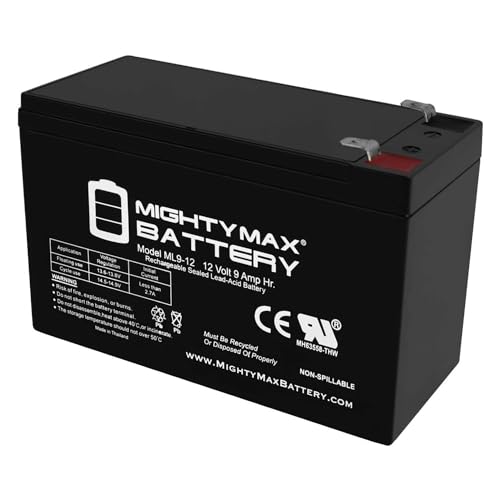
AGM batteries typically last about 3 to 5 years in car and marine starter use, and 5 to 8 years in lighter cycling service like many RV and backup systems. Real-world life can be shorter (often 2 to 4 years) if the battery runs hot, is chronically undercharged, or is regularly discharged deeply.
AGM life depends heavily on how the battery is used. Cranking service is mostly shallow, intermittent current, so the battery can age slowly even if it gets occasional deep discharges from being left drained. Deep-cycle style use, where the battery is repeatedly pulled down and recharged, shortens life because each cycle consumes usable capacity.
Cranking Vs Deep-cycle: What Those Years Really Mean
“Designed life” figures on packaging or spec sheets often assume ideal charging and moderate temperatures. In contrast, cycle life is about how many charge-discharge events the battery tolerates before capacity drops enough to feel like a “failed” battery.
For common replacement expectations, start with these practical ranges and adjust based on your usage. A warm engine bay, a small charger that never reaches full charge, and winter storage without a maintenance charge can all move you toward the low end of the range.
| Use case | Typical service life (years) | What ages the battery fastest |
|---|---|---|
| Car starter | 3-5 | Heat, repeated short trips, alternator/charger that undercharges |
| Marine starter plus trolling/house | 3-6 | Deep discharges when anchored, charger mismatch, high temperatures |
| RV house | 4-6 | Chronic partial state of charge, slow or incorrect charging |
| UPS backup | 5-8 | Overheating from cramped enclosures, float setpoints that are too high |
| Solar or frequent discharge | 2-5 | Large depth of discharge, long periods below full charge |
Replacement trigger: consider replacing when cranking is consistently weaker, voltage sags hard under load, the charger runs longer than usual before it claims full, or you cannot reach and hold full charge. Swelling, hot casings, or a strong odor are immediate stop-using signs.
Most things that “kill” AGM batteries do it quickly once they start. The fastest killers are sustained heat, chronic undercharging (battery spending long hours at partial state of charge), and charging with the wrong profile or wrong voltage setpoint. Overcharging can also heat the battery and accelerate capacity loss, especially when a charger has no AGM-appropriate regulation.
AGM batteries also suffer when they are left discharged for extended periods. For backup use, an AGM should be kept within the charger’s recommended float or periodic recharge plan; for mobility use, short trips that never fully recharge after cranking or accessory loads can shorten usable life.
Design Life Vs Cycle Life
Recommended Products


Battery spec sheets for AGM units usually list two different durability measures: calendar (design) life in years, and cycle life in a number of charge and discharge repeats. Calendar life mainly depends on time, temperature, and how full the battery stays. Cycle life mainly depends on how deeply you discharge each time and how the battery is recharged afterward.
Calendar Aging (Design Life): Time, Temperature, And Charge Level
Calendar aging is wear that happens even if you rarely use the AGM. Heat accelerates this process, and long periods at high state-of-charge (SOC) tend to age the battery faster than storage at a lower SOC. Chronic undercharging also hurts, because the battery sits in a more “aged” chemical condition and may never fully recover with casual top-ups.
Car and RV usage patterns often look “fine” until the battery spends months in a hot garage, then gets driven briefly. That short drive recharges it, but it does not reverse aging that already occurred during storage. Backup and UPS installations often run closer to a float state for long stretches, so calendar life becomes the main limiter if temperature is not controlled.
Cycle Aging: How Discharge Depth Changes The Lifetime
Cycle aging is wear from repeated cycling, and discharge depth is the big driver. Shallow discharge with a quick, correct recharge typically yields more cycles than deep discharges, even if the total energy used per day is similar. AGM batteries also dislike slow or incomplete charging after a cycle, because the battery can remain partially charged and drift into a less efficient operating state.
In practice, “how long does it last” for an AGM depends on whether your use resembles occasional starting (mostly shallow cycling), weekend marine days (moderate cycling), or frequent off-grid power use (deeper cycling). UPS and backup systems often cycle infrequently, but when they do, the charger quality and restart behavior matter because the battery must return to full charge reliably.
| Usage pattern | Design-life risk (calendar aging) | Cycle-life risk (depth of discharge) | Common “replacement triggers” to watch |
|---|---|---|---|
| Car | High in hot climates and long idle periods | Low (mostly shallow events) | Slow cranking, voltage sag, chargers running longer than before |
| Marine/RV | Moderate to high during seasonal storage | Moderate (depends on how far you run down) | Less runtime, failure to “top off” fully, reduced starting strength after use |
| UPS/backup | High (long float/standby time) | Low to occasional (depends on outages) | Difficulty holding voltage during outage simulation, charger stuck in long stages |
Application Lifespan Ranges
Recommended Products

AGM battery life in the real world is usually governed by calendar aging plus how often the battery is deeply discharged. Typical ranges are about 3 to 5 years in automotive start-stop style use, about 4 to 7 years in many marine or RV deep-cycle patterns, and about 5 to 8 years for standby or backup duty when kept on the correct float charge. Hot temperatures, chronic undercharging, and heavy vibration can push those numbers down.
Automotive Cranking (Mostly Standby)
Cranking batteries see long standby time with short, high-current bursts. In this use, the dominant aging mechanism is calendar aging accelerated by heat, plus sulfation risk if the vehicle charging system leaves the AGM chronically undercharged.
For years-to-replacement planning, treat a warm climate and a “sometimes runs, sometimes sits” routine as the biggest lifetime risk factors.
Marine And Rv (Deep-cycle Draw Patterns)
Marine and RV use brings more cycling, longer periods at partial state of charge, and deeper discharge events on some trips. In these cases the dominant aging mechanism is cycle wear plus sulfation when the battery spends weeks at a low charge level.
For example, a boondocking schedule that repeatedly uses most of the capacity and then parks the battery partially charged can shorten life sharply compared with steady full recharges.
| Typical use pattern | Expected lifespan range (AGM) | Dominant wear factor |
|---|---|---|
| Occasional weekend use, mostly shallow discharges | ~5 to 7 years | Calendar aging |
| Regular deep-ish discharges, full recharges after | ~4 to 6 years | Cycle wear |
| Frequent partial state of charge, recharged late or never fully | ~3 to 5 years | Sulfation from chronic undercharge |
Backup And Ups (Float Or Standby, Occasional Tests)
Backup duty is often light cycling, so the biggest risk is calendar aging during long float periods and occasional high-current events during power failures or test runs. An incorrect charger mode (high ripple, wrong absorption or float setpoints, or leaving the battery on an unsuitable “constant voltage” profile) can cause heating and premature capacity loss.
In practice, the best signal is whether the system is reaching and holding the correct AGM charge states during maintenance charging and tests.
Environmental Stress And Real-life “Gotchas”
Hot climates shorten AGM life because both calendar aging and charge-related side effects accelerate with temperature. Frequent partial charge and chronic undercharging are especially harmful in marine, RV, and solar setups because sulfate hardens over time if the battery is not fully restored.
Vibration also matters in mobile installations: repeated bumps can loosen internal connections and stress plates, especially if the battery is mounted loosely.
Safety note: Replace immediately if you see swelling, venting, a cracked case, or overheating during charging. A damaged AGM can fail suddenly and can be hazardous.
Discharge Depth And Temperature
AGM batteries age faster when you cycle them deep and when they live in hot or cold conditions. Typical service life in real use is often counted in years, but the “years” shrink when the battery spends long periods undercharged, runs hot from charging, or gets repeatedly discharged near empty. A good target is shallow cycling whenever you can, and keeping the battery near room temperature.
Depth of discharge is the fastest user-controlled variable. A battery that is routinely taken to a low state of charge loses usable capacity sooner than one used more gently, even if both look “fine” at the voltmeter. Deep discharge also increases the time the plates spend in a stressed condition during recharging, which accelerates wear.
Cold weather makes AGM performance look worse than health loss. Low temperature increases internal resistance, so cranking current drops and voltage sags more during load. A “weak” AGM that is repeatedly started in winter can still be damaged over time, especially if the charger is also slow or never reaches a complete absorption state.
Practical warning: If the battery is cold and you keep trying to crank without charging, you stack stress. Treat repeated cold cranking as a symptom to address with charging and correct winter storage habits.
Heat accelerates aging and charging stress. Overcharging or excessive charging current raises temperature, which increases corrosion and speeds up loss of capacity. Heat also increases venting risk in AGM designs when charge control is poor, so the battery may “seem to work” briefly while its long-term capacity quietly erodes.
Storage conditions change the calendar side of battery life. Leaving an AGM fully charged for months generally causes less sulfation than leaving it partially charged, but any storage still ages the plates. Best practice is to keep it at a healthy state of charge and use an appropriate maintenance charge if the manufacturer recommends it.
Charging Behavior That Ages Agm
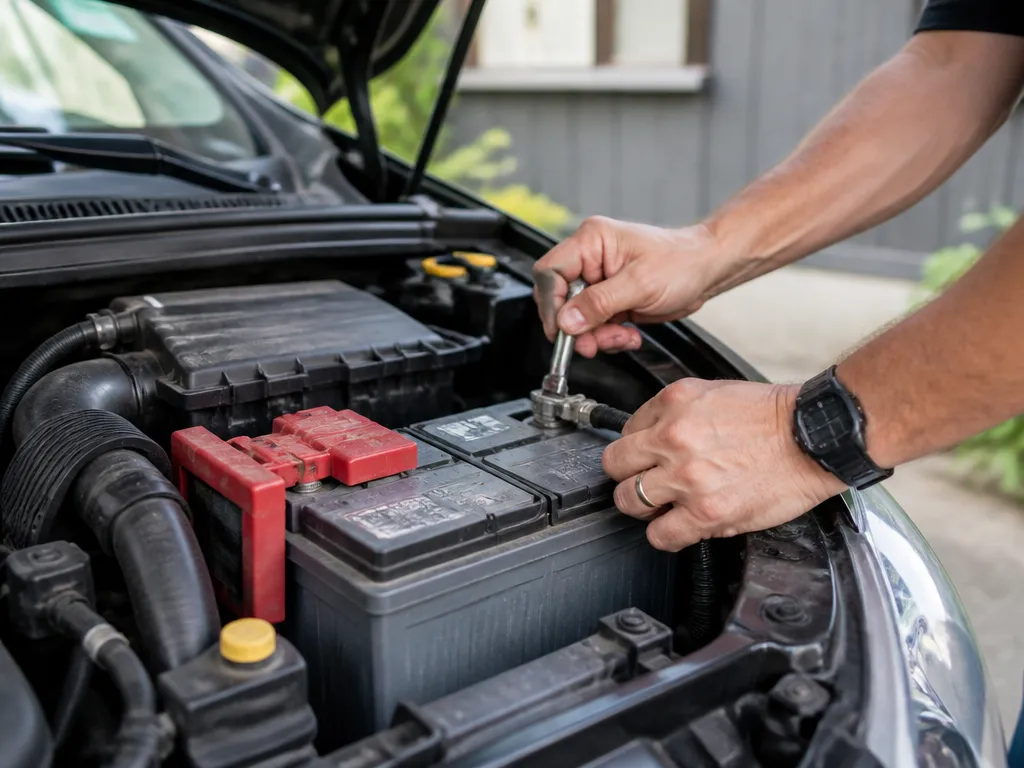
AGM life is heavily shaped by how consistently it reaches correct charge voltage and by how long it spends either undercharged or overcharged. A charger that is “close” can still shorten life when it runs chronically low or pushes too much voltage and heat.
AGM-compatible charging usually follows a controlled multi-stage process: bulk (max allowed current until voltage rises), absorption (hold voltage until current tapers), then float or storage mode (lower voltage to maintain). Before buying or troubleshooting, confirm the charger has an AGM mode or an explicit “AGM lead-acid” charging profile, not just a generic “lead-acid” label.
Float versus absorption matters most in two real situations: after a typical charge session and during long standby. Absorption is for finishing the charge after a real discharge. Float is for keeping a healthy battery full without driving significant gassing and heat, so using float as the only mode after a deep discharge can lead to chronic undercharge.
Voltage Discipline: The Failure Modes You Can Prevent
Chronic undercharging drives sulfation because lead sulfate crystals keep forming and do not get fully converted back during later charges.
In practice, it shows up as reduced cranking strength and a battery that never seems to “feel full,” even after hours on a charger.
Overvoltage damages AGM by increasing temperature rise and promoting venting. Heat speeds aging, and vented gas is a permanent loss of capacity, so an incorrect charger or a wrong voltage setting can reduce capacity even if the battery still turns devices on for a while.
Practical rule: If your charger or maintainer keeps the battery warm to the touch during steady charging, treats it like a higher-voltage battery, or never shows the charge stage completing, stop and correct the setup.
| Charging behavior | What tends to happen to AGM | What to check |
|---|---|---|
| Repeated shallow “top-off” with an aggressive mode | Extra heat and venting, gradual capacity loss | AGM voltage setting, temperature compensation, charger mode selection |
| Charger never reaches absorption target | Chronic undercharge, sulfation, rising internal resistance | Charger current capability, voltage setpoint, cable resistance |
| Float used when the battery was actually discharged | Battery never fully reconditions, capacity stays low | Run a full AGM charging cycle before relying on maintenance |
Spot Replacement Before Failure
Lifespan ranges: In typical automotive use, AGM starting batteries last about 3 to 5 years. In cooler marine or RV setups with gentler cycling, lifespans can reach 4 to 6 years. Heat, deep cycling, and chronic undercharging shorten that window.
Common symptoms signaling aging: Slower starts, voltage drop under load, and poorer performance in cold weather are common clues. Repeated jump starts are a reason to plan for replacement soon.
Resting voltage checks: After a full charge, let the battery rest about 12 hours and measure the open circuit voltage. A healthy 12V AGM should sit near 12.6 to 12.8 volts; readings well under 12.4 indicate reduced capacity. If the battery never reaches full voltage during charging, the charging system or the battery health may be at fault.
Safety note: Do not ignore persistent heat or swelling. These are signs that require professional evaluation rather than DIY remedies.
Capacity drop indicators: If the same battery struggles to start more often after a few hundred cycles, or you notice a noticeable loss of usable capacity over a short period, plan for replacement instead of extended testing.
Physical indicators: Swelling, venting residue, or a cracked case mean the unit should not be charged further. Replace it promptly, especially if it serves essential equipment.
| Trigger | What it indicates | Replacement action |
|---|---|---|
| Resting voltage consistently below 12.4 V | Significant capacity loss | Schedule replacement; avoid long-term risk |
| Slow or intermittent cranking | Weakened under load | Test with a professional load test and plan replacement if confirmed |
| Visible swelling or vent residue | Unsafe condition | Do not charge; replace immediately |
| Cannot reach full charge | Charging system or cell aging | Investigate charger first, then replace if needed |
| Repeated deep cycles | Reduced cycle life | Replace when practical use remains |
Load-test decision point: When diagnosis remains uncertain, or the battery shows persistent voltage collapse under modest load, a professional load test will confirm true capacity and internal resistance without guessing from symptoms alone.
Charger And Power Setup Checks
AGM longevity depends heavily on charge discipline: the wrong charger mode or voltage setpoints can cause chronic undercharge or overheat that slowly reduces capacity. A quick setup audit takes minutes and can prevent the two most common lifespan killers, sulfation from running low and damage from overvoltage.
Confirm The Charger And Controller Settings
AGM-compatible charging is not “any lead-acid setting,” because absorption and float targets are different across battery types. Check your charger or solar controller manual for an explicit setting labeled AGM or “VRLA,” then verify it is actually selected, not left on “flooded” mode.
Prevent Chronic Undercharge And Overcharge Across Systems
Solar controllers, inverter chargers, and standalone chargers can fight each other if setpoints differ.
For example, a solar controller feeding the battery while an inverter charger is also connected can create repeated high-voltage events or prevent reaching full charge if one system limits absorption too early.
Use Lead-acid Safety Habits That Directly Protect Agm Lifespan
AGM is sealed compared with flooded lead-acid, but it is still ventable and heat-sensitive. Venting, which can happen if charging is too aggressive or a cell fails, increases internal resistance and can shorten service life even if the battery keeps working briefly.
Quick swap decision: If your charger/controller can display voltage and your battery repeatedly fails to reach a stable “ready” state, or it remains hot and active for an unusually long time, stop and re-check the AGM settings and temperature sensor placement before you blame the battery.
Quick Reference Lifespan Table
AGM batteries typically last about 3 to 5 years in many daily-use scenarios, with 4 to 7 years possible in gentler service and properly sized charging. Heavy heat, chronic undercharging, and frequent deep cycling usually shorten life to the lower end.
AGM life has two clocks: calendar life (aging while sitting, even if it is charged) and cycle life (aging from repeated charge and discharge). Many “early failures” are actually cycle abuse or charging problems that accelerate plate and electrolyte degradation, rather than a random defect.
| Application | Conservative expected lifespan (years) | Main life factors | Replacement signals |
|---|---|---|---|
| Automotive start-stop / cranking | 3 to 5 | Heat at engine bay, frequent partial state of charge, alternator regulation, vibration | Slow cranking, frequent “won’t start” after being charged, inability to reach full charge |
| Marine / RV house battery (mixed loads) | 4 to 6 | Depth of discharge, long storage at low charge, high cabin or storage temperatures | Voltage drops quickly under load, reduced capacity so appliances run shorter |
| Backup / UPS / standby | 3 to 6 | Calendar aging, float or “holding” voltage accuracy, lack of periodic full-charge equalization when needed by the system | Fails load tests sooner, won’t accept charge well, frequent charger time increases |
| Primary deep-cycling (solar or frequent cycling) | 2 to 4 | Cycle depth, charge completeness, temperature control, charger profile correctness for AGM | Capacity loss after repeated deep discharges, charger runs longer to reach absorption target |
For example, an AGM used mostly for engine starts can look “fine” while still aging faster if it stays hot or rarely reaches full charge after driving.
For example, an AGM that is regularly discharged hard in a solar setup often loses capacity sooner even when it seems to “work” day to day.
Primary Indicators To Monitor Monthly
Monthly checks catch deterioration early because voltage behavior changes before the battery completely fails. Track these signs and compare them to your own baseline, especially if your loads and seasons stay similar.
Thermal conditions are the silent lifespan killer. If the battery sits in a hot engine bay, under a tight RV cabinet, or near exhaust heat, plan on the shorter end of the range, and treat temperature control and ventilation as part of battery maintenance.
Conservative replacement trigger: Replace AGM when capacity drops enough that it reliably fails its job (slow starts, UPS runtime falls below requirement, or inverter loads trip), or when charging can no longer bring it to a true full state.
Quick Summary
AGM batteries usually last 3 to 6 years in car use, and they can stretch closer to 8 years in gentle, warm, well-charged standby service. Lifespan is tied to cycle depth, temperature, and charger settings. Undercharging can cause lasting sulfation, and heat tends to shorten life while cold temporarily reduces available capacity during cranking or loads.
For practical ranges, the article expects commonly 3 to 5 years for automotive starter use, 3 to 6 years for marine starter plus house loads, 4 to 6 years for RV house use, and 5 to 8 years for UPS or other standby backup if the battery stays on correct float or periodic recharge. Deep cycling pushes results toward the lower end, and frequent deep discharge and chronic partial state of charge can cut life to 2 to 4 years in harsh cases.
Frequently Asked Questions
How Long Does An Agm Battery Last In Real Use?
AGM battery life depends mainly on temperature, charge habits, and how often you cycle it. In general terms, many AGM batteries are expected to last for around 3 to 7 years, but the only trustworthy range for your model comes from the manufacturer and the warranty period.
What Charger Should I Use For An Agm Battery To Maximize Lifespan?
You should use a charger that explicitly supports AGM and matches the battery voltage (commonly 12 V or 24 V). If your charger has selectable battery types, choose AGM, and avoid charging with a setting intended for lead-acid flooded batteries.
How Does Heat Affect How Long An Agm Battery Lasts?
Heat accelerates aging, so prolonged operation or storage in hot conditions shortens lifespan. As a practical rule, keep AGM batteries out of enclosed, unventilated spaces, and if the battery feels warm during charging, stop and check the charger settings and ventilation.
Is It Safe To Charge An Agm Battery Near Or In A Sealed Space?
AGM batteries still vent under fault conditions, so you should not charge them in a fully sealed area without ventilation. Use a charger appropriate for AGM, monitor for abnormal heat, and follow the charger and battery labels for installation and charging conditions.
When Should I Replace My Agm Battery, And What Buying Mistakes Shorten Its Life?
Replace it when it no longer holds voltage under load, fails to recover with a proper AGM charger, or the warranty has expired, since performance can drop before it fully “fails.” Common buying mistakes include choosing the wrong capacity rating (for the device or inverter you use), using the wrong voltage, and buying an AGM battery without verifying it matches your charging system.

- 10 Best Battery For Generator Battery Safety System 2026 - October 12, 2026
- 10 Best Battery For Generator Battery Safety Option 2026 - October 12, 2026
- 10 Best Battery For Generator Battery Safety 2026 - October 12, 2026