How Long Does A Honda Accord Battery Last?
A Honda Accord starter battery usually lasts several years, but the number you care about depends on your climate, driving habits, and how healthy the charging system is. A common mistake is replacing a battery that looks weak when the real issue is a failing alternator or a parasitic draw. You will get Accord-focused lifespan ranges, quick health tests, and what to check first so you replace the right thing, safely.
Honda Accord 12V starter batteries typically last about 3 to 5 years (sometimes longer in mild climates). Short trips, extreme cold, frequent accessory use, and a weak charging system shorten life. Signs include slow cranking and low resting voltage (about 12.6V when fully charged).
How Long Does A Honda Accord Battery Last?
Recommended Products


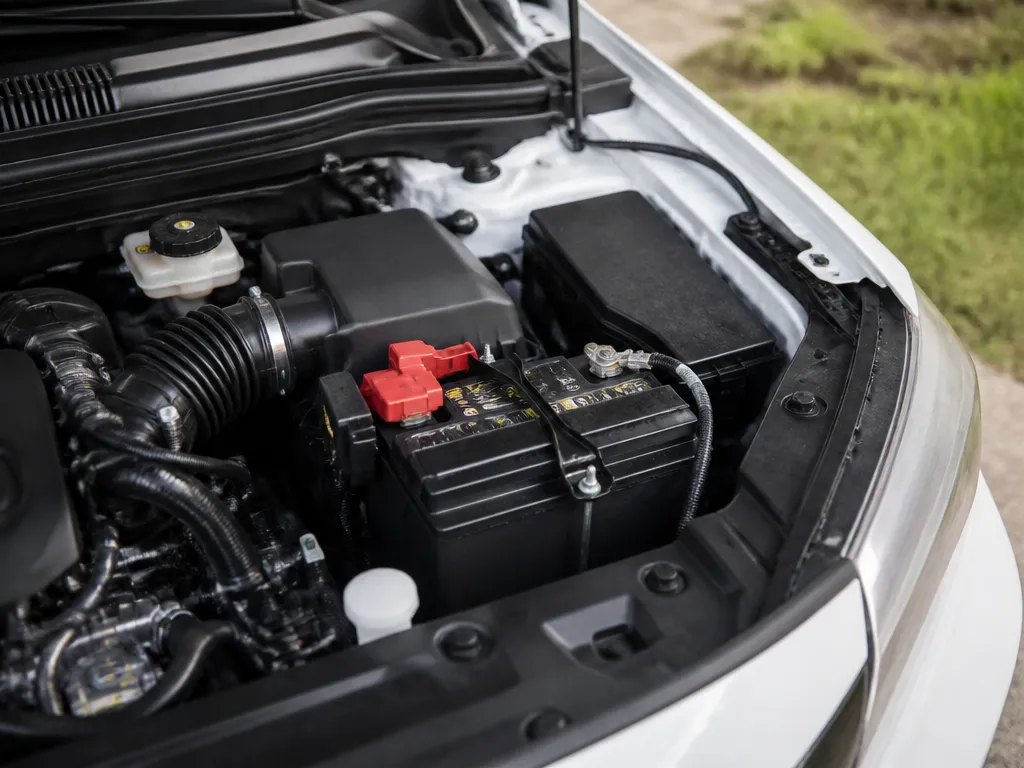
Replacement timing is better guided by measured battery health than by mileage alone. Cold weather, short trips, and frequent idle loads push batteries toward the low end of the typical range, while steady highway driving and moderate climates help them reach the upper end.
What Miles Usually Mean For Wear
Battery wear is driven more by cycles and stress than by odometer readings. Two Accords at the same mileage can have very different battery histories if one had lots of short starts, frequent accessories use, or long periods of sitting. A rough expectation is that replacement is commonly considered somewhere between the “early half” and “mid” of a typical ownership window, but the exact trigger varies by climate and electrical loads.
For planning, it helps to treat miles as a proxy for how often the battery gets pulled down and recharged. Short trips reduce the car’s ability to fully recharge after a start, so the battery ages faster even if the total miles are not high. In contrast, longer drives can recover charge more effectively, which reduces the stress that short-trip patterns create.
Expected Service Life By Major Accord Era (Starting Ranges)
Accord generations have used different electrical loads and charging system behaviors, but the 12V battery is still a lead-acid starter battery that ages from heat and repeated partial discharge. Without the exact year, engine, and whether the car had stop-start or heavy accessory use, the safest approach is to use conservative planning ranges and confirm with a health test.
Use these planning ranges to estimate when replacement becomes likely, then verify with voltage and a load test when the battery is in the window below.
Practical expectation: If your battery is already past about 3 years, treat it as “due soon” rather than “safe until it dies,” especially in cold regions or with frequent short drives.
Next, the article breaks down lifespan by Accord generation with more specific year ranges and what miles typically line up with those eras.
Lifespan By Accord Gen
Recommended Products

Real-world battery life can extend beyond the headline range because short trips and hot weather age batteries faster.
These lifespan ranges are typical expectations for the Accord generations most drivers encounter, assuming a healthy charging system and normal use (reasonable drive times, no long periods of neglect). Mileage estimates assume the battery is aging alongside engine-start cycles, not sitting discharged.
Typical Year And Mileage Ranges By Generation
Battery age is usually driven by heat exposure and the number of deep discharge events. The values below are practical targets for planning replacement, not a guarantee for every car or every battery brand.
| Accord generation | Typical 12V battery lifespan (years) | Typical lifespan (miles) |
|---|---|---|
| 8th Gen (2008 – 2012) | 3 – 5 years | 30k – 60k miles |
| 9th Gen (2013 – 2017) | 3 – 5 years | 40k – 70k miles |
| 10th Gen (2018 – 2022) | 4 – 6 years | 50k – 80k miles |
| 11th Gen (2023 – present) | 4 – 6 years | 60k – 90k miles |
In practice, a battery that is already weakened can still start the car, then fail abruptly after a cold night or after a period of heavy electrical use. Spikes in starter demand, especially after several short trips, can cause earlier-than-expected aging.
“Plan on replacement when the battery is approaching the low-to-mid portion of the range, then verify health with a test. Planning reduces roadside surprises, even when the battery still seems to start fine.”
For buying decisions, treat battery lifespan as a planning window and health as a go/no-go check. If the vehicle shows warning lights related to charging, repeated slow cranks, or corrosion around terminals, the safest move is to test before you assume age alone explains the problem.
Longevity Drivers For Accord
Recommended Products


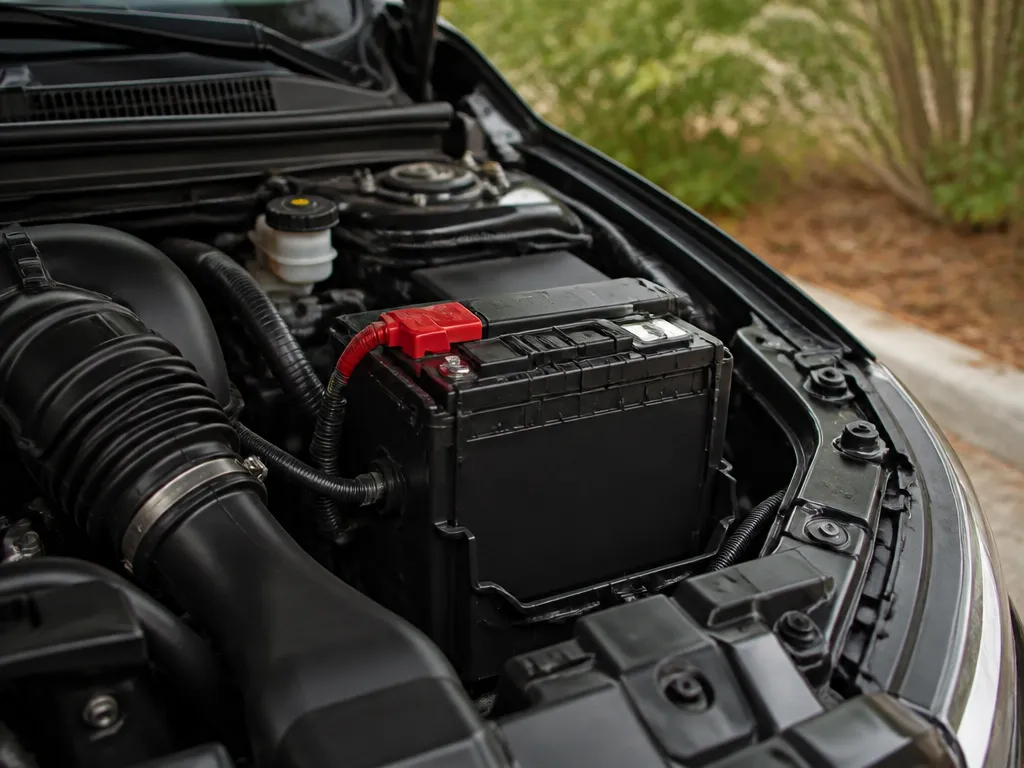
Honda Accord 12V starter batteries usually fail early when heat and undercharging build up sulfation, or when frequent short trips prevent the charging system from fully restoring the battery after starting loads. Cold weather adds more starter demand, and modern Accord electrical systems add parasitic drain when the car sits. The result is that two cars with the same battery age can have very different remaining life.
Cold climate is a major longevity driver because chemical reactions slow down and the battery must deliver higher cranking current when the oil is thick. Even if the alternator can recharge later, repeated starts in winter plus not enough drive time keeps the battery at a lower state of charge. That accelerates wear, especially on older or already-degraded batteries.
Short trips and long idle time drive battery aging through a simple mechanism: the engine may not run long enough for the alternator to replace the energy used by the starter and electronics. At the same time, frequent accessories draw from the battery while the engine is off. For daily drivers that get lots of brief errands, the “average daily recharge opportunity” is small, and the battery spends more time in a partially charged state.
Electrical Loads, Charging System Health, And Drain
Accord accessories matter because they change how often the battery sits at low voltage. High-demand items like rear defrost, heated seats, blower fans, headlights on bright days, and aftermarket electronics all increase load during parking and slow the alternator’s ability to keep the battery fully charged during short drives. In older vehicles, worn grounds and corroded battery terminals can also increase resistance, which creates heat and reduces usable cranking performance.
Charging system health is the gatekeeper that decides whether the battery actually gets replenished. A weak alternator, a slipping belt, or a failing voltage regulator can leave the battery undercharged for weeks at a time. Overcharging is also harmful, and a charging system that swings high voltage can boil electrolytes (for flooded designs) and accelerate plate corrosion.
For example, an Accord with a dash cam that runs in parking mode may look “fine” during a week of driving, then show weak starts after a longer break. The camera itself might be only a small current draw, but its effect compounds with lower winter temperatures and shorter driving sessions.
| Condition in Accord use | Main battery stress | What to watch for |
|---|---|---|
| Cold mornings and frequent starts | Higher cranking current, slower recovery | Slow cranks, dim lights during start |
| Trips under about 15 to 20 minutes | Undercharging and sulfation | Battery warning light, recurring weak-start pattern |
| Idle weeks or seasonal storage | Parasitic drain plus self-discharge | Dead battery after normal time away |
| Aftermarket electrics | Extra draw and poor charging match | Unexplained drain, battery surface gets warm after parking |
Safety warning: if the battery case is swollen, cracked, or smells like rotten eggs, treat it as a failed unit and stop charging or testing with high-current methods. Damaged batteries can overheat and vent.
Parasitic drain vs storage habits is a practical distinction. Parasitic drain shows up after shutdown even if the car is driven daily, while storage problems show up after days or weeks of sitting. Both shorten life, but they change what you should measure first (resting current and battery voltage after a sleep period for drain, versus state of charge retention for storage).
In practice, the longest-lasting setup is consistent charging plus realistic driving time. Even a good battery will age faster if the Accord regularly starts in cold conditions and never gets enough run time to recharge fully, while a maintained battery can last longer if the charging system keeps voltage stable and accessories are wired correctly.
Health Test Protocol
Recommended Products


Honda Accord starter batteries should settle around about 12.6 V at rest when fully charged, and they usually drop as capacity fades. Resting voltage plus a proper load test is the most direct way to judge battery health at home or at a shop.
In practice, a good test sequence is: rest voltage, charge to full, rest voltage again, then load test. This prevents “false bad” outcomes from surface charge or a battery that was simply undercharged after a lot of short trips.
| What you measure | How it guides diagnosis |
|---|---|
| Resting voltage (battery at rest) | Indicates state of charge and gives a baseline for comparison before load testing. |
| Voltage after charging (rested) | Shows whether the battery can hold a full charge, or if it loses charge capacity quickly. |
| Voltage during/after load test | Reveals internal resistance and real cranking capability. Biggest “health” signal. |
Battery health checks are safest when you treat heat, odor, and swelling as hard stop conditions. A swollen or hot battery during any test is a replacement-now scenario, not a “test more” scenario.
Practical tip: Write down your voltages and the conditions (time since shutdown, temperature, whether the battery was recently charged). Repeating the same test later makes trends obvious, which is what predicts replacement timing.
Signs Of Impending Failure
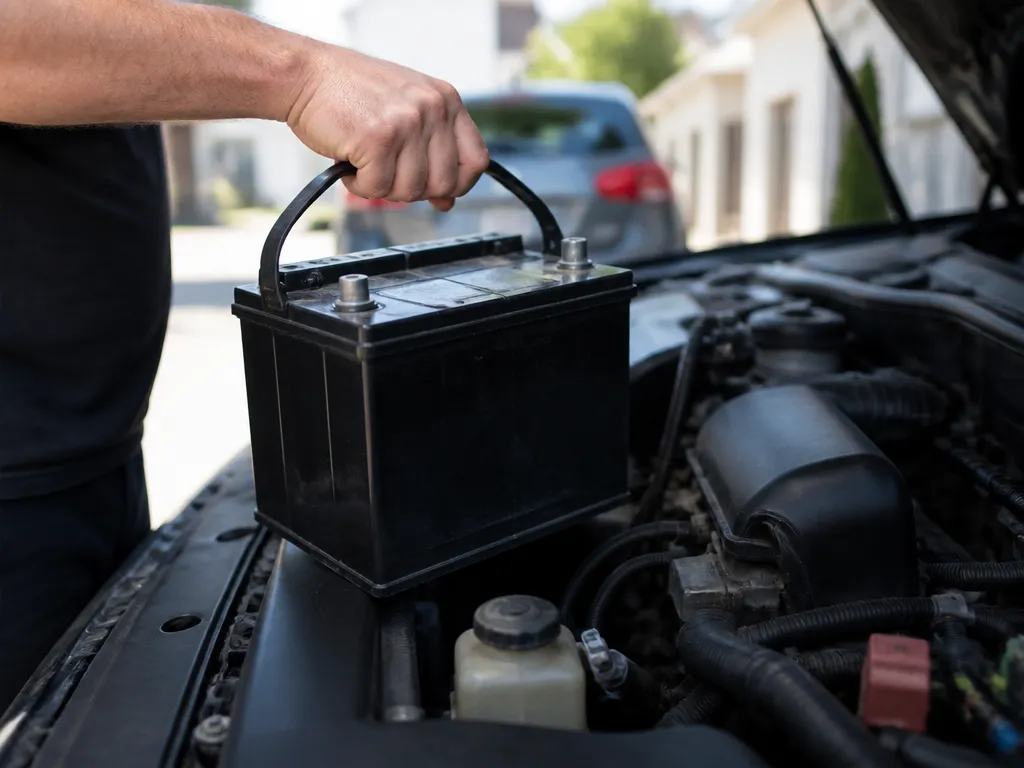
A Honda Accord battery that is reaching the end is usually easy to spot in daily behavior. Slow cranking, weaker accessory power (lights, radio), and repeated “it started after a jump” moments are common early warnings.
Start with the symptoms you notice first, then confirm with simple checks. One unusual hard-start can happen from cold weather or a one-time draw, but a pattern means the battery is struggling to hold voltage under load.
What To Do Next After You Spot Symptoms
In practice, symptoms plus a quick inspection can separate “battery issue” from “cable or charging issue.” Inspect the battery date label, check for swollen case sides, and look for loose or wet terminals. Stop using the battery and replace it if the case is bulging or you smell strong chemical odor from the top.
For a fast health picture, measure resting voltage, then check voltage while cranking (or use a load test at a parts store). If voltage drops too far under load or the battery keeps failing to hold charge, plan a replacement rather than repeated jumps.
Recent jump-starts plus any warning lights usually justify more than a wait-and-see approach. A failing battery can also stress the charging system, so fixing the root cause early prevents repeated failures and reduces the chance of getting stranded.
| Symptom | More likely cause | What to check immediately |
|---|---|---|
| Slow cranking | Low battery capacity | Battery resting and cranking voltage, date label |
| Headlights dim when idling | Low voltage hold, poor connections | Terminal corrosion, clamp tightness, load test |
| Repeated jump-starts | Battery not accepting or holding charge | Load test, charging check, parasitic drain if short-parking deaths occur |
| Swollen case | Internal failure and overheating | Do not reuse, replace and inspect charging |
Replacement Guidance
Recommended Products

Match your replacement starter battery to the Accord’s fitment, electrical needs, and charging system so it cranks reliably and lasts. Use the label specs on your current battery (group size and CCA) as the first reference, then confirm in your vehicle’s manual or parts catalog for your exact generation and trim.
Pick The Right Battery Specs For Your Accord
Honda Accords across generations can use different physical sizes and cold-cranking requirements, so “same car, different battery” is common. The two numbers that drive the real purchase are group size (so the battery fits and terminals reach cleanly) and CCA (so cranking power stays adequate in cold weather).
After you confirm fitment, decide whether you need AGM or a flooded lead-acid battery. AGM is more tolerant of some vibration and can handle certain charge-management strategies better when the car has advanced electrical control, but it also costs more, and many cars have a recommended type listed in the manual or by the OEM spec.
Safety warning: If the old battery is swollen, cracked, leaking, or smells strongly of electrolyte, treat it as hazardous waste. Do not try to “fix” it with a different charger, and keep sparks and flames away.
Oem Vs Aftermarket, Warranty Expectations, And Timing Cues
OEM batteries are engineered around the car’s charging and fitment, but quality aftermarket options can be fine when they meet the same group size and CCA requirements and use the correct chemistry. The biggest mismatch risk is choosing a different battery type (AGM vs flooded) or an incorrect group size that forces cable routing or terminal alignment.
Warranty terms vary widely, so expect the warranty to be written around testing conditions and failure definitions. Read the warranty label for prorated versus non-prorated coverage, the temperature or charging-condition assumptions, and what proof of service is required, since many warranties rely on documented charging and replacement procedures.
Replacement timing is usually driven by symptoms and test results rather than a single age number. As a practical cue, plan replacement when you see repeated slow cranking, when voltage under load drops quickly during testing, or when a battery health test reports a failing condition after proper charging.
| What to check | Why it matters for a replacement |
|---|---|
| Current battery label (group size, CCA, chemistry) | Prevents fitment and electrical mismatch |
| Manufacture date code | Avoids installing a battery that has sat too long |
| Warranty type (prorated vs not) and conditions | Clarifies what “failure” means and what documentation is needed |
| Charging system notes from the manual | Helps choose the right battery chemistry |
Costs, Retailers &Amp;amp;amp; Maintenance
Honda Accord 12V battery replacement cost is driven by battery type (flooded vs AGM), brand tier, and local labor pricing. Parts alone can range widely depending on capacity and warranty length, and install labor can change even within the same city.
Pricing also varies by where you buy. Dealership pricing often costs more on the battery and install, while auto-parts stores and reputable online retailers usually price the same spec battery lower. Warranty terms vary by seller and battery line, so read the warranty card and receipt before you pay.
Cost Ranges And What Changes The Number
Accord batteries are usually sold by group size and rating (check the original label for the group and CCA rating), so “cheaper” replacements sometimes have lower cold-cranking performance. A lower CCA number can still start a warmed engine, but it can perform worse in cold weather and when the car has heavy electrical loads. AGM batteries tend to cost more upfront but are built for deeper cycling and vibration tolerance (useful for many commuters), yet they are not automatic upgrades in every Accord.
For a practical budgeting approach, price both a budget flooded option and an AGM option matched to your car’s spec. If the battery is aging and you see early failure signs, paying a bit more for the correct reserve capacity and warranty may reduce repeat replacements.
Where To Buy (And What To Verify)
Auto-parts chains are convenient for same-day pickup, and many can test your old battery and sell a matched replacement. Online retailers can be cheaper, but the key risk is receiving the right physical fit and correct rating, not just the right vehicle compatibility.
Maintenance And Charging Discipline To Extend Service Life
Battery life usually improves when the battery stays fully charged and the car’s electrical system is healthy. Short trips and lots of accessory use can leave the battery chronically undercharged, which accelerates plate wear.
Parasitic-draw Checks And Fail-fast Habits
Even a good battery can die early if something drains it while the car is parked. A parasitic draw issue is most likely when you return to the car and it cranks slowly, then fails again quickly after charging.
Failing signs to treat as replacement triggers include slow cranking, frequent jump-starts, sudden voltage drops after rest, and a battery case that looks swollen, cracked, or hot. Swollen or leaking batteries should be stopped immediately and handled as a safety risk, since thermal runaway can occur in severe cases.
| What to check | Why it affects cost and life | What to do |
|---|---|---|
| Resting voltage and charge behavior | Chronic undercharge drives repeat failures | Charge with a smart charger, then reassess after rest |
| Terminal condition | Corrosion raises resistance and causes heat | Clean terminals and secure tight connections |
| Parasitic drain | Shortens life even with a new battery | Run a draw test if repeat failures happen |
| Charging system behavior | Alternator issues can overcharge or undercharge | Test charging voltage during running checks |
Quick Summary
Climate, driving style, and charging-system health determine how long an Accord battery lasts. Short trips, extreme cold, frequent accessory use, and a weak charging system shorten battery life. Slow cranking and low resting voltage are useful warning signs.
Use measured battery health rather than mileage or guesswork to decide when to replace the battery. If the resting voltage is borderline, perform a proper load test and confirm alternator health so a bad system does not quickly ruin a new battery.
Frequently Asked Questions
How Long Does A Honda Accord Car Battery Typically Last Before You Notice Weak Starts?
Age-related performance drops can show up earlier if you do lots of short trips or leave accessories on. The surest check is to have a shop test it, since “weak starts” can come from battery capacity or charging system issues.
What’s The Safest Way To Make Sure My New Battery And Charger Are Compatible With My Honda Accord?
Use a charger that matches your battery type, because car starters use 12V lead-acid (usually flooded, AGM, or EFB depending on your Accord and trim). Check the label for battery voltage and charging mode, and avoid higher voltages intended for other systems, like 24V batteries.
Does Cold Weather Or Heat Affect How Long A Honda Accord Battery Will Last?
Yes, both extremes reduce lifespan, since heat accelerates battery wear and cold increases the starting load. If your car sits in very hot conditions, or you routinely drive in sub-freezing temperatures, expect earlier replacement.
How Can I Tell If My Honda Accord Battery Is Failing Versus My Alternator Or Charging System?
Look for symptoms like slow cranking, dashboard voltage warnings, or the battery failing a load test, rather than only “it seems weak once.” If the battery tests bad repeatedly or won’t recover after charging, have both the battery and the charging output tested, because a failing alternator can destroy a good battery quickly.
What Common Buying Mistake Makes People Replace Their Honda Accord Battery Too Early Or Buy The Wrong One?
One common mistake is buying based on physical size only, without matching the correct cold-cranking amps (CCA) rating and terminal layout, which can lead to poor starting performance or fit issues. Also, don’t buy an obviously old stock battery, since sitting inventory can reduce usable capacity, even before it ever sees your car.

- 10 Best Battery For Generator Battery Safety System 2026 - October 12, 2026
- 10 Best Battery For Generator Battery Safety Option 2026 - October 12, 2026
- 10 Best Battery For Generator Battery Safety 2026 - October 12, 2026