How Long Does A Toyota Hybrid Battery Last?
Toyota hybrid batteries usually last a long time, but “how long” depends more on model generation and heat exposure than mileage alone. The biggest mistake people make is judging battery health by one bad week of cold weather mpg, then skipping diagnostics. This piece gives realistic year and mileage expectations for common Toyotas, what the warranty typically covers, and how to decide repair versus replacement safely.
Toyota hybrid batteries typically last about 8 to 15 years, often reaching higher mileages (commonly 100,000 to 200,000 miles) when they spend less time in extreme heat. Toyota’s hybrid battery warranty is usually the best reality check, since coverage terms vary by model year, region, and state. Look for battery-related warning lights and a sustained mpg drop.
How Long Does A Toyota Hybrid Battery Last?
Recommended Products


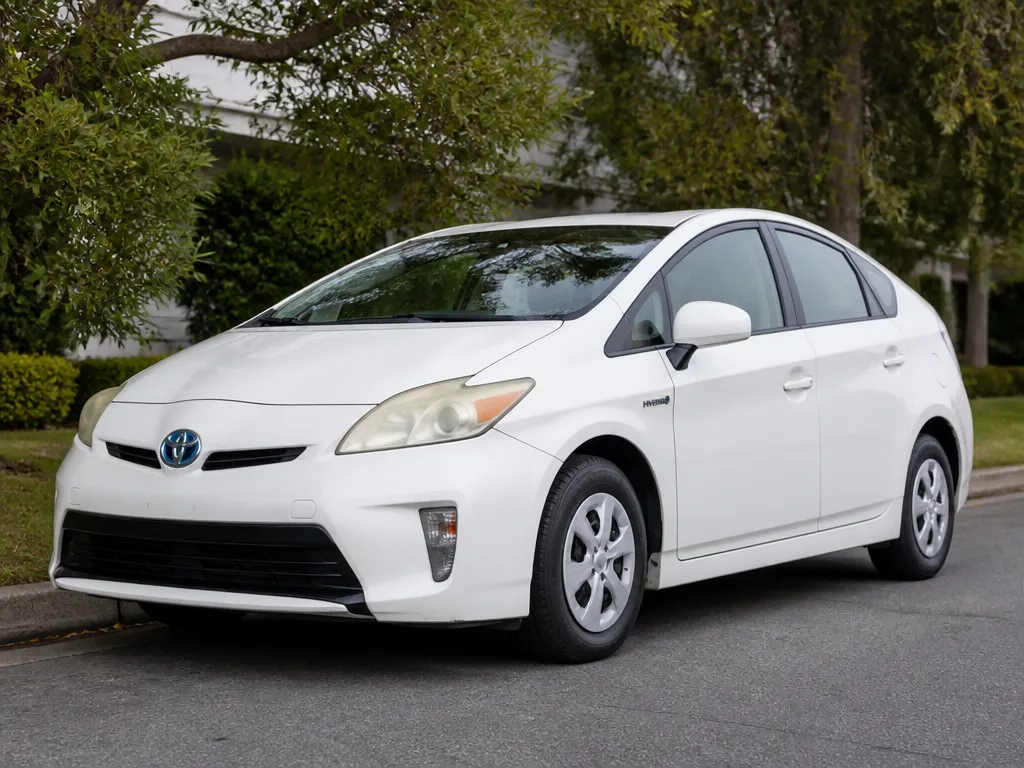
Toyota hybrid (HEV) battery packs typically last well into the 150,000 to 200,000 mile range for many owners, with some reaching longer if they stay cool and avoid harsh driving. Calendar aging also matters, so “lasts” can mean years (often 8 to 12+) even when mileage is lower.
How long the battery lasts depends on what you mean by “last.” Mileage life is about how much capacity remains before the car limits power or the engine runs more often, while calendar life is about thermal and chemical wear that continues even when miles are low. Usable-capacity loss can feel gradual, but it is still degradation, not a sudden failure.
Typical Lifespan Ranges By Toyota Hev Model
Because Toyota hybrid systems share similar principles but use different pack sizes and operating controls, lifespan expectations should be model-aware. Without manufacturer, model-specific capacity retention data for every variant, a conservative framework is to treat the “middle” of the market as a planning range, then adjust for climate and driving.
| Pack type (common Toyota HEV examples) | Planning range (miles) | Planning range (years) | What “degraded” feels like |
|---|---|---|---|
| Prius / Corolla Hybrid class | 150,000 to 200,000 | 8 to 12+ | Less electric assist, slightly higher engine use, reduced efficiency |
| RAV4 Hybrid / similar midsize | 140,000 to 210,000 | 8 to 12+ | Gradual drop in EV-like behavior, more frequent charge cycling |
| High-demand hybrids (frequent stop-and-go or hills) | 120,000 to 180,000 | 7 to 11+ | More noticeable efficiency loss, comfort changes from power limits |
For example, two vehicles with the same mileage can age very differently. A compact hybrid in a mild climate with smooth driving may see slower capacity fade than a similar-mile vehicle driven daily in high heat with lots of hard acceleration.
What Degradation Feels Like, And Why Heat And Mileage Shift The Clock
Degradation often shows up first as behavior changes rather than warning lights. A healthy hybrid feels like it uses electric assist freely when available; a more aged pack tends to save battery energy for later, so you see more engine run time and less “instant” response from the electric portion.
Heat accelerates wear because the battery chemistry reacts faster at higher temperatures. Frequent high-power operation (steep climbs, quick starts, sustained highway speeds where the system demands more from the pack) increases temperature and cycling, which shifts the clock toward earlier capacity loss.
Mileage still matters because it drives cycle count, meaning how often the pack is charged and discharged. Short trips can add stress too, since the pack may not reach stable operating temperature, and repeated cold-to-warm transitions can increase thermal swings.
“Last” can mean anything from “still driving safely” to “still has most usable capacity.” For decisions later (repair vs replacement), you want battery health data from the vehicle diagnostics, not just the vehicle age or mileage.
Toyota Hybrid Battery Chemistry By Model
Recommended Products

Toyota hybrid packs most commonly use nickel-metal hydride (NiMH) in earlier generations and lithium-ion (Li-ion) variants in newer designs, and the practical wear pattern differs by chemistry. NiMH degradation tends to show up as reduced usable capacity under load, while Li-ion aging is more about loss of capacity and increased internal resistance over time. Model year matters because Toyota changed pack architecture and thermal control across generations.
NiMH hybrids generally age from a mix of calendar aging and cycling, with high heat accelerating both. Cold weather can make the pack feel “weaker” because the pack needs heat to deliver power smoothly, so you may see lower assist and more engine blending even if the battery is not failing. Li-ion packs also suffer from heat, but they can show more pronounced performance limits when the pack is very cold, then improve once the pack warms up.
For both chemistries, repeated high-temperature operation and frequent deep cycling increase the speed of capacity loss. Stop-and-go driving that keeps the battery at elevated temperatures can be tougher than steady cruising, especially if the vehicle climate system keeps the battery near its upper operating range. Hot climates and long periods sitting fully charged can also raise aging risk, even without obvious symptoms.
How Model Year Changes Replacement Risk
Model year affects more than chemistry, it also affects the battery management system strategy, cooling hardware, and how the vehicle limits charge and discharge as the pack ages. Earlier NiMH packs are more likely to show gradual assist reduction, while later Li-ion packs can feel more stable until a threshold, then drop off more noticeably. Replacement risk also rises with pack contamination issues (coolant or cooling-path problems) because both chemistries depend on temperature control.
In practice, treat “chemistry” as one variable and “thermal management health” as the other. If the cooling system is weak or the vehicle repeatedly runs the battery hot, longevity shortens regardless of NiMH vs Li-ion. Symptom timing remains useful: a steady decline suggests aging, while a sudden change can point to another fault.
| Vehicle generation (typical) | Pack chemistry used | Common aging behavior | Cold/hot weather feel |
|---|---|---|---|
| Earlier Toyota hybrids | NiMH | Gradual capacity loss under load | Cold reduces power temporarily, heat accelerates long-term wear |
| Newer Toyota hybrids | Li-ion variants | Capacity and internal resistance increase over time | Cold limits assist until warmed, heat accelerates aging |
Model year also affects how the car responds when the pack nears wear limits, including changes in engine assist behavior and regen effectiveness. A declining pattern over months usually points to aging, while abrupt performance loss often points to a sensor, cooling issue, or high-voltage contact problem. Next steps depend on symptoms plus data, not just mileage, because Toyota’s control strategy can mask early chemistry aging for a long time.
Toyota Warranty Terms And Coverage
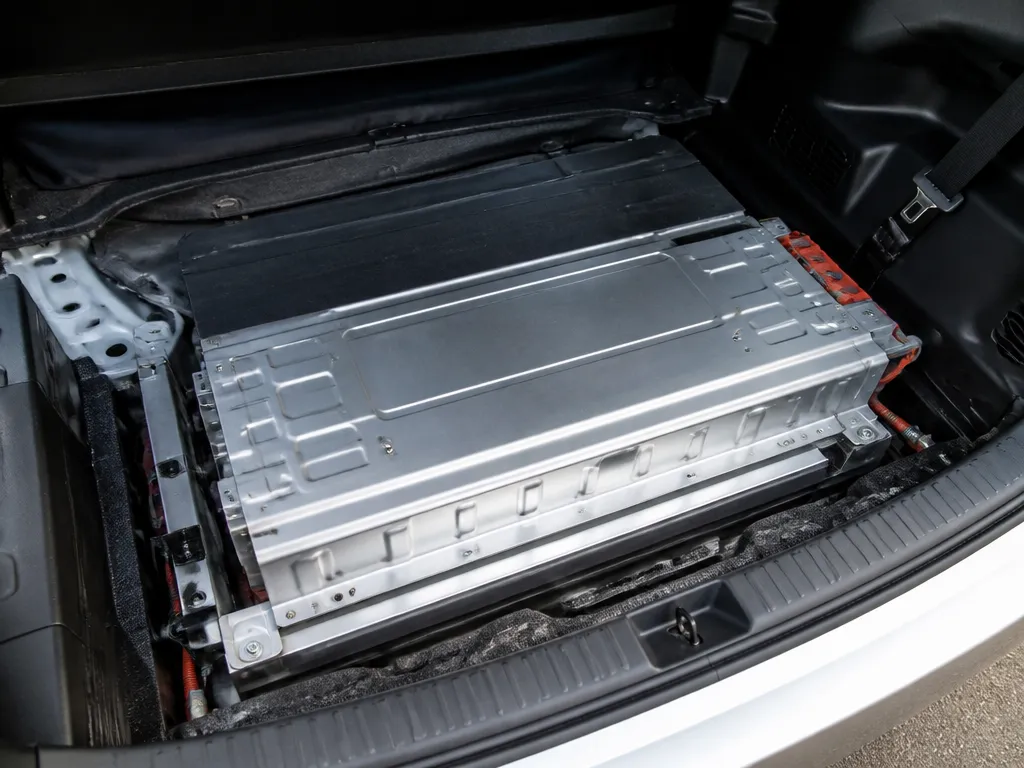
Toyota hybrid battery coverage usually comes with a time and mileage limit that starts at the vehicle’s first sale or in-service date, and it varies by model year, hybrid system, and region. Coverage also depends on meeting eligibility rules, including proper servicing and whether the battery is found to have a covered defect versus damage or misuse. Check your VIN-specific warranty in Toyota’s warranty lookup or your owner documentation.
Common Warranty Length: What To Look For
Hybrid battery warranties are typically written as “years or miles,” and the effective limit is whichever is reached first. Look for the exact entry in your warranty booklet (or Toyota warranty site) that spells out the hybrid battery warranty category, the start date, and the qualifying mileage. Many owners assume “hybrid battery” and “hybrid system” mean the same thing, but warranty coverage wording can differ across components.
Coverage usually also includes limits on what Toyota considers a defect. In practice, a battery that fails due to internal electronics or cell degradation may qualify, while a battery that is damaged by an external event often will not. Read the exclusions section so you know whether events like corrosion, impact damage, overheating, or improper service are treated differently than normal wear.
For example, when comparing coverage across two similar cars, the decisive factors are often the model year and trim, plus the region where the vehicle was sold. One market might offer a longer term for the hybrid battery assembly, while another might apply the same overall program but tighten coverage details on specific parts.
Regional And Model Variations You Must Confirm
Toyota warranty terms can differ between countries and sometimes differ across states or provinces because the “plan” is tied to local regulations and distribution policies. Even within the same country, model year changes can move the hybrid battery warranty start and the wording of exclusions. Treat any blanket number you see online as a starting point, not a guarantee.
Model variations matter because “hybrid” can include different hardware generations, including different battery management strategies and component sets. Warranty coverage might be written for the battery assembly, while other connected components (like related electronic modules) have separate terms. That is why the VIN-specific lookup is usually the fastest way to avoid confusion.
How The Dealer Typically Verifies Eligibility
Dealers usually start with the VIN to pull the correct warranty terms and the battery’s warranty status. After that, the dealer confirms whether the concern is a condition that Toyota considers covered, which often includes diagnostic results from the vehicle’s system and any requested inspection of the battery assembly.
Eligibility can be denied when the failure is tied to non-covered causes such as accident damage, abuse, tampering, or improper prior repairs. Coverage can also be affected if prior work did not follow Toyota procedures, so keep service records when you have warranty-relevant repairs.
Practical takeaway: confirm your VIN-covered terms in Toyota’s warranty documentation before budgeting for a replacement. The remaining time and mileage can change what is realistically “repair versus replace” for your exact vehicle.
Signs Of Weak Hybrid Battery
Weak Toyota hybrid battery symptoms are usually easiest to spot through the dash, then through real driving behavior like less electric assist and lower mpg. Warning lights can also be caused by a faulty 12V battery, a failing inverter, or a problem in the DC-DC converter.
Dashboard Indicators And Performance Tells
Start with what the vehicle is telling you. Common signs include a hybrid system warning on the cluster, the “check hybrid system” message, or the car entering a more engine-dominant mode with reduced battery assist.
For example, drivers often notice stronger engine revving during acceleration because the hybrid battery is not able to deliver current as readily. MPG can drop gradually (less assist) or show sudden changes after cold starts, battery voltage drops, or recent replacement of the 12V battery.
| Observed symptom | What it can mean | What to check next |
|---|---|---|
| Hybrid warning message, triangle icon, or “check engine” plus hybrid message | Possible HV battery weakness, but also inverter, HV wiring, or sensor faults | Run a full scan for hybrid system codes (not just generic OBD) |
| Reduced electric assist, engine stays on longer | Battery not meeting power demand or power management limits | Compare behavior warm vs cold, and log codes from a scan |
| MPG drop that improves after a full warm-up | Cold-weather voltage limits (normal-ish) rather than permanent degradation | Repeat checks on the same route after multiple warm days |
| Charging feels “normal” but performance is weak | Less usable capacity, cell imbalance, or inverter/DC-DC issues | Look for powertrain codes and measure live hybrid system data if available |
Normal Cold Behavior Vs True Battery Aging
Cold weather can temporarily reduce hybrid battery power because the pack needs heat and the car limits current until conditions are right. Real degradation usually shows up as consistently weaker assist across warm driving, repeated warning messages, or a steady downward trend in usable assist even when the system is at operating temperature.
In practice, a one-day anomaly after extreme cold, a long sit, or a new maintenance event can mimic battery issues. A true battery problem is more likely when the symptoms persist across several trips and are paired with hybrid-related codes.
Other Causes That Mimic Weak Hybrid Packs
A weak 12V battery can trigger odd hybrid warnings and limit the hybrid system because control modules, relays, and sensors need stable voltage. A failing inverter, DC-DC converter, or HV contactor can also reduce assist in ways that look like “hybrid battery is dying,” even when the pack itself is okay.
Safety note: Stop driving and investigate promptly if you see overheating smells, repeated dash warnings, or signs of physical damage (dents, coolant leakage, or swelling components). Do not try to “charge the hybrid battery” yourself unless you have the correct OEM procedure and high-voltage safety training.
Check Battery Health In Steps
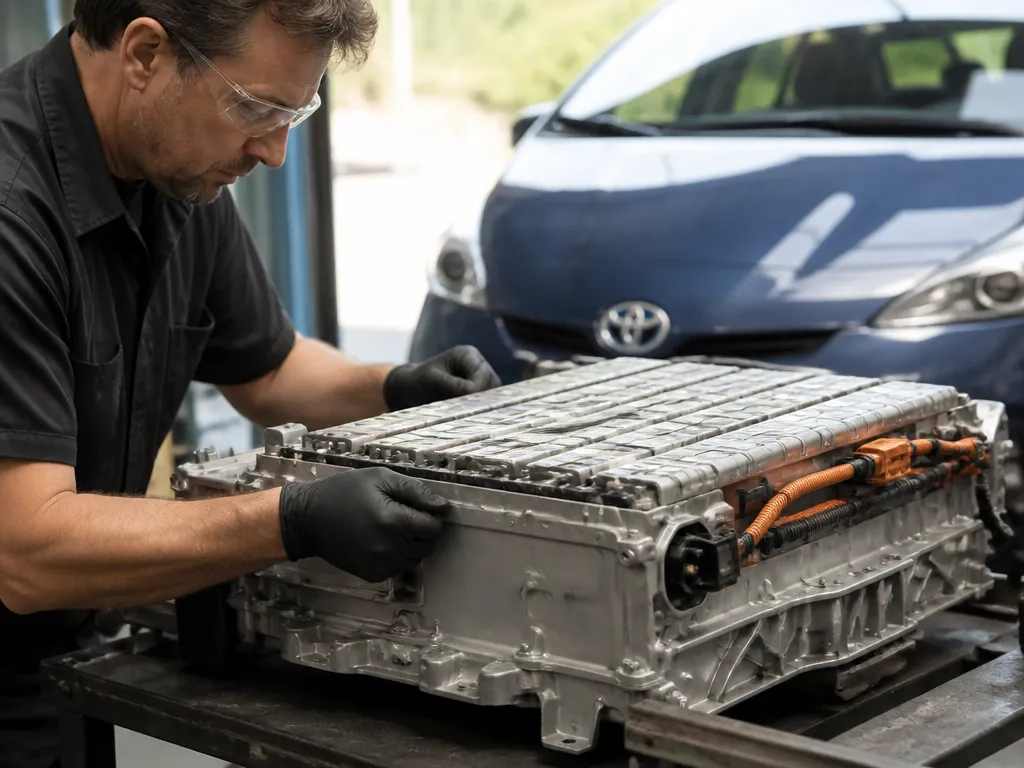
Live data from the vehicle and professional tests provide a practical view of a Toyota hybrid pack’s health. The dash energy flow and EV mode indicators show how much the pack is actively supporting propulsion, while service diagnostics and an OBD-II scan add objective context. Use these steps to form a conservative read on remaining life and when to act.
Repair Or Replace Decision Guide
Toyota hybrid batteries are designed for long service life, but actual lifespan varies with climate, driving style, and maintenance. Consider the vehicle’s current condition, warranty status, and safety risk when deciding whether to keep driving, repair, or replace.
Replacement Cost Factors And Ballparks
Replacement cost for Toyota hybrid battery packs varies by model and replacement path; OEM new packs are the most costly upfront, while remanufactured or refurbished units can reduce parts costs but may affect warranty and long-term reliability. Installation costs depend on pack access, mounting, and whether reprogramming is required.
Labor and diagnostic time drive total expense. Diagnostics to confirm failure and ensure compatibility add to the bill, and removal plus installation complexity varies with how the pack is accessed in the vehicle. Location and shop rate differences also shift totals.
| Replacement Path | What it Includes | Typical Labor Drivers | Warranty Considerations | Cost Outlook (Ballpark) |
|---|---|---|---|---|
| OEM/New Toyota Hybrid Battery Pack | Brand-new OEM pack matched to model and year | Diagnostics, removal/installation, potential reprogramming | Factory warranty on the pack; labor may have separate coverage | High upfront; exact price varies by model and VIN; request quotes with VIN |
| Remanufactured Pack | Rebuilt pack using refurbished modules with new components | Diagnostics, swap, BMS integration | Typically limited warranty; terms vary by supplier | Lower than OEM; price varies by supplier and model; VIN helps quotes |
| Refurbished/Used Pack | Used or refurbished unit with limited warranty | Diagnostics, removal, compatibility checks | Usually minimal or no warranty | |
| Diagnostic/Install Option (Independent Shop) | Case-by-case price from diagnostics through install | Vehicle diagnosis time, extraction and fitment | Vary by shop; confirm parts compatibility and warranty terms | Can be cost-effective if you supply a tested unit; quotes still VIN-dependent |
Warranty and coverage notes: verify whether the chosen path transfers with the vehicle title or lease, and ask for written terms on both parts and labor.
Extend Life With Power Habits
Toyota hybrid batteries are designed for long life, with many packs lasting well past 100,000 miles. Real-world results vary by model and usage, but a decade or more of service is common with proper care. Warranty terms differ by market and model, so check your local documentation for the exact coverages.
Signs of aging to watch for include reduced EV mode availability, perceptible changes in charging behavior, or persistent warning lights. These signs can help determine whether the pack is aging gracefully or nearing end of life, while warranty, mileage, and budget inform the available options.
Quick Summary
Toyota hybrid batteries last for a long time, but how long depends more on model generation and heat exposure than mileage alone. Typical life is about 8 to 15 years, with many packs reaching 100,000 to 200,000 miles when they avoid extreme heat. Battery health should not be judged by a single cold week; instead look for warning lights and a sustained mpg drop. Warranty terms vary by model year and region, and that warranty often provides a realistic benchmark for expected longevity and limits.
Deeper specifics show lifespans vary by model, with Prius and Corolla hybrids at about 150,000 to 200,000 miles or 8 to 12 plus years, RAV4 hybrids at 140,000 to 210,000 miles, and high demand hybrids from 120,000 to 180,000 miles, roughly 7 to 11 plus years. Heat accelerates wear and frequent high power operation increases temperature and cycling, while calendar aging means years matter even with lower mileage. Warranty status, vehicle condition, and safety risk should guide repair or replacement planning.
Frequently Asked Questions
How Long Does A Toyota Hybrid Battery Last Under Normal Use?
There is no fixed lifespan; most owners report reliable operation for about 8 to 12 years or roughly 100,000 to 200,000 miles before major degradation, but climate and driving habits heavily influence this.
How Does Heat Affect A Toyota Hybrid Battery And What Can I Do About It?
Heat accelerates chemical aging in the pack, which can shorten life if the cooling system or airflow is poor. Park in shade, keep the under-hood area clear, and ensure the cooling system is working; temperatures above about 90 F (32 C) can increase wear over time.
What Is The Typical Electric-only Range Or Duration When Driving A Toyota Hybrid At Low Speeds?
Hybrid EV mode is limited and varies by model; many Toyota hybrids can run on electricity for short distances, typically up to 1 mile at very low speeds with a healthy battery, but it’s not reliable for highway driving.
What Safety Steps Should I Take If My Toyota Hybrid Battery Overheats Or You Suspect A Fault?
If you notice unusual heat, burning smells, or warning lights, stop safely and have the vehicle towed to a dealer. Do not open or touch high voltage components yourself; high voltage packs are typically in the 144 to 300 V DC range and require trained technicians.
What Are Common Buying Mistakes To Avoid When Planning To Replace Or Buy A Used Toyota Hybrid With A Battery Issue?
Don’t assume the battery is the only issue; check service history and battery health reports, verify warranty transfer, and beware of sellers who cannot prove battery status. In many markets, the hybrid battery warranty is around 8 years or 100,000 miles, so verify current coverage and remaining life with the dealer.

- 10 Best Battery For Generator Battery Protection Option 2026 - October 11, 2026
- 10 Best Battery For Generator Battery Protection 2026 - October 11, 2026
- 10 Best Battery For Generator Battery Powered Lighting 2026 - October 11, 2026