Can You Charge A Lifepo4 Battery With A Standard Charger?
LiFePO4 cells must not be overvolted, the single spec that matters most is per‑cell charge voltage, typically 3.60 – 3.65 V. A common mistake is leaving a lead‑acid charger on auto equalize or high float, which can push a pack above safe voltage. First label to check on any charger is its maximum charge voltage or an equalize setting.

Charging a LiFePO4 battery with a standard charger is possible if the charger can hold 3.60 – 3.65 V per cell (14.4 – 14.6 V for a 12.8 V 4S pack), float is set to about 13.4 – 13.6 V or disabled, and current is limited to 0.2C – 0.5C; otherwise use a LiFePO4‑profile charger.
Vehicle Alternator 12V
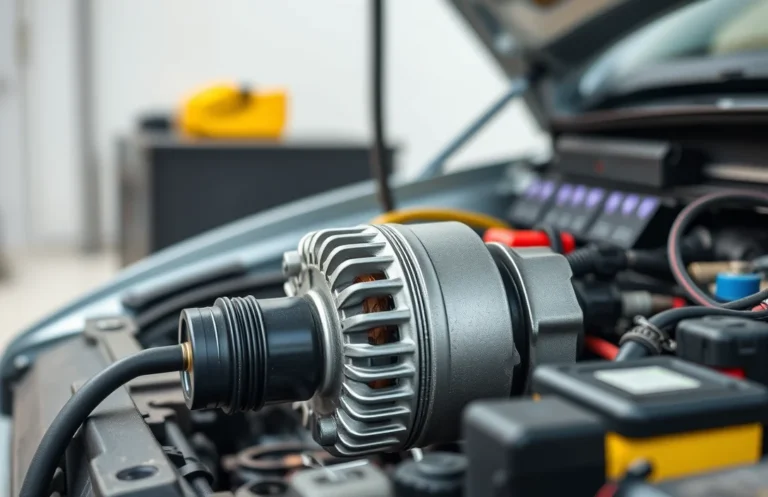
A typical vehicle alternator produces about 13.8 to 14.8 volts while the engine runs, which puts it squarely in the conversation when charging a 12V LiFePO4 pack. That voltage range can bring a LiFePO4 battery up from a partial state of charge, but alternators are designed to keep a vehicle battery topped for lead-acid chemistries rather than to follow a LiFePO4 charging curve. Because of that mismatch you need to check how the battery and its battery management system will react before relying on the alternator as the primary charger.
Alternators normally do not provide a controlled multi-stage CC/CV profile or cell balancing required for optimal LiFePO4 charging, and they can keep voltage at a float level that is too high or too low for long-term life depending on the vehicle regulator. Do not assume the alternator alone will protect against overcharge or imbalance unless the LiFePO4 battery has a built-in BMS that explicitly allows alternator charging. For practical setups, most people fit a DC-DC charger, battery-to-battery charger, or a LiFePO4-specific regulator between the alternator and the battery to manage current and final voltage.
When to use it
Use alternator-only charging for short top-ups, running accessories, or when the LiFePO4 pack and BMS manufacturer explicitly approves alternator charging at the vehicle’s regulated voltage. If the pack is deeply discharged, or the manufacturer wants a specific absorption voltage and cutback, a DC-DC charger or dedicated LiFePO4 charger is safer to preserve cycle life. Alternator charging is most acceptable when the system includes a LiFePO4-aware charger or a BMS that reliably disconnects at the correct cell voltage; without those safeguards there is measurable risk to battery longevity.
Takeaway: verify the LiFePO4 pack’s recommended charge voltage and confirm a BMS or DC-DC charger is in the circuit before relying on a vehicle alternator for regular charging, and install proper fusing and wiring for safety.
Multi‑Stage Lead‑Acid
Most multi-stage lead-acid chargers hold a float voltage around 13.6 to 13.8 volts, while a 12.8 V LiFePO4 pack often needs a higher termination or a different charge profile, so the mismatch is why this charger type is on the list. Because multi-stage chargers go into a sustained float stage after absorption, they can keep applying voltage that may be unnecessary or harmful to LiFePO4 cells over long periods. Verify the battery maker’s recommended charge voltage and current before connecting a lead-acid charger to a LiFePO4 pack.
For instance, a common lead-acid three-stage cycle is bulk, absorption, then float; LiFePO4 prefers a controlled constant-current, constant-voltage finish with minimal float and strict upper-voltage control. If your charger allows setting the absorption or float voltage to match the LiFePO4 spec, and you use a proper BMS that blocks overcharge, the arrangement can work for occasional top-ups. Otherwise you risk undercharging, overcharging, or cycling the cells improperly, all of which affect life and safety.
When to use it
Use a multi-stage lead-acid charger for LiFePO4 only when you can change the charger settings to match the battery’s required CV termination and disable or lower float, or when a robust BMS is present that limits cell voltage. In practice this means checking the charger’s manual for voltage adjustability and monitoring the first few charge cycles with a multimeter or cell-balancer readout to confirm cell voltages do not climb past the LiFePO4 recommended maximum. If the charger cannot be tuned, buy a dedicated LiFePO4 charger or an adjustable smart charger; that is a convenience upgrade that also addresses the safety-critical need to prevent overvoltage and extended float periods.
Takeaway: do not assume a standard multi-stage lead-acid charger is safe for LiFePO4, check voltage limits and current, and prefer a charger with a LiFePO4 profile or use a BMS to protect the pack.
Cheap Trickle Charger
Many cheap trickle chargers output a float voltage around 13.6 to 13.8 volts at under 2 amps, which is why people ask whether they will charge a 12.8 V LiFePO4 pack. That voltage can be near the resting voltage of a charged LiFePO4 pack, so a trickle charger may hold a pack at a safe float level but will not follow a proper LiFePO4 charge algorithm. Use caution because these units are usually designed for lead acid chemistry and often lack a constant-current then constant-voltage profile tuned for LiFePO4.
Practical details: check the label for float voltage and maximum output current before connecting, and verify the charger has an explicit LiFePO4 or adjustable voltage setting if you plan regular charging. Many inexpensive chargers do not include low-voltage cutoffs, cell balancing, or temperature compensation, so they rely on the battery’s BMS to protect cells. If your LiFePO4 pack lacks a BMS, avoid using a generic trickle charger because overcharging or cell imbalance can occur without active management.
For example, a small 1.5 A trickle unit may keep a stored LiFePO4 pack topped off for months without driving high cell voltages, but it will not correct a deeply discharged cell or rebalance a pack that has drifted. Monitor pack voltage and temperature while charging and stop immediately if anything gets hot or the pack swells.
When to use it
Cheap trickle chargers are best for occasional top-up of a healthy LiFePO4 battery that already has a proper BMS and where the charger float voltage matches the battery maker guidance. They are not suitable as the primary charging method if you need full capacity recovery from a deeply discharged pack, or if the battery has no balancing or overvoltage protection, because the charger will not provide the correct multi-stage charge profile. Use them only for maintenance charging, storage float, or slow small-current keeps, and always confirm charger specs and monitor the battery during the first few uses to confirm safe behavior.
Takeaway: a cheap trickle charger can maintain a LiFePO4 pack in storage if its float voltage and current are appropriate and a BMS is present, but it is not a replacement for a proper LiFePO4 charger when you need full capacity, balance, or recovery from low state of charge. Verify labels and monitor the battery for heat, swelling, or unexpected voltage drift.
Solar MPPT Controller
Charging a LiFePO4 battery effectively requires a charger that matches its specific voltage and current needs, and a Solar MPPT (Maximum Power Point Tracking) controller can be an excellent solution in solar setups. These controllers optimize the amount of energy harvested from solar panels, making them particularly beneficial for maintaining LiFePO4 batteries, which can be sensitive to improper charging.
When using a Solar MPPT controller with a LiFePO4 battery, it’s important to ensure that the controller supports the specific charge profile required for this chemistry. Most controllers will have adjustable settings to match the voltage and charging current. Typical specifications for MPPT controllers range from 10A to 80A, and prices can vary from $100 to over $500 depending on the capacity and features.
For instance, a 40A MPPT controller could be suitable for a home solar setup charging a 12V LiFePO4 battery.
When to use it
A Solar MPPT controller is particularly useful when you want to charge a LiFePO4 battery from solar panels, especially in remote locations where traditional power sources are unavailable. They excel in situations where maximizing solar energy capture is crucial, such as RVs, boats, or off-grid homes. Always consider the solar panel’s output and the battery’s charging specifications when setting up the system to avoid damage and ensure efficient charging.
For users looking to charge LiFePO4 batteries, investing in a suitable MPPT controller can enhance battery life and performance. It is essential to monitor the charging process and adjust settings as necessary to maintain optimal battery health.
Quick Summary
You cannot safely charge a LiFePO4 battery with a standard charger without proper precautions and compatibility checks.
Frequently Asked Questions
Can you charge a LiFePO4 battery with a standard charger?
No, using a standard charger can be unsafe as it may not provide the correct voltage or current. LiFePO4 batteries require a charger specifically designed for their chemistry, typically with a voltage of around 3.6 to 3.65 volts per cell.
What happens if you use the wrong charger for a LiFePO4 battery?
Using an incorrect charger can lead to overheating, reduced battery life, or even fire hazards. It is crucial to use a charger that matches the battery’s specifications to ensure safe and efficient charging.
How long does it take to charge a LiFePO4 battery?
The charging time varies based on the battery’s capacity and the charger’s output. Generally, a full charge can take between 2 to 5 hours using an appropriate charger, depending on the specific setup.
Are there safety concerns when charging LiFePO4 batteries?
Yes, safety is paramount. Always monitor the battery during charging and ensure that the charger is designed for LiFePO4 batteries to prevent risks like overcharging and swelling.
What are common mistakes when charging LiFePO4 batteries?
A common mistake is using a charger not rated for LiFePO4 chemistry. Always check that the charger is compatible and matches the voltage and current specifications of your battery to avoid damaging it.

- Top 10 Best Solar Backup Batteries Austin 2026 - July 28, 2026
- Top 10 Best Solar Battery Charger For Rv 2026 - July 28, 2026
- Top 10 Best Solar Charger For Trolling Motor Battery 2026 - July 28, 2026