How To Replace Your Cr2032 Battery For Audi Key Fob Safely
Most Audi key fobs use a standard CR2032 lithium coin cell, but using a cheap, unbranded battery can lead to premature voltage drops. The physical thickness and contact tension matter for a reliable signal. This guide covers how to swap your battery, open the casing without snapping the plastic, and ensure your key syncs with the car again.
CR2032 batteries are the correct replacement for most Audi key fobs from the last decade. These 3V lithium coin cells provide the necessary voltage for remote entry systems. Always verify your specific model year, as some newer proximity keys might require different specifications. Ensure the positive side faces up during installation to avoid a dead signal.
Cr2032 Battery For Audi Key Fob Compatibility
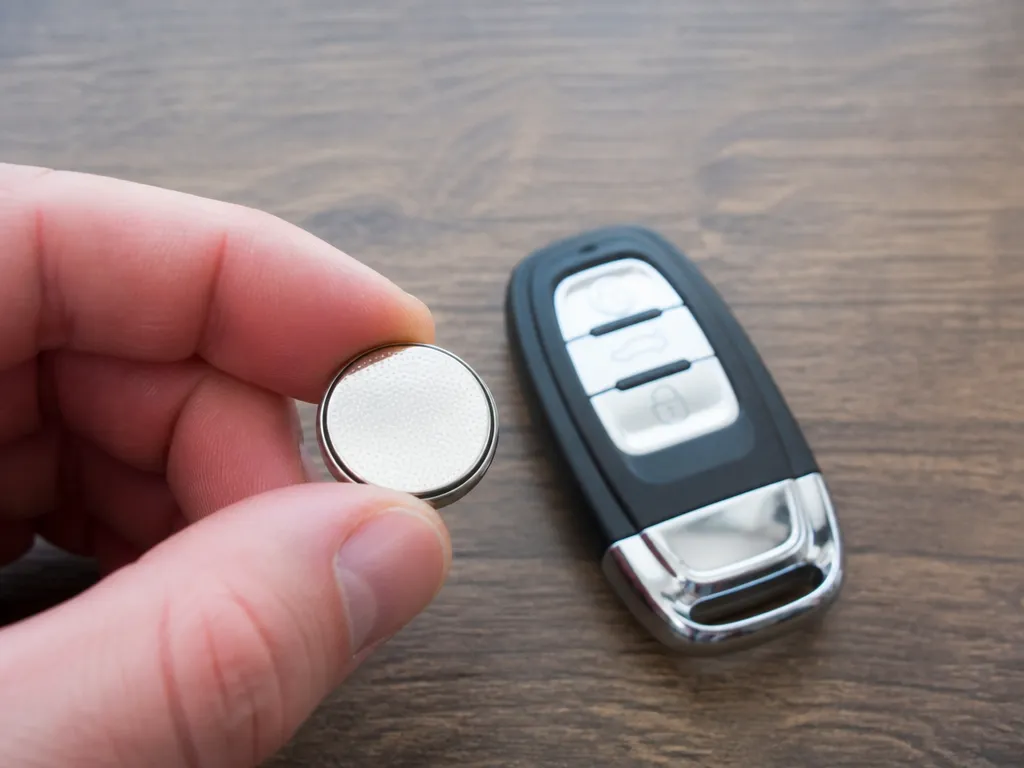
The CR2032 lithium coin cell is the standard power source for most modern Audi key fobs. These batteries provide the consistent 3V output required to trigger remote entry and ignition systems.
Identifying Your Key Fob Generation
Most Audi keys produced in the last two decades use the CR2032 cell. You can identify your battery by removing the back cover and reading the engraving on the flat side of the existing cell.
For instance, the “20” refers to the 20mm diameter, and the “32” refers to the 3.2mm thickness. Using a battery with the wrong thickness can prevent the casing from closing or cause the contacts to lose connection.
Proximity keys often drain batteries faster than traditional button keys because they communicate with the car more frequently. This makes choosing a high-quality name-brand lithium cell more important for long-term reliability.
Check the owner’s manual or the battery engraving before purchasing replacements to ensure the voltage and dimensions match the factory specifications.
The Importance Of 3v Lithium Chemistry
The internal circuitry of an Audi key fob is designed for a precise 3V input. Lithium manganese dioxide cells are the industry choice because they do not leak as easily as alkaline batteries and handle temperature swings well.
In practice, using a battery with a lower voltage rating will cause the key to stop working intermittently. You might find that the buttons work from two feet away but fail from ten feet away.
These cells offer a high energy density in a small footprint. This allows the key fob to remain slim while providing several years of service before needing a replacement.
| Battery Type | Diameter | Thickness | Audi Compatibility |
|---|---|---|---|
| CR2032 | 20mm | 3.2mm | Standard for most modern keys |
| CR2025 | 20mm | 2.5mm | Too thin for most CR2032 slots |
Safety Precautions For Lithium Coin Cells
Lithium coin cells pose a severe internal chemical burn hazard if swallowed, as they can trigger an electrical reaction that perforates the esophagus in as little as two hours. Keep these batteries entirely out of reach of infants and small children, and store any spare cells in a locked container or high cupboard.
Handling these batteries requires attention to cleanliness and physical integrity. Oils from your skin can create a microscopic film on the battery surface, which occasionally interferes with the electrical contact inside the key fob. Use a pair of plastic tweezers or a clean, dry microfiber cloth to grip the cell during installation.
Critical Handling And Disposal Protocols
In practice, store your replacement batteries in their original blister pack until the moment you need them. Leaving loose cells in a junk drawer alongside metal paperclips, coins, or other batteries invites accidental short circuits. If you suspect a child has swallowed a battery, seek emergency medical care at the nearest hospital immediately without delay.
Opening Your Audi Key Fob Safely
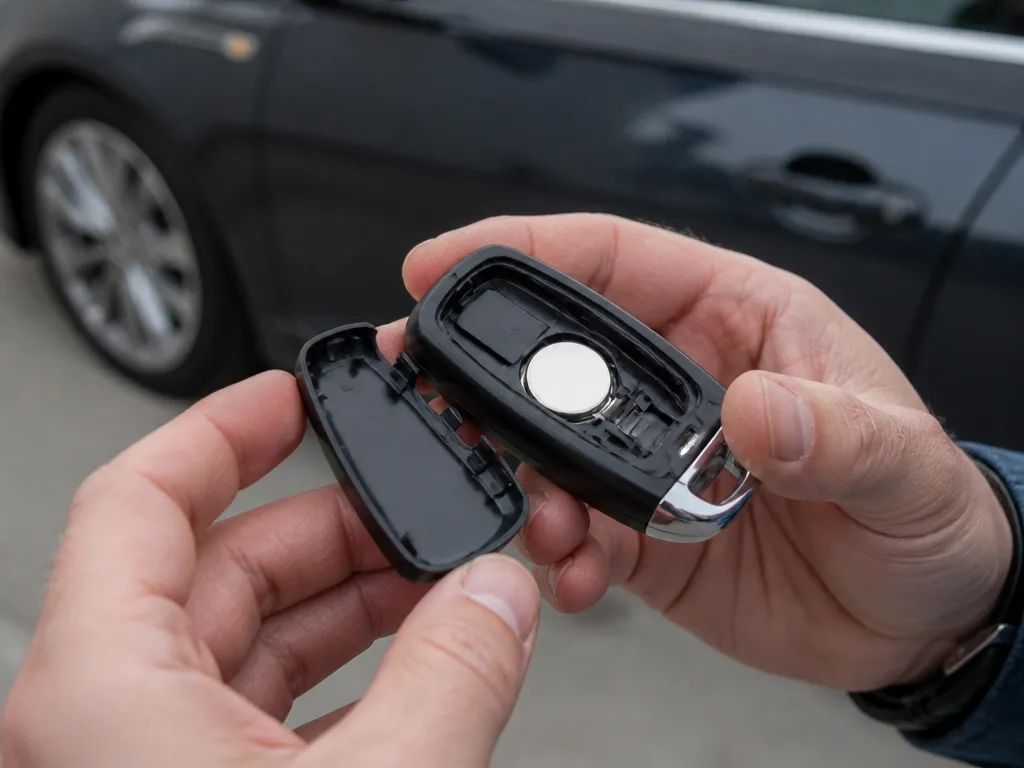
Accessing the internal battery compartment requires precision to avoid cracking the delicate plastic tabs that hold the casing together. A thin, flat-head precision screwdriver or a dedicated plastic pry tool is the only equipment needed to separate the halves without leaving unsightly marks.
Most Audi key fobs follow a specific design sequence to expose the battery tray. Follow these steps to prevent damage to the housing or the internal circuit board.
Warning: Never use a metal knife or a wide-blade screwdriver to pry the casing. Metal tools often gouge the soft plastic finish of the fob, and using excessive leverage can crack the delicate internal mounting points. If the shell feels stuck, inspect the edges for any missed clips rather than forcing the cover open.
For instance, some newer models feature a tight seal around the perimeter to protect against moisture ingress. If the casing resists your initial attempt, apply firm but steady pressure and move the tool incrementally around the edge. Patience at this stage ensures the fob remains secure and weather-resistant once you install the fresh cell.
Replacing The Battery Correctly
The positive terminal of the CR2032 coin cell must face upward, toward the back cover of the Audi key fob. Installing the battery upside down prevents the metal contacts from completing the circuit, rendering the remote unresponsive to your vehicle.
Conductivity issues often arise from oils transferred from your fingers onto the battery surface or the internal contact points. Wiping the new cell and the fob’s internal terminals with a lint-free cloth or a cotton swab dampened with a tiny amount of isopropyl alcohol ensures a reliable connection.
Installation Checklist
Warning: Never use metal tools to pry or seat the battery inside the fob. A metal screwdriver can create a short circuit across the top and bottom of the cell, which may damage the battery, cause it to overheat, or blow a fuse within the remote’s internal circuitry.
Forcing the casing shut is a common mistake that risks snapping the plastic alignment tabs. If the two halves of the fob do not click together with light pressure, stop immediately and check for a battery that is slightly misaligned or a rubber gasket that has slipped out of its groove.
| Potential Issue | Correction Method |
|---|---|
| Battery is loose | Gently bend the metal spring tab inward to tighten the fit. |
| No power after install | Check for residue on contacts or verify battery voltage with a multimeter. |
| Casing won’t close | Ensure the battery is fully seated and the internal seal is flat. |
Avoid touching the faces of the new battery with your bare skin if possible. Use plastic tweezers or a clean, dry cloth to handle the cell, as skin oils can accelerate oxidation on the battery casing and create high-resistance points over time.
Re-synchronizing Your Key After Replacement
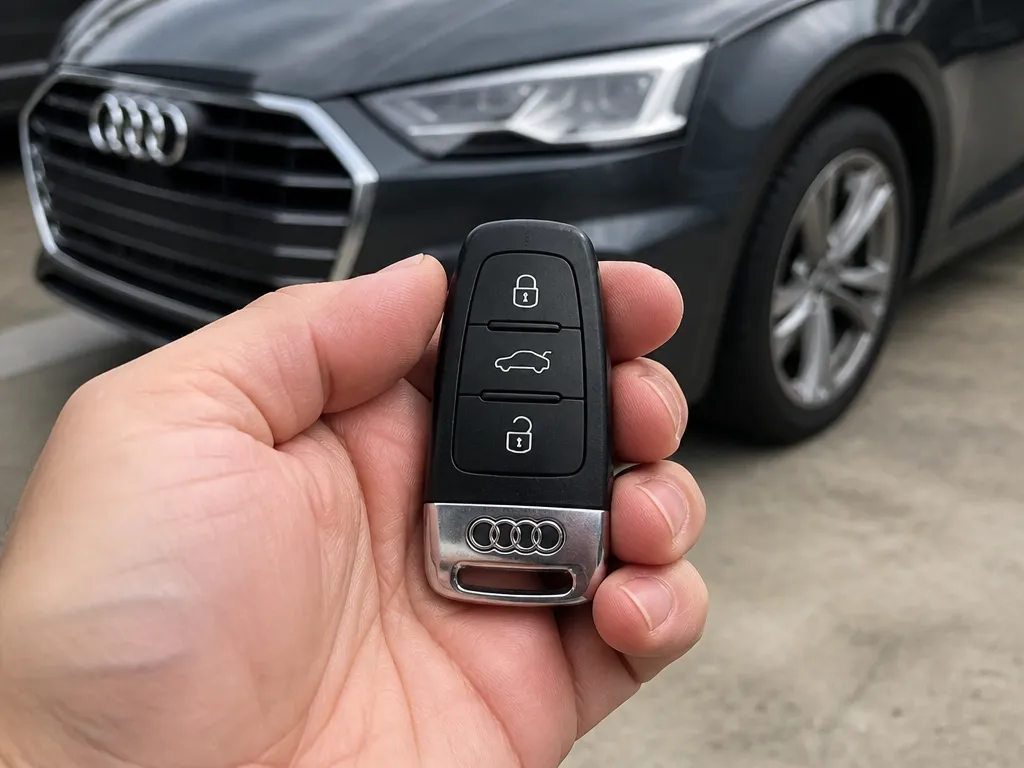
Most Audi key fobs maintain their pairing with the vehicle immobilizer even after the battery is removed. A standard CR2032 replacement typically works immediately without any manual programming.
Some older models or keys that have been dead for several weeks may require a quick handshake to restore functionality. This occurs when the internal memory loses its sync with the car’s electronic control unit.
| Scenario | Expected Result | Action Required |
|---|---|---|
| Quick battery swap | Key works instantly | None |
| Battery dead for weeks | Key unresponsive | Physical sync |
| New replacement fob | No signal | Dealer programming |
Initialization Steps For Unresponsive Keys
If the buttons do not lock or unlock the doors, you can usually trigger a re-sync through physical contact. This process tells the car that the authorized key is present.
For instance, older A4 or A6 models often require the key to be inserted into the ignition cylinder and turned to the “on” position. This physical connection bypasses the wireless signal to verify the chip.
Modern push-button start vehicles have a specific emergency area for the fob. This is often a small indentation on the steering column or a tray in the center console.
The immobilizer chip is separate from the remote battery. The car will usually start even if the battery is dead, as long as the chip is physically close to the reader.
For example, if you use the physical blade to unlock the door, the car may warn you that the key is not detected. You must then place the fob in the reader slot to clear this warning.
Safety Note: Never attempt to force the key fob into the ignition or slot if it does not fit. Using excessive force can damage the internal circuitry or the vehicle’s reader.
Troubleshooting Common Key Fob Issues
Intermittent signal range or a total lack of response often stems from a depleted cell rather than a broken circuit board. A failing battery typically provides just enough voltage to unlock doors from close proximity but fails when the distance increases.
Hardware damage becomes likely if the key remains unresponsive after a fresh battery installation. Internal electronic failures frequently result from physical trauma, such as drops on hard surfaces, or liquid ingress that corrodes the delicate contacts.
Identifying Component Failure
For instance, if the indicator light fails to blink despite installing a brand-new, high-quality 3V lithium cell, the fault almost certainly lies within the internal transmitter.
In practice, once the conductive traces on the circuit board sustain a crack, home repair is rarely feasible due to the microscopic scale of the components.
| Symptom | Likely Cause | Action |
|---|---|---|
| Weak signal range | Low battery voltage | Replace CR2032 |
| No response at all | Dead battery or broken board | Check contacts, then test |
| Intermittent button press | Worn button membrane | Clean or replace fob |
| Visible corrosion | Liquid damage | Clean with isopropyl alcohol |
Warning: Never use abrasive tools like screwdrivers to scrape corrosion off circuit boards. Use a cotton swab lightly dampened with 90 percent or higher isopropyl alcohol to gently wipe the contacts. If the board shows signs of burnt components or severe oxidation, the unit requires professional replacement.
Quick Summary
Most Audi key fobs produced within the last two decades rely on a standard 3V CR2032 lithium coin cell to power remote entry and ignition systems. The numerical designation is critical, as the 20mm diameter and 3.2mm thickness ensure the battery fits securely within the fob housing and maintains proper contact tension. Using an incorrect size, such as a 2.5mm thick CR2025 cell, can lead to loose connections or prevent the casing from closing entirely. Always verify your specific model year, as newer proximity keys may occasionally require different battery specifications.
Safety is paramount when handling lithium coin cells, which pose a severe chemical burn hazard if swallowed by children. To maintain battery health, handle cells only by the edges to prevent skin oils from interfering with conductivity, and avoid using metal tools that could cause a short circuit. If a replacement battery shows signs of physical damage like bulging or white residue, discard it immediately. The most important step is to place clear adhesive tape over the terminals of spent batteries before taking them to a designated recycling collection point.
Frequently Asked Questions
How Do I Know When To Replace The Cr2032 Battery In My Audi Key Fob?
You should replace the battery when you notice a significant decrease in the effective range of the remote or if the vehicle dashboard displays a key battery low warning. It is generally recommended to replace it proactively every 2 to 3 years to avoid being locked out.
Are All Cr2032 Batteries Compatible With My Audi Key?
Yes, the CR2032 is a standardized 3-volt lithium coin cell, so any reputable brand will provide the correct voltage and physical dimensions for your key fob. However, avoid purchasing off-brand or extremely cheap batteries from unknown marketplaces, as they often have a shorter shelf life and lower capacity.
Can A Faulty Cr2032 Battery Cause Heat Or Damage To My Audi Key Fob?
While a standard non-rechargeable CR2032 battery is very stable, you should never attempt to use a rechargeable LIR2032 equivalent in a key fob designed for a primary cell, as this can cause overheating or circuit damage. If the fob feels warm to the touch, remove the battery immediately and inspect the compartment for corrosion or leaking fluids.
Is There A Specific Way To Handle A Cr2032 Battery To Ensure Safety?
Always handle these small batteries by their edges with non-conductive tweezers or clean, dry fingers to prevent oils from your skin from causing high resistance or poor contact. Because they are a serious choking and ingestion hazard, keep them strictly out of reach of children and pets at all times.
What Is The Most Common Mistake People Make When Changing An Audi Key Fob Battery?
The most common mistake is installing the battery with the wrong polarity, which prevents the fob from sending a signal to your vehicle. Always ensure the side with the plus sign is facing the correct direction as indicated by the diagram inside your specific key fob housing.

- 10 Best Lithium Battery For Livescope Garmin 2026 - September 28, 2026
- 10 Lithium Battery For Kids Car 2026 - September 27, 2026
- 10 Lithium Battery For Key Fob 2026 - September 27, 2026