
Cr2032 Vs Cr2035: Are These Coin Cell Batteries Interchangeable?
A 0.3mm difference sounds tiny, but it is enough to stop a device from working entirely. You cannot simply swap a CR2032 for a CR2035 because the thickness mismatch often prevents the battery from making a reliable connection with the metal terminals. This guide compares the physical dimensions, capacity, and compatibility risks to help you choose the right cell.
CR2032 vs CR2035 batteries share the same 20mm diameter and 3V voltage, but they differ in thickness. A CR2032 is 3.2mm tall, while a CR2035 is 3.5mm tall. Using the thicker CR2035 in a slot designed for a CR2032 can bend contact pins or prevent the battery compartment from closing properly.
Cr2032 Vs Cr2035: Are They Interchangeable?
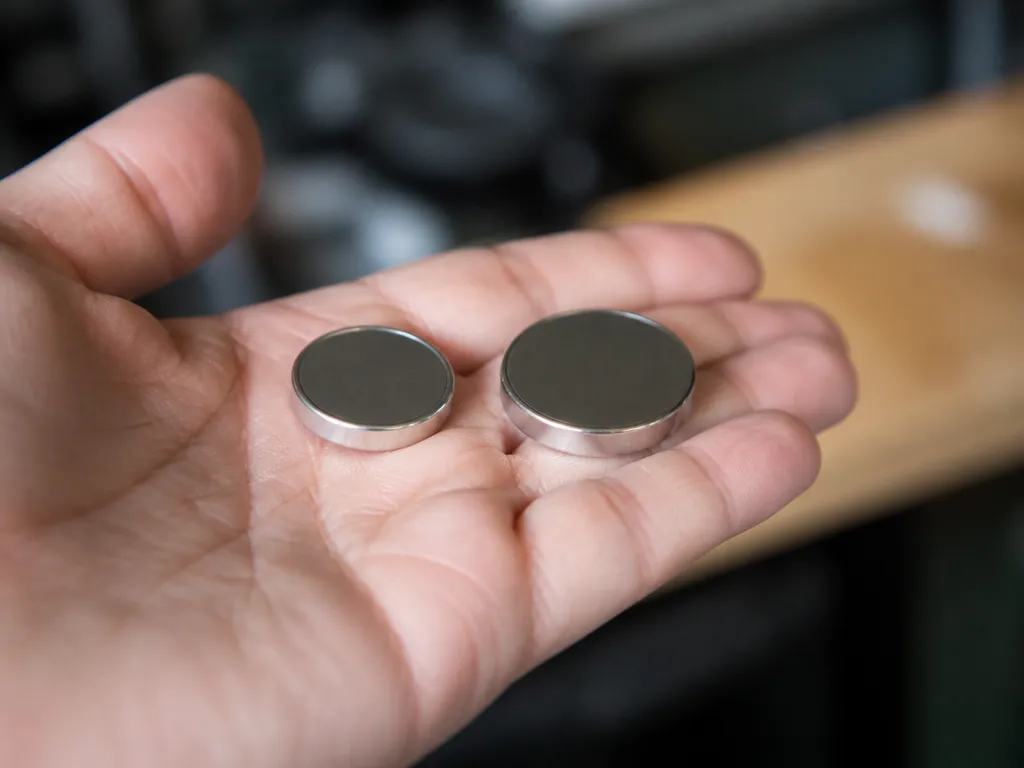
CR2032 and CR2035 batteries are not interchangeable due to their different thickness dimensions. The CR2032 measures 3.2mm in thickness while the CR2035 is 3.5mm, a small difference that can prevent proper fit in devices designed for the other size.
Battery manufacturers follow the IEC naming convention where the first two digits represent the diameter in millimeters and the last two digits represent the thickness in tenths of a millimeter. This standardization helps consumers identify compatible replacements, but the subtle 0.3mm difference between these two battery types can make or break device compatibility.
The Reality Of Non-standard Sizes
Many devices have battery compartments engineered with precise tolerances. A CR2035 might not fit in a slot designed for a CR2032, or it might fit but not make proper contact with the terminals. Similarly, a CR2032 in a CR2035 compartment may rattle or fail to maintain electrical connection.
Some devices with flexible battery compartments or spring-loaded contacts might accommodate either battery, but this is the exception rather than the rule. When in doubt, always check the device’s manual or existing battery for the exact size designation.
Why Physical Fit Matters
Beyond simple compatibility, improper battery fit can lead to poor electrical contact. Loose batteries may cause intermittent device operation or complete failure to power on. In devices with spring-loaded contacts, forcing the wrong battery size can damage these components over time.
For example, car key fobs, medical devices, and computer motherboards often have precisely engineered battery compartments that require exact dimensions. Using the wrong battery type in these applications can result in unreliable performance or device damage.
| Specification | CR2032 | CR2035 |
|---|---|---|
| Diameter | 20mm | 20mm |
| Thickness | 3.2mm | 3.5mm |
| Voltage | 3V | 3V |
| Typical Capacity | 225mAh | 240mAh |
| Common Uses | Car key fobs, small electronics, medical devices | Computer motherboards, fitness trackers, some watches |
While both batteries share the same 20mm diameter and 3V voltage, the 0.3mm thickness difference is critical for proper device function. Always match the exact battery size specified by your device manufacturer to ensure reliable operation and avoid potential damage.
Deciphering The Iec Naming Convention
International Electrotechnical Commission (IEC) standards dictate that the first two digits represent the diameter in millimeters, while the final two digits indicate the height in tenths of a millimeter. A CR2032 battery measures 20mm in diameter and 3.2mm in height, whereas a CR2035 measures 20mm in diameter and 3.5mm in height.
This subtle 0.3mm difference in thickness often determines whether a battery compartment will close properly or exert excessive pressure on internal contact points. While the footprint remains identical, the physical discrepancy can lead to mechanical failure or poor electrical connectivity.
Dimensions And Mechanical Constraints
Battery holders are engineered with specific tolerance levels to ensure the cell remains seated and makes consistent contact with the terminals. Forcing a thicker cell into a space designed for a thinner profile can cause several issues:
Warning: Never attempt to force a battery into a compartment if you feel significant resistance. If the compartment door does not snap shut with minimal pressure, the cell is likely incompatible with the mechanical geometry of the device.
Why Precision Matters
Height variations impact more than just the fit of the battery door. Internal circuitry relies on stable pressure for reliable electrical conduction, especially in devices exposed to vibration or movement. A battery that is too thick may create a localized hot spot if the pressure causes the terminal to press unevenly against the cell casing.
| Model | Diameter | Height |
|---|---|---|
| CR2032 | 20.0 mm | 3.2 mm |
| CR2035 | 20.0 mm | 3.5 mm |
Designers specify battery sizes based on the exact internal volume of the device housing. Substituting a taller battery, even by a fraction of a millimeter, changes the mechanical load on the device shell and the battery terminals. Always verify the specific model number printed on the old battery or listed in the manufacturer manual before attempting a replacement.
Side-by-side Technical Comparison
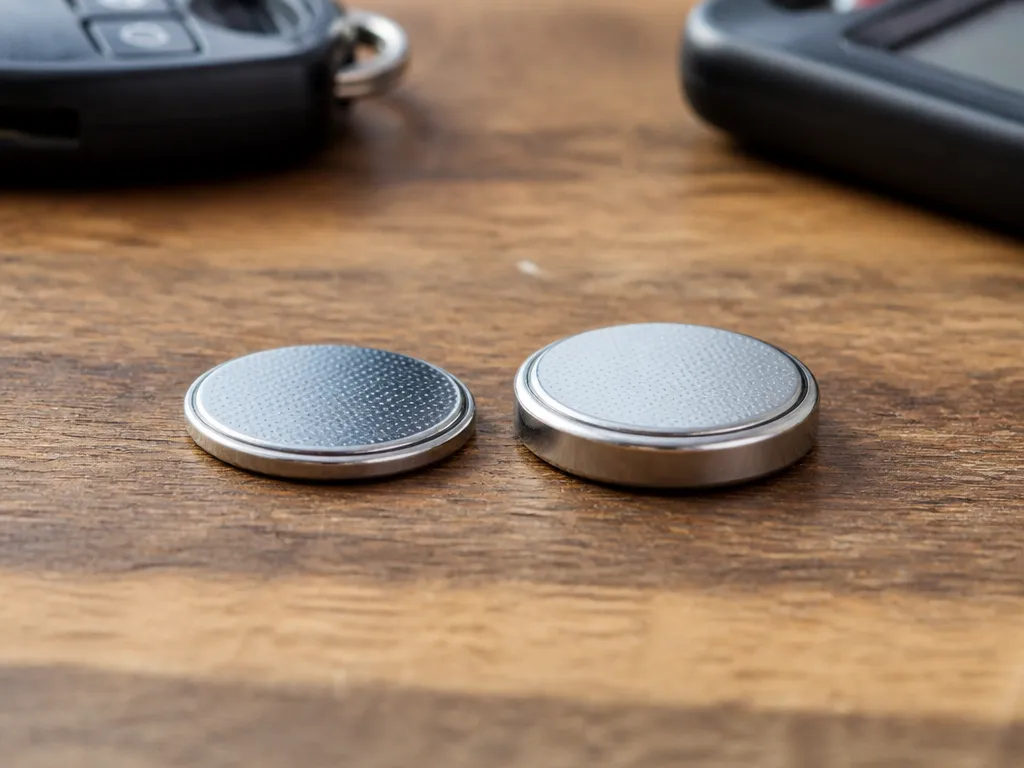
The CR2032 and CR2035 are not direct substitutes, as their physical dimensions differ enough to cause mechanical interference or poor electrical contact. While both cells utilize lithium manganese dioxide chemistry and provide a nominal 3-volt output, the final digit in their naming convention denotes a critical difference in thickness.
| Feature | CR2032 | CR2035 |
|---|---|---|
| Diameter | 20.0 mm | 20.0 mm |
| Thickness | 3.2 mm | 3.5 mm |
| Nominal Voltage | 3.0 V | 3.0 V |
| Typical Capacity | 225 mAh | 240 mAh |
Voltage ratings for both cells remain identical at 3.0 volts, meaning the electrical potential matches. However, the capacity difference exists because the CR2035 is 0.3 millimeters thicker than the industry-standard CR2032. This extra volume allows for a slightly larger chemical payload, resulting in a higher milliamp-hour rating.
Safety and mechanical risks are the primary concerns when attempting to swap these cells.
Device designers calibrate the spring tension and depth of the battery cavity specifically for the standard 3.2 mm profile. Deviating from this specification introduces variables that the manufacturer did not account for during the design phase. Always verify the battery model number stamped on the old cell or printed inside the device battery door before purchasing a replacement.
Physical Fit And Battery Holder Tension
The CR2035 is 0.3mm thicker than the CR2032. This small difference can prevent a battery from fitting into a tight enclosure or put excessive pressure on the contact springs.
Mechanical Stress On Contacts
Coin cell holders typically use thin metal leaf springs to maintain electrical contact. Increasing the battery thickness by 0.3mm increases the compression force on these springs.
Excess pressure can permanently deform the metal contacts. Once a spring is bent beyond its elastic limit, it no longer provides the necessary tension to hold a standard cell, which makes future replacements unstable.
This deformation often leads to intermittent power failures. The device may shut down if it is bumped or vibrated because the contact is no longer secure.
Enclosure And Safety Risks
Many devices use rigid plastic housings with snap-fit covers. A thicker battery can put outward pressure on these plastic tabs during installation.
Forcing the cover closed can crack the casing or snap the locking mechanism. This makes the device vulnerable to dust and moisture ingress.
In rare cases, excessive thickness can shift the battery’s position. This shift may push the battery against other internal components, which can cause a short circuit or damage the circuit board.
For instance, a car key fob usually has a very tight tolerance. Using a CR2035 in a CR2032 slot can cause the plastic shell to bulge or pop open during use.
Device Performance And Circuit Risks
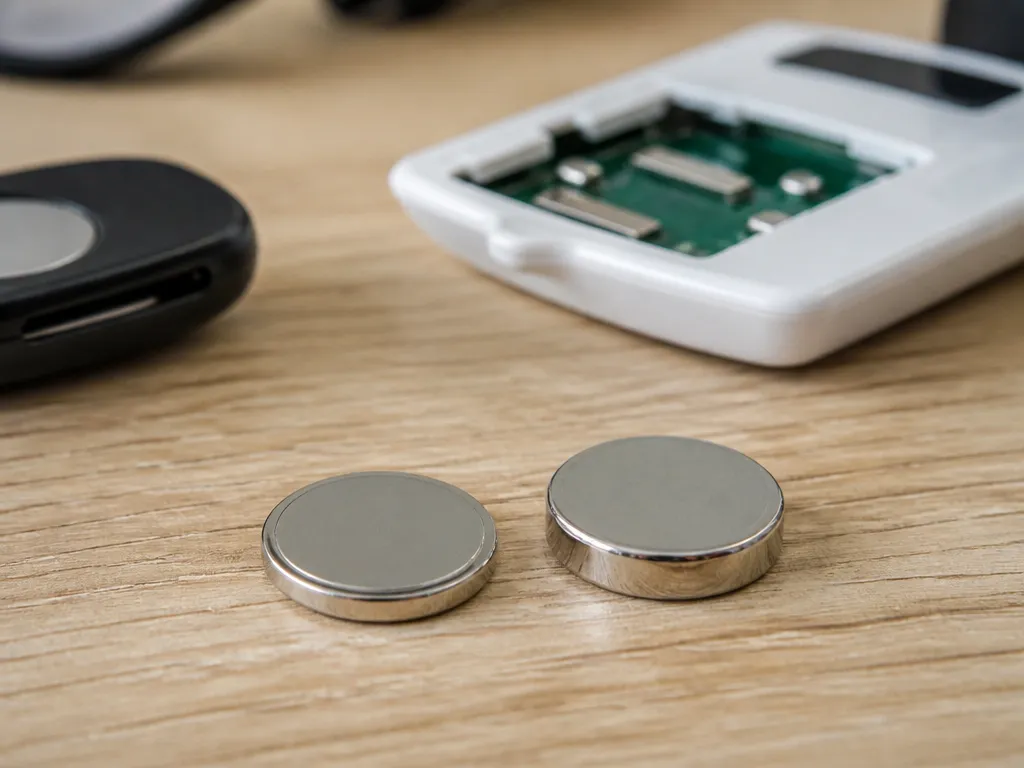
Internal device damage frequently occurs when a battery housing is forced to accommodate a cell that exceeds the design thickness. While these coin cells share a 3-volt nominal output, the CR2035 is thicker than the industry-standard CR2032, which can exert excessive mechanical pressure on delicate circuit boards or contact springs.
Mechanical stress is the primary risk factor when substituting these power sources. Because the CR2035 occupies more vertical space, it can bend internal contact tabs, displace surface-mounted components, or crack solder joints located directly beneath the battery compartment.
| Metric | CR2032 | CR2035 |
|---|---|---|
| Nominal Voltage | 3.0V | 3.0V |
| Typical Thickness | 3.2mm | 3.5mm |
| Fitment Risk | Standard | High Interference |
Electrical stability remains a concern even if the battery physically fits into the slot. Devices engineered for a CR2032 are calibrated to specific discharge curves and internal resistance profiles. Using a battery with different dimensions or chemistry characteristics can lead to unexpected voltage drops under load, causing erratic behavior or sudden device resets.
Safety And Handling Best Practices
Lithium coin cells pose a severe internal chemical burn risk if ingested, especially in children and pets. These small batteries can cause fatal tissue damage within hours if they become lodged in the esophagus or stomach.
Replacement of a coin cell requires attention to the physical footprint of the battery. A CR2035 is slightly thicker than a CR2032, and forcing it into a compartment designed for the thinner cell can physically damage battery contacts or cause the casing of your device to bulge or crack. Stick to the manufacturer’s specified model to ensure the battery fits snugly without applying stress to the internal circuit board or the battery retention clip.
Handling And Storage Requirements
Storage of lithium batteries should always occur in a cool, dry place away from conductive metal objects. If multiple coin cells touch each other in a drawer or container, they can short-circuit, leading to rapid heat generation and potential leakage of electrolyte fluid.
Disposal Warning: Never throw lithium coin cells into a standard trash bin or fire. These batteries can spark or leak hazardous chemicals when crushed in garbage trucks or processing facilities. Always place a piece of tape over the terminals and take them to a designated battery recycling drop-off point at a local hardware store or community waste facility.
Installation Safety
Installation of these batteries should always be done with clean, dry hands to prevent oxidation of the contacts. If the battery compartment is dirty or contains residue from a previous leak, clean the area with a small amount of isopropyl alcohol on a cotton swab and let it dry completely before inserting a new cell.
| Action | Safety Rationale |
|---|---|
| Use non-conductive tweezers | Prevents shorting the battery while handling |
| Verify polarity | Avoids reverse current that can lead to overheating |
| Avoid excessive force | Prevents mechanical damage to the device chassis |
Forcing a battery that does not fit creates a pressure point that can compromise the seal of the battery casing. Once the internal seal of a lithium cell is breached, the risk of fire or chemical leakage increases significantly, rendering the device unsafe for continued use.
Quick Summary
The CR2032 and CR2035 lithium coin cells are not interchangeable despite sharing an identical 20mm diameter and a 3V output. The primary difference is their physical thickness, as the CR2032 measures 3.2mm while the CR2035 measures 3.5mm. This 0.3mm variance is significant because it prevents reliable electrical contact or causes mechanical failure in devices engineered for specific tolerances.
| Specification | CR2032 | CR2035 |
|---|---|---|
| Diameter | 20mm | 20mm |
| Thickness | 3.2mm | 3.5mm |
| Voltage | 3V | 3V |
| Typical Capacity | 225mAh | 240mAh |
Frequently Asked Questions
Can I Use A Cr2035 Battery In Place Of A Cr2032?
You generally should not swap them because the CR2035 is 0.3mm thicker than the CR2032, which may prevent your battery compartment from closing properly. Using the wrong size can damage the battery contacts or the device housing itself.
Are Cr2032 And Cr2035 Batteries Interchangeable?
They are not truly interchangeable because they have different physical dimensions, even though both provide a nominal voltage of 3 volts. Always check your device manual to ensure you use the specific battery size intended for the battery tray.
Why Does My Device Feel Warm After Installing A New Coin Cell Battery?
If your device feels warm, you may have a short circuit caused by forcing a battery that is too thick into the slot, which can deform the internal pins. Stop using the device immediately and remove the battery to prevent potential overheating or chemical leakage.
Do Cr2035 Batteries Last Longer Than Cr2032 Batteries?
While the CR2035 has a slightly higher volume that could theoretically hold more capacity, the runtime difference is often negligible in small devices. You should prioritize using the correct size designated by the manufacturer rather than seeking extra capacity through a thicker cell.
What Is The Biggest Mistake People Make When Buying Replacement Coin Batteries?
The most common mistake is assuming all 20mm diameter batteries are identical and ignoring the last two digits, which represent the thickness in tenths of a millimeter. Always verify the full model number printed on your old battery before purchasing a replacement to ensure it fits the depth of your device.

- 10 Best Lithium Battery For Livescope Ice Bundle 2026 - September 28, 2026
- 10 Best Lithium Battery For Livescope Garmin 2026 - September 28, 2026
- 10 Lithium Battery For Kids Car 2026 - September 27, 2026