Difference Between Aa Aaa Batteries
AA cells are bigger and usually hold more usable charge than AAA, so they keep the same gadget running longer. The spec that matters most for runtime is capacity, measured in mAh, while physical size determines fit. A common mistake is assuming voltage and fit are interchangeable, so check the battery compartment label or manual first.
Difference between AA and AAA batteries is physical size and capacity: AA is larger and often stores about 2 times the mAh of AAA, while both single-use alkaline cells are typically 1.5 volts; choose AA for longer runtime and AAA for smaller devices.
Battery Sizes Defined
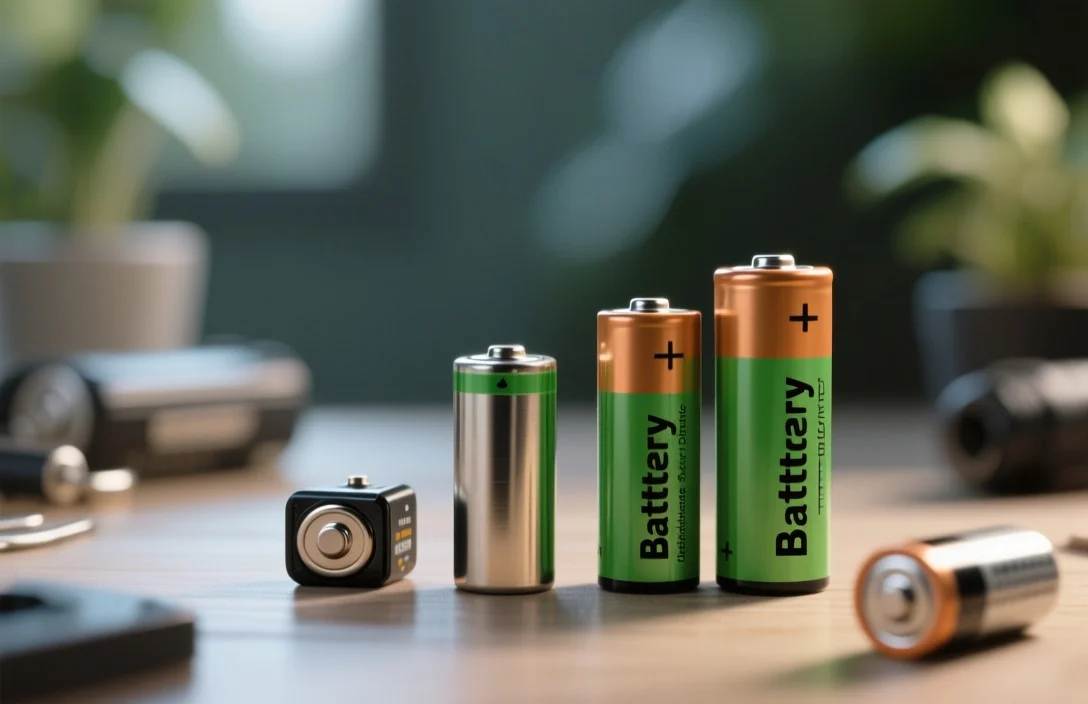
AA and AAA batteries differ in size and capacity. AA batteries measure approximately 50.5 mm in length and 14.5 mm in diameter, while AAA batteries are shorter at about 44.5 mm long and 10.5 mm wide.
These size differences affect their capacity to store energy, with AA batteries generally having a higher capacity than AAA batteries.
For instance, AA batteries typically have capacities ranging from 1800 to 3000 mAh, whereas AAA batteries usually range from 800 to 1200 mAh.
Both types of batteries are commonly used in various devices, including remote controls, flashlights, and toys. Understanding these differences is crucial when selecting batteries for specific applications.
Choosing the correct battery size ensures optimal performance and efficiency in your devices.
Capacity and Runtime Differences
AA cells routinely store more charge than AAA cells, so a AA will run a given device longer than a AAA of the same chemistry under the same load. The difference is driven by internal size and active material, not by nominal voltage, so capacity is the key factor for runtime decisions.
Typical capacity depends on chemistry and maker, but as a rule AA capacities are roughly two to three times higher than AAA for the same cell type. For alkaline and nickel-metal-hydride rechargeable chemistries, AA cells commonly show higher mAh ratings while AAA cells sit lower, so you will see shorter runtime from AAA in power-hungry devices.
For example, a wireless game controller or a high-output LED flashlight will need the extra capacity AA provides to avoid frequent battery changes, while a TV remote or small clock can run acceptably on AAA because their drain is very low and runtime remains long despite lower mAh.
| Item | Relative Capacity | Typical Use |
|---|---|---|
| AA (approximate) | Higher, often 2-3x AAA | Controllers, toys, mid-power flashlights, portable speakers |
| AAA (approximate) | Lower, smaller cell | Remotes, small clocks, low-drain sensors, compact electronics |
Voltage Specifications

Both AA and AAA batteries typically provide a nominal voltage of 1.5 volts. This voltage remains consistent across various chemistries including alkaline, lithium, and rechargeable nickel-metal hydride (NiMH) batteries.
While the voltage is the same, the capacity and size differ significantly between the two types of batteries. The AA battery has a larger physical size and generally a higher capacity measured in milliampere-hours (mAh), making it suitable for higher-drain devices.
| Battery Type | Nominal Voltage (V) | Capacity (mAh) | Size (mm) |
|---|---|---|---|
| AA | 1.5 | 1800 – 3000 | 14.5 x 50.5 |
| AAA | 1.5 | 1000 – 1200 | 10.5 x 44.5 |
For example, in a high-drain device like a digital camera, AA batteries are preferred because they can deliver more energy over a longer period compared to AAA batteries. This higher capacity allows for extended usage without frequent replacements.
When selecting batteries for your devices, always check the specifications. Some devices may require specific battery types due to their design and power needs. Using the incorrect battery type can lead to suboptimal performance or damage to the device.
Device Compatibility Issues
AA and AAA batteries differ mainly in physical size and available capacity, so AA are used where longer runtime or higher current is required and AAA are used where space is tight and the device draws less power. Choosing the wrong size will either prevent the battery from fitting, or give shorter runtime and potential overheating if the battery is pushed beyond its intended current capability.
Common Device Examples
Portable devices that need steady, higher current or longer run times commonly take AA cells. Examples include handheld flashlights, many wireless game controllers, kitchen scales, larger toys, and some radio equipment which expect a bigger cell with more stored energy.
Small, slim devices use AAA cells because the battery compartment is designed to save space and weight. Typical items are TV remotes, small LED pen lights, Bluetooth headsets in their charging cases, compact wireless mice, and some digital thermometers.
Interchangeability Challenges
Physically substituting one size for the other rarely works because battery compartments, springs, and contact points are molded for a specific length and diameter. Forcing a mismatched cell can break the holder, create poor contact, or cause intermittent power that damages the device or data being processed during power loss.
Even if you adapt cells with fillers or spacers, the electrical behavior differs. AA cells can often supply higher continuous current and hold more charge, so using AAA in a high-drain device will give much shorter runtime and may heat the cell. Conversely, putting AA in a compartment designed for AAA usually does not fit, and trying to force it is unsafe.
| Characteristic | AA | AAA |
|---|---|---|
| Size | Physically larger, made for bigger compartments | Smaller, fits compact devices |
| Typical use | Flashlights, toys, controllers, higher-drain gear | Remotes, small electronics, low-drain sensors |
| Practical trade-off | More runtime, possibly higher current capability | Less runtime, saves space and weight |
Safety note: Never mix battery sizes or attempt to jam a different size into a compartment; mixing sizes or chemistries can cause leakage, overheating, or device damage.
Charger Compatibility Insights
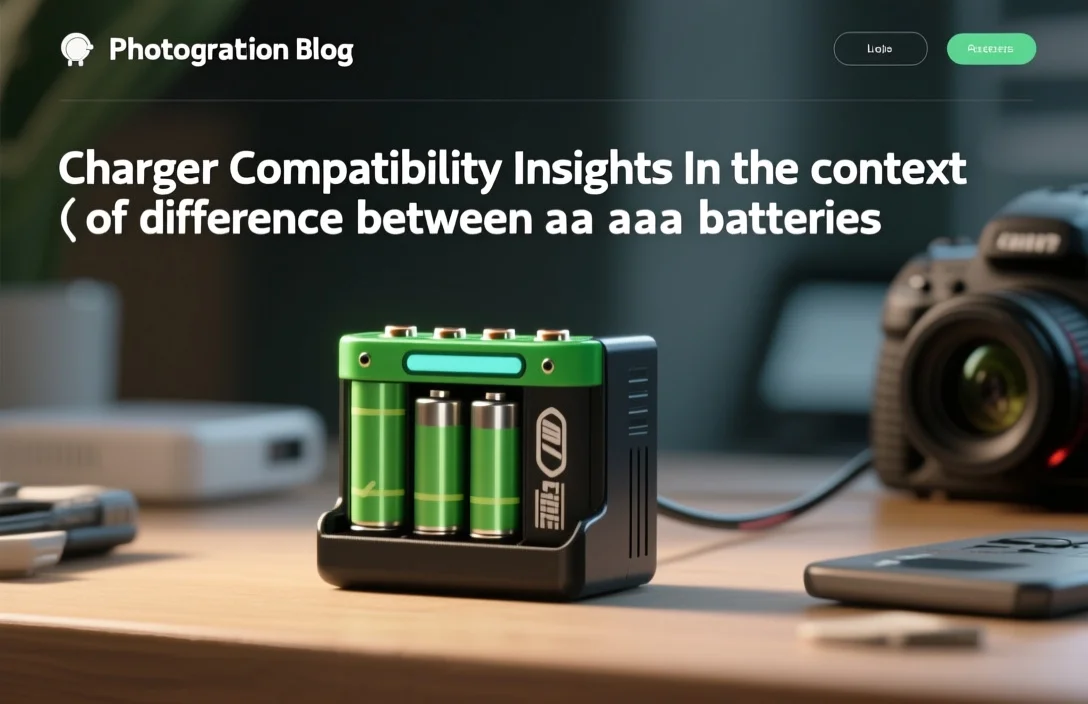
AA and AAA rechargeables can often be charged in the same charger, but compatibility depends on physical slot size, supported chemistries, and the charger’s charge current and termination method. A charger that fits AAA and uses proper NiMH charge detection will safely restore both sizes, while the wrong current or termination can shorten life or create heat.
Charging Method Differences
AA cells usually have higher capacity than AAA, so they accept more total energy and may require longer charge time at the same current. Chargers that apply a fixed timed charge can finish AA and AAA at the same duration, but that creates a trade-off, since AAA will finish earlier and may sit at float or trickle current longer, which can slowly reduce its life.
Good chargers use per-slot detection and stop charging when a cell signals full by delta-V, delta-T, or temperature rise, which works for NiMH cells commonly sold as rechargeables. Cheap chargers that charge by fixed time or apply the same current to every slot are more likely to over- or under-charge, especially when AA and AAA with different mAh ratings share the same charge profile.
For example, charging a low-capacity AAA at the same high current used for a high-capacity AA can heat the AAA and accelerate wear. Conversely, charging a large AA at a very low trickle rate will be safe but slow, so you must balance speed and cell stress when selecting a charger.
Smart Chargers vs. Standard
Smart chargers monitor each slot and stop or switch to a maintenance mode when a cell is full, while standard chargers use fixed timing or fixed current without individual detection. Smart models reduce overcharge risk for mixed sizes and ages of cells, and they can often accept both AA and AAA physically and electrically, but make sure the charger explicitly lists the chemistry and sizes it supports.
| Feature | Standard Charger | Smart Charger |
|---|---|---|
| Slot fit for AA/AAA | Depends on model, may only fit AA | Usually fits both, per-slot springs or adapters |
| Charge termination | Timer or fixed current | Delta-V, delta-T, temperature, per-cell |
| Safety features | Minimal | Per-cell detection, reverse-polarity, temperature cutout |
| Tradeoff | Lower cost, higher risk | Higher cost, better longevity |
Rule of thumb: a charger that physically fits both AA and AAA and has per-slot, chemistry-aware termination is the safest choice for mixed-size rechargeable use.
Safety Considerations
AA and AAA cells generally have the same nominal voltage for the same chemistry, but AA cells carry more stored energy because they are larger, so they can produce more heat and sustain higher currents before voltage drops. That size and capacity difference changes the safety profile: AA can get hotter and store more energy when abused, while AAA heat up faster under the same load because they have less mass and lower capacity.
Heat and Swelling Risks
Both alkaline and rechargeable NiMH cells can overheat, leak, or swell when shorted, charged incorrectly, or run at currents beyond their design. Because AA cells contain more active material, a failure can release more heat and energy, increasing burn and fire risk compared with a single AAA cell under the same conditions.
For example, putting high-drain devices that demand large currents into AAA holders forces those smaller cells to work near their limits; they will reach higher internal temperatures sooner than AA and can bulge or vent. Stop using any battery that gets hot, emits odor, leaks, or becomes misshapen, and isolate it in a non-flammable container until you can dispose of it safely.
Warning: Using the wrong cell size or mixing chemistries increases the chance of overheating and leakage. Always check device markings and battery orientation before inserting cells.
Proper Storage Techniques
Store AA and AAA cells in their original packaging or in a purpose-made battery case, terminals covered, to prevent accidental short circuits. Keep batteries in a cool, dry place where temperatures are stable, away from direct sunlight and heat sources, because elevated temperatures accelerate self-discharge and increase swelling risk.
For rechargeable cells, store them at partial charge rather than fully charged for long-term storage when manufacturer guidance permits, and separate sizes and chemistries so you do not mix AA and AAA in the same compartment by mistake. For customers who keep many spares, label containers with chemistry and date purchased, and rotate stock by using older batteries first.
| Aspect | AA | AAA |
|---|---|---|
| Physical size | Larger, more active material | Smaller, less mass |
| Stored energy | Higher capacity, more energy stored | Lower capacity, less energy stored |
| Heat and swelling risk | Can release more heat if abused | Heats faster under heavy load, may bulge sooner |
| Safe handling tip | Check for heat and leakage after heavy use | Avoid high-drain use unless specified by manufacturer |
Buying and Maintenance Tips
AA batteries are physically larger and generally hold more energy than AAA batteries, while AAA are smaller and fit compact devices; they are not interchangeable because size and capacity differ and device compartments accept only the correct size. Choose the size that matches the device and pick chemistry to match the device’s drain profile, rechargeable needs, and charger type.
What to Look For
Pick AA when a device draws more current or you need longer runtime, pick AAA for small remotes, compact toys, or slim devices where space is limited. Check the device manual or the battery compartment markings before buying, because some devices require specific chemistries or rechargeables.
Pay attention to chemistry labels: alkaline cells are usually 1.5 V nominal, NiMH rechargeables are about 1.2 V nominal and are common for high-drain use when rechargeable cycling helps cost and waste. Look for “low self-discharge” NiMH if you want rechargeables that hold charge on the shelf.
| Attribute | AA | AAA |
|---|---|---|
| Physical size | Larger diameter and length | Smaller diameter and length |
| Energy capacity | Higher, better for power-hungry devices | Lower, suited for low-drain devices |
| Common uses | Flashlights, toys, wall clocks, radios | TV remotes, small sensors, slim flashlights |
| Rechargeable options | Widely available NiMH | Widely available NiMH |
Troubleshooting Common Issues
If a device stops working or behaves erratically, start with a visual inspection for corrosion, leakage, or swelling and smell for unusual odors; dispose of leaking or swollen cells safely and avoid contact with the leakage. Clean contact springs with a cotton swab and isopropyl alcohol if needed, and make sure polarity is correct when replacing cells.
Use this stepwise approach to diagnose and fix most problems. For rechargeable packs, check the charger indicator lights and confirm the charger is intended for the cell chemistry in use before attempting to recharge.
Rule of thumb: Replace all batteries in a device together with the same size, chemistry, and fresh pack to maintain balance and avoid poor device operation.
Quick Summary
AA batteries are larger and usually have more capacity than AAA cells, so always use the size and chemistry your device requires.
Frequently Asked Questions
What is the main difference between AA and AAA batteries?
The main difference is size; AA batteries measure about 14.5 mm in diameter and 50.5 mm in length, while AAA batteries are smaller at approximately 10.5 mm in diameter and 44.5 mm in length. This size difference affects their capacity and usage in devices.
Are AA and AAA batteries interchangeable?
No, AA and AAA batteries are not interchangeable due to their different sizes and voltage ratings. Using a AAA battery in a device that requires AA can lead to poor performance or damage to the device.
How does battery runtime differ between AA and AAA batteries?
AA batteries generally have a higher capacity, often rated around 2000 to 3000 mAh, while AAA batteries typically have a capacity between 800 to 1200 mAh. This means AA batteries usually last longer in high-drain devices.
Is there a safety concern when using AA and AAA batteries?
Yes, using the incorrect battery size can cause overheating or leakage, which poses safety risks. Always ensure you are using the correct battery type specified by the device manufacturer to maintain safe operation.
What common mistakes should I avoid when buying AA or AAA batteries?
A common mistake is purchasing non-rechargeable batteries when you need rechargeable ones, or vice versa. Always check for compatibility with your device and consider the battery’s intended use to avoid buying the wrong type.

- Top 10 Best Solar Battery Installers Qld 2026 - September 12, 2026
- Top 10 Best Solar Battery Deals Qld Reviews 2026 - September 12, 2026
- Top 10 Best Solar Battery Deals Qld Price 2026 - September 12, 2026