Is Cr2023 A Real Battery? Understanding Naming And Compatibility
You likely misread the label on your device or a battery package. If you are searching for a CR2023 battery, you have encountered a common typo rather than an actual industry standard. Checking the battery compartment of your device for a clear model number is the best way to avoid a costly mistake or a poor fit.
CR2023 is not a standard battery size, and you should not attempt to buy or use one. The number 2023 does not follow the standard International Electrotechnical Commission naming convention for coin cells. Most users searching for this number actually need a CR2032 or a CR2025 lithium battery.
Is Cr2023 A Real Battery?
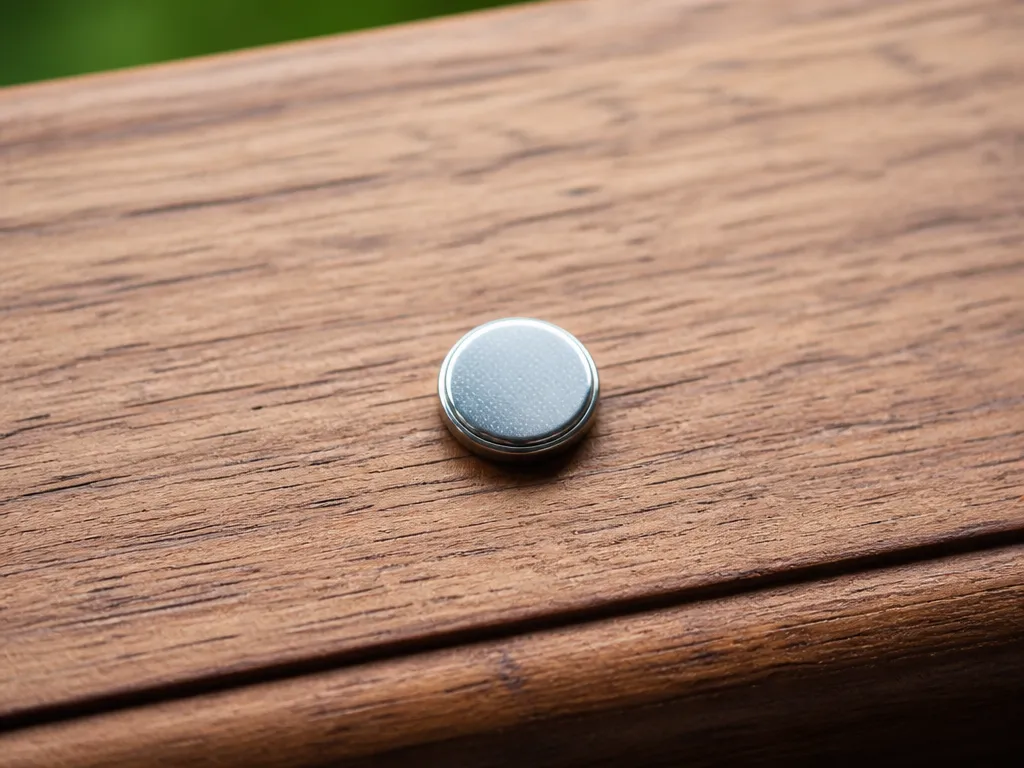
Standard lithium coin cells do not follow the CR2023 designation in mainstream retail markets. Most users searching for this specific number are actually looking for a CR2025 or a CR2032, as these are the widely recognized industry standards for small electronic devices.
Online marketplaces occasionally list these cells under non-standard labels, but they are not part of the common inventory found at local hardware stores or major electronics retailers. Finding a battery labeled this way often indicates a manufacturing outlier or a typographical error in a product manual.
Common Sources Of Confusion
Mistakes in labeling or documentation frequently lead consumers to search for non-existent parts. You should verify the physical dimensions of the existing battery before purchasing a replacement.
For instance, a device designed for a CR2025 might have a battery compartment that is too shallow for a CR2032. In these cases, a user might mistakenly assume they need a middle-ground size, even though the standard sizes are what the hardware actually requires.
Always check the physical diameter and thickness of your current cell. A standard lithium coin cell follows a specific logic where the first two digits represent the diameter in millimeters and the last two digits represent the thickness in tenths of a millimeter.
| Battery Model | Diameter (mm) | Thickness (mm) | Common Use Case |
|---|---|---|---|
| CR2016 | 20mm | 1.6mm | Small remote controls |
| CR2025 | 20mm | 2.5mm | Key fobs and watches |
| CR2032 | 20mm | 3.2mm | Computer motherboards |
Using a battery that is too thick can damage the device’s contact points or prevent the battery door from closing. Conversely, a battery that is too thin may result in a loose connection and intermittent power failure.
Deciphering Coin Cell Nomenclature
Coin cell labels follow the International Electrotechnical Commission (IEC) standard to communicate chemistry and size. The “CR” prefix identifies a lithium manganese dioxide cell in a round shape. The numbers that follow specify the physical dimensions of the battery.
The “C” indicates the chemical composition, specifically lithium manganese dioxide. This chemistry provides a nominal voltage of 3V and a long shelf life.
The “R” denotes a round or coin-shaped form factor. This distinguishes them from cylindrical cells like AA or AAA batteries.
The first two digits of the numerical sequence represent the diameter of the cell in millimeters. For any battery starting with “20”, the diameter is exactly 20mm.
The final two digits indicate the thickness of the cell in tenths of a millimeter. A battery ending in “32” is 3.2mm thick. These small differences in height change the available capacity of the cell.
| Model | Diameter | Thickness | Voltage |
|---|---|---|---|
| CR2025 | 20mm | 2.5mm | 3V |
| CR2032 | 20mm | 3.2mm | 3V |
Selecting a battery with the wrong thickness creates reliability issues. A thinner battery might fit in a larger slot but fail to make a secure electrical connection.
Thicker batteries are more risky because they can physically deform the battery clip. Forcing a 3.2mm cell into a space designed for a thinner cell can crack the plastic housing or bend the metal contacts.
Dimensional Comparison Table
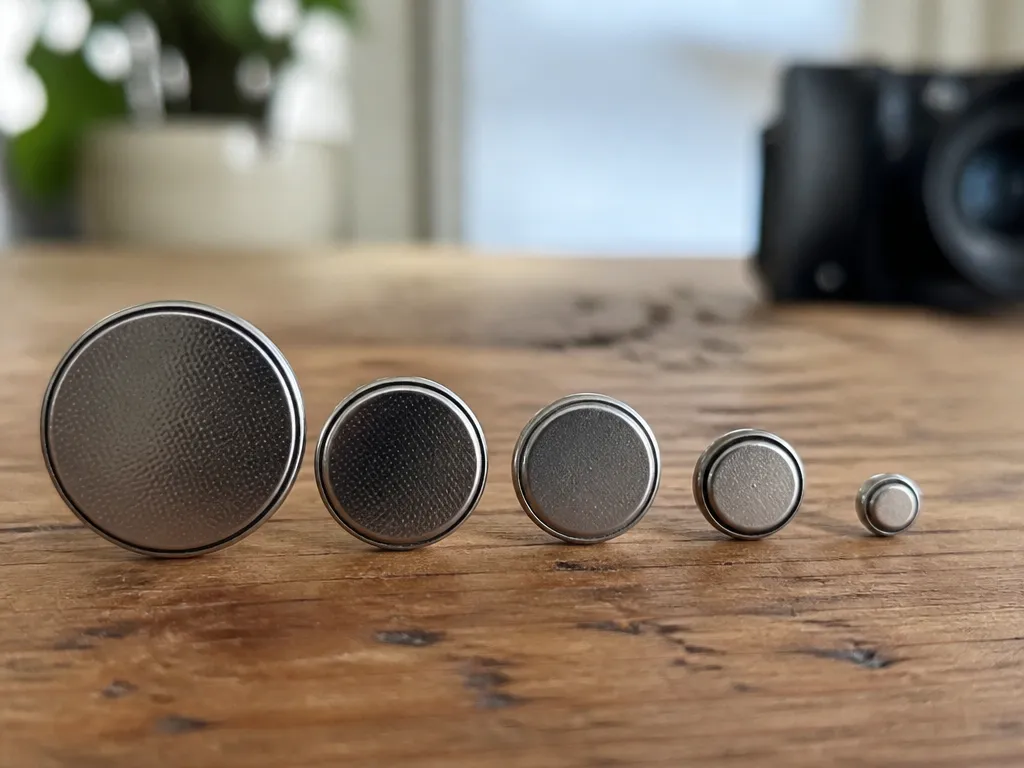
Standard lithium coin cell designations rely on a strict IEC code where the last two digits represent the physical thickness of the cell in tenths of a millimeter. The common 2032 variant measures 3.2mm.
| Model | Diameter | Thickness | Common Application |
|---|---|---|---|
| CR2016 | 20mm | 1.6mm | Thin remotes, car keys |
| CR2025 | 20mm | 2.5mm | Calculators, small toys |
| CR2032 | 20mm | 3.2mm | Motherboards, fitness trackers |
Visualizing these differences reveals why physical fitment is often the primary obstacle when substituting cells. While a 20mm diameter is consistent across this family, a device designed for a 3.2mm thick cell may fail to make contact if a thinner cell is inserted. Conversely, a device designed for a thin cell will likely be damaged if you attempt to force a thicker, incompatible battery into the compartment.
Verification of your device manual is the only way to determine which height is required for proper electrical connectivity. Relying on visual estimation is unsafe because a difference of less than one millimeter can lead to loose connections or excessive pressure on the battery contacts.
Safety Warning: Never attempt to stack thinner batteries to reach the height of a thicker cell. Stacking lithium cells creates an unstable arrangement that can lead to short circuits, internal heating, and potential leakage of the electrolyte.
Risks Of Using The Wrong Battery
Mismatched coin cell dimensions often lead to poor electrical contact, intermittent device performance, or physical damage to the battery compartment. Forcing a battery that is slightly too thick into a slot designed for a thinner cell can crack plastic tabs, bend metal tension clips, or deform the battery door entirely.
Electrical faults represent a more severe hidden danger when users attempt to force non-standard cells into delicate circuitry. If a battery is physically thicker than the design specification, the pressure can cause the negative casing to short against internal device components. This creates a risk of overheating, potential leakage of electrolyte, or permanent damage to the device motherboard.
Physical And Electrical Hazards
Safety Warning: Never use pliers or tools to force a battery into a compartment. If the cell does not slide in with minimal resistance, the battery is the wrong size for your device.
Standardized coin cells follow a strict naming convention where the last two digits define the thickness in tenths of a millimeter. Attempting to use a thicker cell where a thinner one belongs creates an interference fit that destroys the integrity of the battery tray.
Verify your device requirements by checking the battery compartment for an embossed model number rather than relying on the size of the old battery. If the markings have faded, consult the original manual or the manufacturer support website to confirm the correct chemistry and dimensions required for safe operation.
Verifying Your Required Battery Type
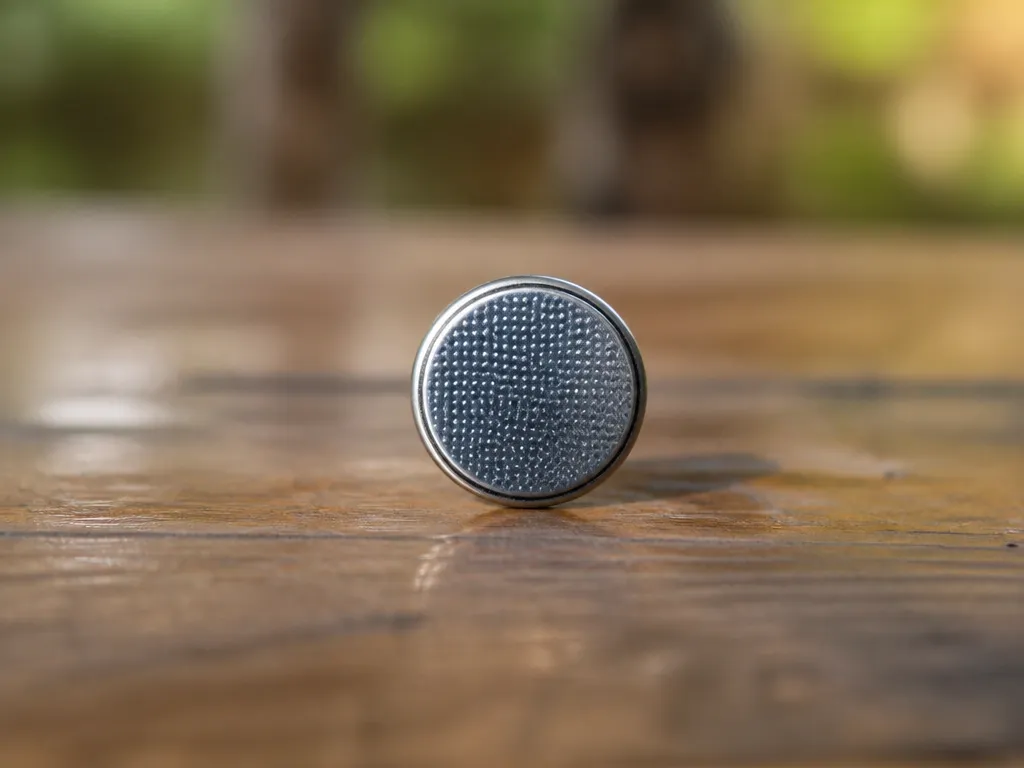
The label “CR2023” is not a standard industry designation and almost certainly represents a typo for the common CR2032 or CR2025 coin cell. Lithium manganese dioxide batteries follow a strict International Electrotechnical Commission (IEC) naming convention where the last two digits denote the thickness in tenths of a millimeter.
Device markings often wear off or appear in small, difficult-to-read fonts, leading to common transcription errors. When you encounter an unfamiliar code, verify the requirement to prevent damage to your equipment or improper power delivery.
The IEC naming system is straightforward once decoded. In the code “CR2032,” the “CR” indicates a manganese dioxide lithium chemistry, the “20” represents a 20mm diameter, and the “32” signifies a 3.2mm thickness.
Safety Warning: Never attempt to force a battery into a compartment that does not fit perfectly. A cell that is too thick can cause the battery door to bulge or crack the housing, while a cell that is too thin may result in poor electrical contact and intermittent device behavior.
For instance, if a device expects a CR2032 but you attempt to use a thinner CR2025, the device might fail to power on because the contact pins cannot reach the positive terminal. Conversely, using a thicker cell in a space designed for a thinner one can lead to excessive pressure on the internal circuitry or battery casing, which increases the risk of a short circuit.
Why Substitutions Are Rarely Safe
Physical dimensions and chemical specifications for coin cell batteries are standardized by the International Electrotechnical Commission, meaning a non-standard designation often indicates a misread label or a non-compliant third-party product. Forcing a battery into a device compartment that does not match its exact dimensions risks crushing the cell, damaging the internal contacts, or causing a short circuit.
The standard naming convention for lithium manganese dioxide coin cells provides clear technical data. Using the designation CR2032 as an example, the prefix CR denotes the chemistry, while the numbers 20 and 32 represent the diameter in millimeters and thickness in tenths of a millimeter, respectively.
| Battery Type | Diameter (mm) | Thickness (mm) |
|---|---|---|
| CR2025 | 20 | 2.5 |
| CR2032 | 20 | 3.2 |
Device performance relies on consistent voltage and specific contact pressure. When a battery is too thin, the device terminals may fail to make a solid connection, resulting in a high-resistance path that causes voltage drops during operation. Conversely, attempting to shim a battery with conductive material to make up for a thickness difference creates a significant fire hazard and risks permanent damage to the device circuitry.
In practice, the temptation to swap a battery because it looks similar is the primary cause of ruined battery sleds and ruined electronics. If a device requires a specific thickness for proper contact tension, stick strictly to the manufacturer-specified model number. Using a battery that does not match the original engineering specifications effectively voids the reliability of the power delivery system.
Quick Summary
The label CR2023 is not a recognized industry standard for coin cell batteries. Most consumers searching for this term have encountered a typographical error in a manual or on a product listing. According to the International Electrotechnical Commission naming convention, the code indicates a 20mm diameter, but the final digits signify a thickness of 2.3mm, which is not a standard size available at major electronics retailers. You are likely intended to use a CR2025 or CR2032 instead.
Using a battery with incorrect dimensions creates significant reliability and safety risks for your device. A cell that is too thin often results in loose connections and intermittent power failure. Conversely, forcing a thicker battery into a shallow compartment can physically deform internal clips or damage contact points. Always inspect the physical battery currently inside your device and compare its markings against the standard CR2016, CR2025, or CR2032 dimensions. The most important step is to verify the actual model number printed inside your specific battery compartment.
Frequently Asked Questions
Is The Cr2023 A Real Battery Type?
No, the CR2023 is not a standard industry battery. It is a common misreading of standard sizes like the CR2025 or CR2032.
Can I Use A Cr2032 Instead Of A Cr2025?
You should avoid using a CR2032 as a direct replacement if the device compartment is tight, because the CR2032 is 0.7mm thicker than the CR2025. This extra thickness can cause the battery to press too hard against the contacts or prevent the battery cover from closing properly.
What Is The Difference In Capacity Between Cr2025 And Cr2032?
A CR2025 typically provides around 160 to 170 mAh of capacity, whereas a CR2032 usually offers about 240 mAh. Because the CR2032 is thicker, it has more internal material to hold a larger charge.
How Long Will A Coin Cell Battery Last In My Device?
The runtime depends on your device’s power draw, but these cells generally have a shelf life of 8 to 12 years. For low-drain electronics like remote controls or small sensors, you can expect several years of continuous use before needing a replacement.
Is It Safe To Store Lithium Batteries Near Heat Sources?
You must keep these lithium cells away from high temperatures to prevent leaking or swelling. Storing them in a cool, dry place ensures the chemical stability of the lithium manganese dioxide remains intact for long-term use.

- 10 Lithium Battery For Lawn Mower 2026 - September 28, 2026
- 10 Best Lithium Battery For Livescope Ice Bundle 2026 - September 28, 2026
- 10 Best Lithium Battery For Livescope Garmin 2026 - September 28, 2026