How Long Can A Motorcycle Battery Last?
A motorcycle battery can last anywhere from a couple of seasons to several years, but the “how long” depends more on charging habits than on the battery brand. The fastest way to waste battery life is running chronically low after short rides, or cooking it when the charging system is wrong. You will learn typical lifespan ranges by battery type, how to spot early failure, and what to measure before buying another battery.
Motorcycle battery lifespan is usually about 2 to 5 years for flooded lead-acid, around 3 to 6 years for AGM, and roughly 3 to 6 years for gel, if the charging system is healthy and the battery is stored charged. Short trips, heat or freezing, and parasitic drain shorten life. Chronic undercharging or overcharging shortens it fastest.
How Long Can A Motorcycle Battery Last?
Recommended Products


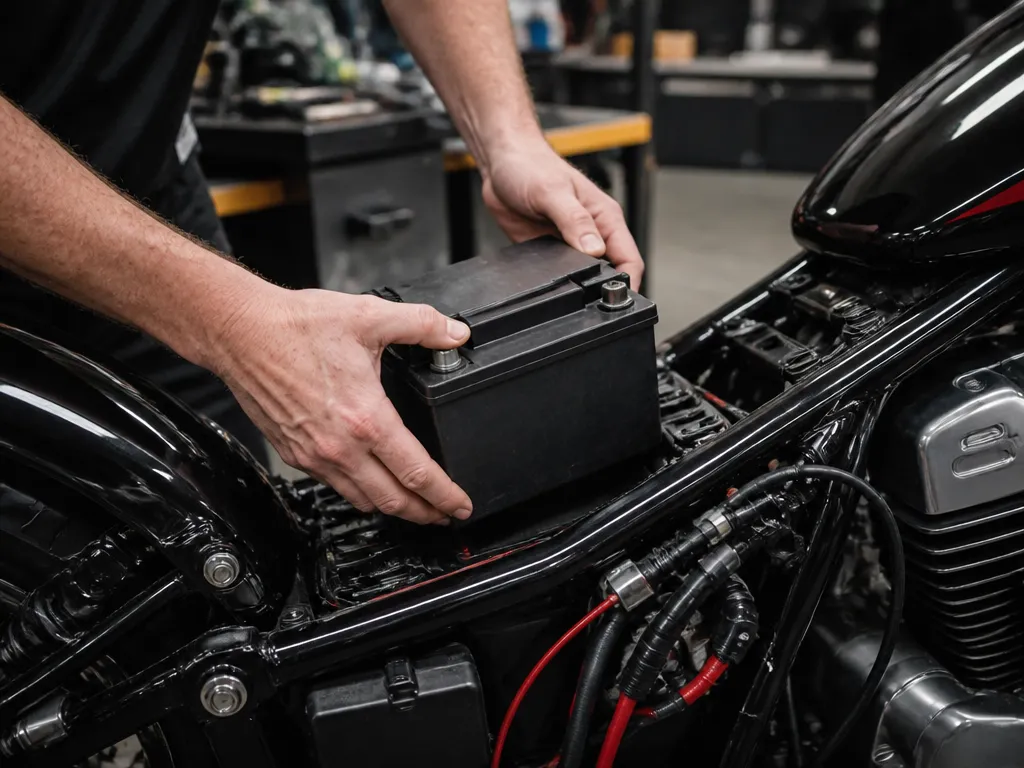
Most motorcycle batteries last a few years, but the range is wide because “age” can mean chemistry wear, or it can mean charging problems that started years earlier. A healthy battery is usually still cranking reliably when it reaches the upper end of its typical window, but a faulty charging system can make a brand-new battery fail fast.
Typical Lifespan Ranges By Motorcycle Battery Type
Battery type and construction strongly affect how long they can sit, how they react to heat, and how forgiving they are of imperfect charging. The numbers below are realistic expectations for a properly maintained bike, not a guarantee.
| Battery type | Typical lifespan (general expectation) | What shortens it most often |
|---|---|---|
| Flooded lead-acid (serviceable) | Often ~2 to 5 years | Frequent deep discharge, poor charging, heat, long storage without charging |
| AGM (sealed lead-acid) | Often ~3 to 6 years | Overcharging from a weak regulator, chronic undercharging, high heat |
| Gel (sealed lead-acid) | Often ~3 to 6 years | Charging at the wrong profile (too high), heat, sitting discharged |
For any lead-acid type, extreme cold and long storage can make it look weak even when the battery has not “aged” much. Temperatures also affect measured voltage, so testing right after riding can hide a problem that shows up after the bike sits.
Age Versus “It’s Failing Early”
Age-related decline is usually gradual: cranking gets slower, then capacity drops, then it fails at the same point in the battery’s cycle (cold mornings, after a short ride, after weekend storage). Early failure often has a pattern tied to the charging system, wiring, or parasitic drains, and it may happen after only a season.
In practice, treat these as two separate diagnoses: the battery’s chemistry getting tired, and the bike’s power setup damaging it. A motorcycle that undercharges will pull the battery down during everyday riding, then the next start asks for more than the battery can deliver.
What Counts As “Dead” On The Bike
“Dead” is a voltage problem, but it shows up differently. A battery can measure “not too bad” at rest and still fail under starter load because internal resistance has risen.
Practical fail point: the starter only needs a brief surge, so the most meaningful symptom is weak cranking (slow RPM, repeated clicks, or starter stalls), especially after the bike sits overnight.
Life-shortening Factors That Matter Most
Recommended Products


Motorcycle batteries usually die early from chronic charge problems or heat, with parasitic drain and short-trip use making the pattern worse. Lead-acid, AGM, and gel all hate being left partially charged, and they all fail faster when the charging system repeatedly overcharges or undercharges. The big practical question is why the battery was not spending its life near full charge at safe temperatures.
Undercharge, Overcharge, And Heat Damage The Active Material
Short trips are a common failure trigger because the battery spends time supplying engine cranking and then never gets enough time at absorb voltage to refill losses. Chronic undercharge causes sulfation on lead-acid plates, and sulfation is still there the next ride because it does not fully reverse. AGM and gel can also lose capacity from repeated “half charged” time, even though they are sealed.
Charging-system overcharge is the other killer. Overvoltage can boil flooded electrolyte, shed active material, and warp plates; AGM and gel are more tolerant of spills but they still age faster when they run hot or vent. If your regulator or rectifier is weak, the battery can cook even when you ride daily.
In practice, heat is often the final push that makes a “good enough” battery fail early. A battery that already has mild sulfation will fail sooner when under the seat gets hot from exhaust heat or from high charging voltage. Cold weather also reduces available cranking current, which can make a marginal battery feel like it is “suddenly bad,” even if it was degrading for months.
| Failure driver | What you typically see | Why it shortens life |
|---|---|---|
| Short trips, long idle | Slow cranking, quick voltage sag after sitting | Battery stays partially charged, promoting sulfation |
| Regulator/charging overvoltage | Hot battery, fast capacity fade | Heat increases corrosion and grid wear, even for sealed types |
| Hot storage under seat | Early death compared to expected years | Accelerated chemical aging and grid corrosion |
Infrequent Riding And Storage Let Voltage Drift Down
Infrequent riding is a double hit. The battery self-discharge and the bike’s parasitic loads quietly pull it down while it sits, so the chemistry spends more time sulfating than charging. Even a healthy battery can lose capacity if it sits for months without a proper maintainer.
Gel batteries are often marketed as more tolerant of certain abuse, but they still degrade with extended partial state of charge. Lead-acid types generally show clearer “recovery behavior” after a correct charge, while AGM and gel may feel stable at first and then lose cranking reserve more suddenly. That difference is why two batteries can start similarly and end very differently.
Parasitic Draw Drains Voltage And Ruins Charge Balance
Parasitic electrical draw (alarm, ECU keep-alive, clock, heated accessories, or a loose connection) is a frequent cause of “mysterious” early failure. When the battery drops below a safe charge window, sulfation begins and becomes harder to reverse over time. A small drain over weeks can be worse than occasional heavy use because it keeps the battery in the partially discharged zone.
Replacement trigger rule of thumb: treat a battery as “aging under stress” if cranking is weak after an overnight sit, or if it repeatedly needs charging after normal rides. If the charging system is healthy, you are seeing usage or drain problems, not just battery age.
Charging Behavior And True Battery Life
Recommended Products

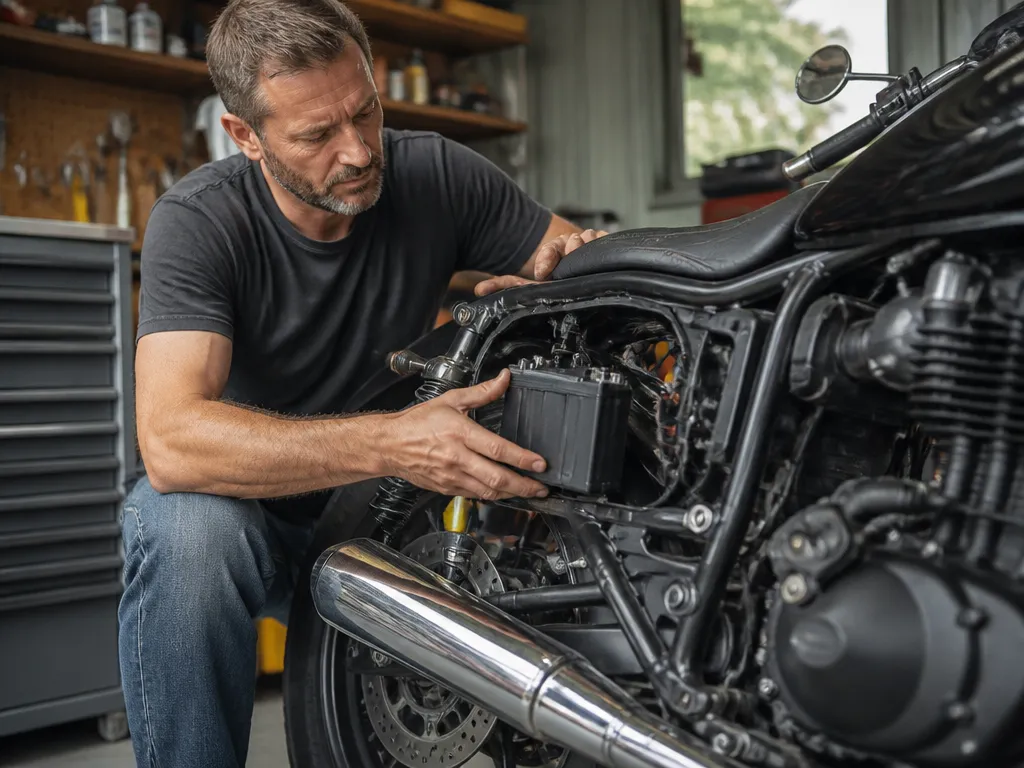
Battery life on a motorcycle is usually limited by how much time the battery spends either undercharged or overheated by the charging system. Chronic partial charge drives sulfation on lead plates, while too much voltage accelerates corrosion and, in flooded batteries, burns off water. Even a fresh battery can die early if the bike charges incorrectly or if maintenance charging is skipped during storage.
Lead-acid batteries age fastest when their state of charge stays low for long periods. Short trips often leave the battery at a partial charge, so the charger on the bike never fully restores capacity. Cold weather increases internal resistance and makes cranking harder, which pushes the battery deeper into discharge before the alternator has a chance to recover it.
AGM and gel batteries tolerate different charging profiles than flooded batteries, because their internal construction changes how they manage gas and heat. AGM generally accepts charge more readily than gel, but both are sensitive to excessive voltage; gel is particularly sensitive to overvoltage because it can permanently lose capacity if pushed too hard. Flooded batteries can be maintained with appropriate charging to fully recharge, but they require correct water levels and ventilation.
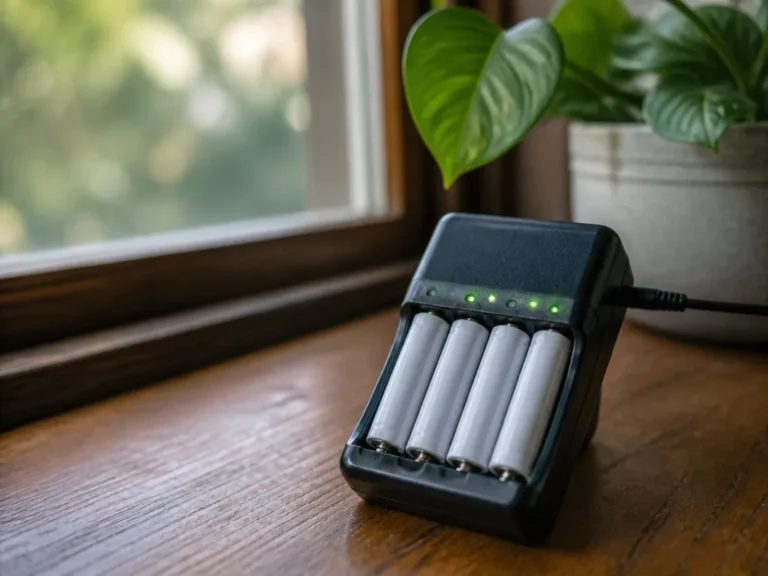
For example, a “cheap charger” that keeps applying a fixed voltage can quietly shorten battery life. Flooded cells may lose water and plate corrosion increases, while AGM can vent internally and lose usable capacity. A smart charger uses multi-stage control and temperature-aware behavior, so it can bring the battery up to full charge and then hold it safely during long periods.
| Battery type | Charging behavior that protects longevity |
|---|---|
| Flooded lead-acid | Correct bulk charge to full, then safe float, with periodic water level checks (only when appropriate for that model). |
| AGM | Use an AGM-specific charger, avoid chronic overvoltage, and rely on a maintainer’s proper float or pulse mode during storage. |
| Gel | Use a gel-specific charger profile, keep voltage conservative, and avoid chargers that can push aggressive absorption levels. |
Charging behavior can also expose motorcycle charging-system problems. If the rectifier/regulator overcharges, the battery heats and corrodes faster, even if you charge “once in a while” with a smart charger. If the system undercharges, the battery will look fine right after charging but performance will fade quickly, because sulfation keeps building whenever the battery sits low.
Quick Voltage Checks And Targets
Recommended Products


Battery voltage is the fastest first read on a motorcycle battery health, but it is easy to misread. A multimeter gives you a useful “direction” (healthy vs discharged vs likely failing), and a load test confirms whether the plates and electrolyte can deliver current when you crank.
Safety first: if the battery case is swollen, vents are crusty, or the battery feels hot or smells like rotten eggs, stop testing and replace. Lead-acid and AGM batteries can vent if damaged, and exposing electrolyte or hydrogen gas is not worth the risk.
Voltage-at-rest: Healthy Vs Discharged
At-rest voltage depends on chemistry and how long the battery has been sitting, but you can still use practical ranges. Healthy fully charged lead-acid batteries typically sit around the low-12s volts after resting, while a clearly lower reading usually means the battery is discharged or has lost usable capacity.
For example, a battery that has been resting overnight and reads near-full is usually not the root cause of a hard-start problem unless the charging system is failing. A battery that reads well below “full” may still crank once or twice, but it is usually on borrowed time if it keeps returning to that state after riding.
How To Measure Safely (Rest Time, Surface Charge)
Surface charge can make a weak battery look healthier than it is, because recently-charged plates momentarily hold a higher voltage. Rest time matters, and your measurement method matters just as much as the number you see on the meter.
What Voltage Cannot Tell You (When To Load Test)
Voltage-at-rest cannot prove the battery can deliver high cranking current. A battery can read “okay” with no load, then collapse during starter operation if the internal resistance has risen from sulfation, plate shedding, or heat damage.
For a motorcycle decision, a load test is the tie-breaker. If cranking is slow, lights dim hard during start attempts, or your voltage drops sharply when you press the starter, you should load test or observe voltage during cranking before condemning the battery.
If you have access to a battery hydrometer for flooded lead-acid types, it adds certainty by checking electrolyte condition in individual cells. Sealed AGM or gel batteries generally do not support hydrometer checks, so use voltage plus a load test instead.
Charging System Voltage Tests
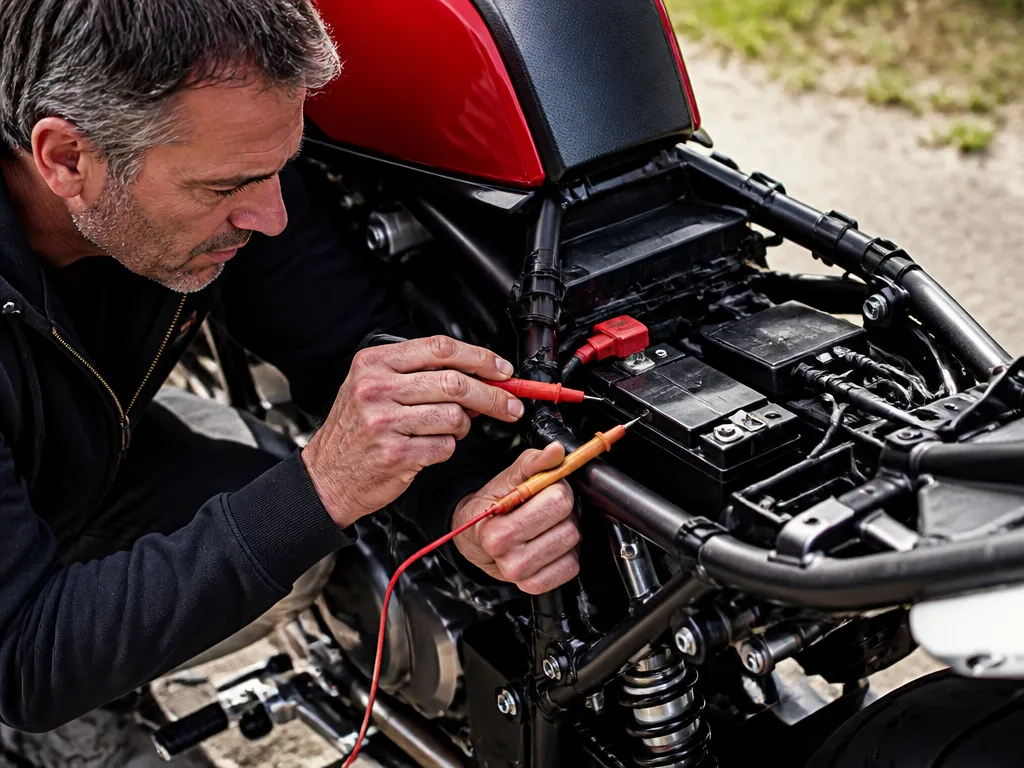
A healthy motorcycle charging system keeps the battery voltage higher than resting levels when the engine is running. A chronically undercharged or overcharged battery can die early, even if it is only a few months old. Voltage checks with a multimeter separate battery age from charging system faults.
Battery Voltage With The Engine Running (What To Measure)
Battery charging starts with engine RPM and load. Measure at the battery terminals with the bike idling first, then raise RPM to the manufacturer’s typical fast-idle range (often around 2500 to 3000 RPM) while watching the meter. The key is how the voltage changes under running conditions, and whether it holds steady as you add electrical load (headlight on, if equipped).
Charging Noise And Ac Ripple Clues (What A Cheap Meter Misses)
Riding voltage that measures “okay” can still hide problems if the system is producing AC ripple or charging noise. A basic multimeter in DC voltage mode averages results, so a damaged rectifier can sometimes pass a simple reading while still stressing the battery. For stronger clues, switch to a scope if you have one, or watch for symptoms that usually accompany ripple and regulation issues.
Rectifier And Regulator Symptoms That Shorten Battery Life
Rectifiers convert alternator AC to battery DC, while regulators control how much charging the battery sees. When either part fails, the battery can experience constant low charge (sulfation and early capacity loss) or constant high charge (overheating and plate damage). The fastest way to tell “battery is old” from “battery is being mistreated” is comparing voltage behavior at idle versus running, plus checking for heat and consistency over a few minutes.
Wiring, Ground, And Connector Corrosion (How They Fake A Bad Part)
Corrosion and looseness can create voltage drop that looks like weak charging even when the charging components are fine. Measure voltage while wiggling suspect connectors, then inspect battery terminals, frame ground points, and regulator/rectifier harness connectors for green crust, looseness, or heat discoloration. Treat corrosion as a system fault, because high resistance connections increase heat and reduce effective charge reaching the battery.
Safety note: If the battery case is swollen, the top vent area is leaking, or the casing smells like solvent or overheated electronics, stop troubleshooting and replace the battery. Damaged batteries can vent or ignite, and you do not want to chase voltage with a compromised cell.
Load Testing And Replacement Triggers
Recommended Products


Voltage-at-rest can look “okay” while a motorcycle battery is too weak under real current draw. A proper load test checks internal resistance by measuring how the battery voltage holds during a heavy discharge, which is the same failure mode you feel when the starter turns slow.
What A Load Test Measures (And Why It Beats Voltage-only Checks)
Load testing measures voltage sag under a defined draw (the test current is the key part). Lead-acid and AGM batteries can show acceptable open-circuit voltage even when one weak cell has increased resistance, so voltage-only checks can miss the problem.
After the test, watching the recovery also matters. A battery that drops hard under load and then only partially recovers often has sulfation or damaged plates, which leads to “starts once, then won’t later” behavior.
Cranking Speed And “Fails After Rest” Patterns
Cranking speed is the final judge because the starter is a high-current load. If the starter spins noticeably slower than usual, that is an operational symptom of reduced capacity or higher internal resistance.
In practice, a common pattern is “it starts after sitting, then it fails later.” For example, a weak battery can limp through one start, then heat and chemical depletion make the next attempt fail once voltage drops further and stays down.
Flooded lead-acid batteries add one more clue: the hydrometer. Hydrometer readings by cell can reveal one weak cell that drags performance even if total voltage looks “fine,” and low specific gravity across cells usually means low state of charge.
Hydrometer caution for safety and accuracy: flooded batteries can vent and spill electrolyte, so wear eye protection and use correct procedure. Hydrometers are not a tool for sealed AGM or gel batteries, and mixing battery types during diagnosis causes confusion fast.
| Observed result | More likely cause | Next decision |
|---|---|---|
| Voltage looks okay at rest, but cranking is slow | High internal resistance, sulfation, or a weak cell | Load test first, replace if it fails |
| Fails after sitting, recovers briefly after charging | Capacity loss or chronic undercharging | Confirm with load test and then verify charging behavior |
| Load test passes, but starts are unreliable | Connections, starter circuit resistance, or charging/parasite issues | Troubleshoot wiring and charging system |
Safety warning: Stop using a battery that smells strongly of electrolyte, is visibly swollen, or feels abnormally hot at the terminals. A damaged battery can fail catastrophically, and repeated “testing” can make the risk worse.
Failure Signs You Shouldn’t Ignore
Slow cranking, dash cutouts, and repeated starting failures usually mean the battery is losing capacity or the charging system is not keeping up. Swelling, venting, strong odor, or heat damage are safety red flags and should trigger immediate inspection.
For example, a battery that starts the bike on the first try but triggers a dash blackout on the second attempt often has a “can’t hold voltage under load” problem. That pattern is more consistent with battery deterioration than with a single loose connection, especially if terminals were recently cleaned.
For example, if the battery case is warm to the touch shortly after charging, or if you see residue around vents, treat it as unsafe. Remove power, ventilate the area, and replace the battery rather than trying repeated “catch up” charges.
| Observed symptom | Most likely cause | What to do next |
|---|---|---|
| Slow cranking, improves after charging | Capacity loss from age or repeated undercharging | Verify charging output and do a load test |
| Dash resets during crank | Voltage dip under starter load | Confirm battery health and inspect connections |
| Swollen case or venting | Excess heat and gas generation | Stop using it and replace, inspect charging system |
| Hot battery and strong odor | Overcharge, internal failure, or charging mismatch | Stop and inspect immediately |
Replacement decision shortcut: if cranking is consistently weak, voltage drops severely under load, or the battery shows swelling/venting/heat or strong odor, replace soon and investigate why it failed early.
Maintenance And Safe Charging Routine
Proper charging is the biggest controllable factor for motorcycle battery life, because chronic undercharging causes sulfation and chronic overcharging dries flooded electrolyte (or drives sealed batteries into excess heat). A battery also dies faster when the bike’s charging system is out of spec or when short trips leave it never fully charged.
During riding season, keep charge state high enough that the battery reaches full charge between rides, especially in cool weather and on bikes that see many short starts. Use a quality charger that matches the battery chemistry (flooded lead-acid, AGM, or gel) and supports a maintenance mode when the battery sits.
During storage or winter layups, store the battery fully charged and prevent self-discharge from creeping downward for months. A battery that sits low sulfates even if it is not being used, so plan periodic checks and top-ups.
For example, a rider who rides only 10 to 20 minutes at a time in winter often never replaces the energy used by starting and electronics, resulting in repeated partial charging. A maintainer during off-season breaks that cycle, while a charger run “full time” without a maintenance mode can still cause damage if it does not stop at the right stage.
For flooded batteries, check electrolyte level during maintenance and keep plates covered if the manufacturer allows it; low electrolyte increases heating and early failure. For sealed AGM or gel, do not open vents or attempt to add water, and rely on voltage health checks and correct charger selection instead.
Quick Summary
Motorcycle battery life can be only a couple of seasons or extend to several years, and the article emphasizes that charging habits often matter more than battery brand. Typical expectations are about 2 to 5 years for flooded lead-acid, around 3 to 6 years for AGM, and roughly 3 to 6 years for gel when the charging system is healthy. Chronic undercharging from short rides, heat, freezing, and parasitic drain shorten life, with chronic overcharging and undercharging being the fastest killers.
The article notes that early decline is gradual, with slower cranking and capacity dropping before eventual failure at the same point in the battery cycle, often in cold mornings or after weekend storage. It warns that “dead” can mean a battery that reads okay at rest but fails under starter load, showing up as weak cranking, repeated clicks, or a starter that stalls, especially after the bike sits. It says to measure voltage-at-rest and do a load test, and to stop immediately if the case is swollen, leaking, or hot.
Frequently Asked Questions
How Long Can A Motorcycle Battery Last If I Only Ride On Weekends?
Infrequent riding shortens battery life because the battery stays partly discharged and sulfation can build over time. As a practical rule, check the battery voltage and charge status if you are letting it sit for weeks, and use a smart maintainer to keep it topped up before it drops too low, which can permanently reduce capacity.
Will A Motorcycle Battery Last Longer If I Use A Faster Charger?
It depends on the charger type, not just charging speed. For battery longevity and safety, use a manufacturer-recommended charger or a smart charger that matches the battery chemistry (commonly lead-acid vs AGM), then rely on the charger’s proper charge profile and automatic float stage rather than forcing high current.
What Heat Is Too Much When Charging A Motorcycle Battery?
Excess heat is a warning sign because charging heat accelerates aging and can indicate a mismatch or faulty connection. If the battery case feels unusually hot to the touch during charging, stop and verify you have the correct charger for the battery type, because temperature rise beyond normal hand-warm is not something you should ignore.
How Can I Tell When It Is Time To Replace My Motorcycle Battery?
If you routinely need multiple attempts to start, notice slower cranking, or the battery won’t hold charge even after charging, it is often time to replace. For best results, test with a multimeter or battery tester, and treat a battery that repeatedly fails to recover after proper charging as near end-of-life.
What Is The Most Common Buying Mistake That Shortens Motorcycle Battery Life?
The biggest mistake is buying the wrong type or specs for your bike, especially mismatching voltage and battery chemistry (for example, using a charger meant for a different battery type). Confirm the battery’s stated voltage and charging requirements, and do not rely on “universal” chargers unless they clearly support your battery type and provide a correct profile.

- 10 Best Battery For Generator Battery Protection 2026 - October 11, 2026
- 10 Best Battery For Generator Battery Powered Lighting 2026 - October 11, 2026
- 10 Best Battery For Generator Battery Power Upgrade 2026 - October 11, 2026