How Long Does A 9v Battery Last?
A 9V battery doesn‘t have a fixed lifespan. A “9V” label only tells nominal voltage, not how long it will run your device, because capacity in mAh and your load current matter more. The common mistake is guessing runtime from voltage alone or using a weak carbon-zinc “heavy duty” cell in a higher-drain device.
9V battery runtime depends on the device’s average current draw (mA) and the battery’s capacity (mAh). As a rule of thumb: runtime in hours ≈ (battery mAh × 0.8) ÷ device mA. For many low-drain uses, alkaline 9V batteries often last months to about a year, while high-drain use can cut that to weeks.
What Is How Long Does A 9v Battery Last?
Recommended Products


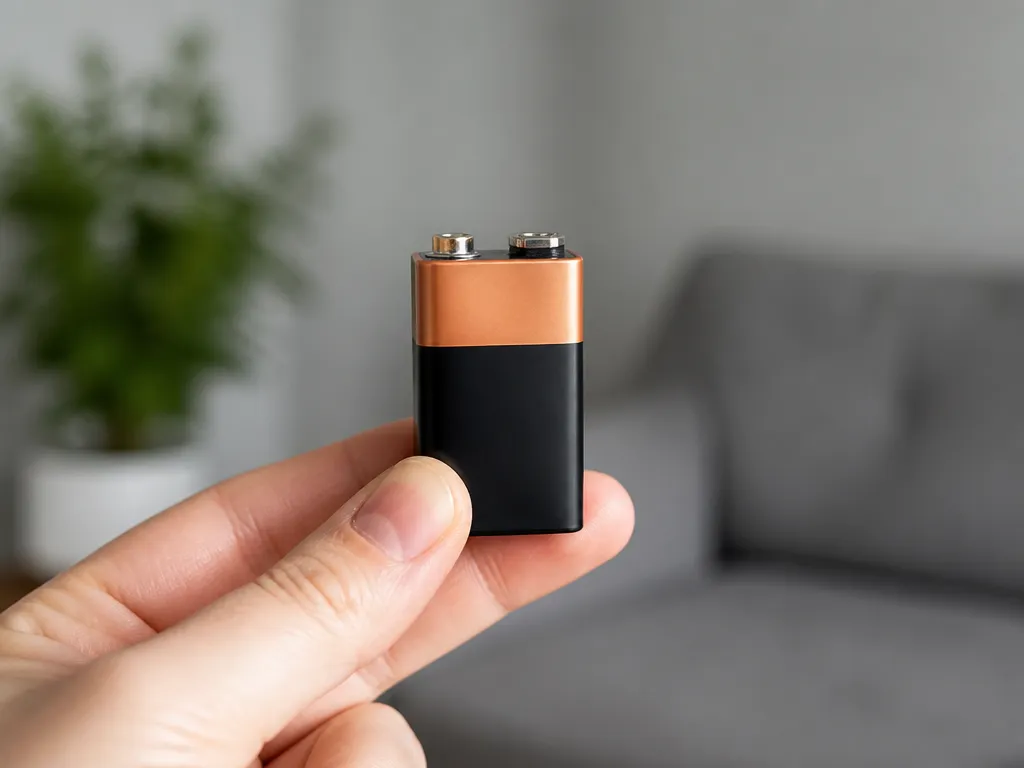
A 9V battery usually lasts anywhere from weeks to many months, depending mostly on how much current the device draws. For high-drain loads, runtime can drop to days, while low-power standby devices can run for a year or longer. Brands and battery chemistry change how quickly voltage sags as the battery empties.
Battery capacity is usually rated in mAh (milliamp-hours), but a 9V “block” is often six small cells inside, so the same labeled 9V does not mean the same energy. A practical way to estimate is to compare your device draw (in mA) to the battery’s capacity, then account for inefficiency and end-of-life voltage. Device circuit design also matters, because some electronics stop early when voltage falls even if energy remains.
Common real-world expectations vary by chemistry and load type:
| 9V battery type | Typical use pattern | What you’ll notice near end |
|---|---|---|
| Alkaline (most common) | Smoke alarms, remotes, meters | Gradual voltage drop; devices may cut out before “flat” |
| Carbon-zinc (often cheaper) | Lower-cost electronics | Faster performance loss under higher drain |
| Lithium 9V (if available) | Long-life or extreme temperature use | More stable voltage late in life |
| Rechargeable 9V (NiMH) | Frequent use devices | Voltage may sag earlier under sudden current peaks |
For example, smoke detector manufacturers commonly instruct replacement on a schedule, because the device may warn before the battery is fully exhausted, and real homes vary in temperature and duty cycle. For a multimeter used occasionally, a fresh 9V alkaline can last a long time since the meter averages low current between readings.
Estimate check: runtime (hours) is roughly capacity (mAh) ÷ device current (mA). Multiply by a safety factor (often 0.6 to 0.8) for end-of-life cutoff and losses, then confirm with the device’s behavior.
When you plan replacements, watch for performance warnings like weak beeps, intermittent operation, or delayed response. When a 9V battery gets hot, leaks, or the device smells “chemical,” stop using it and replace the battery immediately.
How It Works
Recommended Products


9V batteries last for a specific energy budget, then the voltage sags under load and the device stops working. Battery capacity is usually labeled in mAh, but usable life depends on how much current the device draws (mA) and for how long it stays active versus in standby.
A 9V nameplate hides a key detail: many “9V” cells are made from smaller internal cells in series, so the battery behaves more like a compact pack with limited peak current. If the device pulls higher current than the battery can supply comfortably, voltage drops faster and runtime shrinks even if mAh looks similar on paper.
What Drains A 9v Battery Fastest
Device power draw turns into current draw, and current draw controls how quickly the battery’s internal chemistry runs down.
In practice, newer electronics with sleep modes can stretch life, while constant-music or continuous measurement loads can empty the battery quickly.
To estimate runtime, use the simplest link between energy and load: watt-hours approximate as (voltage × capacity in Ah). Because “9V” voltage is not perfectly constant until end-of-life, real runtime varies by chemistry, temperature, and how low the device will tolerate voltage sag.
Chemistry And Construction Change The “Feel” Of Capacity
Alkaline 9V cells often work well for intermittent loads, but they can sag sooner under heavy current. Lithium 9V cells usually handle low-drain and shelf storage better, and their voltage tends to stay more usable longer, but brand, circuit design, and cutoff thresholds still control final runtime.
Heavy-duty or carbon-zinc 9V cells can be cheaper, but they often have higher internal resistance, so they may fall flat sooner in devices that demand bursts of current.
| 9V type (common) | Typical “why it differs” | Most likely outcome |
|---|---|---|
| Alkaline | Moderate internal resistance and energy | Good for intermittent use, shorter under constant load |
| Lithium | Better voltage stability for long periods | Longer life in low-drain and steady loads that dislike voltage sag |
| Carbon-zinc (and similar) | Higher internal resistance | Earlier cutoff in higher-current electronics |
Real-world Scenario: Estimating With Current Draw
For example, a remote sensor that averages 0.05 mA, or 50 µA, uses a very small current because 9V runtime is usually dominated by tiny standby currents. A guitar pedal that draws a few hundred mA while playing will drain a 9V far faster, even if it is “only on for a few hours,” because hours at high current is expensive in battery terms.
“Rule-of-thumb math” for sizing: runtime (hours) ≈ capacity (mAh) ÷ average current draw (mA). Then adjust downward if the battery type has higher internal resistance and the device cuts off on low voltage.
Safety and health checks: replace any 9V battery showing swelling, leaking, or a hot casing. Damaged contacts can create extra resistance, causing voltage sag and heat buildup that shortens life and can ruin the device.
Key Benefits
Recommended Products

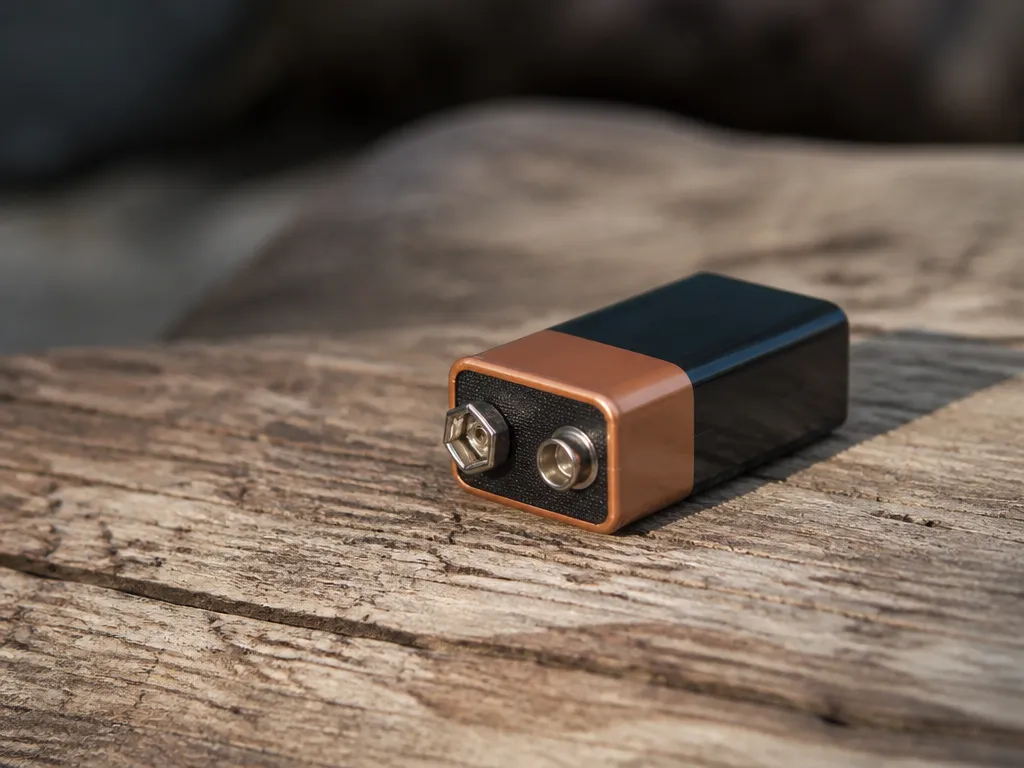
| 9V chemistry | Typical strengths | Common match | What to expect in practice |
|---|---|---|---|
| Alkaline | Good general capacity for most household electronics | Smoke alarms, remotes, small test meters | Decent life, voltage gradually sags under heavier loads |
| Carbon-zinc (heavy-duty) | Lower cost, weaker performance under load | Low-power or infrequent use | Runtime is often shorter, especially in devices that draw higher current |
| Lithium (9V) | Long shelf life and stronger voltage stability | Intermittent or low-drain use | Often lasts longer than alkaline when the device needs consistent voltage over time |
For example, a smoke detector guideline is often “replace on schedule,” because these devices can be sensitive to voltage changes before failure, and the alarm’s self-test draw differs from normal running. For a multimeter or a guitar pedal (brief bursts at higher draw), battery life can be dominated by average current during use, so frequent, high-intensity operation shortens runtime quickly.
Safety trigger to watch: Any swollen, hot, leaking, or badly corroded 9V battery should be removed and replaced. Damaged battery contacts can also cause intermittent contact that looks like “weak battery” but is actually a connection problem.
Step-by-step Guide
| Use pattern (typical) | What to estimate | Practical expectation |
|---|---|---|
| Standby with occasional bursts (alarm sensor, remote) | Average current, not peak | Often months to a year range for alkaline in low-draw duty, depending on model and schedule |
| Continuous active load (pedal, active electronics) | Constant or high average current | Often days to weeks for many 9V devices, varies strongly by draw |
| Intermittent higher-drain transmit (wireless sensor) | Average current and burst behavior | Runtime is sensitive to duty cycle and voltage sag near end-of-life |
Battery runtime for a 9V battery is predictable in method, but unpredictable in exact days because the “real” drain is the load profile and end-of-life voltage behavior. Using capacity divided by current gives a solid first estimate, then adjust based on your device’s duty cycle and whether it behaves like standby or continuous draw.
Common Mistakes To Avoid
End-of-life behavior also causes people to throw batteries out too late or too early. Alkaline and carbon-zinc cells tend to show voltage drop and performance loss as they approach depletion, while lithium 9V cells tend to hold voltage more steadily for longer. Device behavior matters too, because some loads cut off at a threshold voltage, meaning runtime can be shorter than the energy math suggests.
| Common 9V-powered device | What trips up runtime estimates | What to check |
|---|---|---|
| Smoke detector or alarm | Long standby period plus periodic tests | Manufacturer replacement interval guidance |
| Multimeter (9V tests) | Higher draw during display backlight or certain functions | Measured current draw and backlight use |
| Remote or keyless device | Pulsed transmitter current | How often you transmit, not just how long the device sits |
| Guitar pedal (9V snap) | True load power varies by mode and bypass | Pedal power spec, then compare to your battery type |
“A 9V battery lasts longer” is usually a shorthand for a specific chemistry and a specific device current. If your device draws more current, the battery lasts less time even with the “same voltage” label.
Charger and battery-safety mistakes also distort how long cells “actually last.” Heat accelerates aging, and a damaged battery can heat internally under load. Swollen, leaking, or badly corroded 9V terminals are replacement signs, and continuing to use them risks arcing, poor contact, and damaged electronics.
Replacing on a schedule without considering the device can also lead to avoidable waste or surprise failures. For critical items like alarms, follow the device guidance first, then treat your actual runtime observations as a sanity check. For non-critical gear, your own current-draw estimate is often more useful than generic “how long” claims that assume a different load.
Tips For Success
Use watts and watt-hours to sanity-check estimates. Devices that draw a few milliamps last far longer than devices that draw tens of milliamps, and battery “voltage under load” sags sooner on older or high-drain devices.
Get Runtime In The Real World
Estimate runtime by current. A quick method is: runtime (hours) ≈ battery capacity (mAh) ÷ device current draw (mA). Treat that as an optimistic ceiling, since many 9V batteries have less usable capacity at higher drain and at cold temperatures.
| Common 9V device type | Typical current draw (rule of thumb) | Why runtime changes |
|---|---|---|
| Smoke alarm (standby) | Low single-digit mA | Long standby time dominates, tests add spikes |
| Multimeter (typical use) | Low to moderate mA, varies by mode | Backlight, continuity, and resistance modes change drain |
| Guitar pedal (active) | Often tens of mA to more | Continuous draw consumes capacity fast |
| Wireless remote (burst) | Very low average, higher bursts | Duty cycle is the key factor |
Match Chemistry To Expectations
Alkaline 9V is the common baseline for long shelf life and decent performance in moderate drains. Carbon-zinc often costs less, but it tends to perform worse as load increases, so high-drain gadgets can “feel” short-lived. Lithium 9V is usually better for longer service in some intermittent or demanding applications, but you still need to confirm the device’s expected drain and voltage range.
Battery end-of-life behavior differs by chemistry. Alkaline tends to drop more visibly under load before it truly fails, while lithium often holds voltage more steadily until it declines more abruptly, so “still reads 9V on a meter” can mislead.
Avoid The Common Failure Traps
Most surprises come from drain spikes, partial connections, or the wrong battery type. Check the contacts, load, and battery chemistry before you blame the brand.
Use Replacement Rules You Can Trust
For safety devices like smoke alarms, follow the device manufacturer’s replacement interval rather than runtime guesses. For normal electronics, use two triggers: reduced performance and voltage behavior that no longer matches what a new battery does under the same load.
Replacement trigger checklist: device becomes inconsistent, performance drops faster than expected, battery compartment contacts show corrosion, or the battery gets unusually warm during use.
For 9V-powered electronics, buying “premium” batteries helps most when the device has a high or variable current draw. For low-drain uses, the biggest win is consistent, correct battery chemistry and keeping contacts clean and tight.
Real Examples
For smoke detectors and similar alarms, many people follow the manufacturer’s guidance to replace the battery on a schedule (often yearly, but check your unit label). The key practical point is that alarm electronics draw small average current but the battery ages under low-load conditions, so voltage sag can happen well before the cell looks “dead.”
For example, a handheld multimeter in typical use might last a long time if it is mostly measuring at rest and only occasionally running continuity or resistance tests. A remote control or wall transmitter is also a low-average-draw case, so a 9V can stretch far longer than expected from a high-current spec on the label.
For instance, a guitar pedal labeled “9V” often draws more current than a smoke alarm, especially if it includes true bypass buffers, switching relays, or active circuits. Battery life drops fast when the pedal stays on for long sessions, and it can also vary wildly between “LED on” modes and full active modes.
| 9V-powered device scenario | What to expect (practical range) | What to check on the battery or device |
|---|---|---|
| Smoke alarm (low average drain) | Often measured in months; many units use a yearly replacement schedule | Alarm model instructions, end-of-life indicator, battery type requirement |
| Multimeter, occasional continuity tests | Often months to longer, if the meter sleeps between reads | Meter “battery saver” behavior, typical current draw if listed |
| Remote control / transmitter | Often long service life in standby, shorter if buttons are used constantly | Operating frequency, low-battery indicator behavior |
| Active guitar pedal (high drain while powered) | Often days to weeks, sometimes less with long continuous use | Pedal current draw in mA, whether it has an internal boost or active stage |
Battery chemistry shifts the “feels dead” point. Alkaline 9V cells often start usable right away but voltage can drop noticeably under sustained load, while heavy-duty zinc-carbon may sag faster for anything that draws more than tiny currents. Lithium primary 9V cells tend to hold voltage better under moderate drain, which helps performance when the device is sensitive to a minimum operating voltage.
Safety: Stop using any 9V battery that is hot, swollen, leaking, or smells unusual. Replace batteries in pairs only when the device design calls for it; mixing old and new cells or different chemistries can cause uneven voltage behavior.
For a quick way to estimate your own case, look for the device’s current draw (mA) and runtime is roughly proportional to capacity (mAh) divided by that current.
For example, a device drawing 10 mA average will last far longer than one drawing 100 mA average, even if both use a “9V” label.
Real-world testing beats guessing when you have no published current draw. Put in a fresh battery, note the day, and watch the first signs of sag during your typical usage pattern, then you get a practical lifespan for your exact device and habits.
Quick Summary
Later sections emphasize that carbon-zinc 9V cells often last less than alkaline in higher drain devices, while lithium 9V (if available) is more stable late in life and better for demanding or extreme-temperature use. The article also notes that smoke detectors are often guided to replace about yearly, but temperature, alarm type, and brand can shift the outcome. For a compatibility and safety check, confirm you have the correct snap 9V size and polarity, and stop using a hot, leaking, or chemically smelling battery. The best next action is to estimate runtime from your device’s mA draw using runtime (hours) ≈ mAh × 0.8 ÷ device mA.
Frequently Asked Questions
How Long Does A 9v Alkaline Battery Last In A Smoke Detector?
Smoke detectors typically use a 9V alkaline for long standby periods, but real life depends on how often the alarm is triggered and the detector model. Check the detector manual for the expected service life and replace it before the manufacturer’s stated interval, usually measured in months to years.
Does A 9v Rechargeable Battery Last As Long As A 9v Alkaline?
Rechargeables are often lower-voltage under load and can perform differently by device, so runtime may be shorter than alkaline in some electronics. Look for a 9V rechargeable type that matches your charger and the device’s requirements, and expect noticeably different runtime compared to alkaline depending on load.
Why Does My 9v Battery Get Hot Or Drain Quickly?
If a 9V battery gets warm during use, the device may be drawing more current than the battery can deliver, or the battery may be failing. Stop using it if it is hot to the touch, and replace with a fresh, compatible battery, since excessive heat is a warning sign.
Can I Charge A 9v Battery With The Wrong Charger?
Never charge a non-rechargeable 9V unless it is specifically marked rechargeable and you have a charger designed for that chemistry. Using the wrong charger or charging method can cause overheating, leakage, or venting, so verify the battery label first.
How Do I Know When To Replace A 9v Battery To Avoid Losing Power?
If your device becomes unreliable, operates weakly, or the indicator shows low battery, replace immediately rather than waiting for total failure. For critical items, follow the manufacturer’s replacement schedule, and if you see leaking or corrosion on the contacts, replace the battery right away and clean the contacts before installing a new one.

- 10 Best Battery For Generator Battery Safety System 2026 - October 12, 2026
- 10 Best Battery For Generator Battery Safety Option 2026 - October 12, 2026
- 10 Best Battery For Generator Battery Safety 2026 - October 12, 2026