How Long Do Triple A Batteries Last?
AAA batteries feel “good until they suddenly aren’t,” and the real spec that decides how long they last is the device’s current draw. Shelf life can be years in a package, while runtime in use might be weeks or only hours in high-drain devices. You’ll get practical ranges for alkaline vs carbon-zinc vs rechargeable NiMH, plus how to spot dying batteries and pick the right chemistry for remotes, clocks, toys, and flashlights.
AAA batteries last years in storage. Low-drain uses like TV remotes often run for months, while high-drain devices like some flashlights or toys can drain AAAs in hours to days. Rechargeable NiMH runtime per charge can be comparable to alkaline, but voltage behavior differs under high-drain loads. Replace a matched set when performance dips.
How Long Do Triple A Batteries Last?
Recommended Products


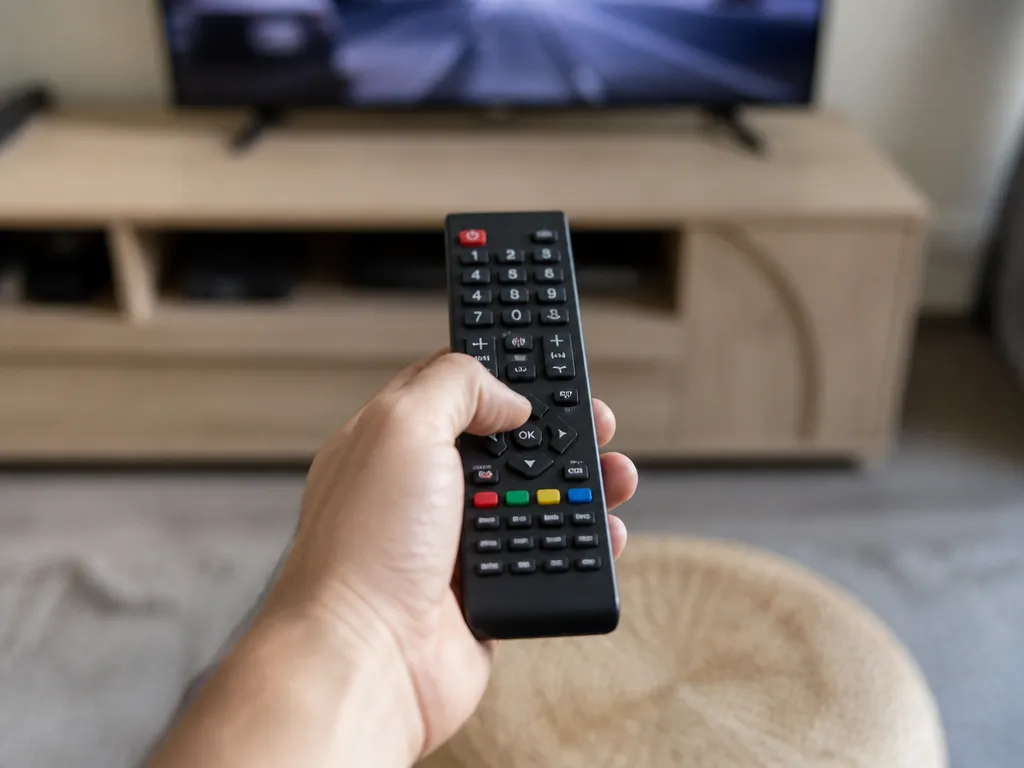
Shelf life in storage varies by chemistry. Alkaline AAA cells typically stay usable 5 to 10 years when kept cool and dry, carbon-zinc around 1 to 3 years, and lithium primary batteries up to 10 to 15 years. In use, low-drain devices can last months to years on a fresh set, while high-drain devices exhaust a set in hours to days.
Temperature also affects actual runtime. A fresh alkaline AAA in a TV remote can last many months; in a bright flashlight it may run for hours or days depending on brightness and duty cycle. Rechargeables change the picture by allowing dozens to hundreds of cycles, but they require periodic recharging and may perform differently in cold conditions.
| Chemistry | Typical capacity at low drain (mAh) | Common runtime in devices (guide) |
|---|---|---|
| Alkaline AAA | 800 – 1000 | Remote 6 – 12 months; wall clock 1 – 5 years |
| Carbon-zinc | 300 – 600 | Remote 3 – 12 months; clock 1 – 2 years |
| NiMH rechargeable | 600 – 1000 | High-drain toys/flashlights: hours per charge; recharges many times |
| Lithium primary | 300 – 1000 | Low-drain use can last for years; reliable in cold temperatures |
Storage tip: keep cells in a cool, dry place away from temperature swings and humidity to maximize shelf life and performance.
Choosing the right type for common uses helps balance cost and reliability. For very long storage and extremely low-drain devices, lithium primaries or high-quality alkalines are solid choices. For devices you recharge often or that drain energy quickly, NiMH rechargeables offer flexibility and long-term cost savings. For budget or short-term needs, carbon-zinc can work but comes with shorter shelf life and weaker performance in harsh conditions.
Aaa Lifespan By Battery Chemistry
Recommended Products

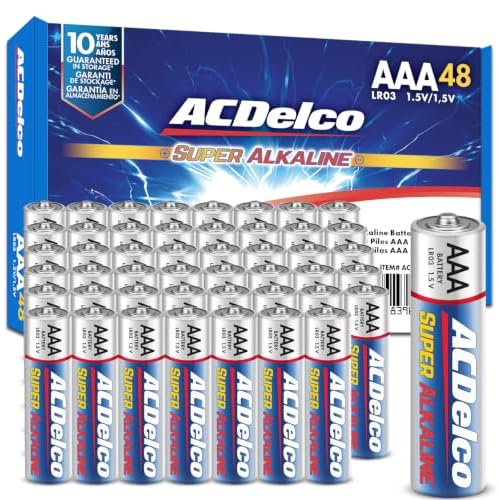
Typical household runtimes range from weeks to many months, with fresh alkaline usually lasting longer than carbon-zinc in the same device. Rechargeable NiMH AAA cells can run for many uses, but they have a different “feel” and may drop sooner under high-drain loads.
Alkaline Aaa: Longest In Most Everyday Remotes And Clocks
Alkaline AAA cells commonly last longest in low-to-moderate drain devices like TV and air conditioner remotes, wall clocks, and smoke alarm sensors (where the design current is low).
In practice, remotes often run for many months per set when usage is occasional button presses, while clocks can go close to a full year or more on a fresh set depending on the clock mechanism and temperature.
Alkaline life shrinks when the load is high or frequent, such as camera flashes, high-output flashlights, or toys that draw pulses of current. Those devices often show faster cutoff, because alkaline chemistry has more voltage sag as it is depleted and the internal resistance rises with aging.
Carbon-zinc Aaa: Economical, But Fades Faster Under Real Loads
Carbon-zinc AAA cells usually deliver shorter runtimes, and they tend to reach the “end” of useful voltage sooner in devices that pull more current. Carbon-zinc can still work fine for very low drain devices, like some simple remotes that are used lightly or devices that tolerate reduced brightness or slower actuation.
Carbon-zinc often looks good early, then performance drops more noticeably as internal resistance increases. If a device complains sooner with carbon-zinc than with alkaline, that is a normal chemistry mismatch rather than a defective battery.
Nimh Rechargeable Aaa: Repeatable Cycles, Good For Frequent Use
NiMH rechargeable AAA cells typically last through hundreds of charge cycles, but runtime per charge depends on capacity and the charger you use. For low-to-moderate drain devices, NiMH can match or nearly match alkaline runtime, especially when you choose higher-capacity cells and avoid deep depletion before recharging.
Intermittent use is where NiMH shines, because recharging after partial use is usually fine and the voltage stays more stable until near the end. Continuous or high-drain use can shorten the time before the device acts like the batteries are empty.
| Chemistry | Typical household runtime pattern | What to expect at the end |
|---|---|---|
| Alkaline | Often longest in remotes and clocks; shorter in high-drain flashes | Gradual weakening, then earlier cutoff under higher current |
| Carbon-zinc | More variable, often shorter in anything that draws spikes | Noticeable early drop in brightness and range |
| NiMH rechargeable | Good repeatability, best for frequent use and partial recharges | Can hold voltage, then drop once cells are near empty |
Practical rule: If a device is used daily, NiMH rechargeable AAA is usually the better long-term choice. If a device is used only occasionally and you want the lowest hassle, alkaline is often the safer bet.
Intermittent Vs Continuous Drain: Why “Days Vs Hours” Swings So Much
For example, a TV remote used for a few minutes per day can stretch alkaline or NiMH far beyond what the same batteries would do in a flashlight that runs continuously for an hour.
Continuous drain exposes voltage sag and internal resistance, so batteries that are “fine” for a remote can feel dead in a high-drain flashlight. For the same chemistry, a pulsed high-drain toy can end a set sooner than you would expect from casual use.
Device Drain Changes Everything
Recommended Products

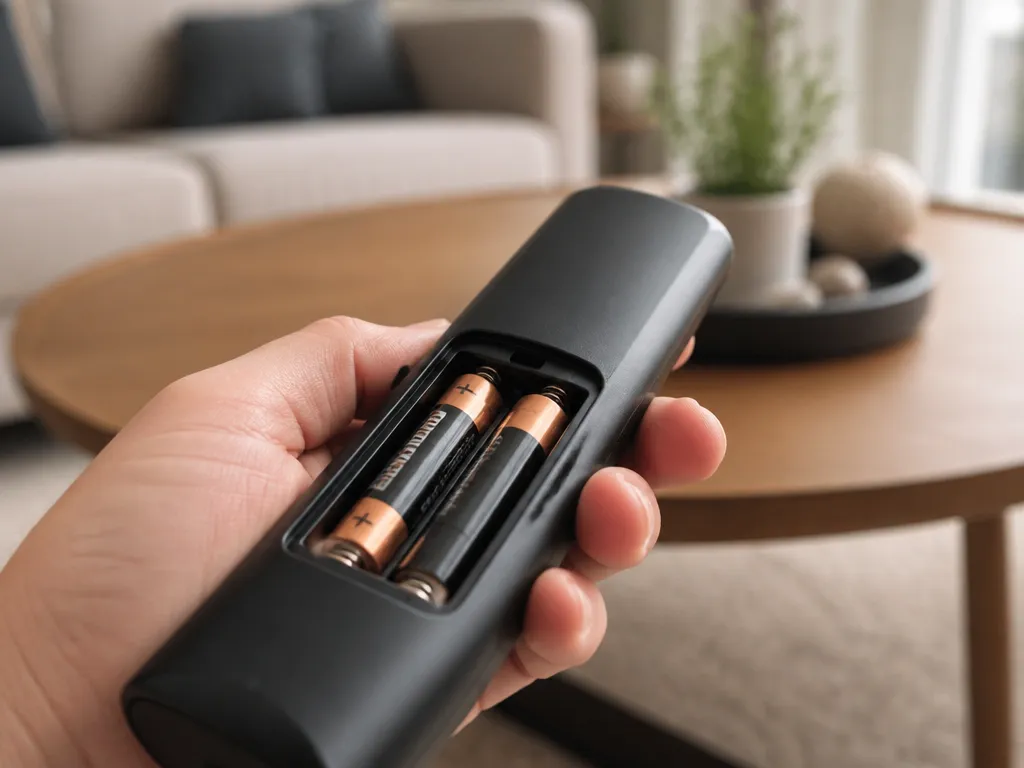
Higher current drain raises the battery’s internal losses, so voltage drops faster and usable capacity ends sooner. Device load also makes “brand and chemistry” differences show up more clearly under stress.
Low-drain devices pull only tiny current, so an AAA can spend most of its time near a higher state of charge. Typical examples are TV remotes, wall clocks, and most small sensors that transmit infrequently.
In practice, these often run for many months to a year or more when batteries are installed new and kept at normal room temperatures.
Medium-drain devices have more frequent or longer power draw, so runtime shrinks to weeks or a few months. Common examples are smoke alarms, game controllers (especially with frequent button presses and vibration), and portable radios used intermittently. Smoke alarms are a special case because they cycle; they still run far longer than high-drain gadgets, but the duty cycle is much higher than a remote.
High-drain devices force the battery to deliver large current pulses, which accelerates voltage sag and heat. Typical examples include flashlights, laser pointers, digital cameras (even with brief bursts), and battery-powered toys with motors or loud sound effects. Under heavy draw, AAA runtime can drop to hours or a few days, depending on how long the device stays on and the brightness or motor load.
| Device type | Typical drain level | What you’ll notice | Common runtime range |
|---|---|---|---|
| TV remote, wall clock | Low | Slow decline, delayed “low battery” | Months to ~1 year+ |
| Smoke alarm, game controller, radio | Medium | Low-battery indicator comes sooner | Weeks to a few months |
| Flashlight, toys with motors, cameras | High | Sudden drop in performance, early cutoff | Hours to days |
Load mechanism in plain terms: when current draw rises, internal resistance causes more voltage loss (and some heat). Devices often stop when voltage falls below a cutoff, so “capacity left” becomes “time left” much faster at high drain.
New batteries start at a higher effective state of charge and have lower “aging damage” inside the cell. Old or partially depleted AAA cells can still power a device briefly, then drop below cutoff quickly under load. Mixing fresh and old cells in the same device usually wastes the benefit of the fresh ones, because the weakest cell sets the pace.
Device drain also explains why rechargeable NiMH sometimes feels better in high-drain gear, but can still vary by brand and capacity. For controllers and flashlights, compare how quickly the low-battery warning appears. For smoke alarms, replace according to the device’s maintenance guidance, since safety systems should not run “until they fail.”
What Shortens Aaa Battery Life
AAA battery runtime drops when the cell is forced to deliver higher current than its design point, spends time in heat or cold, or sits in a partially depleted state for long periods. Rechargeable AAA cells also age faster with repeated cycles and can lose capacity if stored warm after being charged.
For example, two “new” AAA cells that were bought together but stored in a hot car trunk for a summer can behave like older batteries. The result is earlier low-battery behavior because the weaker cell hits its voltage threshold sooner under load.
Temperature swings also matter for rechargeable AAA. NiMH cells can lose capacity faster if they spend long periods warm, and cold use can look like “dead batteries” even when some capacity remains.
Partially used cells can worsen as they age. For example, a pair of rechargeable AAAs that were used for a month, then left in a drawer for another month, usually gives less runtime than a fresh pair that was charged just before use.
Safety warning: Stop using AAA batteries if you see swelling, heavy leakage, a strong chemical odor, or damaged packaging. Heat, leakage, and physical deformation can signal a cell failure that shortens life and can damage the device.
Signs Aaa Batteries Are Done
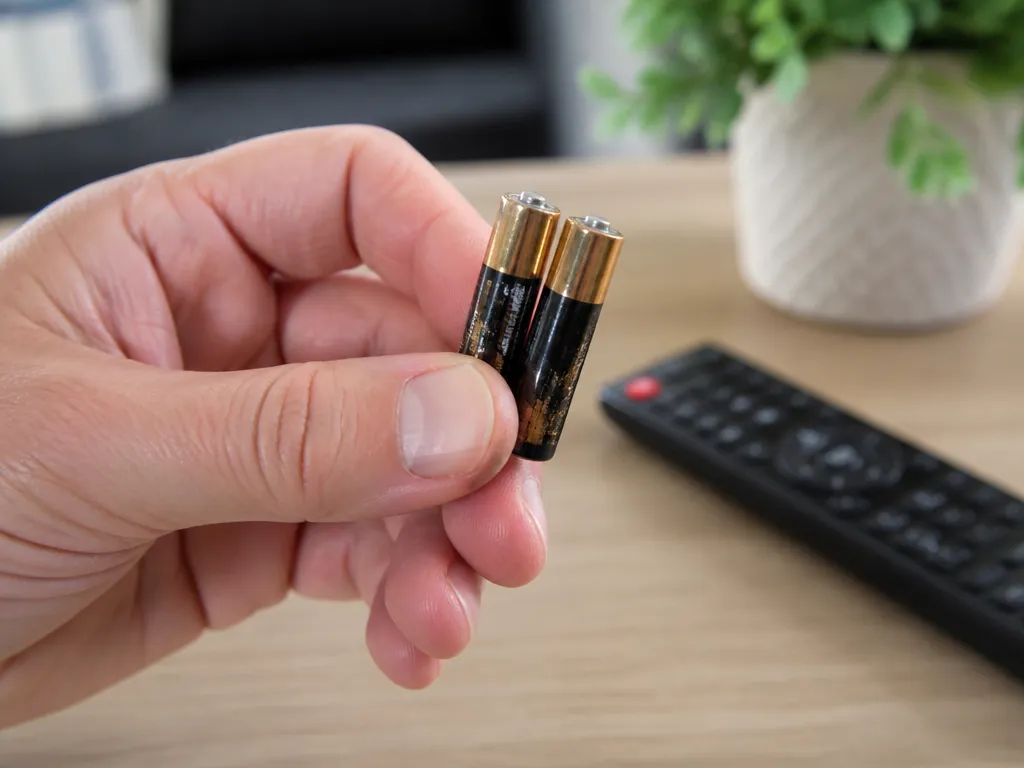
Weak AAA cells show up as performance changes, cutoff behavior, and voltage sag under load. Fresh batteries hold steady voltage in a flashlight or remote, while dying batteries drop voltage quickly and trigger low-battery alerts sooner.
Device symptoms usually appear long before the battery becomes “dead.” Remotes lose range, clocks reset, and toys run slower because higher current draw makes the voltage collapse faster.
For example, a TV remote might seem “fine” during short presses, but the moment it has to transmit, the battery voltage dips and the command fails. For a wall clock, slow timekeeping or frequent resets often point to sag or poor contact, especially after temperature swings.
Quick Checks Before You Replace
Battery labels can’t tell you how close a specific cell is to dying, so use simple observations. Start with contact and fit, then confirm with swap tests when you can.
Replacement strategy matters because mixed-condition cells drive the whole set into early cutoff. In remotes, wall clocks, and toys, one weak cell makes the others work harder to maintain voltage, which shortens total runtime.
Rechargeable Nimh Cycle Guidance
Rechargeable AAA NiMH batteries typically deliver around hundreds of charge-discharge cycles, but real-world “how long they last” varies widely with charger quality and how hard the device draws current. A good rule of thumb is to expect noticeable runtime drops over repeated cycles, then earlier “low battery” behavior as capacity fades. Shelf life also matters: NiMH self-discharge steadily while stored, so a “fresh” charge date affects runtime as much as cycle count.
Runtime Vs. Alkalines, Plus What Changes With Nimh
For many everyday remotes and clocks, NiMH runtime is often close to alkalines for the first few cycles, then it gradually trails as capacity fades. For high-drain gear like flashlights, toys, or cameras, NiMH can drop voltage under load sooner, so the device may seem “dead” even when charge remains. Device cutoff circuits and “low battery” indicators make this timing feel faster than capacity loss alone.
NiMH also has higher self-discharge than most alkalines, so a battery that sat in a drawer for months can start at a lower state of charge. Using NiMH in low-drain devices works well when you keep a charging routine, but it is less forgiving if you rely on long storage without recharging.
Charger Compatibility And Cycle-life Drivers
Cycle life depends on the charging method and the batteries’ exposure to heat and overcharging. Chargers with proper NiMH charge profiles (often labeled for NiMH or “NiMH-ready”) protect cells better than generic “charger for any battery” devices. Fast charging can be convenient, but heat buildup is a common reason cells age early, so slower or temperature-aware charging often extends usable life.
Mixing partially charged cells is another common cycle killer, because NiMH packs can end up imbalanced. A partially depleted cell can keep the rest from reaching full effective capacity during charging, then it becomes the first cell to sag under load.
Cycle life also depends on how deep the discharge gets. Frequent very shallow discharges are usually less stressful than repeated deep cycling at high current, but high-drain loads still generate more heat and faster voltage sag, which can make cells feel “worn” sooner.
| Use case | Typical behavior you’ll notice | Practical charging habit |
|---|---|---|
| TV remote, wall clock | Stable operation longer, then gradual shortening of run time as capacity fades | Recharge as needed, and refresh after long storage |
| Flashlights, toys | Earlier cutoff or dimming from voltage sag under load | Charge promptly after use, and avoid running until full cutout repeatedly |
Pick The Right Aaa For Your Device
Runtime also depends on whether you insert fresh cells, whether you mix new and old, and whether the device runs hot. Shelf life is separate from runtime, so buying fresher packs matters even if the batteries are “not used yet.”
Choose Chemistry By How Your Device Draws Power
Remotes, wall clocks, and many sensors use low average current, so alkaline cells usually last well and tolerate standby time. Toys with motors, bright LED flashlights, and camera flashes pull higher current spikes, which punish older cells and carbon-zinc types. If you need repeated use, rechargeable NiMH is the safer long-term bet, but you still get shorter bursts in high-drain jobs.
Device load is more important than “brand” alone. A fresh set of cells can outperform an older set from the same brand, especially at cold temperatures or when the device has high peak draw.
| Chemistry | Best fit | Where it can disappoint |
|---|---|---|
| Alkaline (primary) | Low to moderate drain devices like remotes | High-drain bursts (flashlights, motor toys) |
| Carbon-zinc (primary) | Very low drain, budget devices | High-drain bursts and longer runtime expectations |
| NiMH (rechargeable) | Frequent cycling, moderate to high usage | Cheap chargers or aggressive high-drain bursts without margin |
For intermittent use, alkaline (or good NiMH) often beats rechargeable-only habits because you are not cycling cells often. For frequent flashlight use or motor toys, plan on higher drain shortening runtime, and buy cells that can handle current spikes.
Buying Checks, Freshness, And Safe Handling
Check the packaging date or “best before” marking. AAA cells can sit in a package for years, but shelf chemistry still changes over time, and older cells waste money through shorter runtime. If a pack looks damaged, swollen, or has leaked residue anywhere on the outer wrap, skip it.
Store batteries in a cool, dry place and keep them out of metal toolboxes where short circuits can happen. Before inserting, inspect contacts and battery ends, and if you see corrosion, clean the device contacts gently and replace the battery set.
Safety signs to stop using immediately: swelling, hissing, hot batteries, strong odor, crusty leakage, or batteries that feel unusually warm right after removal.
Quick Summary
Alkaline AAAs are typically usable for 5 to 10 years when kept cool and dry, while carbon-zinc is about 1 to 3 years, and lithium primary can be up to 10 to 15 years. Low-drain devices like TV remotes often run for months to years, but high-drain devices like some flashlights or toys can drain a set in hours to days.
For rechargeable NiMH, expect about 2 to 5 years in storage without use, and performance that changes with load, since rechargeable cells can run for dozens to hundreds of cycles but may drop sooner in high-drain gear. Treat voltage drop under load as a warning sign, because fresh alkaline cells sit near 1.6 to 1.8 V at rest and readings well below 1.2 V under load suggest replacement. Don’t mix battery types or ages, and match chemistry to the device’s load.
Frequently Asked Questions
How Long Do Aaa Batteries Last In A Typical Remote Control?
In a low-drain device like a TV remote, a fresh alkaline AAA typically lasts 6 to 12 months; in a wireless mouse or keyboard you can see about 1 to 3 months before replacement.
Are Rechargeable Nimh Aaa Batteries Compatible With Devices That Take Alkaline Aaa, And How Long Do They Last?
Most devices that take AAA will run on NiMH with a 1.2V nominal voltage; NiMH cells have about 700 – 1000 mAh capacity and are rechargeable for hundreds of cycles.
How Does Heat Affect Aaa Battery Performance And Safety?
High temperatures accelerate self-discharge and can shorten life, so avoid leaving batteries in hot places or inside devices that get hot; avoid exposure to temperatures above 60C.
When Should I Replace Aaa Batteries To Avoid Leaks Or Performance Drops?
If a device shows reduced performance, replace the battery promptly; for storage, alkaline AAA typically have a shelf life of about 5 – 10 years if stored cool and dry.
What Common Buying Mistakes Waste Money On Aaa Batteries?
Avoid very cheap off brand alkalines with lower capacity; compare the price per mAh instead of just the pack price, and consider NiMH rechargeables if your device supports them to cut long term costs.

- 10 Best Battery For Generator Battery Safety Option 2026 - October 12, 2026
- 10 Best Battery For Generator Battery Safety 2026 - October 12, 2026
- 10 Best Battery For Generator Battery Rv Upgrade 2026 - October 12, 2026