How Long Do Honda Accord Hybrid Batteries Last?
The spec that matters most for your Honda Accord Hybrid is the high-voltage battery warranty coverage, not a guess about “how many miles.” With weak public, model-specific lifespan data, a realistic expectation is that many hybrids run well past 100,000 miles, but heat, driving style, and cooling-system health are the swing factors. Before spending money, start with the exact warning lights and a health check, then compare OEM versus aftermarket replacement paths.
Honda Accord Hybrid high-voltage batteries typically last many years and often exceed 100,000 miles, but exact lifespan depends heavily on heat exposure, driving habits, and how well the cooling system is maintained. If you see reduced electric range or hybrid system warning lights, get diagnostic codes checked early and confirm your battery warranty by your VIN.
Honda Accord Hybrid Hv Battery Lifespan
Recommended Products


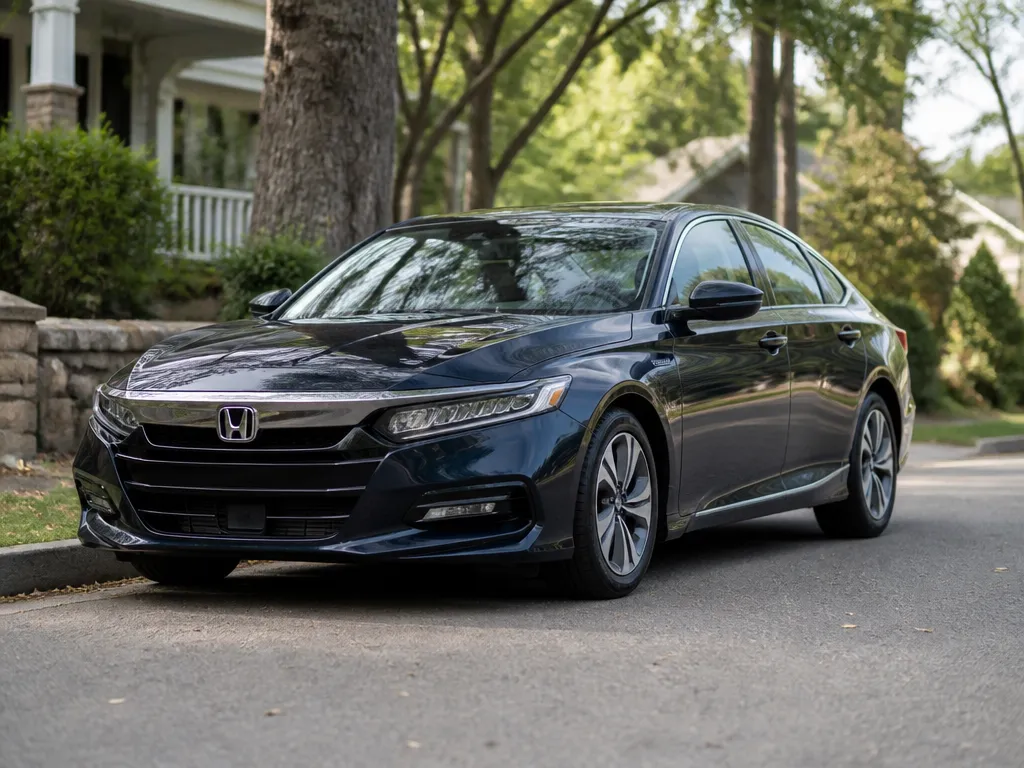
Honda Accord Hybrid high-voltage battery life is commonly reported in the ballpark of 8 to 15 years, which often maps to roughly 100,000 to 200,000 miles depending on conditions. “Lasts” usually means the battery still powers the hybrid system, but capacity gradually fades so it holds less usable energy. Exact timelines vary because OEM published durability figures are not consistently available for every model year.
What “Lifespan” Really Means (Capacity Fade Vs Failure)
Most aging is gradual capacity loss, which shows up as shorter electric-only driving time and more frequent engine assist. A true failure is rarer and typically involves the battery management system detecting a fault or a module that can no longer stay within safe voltage and temperature ranges. When buyers ask how long the battery lasts, they usually mean “when will performance noticeably drop,” and that can happen well before a complete replacement is required.
For planning purposes, use a conservative approach: expect meaningful capacity fade over time, and treat “replacement” as the point when the system can no longer meet normal operation or a repair is no longer cost-effective. If your car still starts and the hybrid system operates normally, you may be dealing with aging rather than a hard failure.
| Use case | Typical outcome | Time/mileage to watch closely | What changes first |
|---|---|---|---|
| Moderate climate, balanced driving | Usable capacity for many years | ~8 to 12 years, ~100k to 160k miles | Electric-only time shortens |
| Hot climate, heavy stop-and-go | Faster capacity fade | ~6 to 10 years, ~80k to 130k miles | More frequent engine assist |
| High mileage with varied temperatures | Possible fault codes before full replacement | ~10 to 15 years, ~140k to 200k miles | Health warnings, reduced efficiency |
How “Whichever Comes First” Applies
Hybrid-battery aging is driven by calendar time, temperature exposure, and the number of charge-discharge events, so miles and years do not track perfectly. A car that sits in heat for long periods can age sooner than a similar-mileage car in a mild climate. A daily commuter that cycles the battery frequently may show earlier capacity fade even if the car is still young.
Real-world outcomes are best treated as “whichever comes first” between time and usage intensity. If you live in a hot region or frequently drive in stop-and-go traffic, plan on earlier monitoring, especially once you are past the middle of that 8 to 15 year window.
Signs Of Aging And The Next Diagnostic Steps
Watch for gradual changes: shorter electric-only segments, reduced regenerative braking feel, hybrid system efficiency dropping, or health-related messages coming from the instrument cluster. Many issues can mimic battery aging, including 12V battery problems, brake system faults, and software or sensor issues.
For example, a good first step is to scan for hybrid-related diagnostic trouble codes and compare them to battery health data reported by your scan tool. Then, confirm the 12V battery condition and charging system health, since weak 12V power can trigger hybrid warnings even when the high-voltage battery is fine. Safety note: if you see messages about high-voltage system problems or any sign of overheating or abnormal smells, stop driving and have the system inspected promptly by a qualified technician.
Conservative expectation for planning: many Accord Hybrid owners see years in the 8 to 15 range before capacity fade becomes obvious, but fault conditions can occur earlier or later depending on climate, driving intensity, and whether the battery ever spent time overheated.
Warranty Coverage And How To Verify
Recommended Products


Honda hybrid high-voltage battery coverage is commonly described online as 8 years or 100,000 miles, but the only definitive answer comes from your Accord Hybrid’s warranty terms for your exact model year and trim. Warranty language can vary by state, and Honda sometimes adjusts coverage or requirements based on model updates and sales region.
Accord Hybrid owner’s manuals and the warranty booklet tell you what is covered (the battery pack and related components), which conditions must be met, and what you must do to qualify. Accord Hybrid warranty paperwork typically also lists exclusions such as damage from accidents, improper service, misuse, or non-covered electrical components.
How To Verify Coverage For Your Exact Car
Start with the warranty booklet that came with the car, because it is tied to the vehicle’s delivery region. Next, confirm the battery warranty term using your vehicle identification number (VIN) through an authorized Honda dealer, since VIN lookup is the fastest way to avoid model-year ambiguity.
For a DIY check, compare your owner’s manual’s warranty section with any Honda service publications you have, then verify the “in-service date” and odometer reading that your warranty clock uses. In many cases, coverage runs from the original in-service date and the mileage threshold, whichever is reached first, so paperwork that lists those dates is important.
How Claims Usually Get Handled
Honda and other manufacturers typically require an initial diagnosis before any warranty replacement, because hybrid battery symptoms can also come from related components like sensors, contactors, cooling issues, or auxiliary systems. Expect the dealer to read diagnostic trouble codes, review hybrid system history, and check for patterns like repeated protective shutdowns.
For documentation, keep repair orders that show the codes, the measurements or test results, and the final diagnosis. If you had an aftermarket scanner show codes, bring that information, but understand the dealer may repeat diagnostics to meet warranty process requirements.
After Warranty Expiration
After the high-voltage battery warranty ends, repair options often shift from “covered replacement” to out-of-warranty diagnostics, paid repairs, or battery replacement. Before spending money, ask for a written diagnosis that explains whether the battery pack itself is the failure point, because hybrid system issues can imitate battery aging.
When comparing replacement paths, request the exact parts and labor scope quoted (battery only versus battery and related modules) and ask whether the installer provides documentation on the warranty for the replacement component. If you are considering non-OEM options, verify that the installed parts come with their own warranty and that installation meets Honda’s required procedures, since a poor fit or incorrect wiring can cause new faults.
Safety warning: If the car shows overheating alerts, repeated HV system fault messages, or any evidence of swelling or physical damage, avoid further driving and have the system inspected promptly. Damaged high-voltage components can create shock or fire risk, even if the car still moves.
Model Year And Battery Generation Notes
Recommended Products

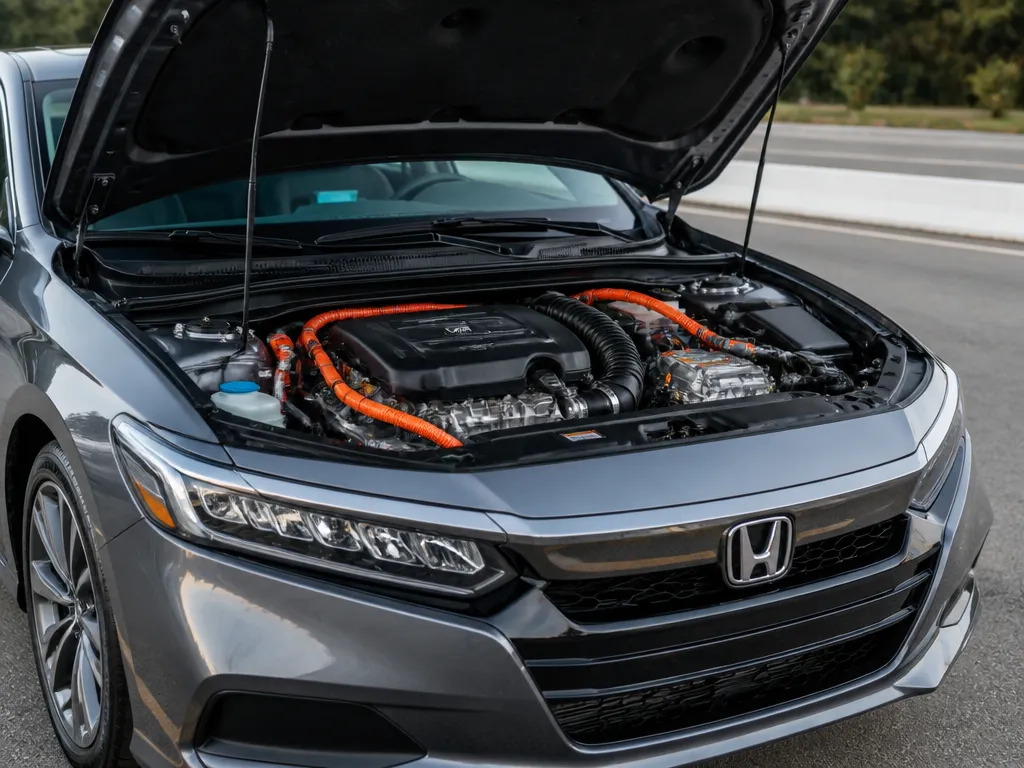
Accord Hybrid high-voltage packs are evolution-based parts, and battery aging depends more on which generation you have than the calendar year alone. Honda can have changes across model years, so the most reliable way to map “how long it lasts” is to confirm your exact battery part number in dealer documentation.
Common Accord Hybrid “eras” roughly track the vehicle generation, but the only safe way to tie longevity to a specific design is to match your VIN to the correct high-voltage battery assembly shown in Honda service systems. Earlier pack designs often differ in cooling layout and battery management behavior, which can change how heat and charge patterns accumulate over time.
Confirming Which Battery You Have (The Part-number Method)
Use the battery part number you can verify, rather than guessing from model year. Your Honda dealer or service shop can look it up by VIN and pull the correct battery assembly supersession history, which matters because Honda sometimes updates part numbers without changing the “Accord Hybrid” label.
For example, two Accords built in different years can still share an updated battery assembly number due to running production changes or dealer-installed replacements. Two Accords built in the same year can differ if one had prior service and got a later-logged replacement pack.
| What to check | Where to find it | Why it matters |
|---|---|---|
| High-voltage battery assembly part number | Honda service documentation by VIN (dealer) | Locks the battery “generation” for compatibility and aging context |
| Battery trouble codes (if any) | Instrument cluster or scan tool | Helps separate sensor or cooling issues from true capacity aging |
| Cooling system condition | Service records, inspection, temps in diagnostics | Heat is a top driver of lithium battery wear |
Why Earlier Vs Later Packs May Age Differently
Earlier-generation packs can age differently due to changes in thermal control, battery management thresholds, and how the system balances the cells during driving and regenerative braking. Later revisions may improve how the battery avoids high-stress operating zones, but your real outcome still depends heavily on climate, charge habits, and how often the car sits at high state of charge.
Practical takeaway: Treat model year as a clue, not a guarantee. Use the VIN-based part number in Honda documentation to identify the exact battery assembly generation before you estimate lifespan or plan for replacement.
Aging Signs You Can Measure
Recommended Products


Honda Accord Hybrid high-voltage packs typically fail gradually, so measurable warning signs show up before the car “feels weak.” Many drivers notice them as new dash messages, reduced regenerative braking, and changes in battery temperature behavior.
Dash warnings and hybrid system error codes are the fastest clues that the traction battery is aging or a control system is limiting power. Check the combination meter for messages related to the hybrid system, charging, and power reduction, then note any code text you see before clearing anything. If your scan tool can read the hybrid battery control module (HV battery ECU), save the stored and pending codes and their freeze-frame data for the service visit.
Performance and regen behavior changes give you practical, repeatable observations. Watch for weaker regenerative braking, a slower transition into regen after braking, or the system refusing regen on climbs and during cold starts.
HV battery temperature is a measurable health signal because lithium packs age faster when they run hot or cool inefficiently. If your Accord Hybrid has an in-dash or scan-tool view of battery temperature, record it during similar drives (same route, ambient temperature, and speed) and compare over time.
Fuel economy changes can be a clue, but they are easy to misread. Cold weather, tire pressure, alignment, and driving style can all move mpg, and the car may also shift engine use due to battery control strategy. Track mpg along with battery-related signs, and do not treat a single week of lower fuel economy as proof of battery aging.
For example, a short drop in mpg after new tires or colder mornings is a weak battery signal. For a stronger case, combine lower mpg with reduced regen and repeated hybrid battery codes or battery temperature excursions during the same type of drive.
Safety warning signs require immediate service. If you see repeated overheating-related messages, unusual smells, smoke, leaking fluids near HV components, or the pack case shows bulging or deformation, stop driving and have the vehicle inspected right away. Do not attempt to “reset” warnings repeatedly or continue driving to “see if it clears.”
| Measured/Observed sign | What it suggests | What to ask the shop to check |
|---|---|---|
| Hybrid system warning + reduced regen | Battery protection due to resistance or sensor fault | HV battery ECU codes, voltage/current/temperature plausibility, module balance |
| Frequent fan cycling or higher battery temp for same route | Thermal stress from cooling inefficiency or internal heating | Thermal system operation, coolant level/air, pump function, fan control |
| Persistent charging acceptance limits | Reduced ability to accept charge from regen | Charge acceptance behavior, current limits, contactor/ECU constraints |
Diagnostics Checklist Before Replacement
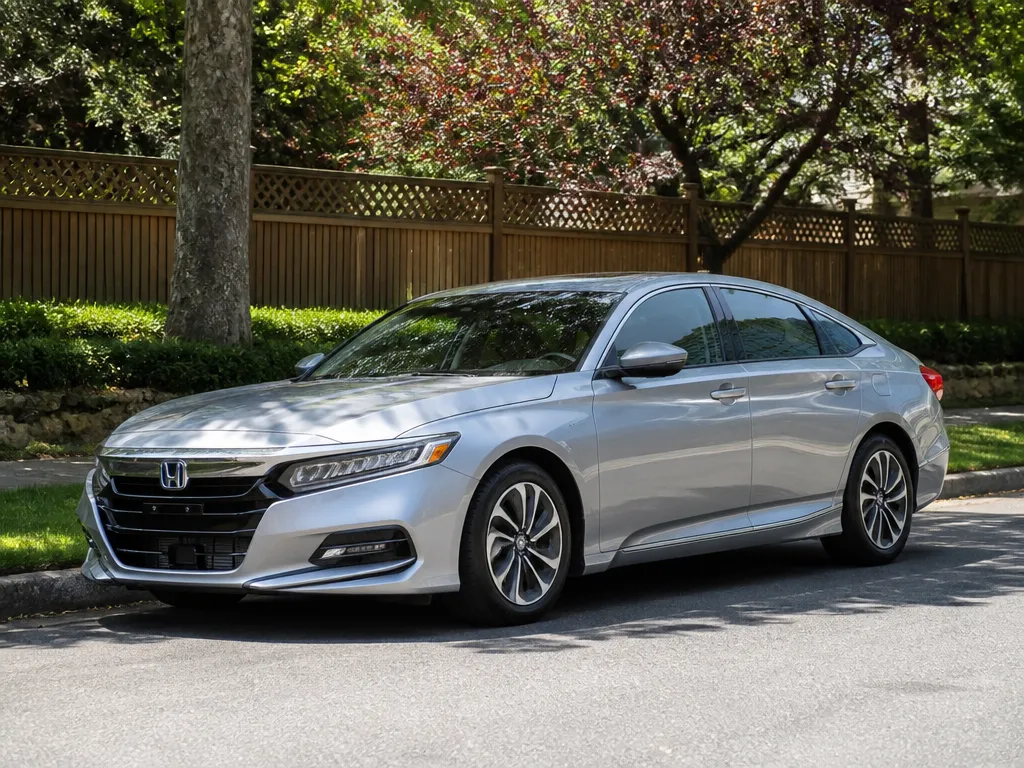
Hybrid battery replacement is only justified after ruling out the 12V system, cooling and sensor faults, and software-related battery management issues. A correct diagnosis also tells you whether you are chasing a failing module or a secondary problem that makes the car behave like the battery is weak.
In practice, a practical decision tree is: if 12V checks fail, fix that first. If thermal system checks or coolant flow issues are found, correct those first. If HV codes point to sensor or insulation concerns and live-data shows abnormal readings tied to temps or specific measurements, pursue the implicated component before ordering a full pack. If codes persist, thermal system is verified healthy, and the tests show abnormal capacity or module imbalance trends, a battery service or replacement becomes the next rational step.
| Shop request | What to document | What it helps rule out |
|---|---|---|
| HV DTC scan + freeze-frame | DTCs, freeze-frame conditions, repeatability | Random warnings, misdiagnosed “weak battery” |
| 12V voltage under load + charging output | Baseline and loaded readings, terminal condition | Low-voltage triggers that mimic HV problems |
| Thermal system inspection | Coolant level and leak check results | Cooling limits that force HV power reduction |
| Battery health/capacity test | Live data trends, imbalance behavior, module evidence | “Battery is bad” when the real fault is elsewhere |
Before approving replacement, ask for a written summary tying each symptom to a measurement or DTC. If the diagnosis only says “hybrid battery is weak” without data trends, it is fair to request additional testing or a second evaluation.
Factors That Shorten Hv Life
Recommended Products


Honda Accord Hybrid high-voltage battery aging is driven mainly by heat, long periods at a high charge level, and the way the car uses the pack during short trips. Heat accelerates internal wear faster than most other influences, and the pack management system still has to dissipate losses generated each drive. Cooling health is a big deal because a hot battery degrades even when you are not asking for maximum power.
Heat Exposure, Cooling Effectiveness, And Parking Habits
Heat is the strongest practical trigger for faster capacity loss in lithium-based packs, because elevated temperatures increase side reactions inside cells. Cooling effectiveness limits how far the battery temperature rises under load and recovers afterward. If the cooling path is restricted, repeated heat soak builds damage even if your driving seems “normal.”
For Accord Hybrid owners, temperature management is mostly about where you park and whether the car can shed heat after driving. Hot climates plus long idling raises battery temperature for longer, especially after highway pulls or steep grades.
Drive Pattern Stress: Stop-and-go Vs Highway, And Short Trips
Stop-and-go driving forces frequent acceleration and regenerative braking, which means the battery repeatedly cycles through power limits during traffic bursts. Highway driving can be easier thermally when it is steady, but it can still be demanding if you run sustained high power or climb grades. Short trips add a special kind of wear because the battery may never reach a stable operating temperature and may spend more total time near elevated temperature during repeated starts.
For example, doing many 5 to 10 minute trips in summer can produce more time-on-temperature than one longer drive, even if total miles are the same. The pack has to warm up, work, then cool down over and over.
Practical rule: If your routine is mostly short trips, plan occasional longer drives to let the battery settle and the system complete thermal regulation.
High State-of-charge Storage, Long Idling, And Maintenance Items
High state-of-charge (high SOC) storage increases degradation stress because cells sit closer to the upper voltage region where aging is faster. Long idling also keeps the system active, and depending on battery temperature and engine strategy, it can mean sustained current draw and heat generation. Extended idle after driving hard, especially in heat, is a common recipe for higher temperature time.
In practice, the best “do this” habits are about reducing time spent hot and full, and keeping the car’s standard maintenance healthy so the cooling system can do its job. Cabin air filters and cooling system maintenance can indirectly matter because airflow and thermal management are linked, even though they are not battery-specific.
| Situation | Why it speeds wear | What to do instead |
|---|---|---|
| Parking in hot sun after a hard drive | Higher time at elevated temperature | Park shaded, and avoid immediately restarting repeatedly |
| Many short trips in cold weather | Frequent thermal transitions and power limit cycling | Combine errands into fewer, longer drives when possible |
| Leaving the car for days at very high SOC | More time near the top voltage region | Use the car, then store when SOC is moderate if you can |
| Long idling in summer | Sustained heat generation and battery activity | Limit idle time and allow cooling after driving |
Action Plan By Climate And Parking Habits
Hot-climate habit: prioritize shade parking and avoid storing the vehicle right after it reaches a high SOC state. If your area regularly hits extreme heat, treat long idle as a wear event and try to keep off-cycle time shorter. Cold-climate habit: expect more battery management activity during warm-up, so reduce the number of tiny trips when possible and let the system complete its thermal routine on longer outings.
Parking habit that helps most is simple: end your day with the car cooled off as much as practical, and avoid repeated “hard drive then immediate high-heat storage.” When you do need to park in heat, minimize high SOC time by driving before storage rather than storing right after full charge. If the car shows recurring battery warnings or performance limits that correlate with heat, schedule a diagnostic sooner rather than later.
Expected Life By Mileage Table
Honda Accord Hybrid high-voltage battery life is commonly estimated in the 8 to 15 year range and often spans roughly 100,000 to 200,000 miles, with many cars lasting longer when driving is gentle and charging is normal. These are estimates, since actual longevity depends heavily on heat exposure, use patterns, and how quickly the battery cools after demanding operation.
| Mileage band (approx.) | Typical battery condition | What “still fine” often looks like | What to watch closely |
|---|---|---|---|
| 0 to 75k | Early service life | Normal fuel economy, no warning lights, strong assist behavior | Few aging signs, but keep an eye on coolant temps and any recurring diagnostic codes |
| 75k to 100k | Mid-life, capacity slowly declines | Performance feels steady; occasional minor range changes | Heat history can show up as reduced electric assist frequency; watch for repeated HV system codes |
| 100k to 150k | Approaching common “replace consideration” window | Fuel economy may drift gradually, but powertrain feels normal | More frequent battery-related faults, reduced state-of-charge utilization during acceleration |
| 150k to 200k+ | Later service life, variability is high | Some vehicles still run well with no major warnings | Battery aging can accelerate if cooling, HVAC, or driving profile keeps the pack hot |
“Still fine” versus “watch closely” usually shows up in how the car behaves, not in a single magic number. A healthy pack can keep assist available when you request it, while an aging pack often limits assist sooner (even if it still drives safely).
Warranty Threshold Vs Real Longevity (What The Table Cannot Guarantee)
Honda warranty terms set a coverage boundary for eligible failures, but warranty coverage does not equal guaranteed lifetime for every pack. A vehicle can still be under warranty while the battery shows early symptoms, and a vehicle can run well past common mileage ranges. For a hard cutoff you can trust, check the warranty booklet or your VIN-linked coverage details, then use diagnostic results (not guesses) to estimate remaining life.
Practical rule: treat 100,000 to 150,000 miles as the time to get baseline HV battery health readings, then monitor changes every service visit if you drive in hot climates or frequently do stop-and-go with heavy electrical demand.
Battery life reporting on the web varies, so treat any single lifespan number as a rough planning range. The next section covers replacement options and costs after you confirm battery health rather than relying only on mileage.
Replacement Options And Cost Ranges
Honda Accord Hybrid high voltage (HV) battery replacement cost is driven by whether you buy new OEM parts, a dealer-reman option, or a higher risk aftermarket or used pack. Because pricing varies by model year, region, and labor rates, treat cost numbers below as rough ranges and confirm the exact part number before you approve any work.
Oem, Reman, Quality Aftermarket, And Used Packs
OEM new packs are the safest compatibility route, and dealer-installed units usually come with the most straightforward warranty paperwork. OEM reman or refurb packs (when the brand offers them) can cut price while keeping the same basic engineering. Quality aftermarket packs can work, but you must verify the exact pack design, connector revisions, and the HV system calibration needs, since hybrid ECUs can be sensitive to mismatched components.
Used or salvage packs are the cheapest on paper, but they carry the biggest uncertainty in health state, internal cell balance, and contamination history (heat, corrosion, or prior water exposure). For a vehicle you plan to keep long enough for the battery to “pay off,” used packs often backfire because you may still pay for diagnostics, HV isolation checks, and reprogramming, even if the pack fails sooner than expected.
Cost ranges are highly location dependent, but these are conservative “parts plus labor” ballparks readers commonly need to budget for. Labor includes HV safety procedure time, diagnostic confirmation, pack install, and post-repair verification.
| Replacement path | What you’re buying | Typical cost range (parts + labor) | Best for |
|---|---|---|---|
| OEM new | New Honda HV battery pack from OEM | $4,000 to $8,500+ (often higher at dealers) | Maximum predictability and easiest warranty paperwork |
| OEM reman/refurb (if offered) | Factory program reman pack or refurb option | $3,000 to $6,500 | Lower cost while staying closer to OEM approach |
| Quality aftermarket | Non-OEM pack with verified fit and support | $2,000 to $5,500 | Budget control with a reputable installer and clear warranty terms |
| Used/salvage | Pre-owned pack, condition unknown | $1,000 to $3,500 | Short-term ownership plans or “diagnose first” strategy |
Installation And Safety Notes (Hv Procedure Essentials)
HV battery work involves lethal voltages and strict lockout and isolation steps, so you should treat this as a shop job, not a DIY repair. A legitimate installer will verify HV system de-energization, inspect orange HV cables and connectors for damage, and confirm cooling ducting and air flow paths are correct before power-up.
After installation, expect the shop to run HV system checks and then perform any required ECU updates or battery control module adaptations. If the installer skips reprogramming or you cannot get documentation of what they updated, that is a risk flag because hybrid controllers may need to relearn parameters for proper charge and balance behavior.
What To Verify Before Paying
Before you approve a purchase, request the exact pack part number or VIN match result, then confirm it aligns with your vehicle’s trim and model year. Ask the shop to state the warranty on the replacement pack and whether it is honored if the HV system has a separate underlying fault (for example, a failure that triggered the pack replacement).
Practical tip: if a quote is far below the others, ask why (different warranty, used pack, missing reprogramming, or uncertain part matching). Price gaps are usually explained by those trade-offs.
Quick Summary
The high-voltage battery warranty coverage matters more than guessing lifespan from miles, because exact model-specific public durability figures are not consistently available for every year. The article notes that Honda Accord Hybrid high-voltage batteries commonly last many years and often exceed 100,000 miles, with a typical reported ballpark of about 8 to 15 years, roughly translating to 100,000 to 200,000 miles depending on conditions. It also emphasizes that heat exposure, driving habits, and the health of the battery cooling system are the key swing factors.
Most aging shows up as gradual capacity fade, meaning shorter electric-only driving time and more frequent engine assist, while true failures are rarer and involve the battery management system detecting a fault or modules that cannot stay within safe voltage and temperature ranges. Watch for reduced electric range and hybrid system warning lights, and stop driving promptly if you see high-voltage system overheating or abnormal-smell warnings. Keep the battery cooling loop healthy by servicing coolant and following Honda maintenance intervals, since the most important takeaway is to diagnose and act early rather than guessing.
Frequently Asked Questions
How Long Do Honda Accord Hybrid Batteries Typically Last?
Real-world lifespan varies a lot by driving habits and climate, but you can generally expect many years of service before capacity noticeably drops. If you are shopping or troubleshooting, the practical move is to check the car’s hybrid system status and battery health readings, then plan on replacement when performance degrades.
What Charger Or Battery Pack Can You Use With A Honda Accord Hybrid Battery?
You typically should not “charge the hybrid battery” with a random external charger, because it is managed by the car’s high-voltage system and specific safety controls. If you need to restore a 12V battery (different from the hybrid pack), use a charger sized for the vehicle’s 12V lead-acid battery type and follow the charger manual, especially regarding charge mode and voltage.
Does Heat Shorten A Honda Accord Hybrid Battery’s Lifespan?
Yes, heat accelerates battery aging, especially when the car regularly sits in high temperatures or the battery area runs hot. To slow aging, park in shade when possible and avoid repeated fast charge-equivalent conditions, but remember the hybrid pack is thermally managed by the vehicle, so the biggest lever is reducing prolonged high heat exposure.
How Do You Know When A Honda Accord Hybrid Battery Needs Replacement?
Watch for hybrid system warning lights, reduced EV assist or acceleration, more frequent engine starts, or trouble codes related to the hybrid battery. Issues like inverter faults or sensor problems can mimic battery failure.
What Are Common Buying Mistakes When Replacing Or Testing A Honda Accord Hybrid Battery?
A common mistake is buying an incompatible unit or skipping verification, because you want the correct module configuration and warranty terms for your exact Accord Hybrid year. Another frequent error is trying to substitute tools or external charging gear, so stick to dealer or reputable hybrid specialists, and confirm return policy and workmanship coverage before you pay.

- 10 Best Battery For Generator Battery Safety System 2026 - October 12, 2026
- 10 Best Battery For Generator Battery Safety Option 2026 - October 12, 2026
- 10 Best Battery For Generator Battery Safety 2026 - October 12, 2026