How Long Does A Prius Battery Last?
A Prius traction battery usually does not “die” suddenly, it fades: you’ll see less usable hybrid power and reduced efficiency before anything looks catastrophic. The spec that matters most is battery health versus mileage and age, and the common mistake is judging it by years alone. Start by checking the dashboard warning lights (especially the hybrid system indicator) and planning a scan for battery data.
Prius hybrid battery life typically spans about 8 to 15 years (and often 100,000 to 200,000 miles), but it varies a lot by generation and heat exposure. “Lasts” usually means declining capacity and performance, not instant failure. Repeated hot soak, poor cooling system health, and sitting at high or low charge speeds aging.
How Long Does A Prius Battery Last?
Recommended Products


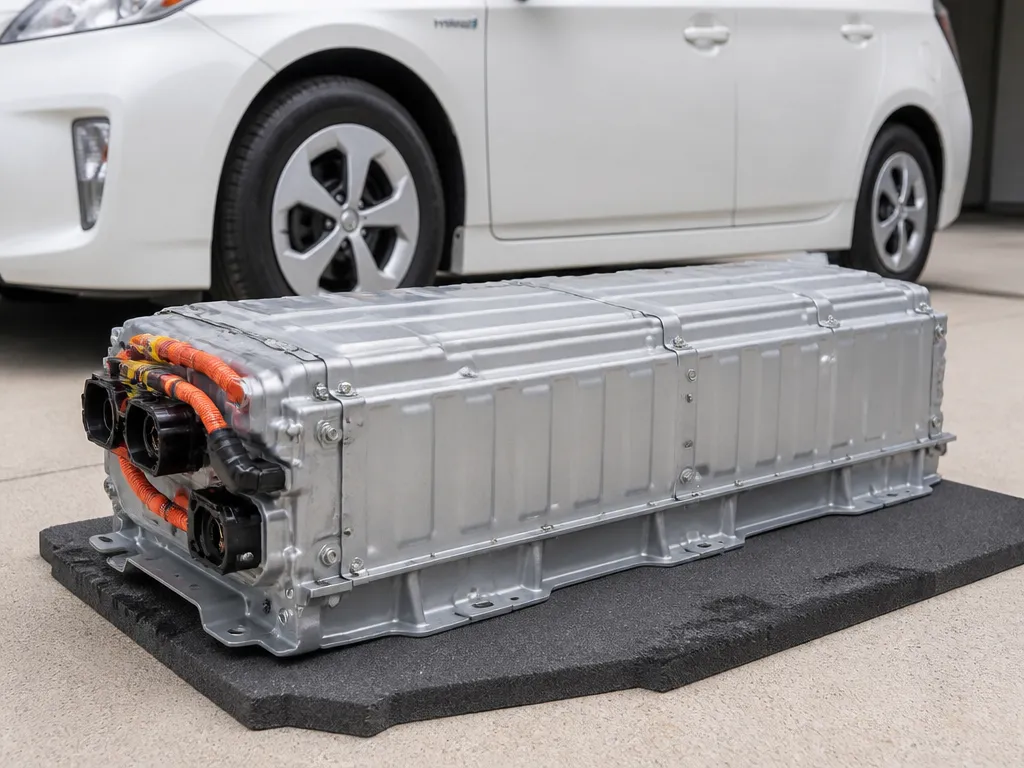
Prius traction batteries typically last for many years, and most owners never see a sudden “dead battery” event during normal service life. Real-world longevity is best described as a gradual capacity drop (battery “aging”) rather than a single failure threshold, so the car can still run but may show reduced efficiency or more frequent battery assist.
“Lasting” has two practical meanings: usable capacity and failure mode. Usable capacity is what you feel as changes in electric assist behavior, while failure mode is what you fear, like warning lights and reduced or blocked power. For deciding whether to rebuild or replace later, capacity aging matters more than guessing an exact “miles to failure” number.
Generations And Conditions That Change The Timeline
Battery life is strongly tied to the Prius generation and the way the pack is used. A car that spends years in moderate temperatures and avoids frequent high-load charging cycles often ages differently than one that does lots of short trips, frequent hills, or long summer heat. Even with the same generation, the pack’s thermal history is a major driver.
In practice, your timing range shifts with these influences:
| What changes with age | What it looks like to the driver | What it suggests |
|---|---|---|
| Gradual capacity loss | Less electric assist when you expect it, changes in fuel economy | Pack aging, not instant failure |
| Temperature sensitivity | Behavior feels different in heat versus mild weather | Thermal stress history |
| Cell imbalance | Warning lights, diagnostic trouble codes, or reduced performance | Potential internal pack issues |
Practical expectation: battery longevity is about preventing bad thermal and electrical stress over thousands of cycles, not about “keeping it at 100%” or aiming for one perfect number.
Next, the most useful step is learning how aging symptoms map to Prius-specific diagnostics and what data tools can show before you spend money. Prius owners typically get clearer answers from scan-tool readings of battery behavior and dealer or independent testing than from year and mileage alone, because two cars with the same mileage can have very different degradation levels.
What Lasting Means For Prius
Recommended Products


Prius “battery life” usually means how much usable high voltage capacity the traction pack still has, not whether it will abruptly fail. Over years, degradation can reduce electric assist and cruising efficiency while the system still works normally.
Prius traction packs typically show aging as gradual performance loss, while rare outright failure is more sudden and is usually accompanied by warning lights or diagnostic trouble codes. Gradual capacity loss is the most common “lasting” outcome because the battery stays within its designed charge and temperature limits most of the time.
Degradation Vs. Failure (What It Feels Like)
Degradation looks like smaller “electric” contributions, especially when the pack is cold or at higher speeds, and it can show up as less frequent or shorter EV-like operation. Failure usually appears as a system problem: reduced function, inhibited hybrid behavior, or multiple traction battery related alerts.
For daily driving, degradation often feels like “it’s not as eager,” while maintaining similar drivability and safety systems. Outright failure is the kind of event that pushes you into service quickly, because the hybrid controller may limit power or modes to protect the pack.
| What you notice | Most likely “lasting” category | Practical next step |
|---|---|---|
| Gradual change over months | Degradation (usable capacity drop) | Scan for battery related codes and review health metrics under similar drive conditions |
| Warning lights with fault codes | Possible failure or protective limitation | Service diagnostics first, then decide repair vs replace |
| Consistent symptoms plus abnormal thermal behavior | Elevated risk (heat or connection issues) | Inspect cooling system and battery connections at a qualified shop |
What Changes “Lasting” Most, And What To Check
Temperature swings and time spent with high state of charge tend to accelerate battery aging, and Prius behavior is still affected by real-world driving patterns. Roughly speaking, short trips in cold weather, frequent high-current charging and regenerative-braking events, and long periods parked at high charge can all increase stress.
Mileage alone is a blunt tool. A better approach is to compare performance across time, then confirm with a scan tool that can read hybrid battery health-style metrics (State of Charge behavior, block voltage balance, and related fault history), or have a dealer and independent shop run their battery assessment procedure.
Safety note: Do not attempt to open or “service” the traction battery yourself. A damaged or overheated pack can present fire and electric shock risk even if the car still drives.
Lifespan Ranges By Generation
Recommended Products



Typical expectations land in the rough range of around 8 to 15 years for high-mile, older cars, with some surviving longer under good conditions. Miles are highly variable because operating time, temperature, and driving patterns matter as much as odometer reading.
Gen 2 (2004 to 2009) packs tend to age faster when the car spends a lot of time in heat and sees frequent high-demand driving, for example steep grades or sustained highway speeds. In real-world use, many Gen 2 batteries still provide usable capacity for years, but noticeable performance loss can appear as the car’s ability to hold charge and assist acceleration drops. Sudden failures do happen, yet they are less common than gradual capacity decline.
Gen 3 (2010 to 2015) often shows a longer “useful life” than Gen 2 in similar climates, mainly because Toyota improved system control and the battery management strategy. Even with that, aging patterns still follow heat exposure and how hard the battery is worked day to day. A Gen 3 battery can feel fine for a long time, then shift more into frequent battery assist or lower available buffer as it wears.
Gen 4 (2016 to 2022) generally benefits from better refinement in the hybrid system, and many owners report long service lives. Still, Gen 4 is not immune to the two big longevity killers: high sustained temperatures and aggressive cycling (lots of deep charge and deep discharge).
In practice, a Gen 4 pack can appear healthy until a cell imbalance or other fault becomes large enough to trigger a warning, especially if the car lived through years of hot storage or repeated overheating events.
Battery health tests are the only way to turn those brackets into a practical estimate for a specific car. Look for scan-tool data that reflects battery condition and for evidence of abnormal heating or previous faults, since those tend to shorten remaining life more than mileage alone.
Key Longevity Factors For Prius
Prius traction-battery life is mostly about heat management and how consistently the battery sits in a moderate state of charge (SOC).
Thermal exposure is the biggest lever you can influence indirectly. The Prius battery cooling system keeps the pack in a safer operating temperature band, and repeated hot-soak conditions drive faster degradation through higher internal resistance and more stress on cells and connections.
Charge and SOC patterns shape how much stress the chemistry sees. Prius systems try to keep the pack in a usable window, and that reduces wear compared with keeping a battery near full charge or empty charge for long periods.
In practice, the most harmful habit is repeated long soaks at very high SOC or very low SOC, especially in heat.
For example, leaving the car parked after a recent charge cycle in hot weather, or driving until the battery is heavily depleted and then letting it sit, can increase aging speed.
| Condition | What changes in the pack | Practical sign to watch |
|---|---|---|
| Hot parking after high SOC use | More thermal stress and faster resistance growth | Gradual drop in power assist, stronger cold/low-SOC limits |
| Frequent aggressive accelerations | Higher peak current and more heat during charge and discharge | More noticeable performance throttling during hard climbs |
| Short trips with limited cooling time | Less time to shed heat between loads | More “time to full regeneration” on longer drives |
Regen behavior affects cycle stress, and Prius use patterns can shift it. Smooth driving that avoids repeated hard braking can reduce peak regen events, while stop-and-go or steep descents can increase the number of charge pulses.
For example, two drivers with the same annual miles can get different pack wear if one spends a lot more time in traffic with frequent braking and one drives at steady speeds with fewer high-current regen events. Mileage still matters, but how that mileage is accumulated matters just as much.
Driving, Maintenance History, And Prior Repairs
Mileage, calendar age, and prior repairs all interact. A higher-mile pack can still last a long time if it stayed cool and lived in a moderate SOC window, while a lower-mile pack can age faster if it experienced overheating events or damage history.
Practical takeaway: longevity usually tracks “heat and stress exposure” more closely than it tracks miles alone, so repair history and climate habits can outweigh the odometer for what you can expect next.
Aging Indicators And Warning Signals

A useful aging pattern is shrinking usable capacity and weaker performance that eventually triggers a diagnostic trouble code or battery-related warning. A sudden stop can happen, but it is less common than progressive symptoms that get worse over weeks or months.
For an aging battery, the key warning is a cluster of changes that show up together: reduced efficiency, limited assist power, and battery health readings that trend downward. When the car also raises a battery warning light, treat it as urgent because continued driving can worsen the failure mode.
Symptoms You Can Feel Day To Day
Driver-friendly symptoms often point to battery imbalance, cooling issues, or simply lower available state of charge headroom. These cues vary by generation and tune, so use them as “strong hints” and confirm with scans rather than guessing by feel alone.
Common Warning Lights And What They Imply
Battery warnings tend to show up as hybrid system messages that include the traction battery, inverter, or cooling system. These lights do not always mean the entire pack is bad, but they do mean the car detected a parameter outside normal limits.
For example, a Prius that shows a battery warning after short drives in hot weather can be cooling-related, while the same warning after many months of gradual efficiency loss is more consistent with long-term battery degradation. Either way, repeated warnings with the same code set are a strong reason to stop guessing and move to diagnostics.
When To Act Urgently
Urgency depends on whether the symptoms are stable or escalating and whether the warning returns immediately after resets. If the warning light reappears quickly, continued driving can increase heat and strain, which often makes the next inspection more expensive and less reversible.
Safety red flag: Any smell of overheating, smoke, severe swelling-like bulging from battery-related areas, or evidence of fluid leakage around cooling components calls for immediate professional inspection. Do not attempt DIY disassembly or battery handling if you see physical damage.
Health-check Data And Interpretation
High-quality health checks for a Prius hybrid traction battery focus on trends in voltage balance, temperature behavior, and internal resistance or impedance under load. Technicians also watch for abrupt step-changes between scans, since sudden shifts usually point to a specific block or contact issue rather than gradual aging.
Typical data comes from a Toyota-capable scan tool (or an equivalent lab-style tester) that can read battery ECU parameters. Look for values like module or block voltage (often minimum and maximum), battery current, battery temperature sensors, and any reported “health” style metric derived from internal resistance or impedance. These numbers matter because battery performance loss usually shows up as less voltage for the same current and higher resistance as the pack ages.
Temperature and balancing behavior give early clues even when capacity feels “mostly okay.” If temps run higher than expected during similar driving, or if the system frequently applies stronger thermal management, the pack may be drifting toward higher internal resistance or cell mismatch. Voltage spread between blocks is another key indicator, since increasing spread often means one portion of the pack is aging faster.
For example, a pack that reports modest imbalance at rest but shows increasing voltage sag and higher modeled impedance only during acceleration or higher power demand is a common aging pattern. A different scenario is a pack with large imbalance that appears immediately after a stored event, which can suggest a contact, sensor, or data integrity problem as well as cell failure. Either way, trend confirmation across several scans is the fastest way to separate real degradation from measurement noise.
Mitigation Steps To Extend Life
Prius traction packs usually age slowly when heat is controlled and charging habits are conservative. The biggest accelerators of wear are long periods at high temperature and frequent time spent at very high state of charge (SOC). Cooling system issues also matter because the battery depends on active thermal management.
For example, a Prius that is stored outdoors in hot weather and routinely charged to the top end before long idle periods typically shows faster capacity loss than a similar car kept shaded and charged to meet daily needs. That difference is often about temperature exposure time, not “miles only” wear.
In practice, extending battery life is mostly about reducing heat and avoiding “always full” storage. Thermal system maintenance and conservative charge timing give the best odds of slower degradation over years, even when mileage is high.
Quick Summary
A Prius traction battery usually fades over time as usable hybrid power and efficiency decline. Battery health is best judged by mileage and age together, because using years alone is a common mistake. Typical Prius hybrid battery life spans about 8 to 15 years, often around 100,000 to 200,000 miles, and varies by generation and heat exposure. Dashboard hybrid system warning lights are an important sign.
Heat drives degradation, with repeated hot soak, weak cooling fan or clogged ducts, and staying near high or near-empty charge for long periods all accelerating wear. The most important takeaway is to measure health with diagnostics.
Frequently Asked Questions
How Long Does A Prius Hybrid Battery Typically Last Before It Needs Replacement?
Most Prius owners plan for a long service life, but the exact timeline varies a lot with climate, driving style, and maintenance. If your dashboard shows repeated battery-related warnings or you see a steady drop in EV assist, have the battery health checked using the vehicle’s diagnostic codes rather than guessing.
What Charger Or Battery Maintainer Can I Use With A Prius Hybrid Battery Pack?
You generally should not use a “charger” on the Prius high-voltage battery at home, because it is not a plug-in battery and the pack requires a specific high-voltage charging system. If you want to charge anything yourself, focus on the 12V auxiliary battery with the correct charger for that battery type, and leave the hybrid pack to authorized service.
Why Does My Prius Battery Get Hot, And Is That A Safety Concern?
Heating can be normal during heavy acceleration or after the hybrid system has been working hard, but unusual overheating, smoke, burning smell, or swelling are not normal. If you notice those signs or you get repeated warning lights, stop driving if safe and contact a qualified technician, since high-voltage battery faults need proper diagnosis and handling.
When Should I Replace A Prius Hybrid Battery Based On Age Versus Symptoms?
Rather than replacing based only on mileage or years, base the decision on measurable symptoms like persistent battery warning indicators, reduced hybrid performance, or diagnostic trouble codes that point to the traction battery. A battery health test from a shop with the right scan tools is often more reliable than “time-based” guessing.
What Are Common Mistakes People Make That Shorten A Prius Battery’s Life Or Create Safety Risks?
Big mistakes include trying to use incompatible chargers on the hybrid pack, ignoring warning lights, and exposing or damaging the battery area. For the 12V battery, using the wrong charger mode (or charging without understanding the battery type, like AGM vs flooded) can cause overheating and premature failure, so verify the label on the battery and match the charger settings.

- 10 Best Battery For Generator Battery Safety System 2026 - October 12, 2026
- 10 Best Battery For Generator Battery Safety Option 2026 - October 12, 2026
- 10 Best Battery For Generator Battery Safety 2026 - October 12, 2026