What Does Domestic Battery Mean?
You typed ‘what does domestic battery mean?’ into a search bar, likely after seeing the term in a news story, a police report, or maybe a heated family argument that took a turn. Domestic battery is not just a fancy phrase for a bar fight.
It describes a specific criminal charge involving physical contact against someone you share a domestic relationship with. The answer depends on your state, the nature of the contact, and the relationship between the people involved.
Below, we break down the definition, the legal consequences, and the practical steps that follow a charge.
What Counts As Domestic Battery
Domestic battery might sound simple until you look closer. The meaning shifts by state and the people involved. This section explains the basics that turn a touch into a charge.
At its core, domestic battery involves intentional physical contact with someone you have a domestic relationship with – like a spouse, ex, or anyone sharing a child or home. It doesn’t require injury; a shove or unwanted touch can do it if offensive.
First offenses are often misdemeanors, but factors like weapons or strangulation turn it into a felony. Rules are in your state’s code, not a national one.
How States Define The Relationship Element
| Relationship Type | Typically Included? | Notes |
|---|---|---|
| Current spouse | Yes | All states include this |
| Former spouse | Yes | Most states include this |
| Cohabitant or former cohabitant | Yes | Varies by length of living together |
| Dating partner | Often | Some states require a romantic or intimate relationship |
| Parent of same child | Yes | Even if never married or lived together |
| Roommate (non-romantic) | Rarely | Usually charged as simple battery |
Why The Domestic Label Changes Everything
A battery charge is serious on its own, but adding ‘domestic’ to the front alters the legal landscape. The consequences ripple through housing, employment, and parental rights. Here is what makes this charge different from a simple battery.
Enhanced Penalties And Mandatory Arrest
Many jurisdictions require police to make an arrest when they have probable cause that domestic battery occurred, even if the victim does not want to press charges. This mandatory arrest policy removes discretion from the officer on scene.
Penalties often include higher fines, longer jail sentences, and mandatory completion of a batterer intervention program. A first offense might be a misdemeanor with up to a year in jail, while a second offense or one involving serious injury can become a felony with years in state prison.
The domestic label also triggers a no-contact order, which can force the accused out of their own home.
Collateral Consequences Beyond The Courtroom
A domestic battery conviction follows you into other parts of life. It can appear on a background check for employment, especially for jobs involving children, healthcare, or security.
You may lose your right to possess a firearm under federal law if the conviction qualifies as a misdemeanor crime of domestic violence. Immigration status can be affected, as domestic violence is a deportable offense for non-citizens.
Landlords may refuse to rent to you, and a family court judge can consider the conviction in custody or visitation decisions. These consequences often last longer than the sentence itself.
Resources To Understand Domestic Battery Charges
Figuring out the definition is the start. Then, finding good resources comes next. These picks cover legal strategies to practical tools for handling a domestic battery charge or learning the process. They’re no lawyer substitute, but they help you prepare better questions.
|
1
|
Everything you ever wanted to know about batteries for domestic power, but were afraid to |

A tech-focused book that explains batteries for home power, ignoring legal meanings.
This book explains batteries as home energy storage devices and how to build your own domestic power setup. It covers different types, wiring, and residential system design. If your search pointed to home battery questions, this offers practical education for DIYers.
It appeals to folks into off-grid living or saving on bills with battery storage. Some electrical know-how helps, so beginners might find parts tough. It stays in the technical space and skips legal definitions. For legal needs, seek other sources.
|
2
|
Battery Reconditioning: How To Recondition Old Batteries And Save Money |

A guide to bringing old batteries back to life for everyday household use.
This book focuses on reconditioning old batteries to save money, interpreting ‘domestic battery’ as the batteries you use around the house. It provides step-by-step methods to restore lead-acid and other rechargeable batteries.
If you have a garage full of dead batteries, this guide could help you bring them back to life. The content is practical and aimed at reducing waste and expense. It is a niche but useful resource for tinkerers.
It works well for tinkerers who like fixing stuff instead of replacing. But it may not cover lithium-ion much. The processes need care, as batteries can be risky. It’s a practical manual, not legal advice.
|
3
|
DEFENDING DOMESTIC BATTERY: Legal Strategies for Avoiding a Domestic Battery Conviction in |

A targeted legal resource for fighting a domestic battery charge in Illinois.
This guide breaks down domestic battery charges in Illinois, defenses, and court steps. If you’re dealing with one there, it can show what your lawyer might say. It touches on self-defense, no injury needed, and procedure.
It’s handy for defendants, families, or law students in Illinois. But it’s not a lawyer replacement, and laws change. It won’t apply everywhere. For Illinois folks, it’s a good starting point.
|
4
|
Cen-Tec Systems Lithium Ion Battery Powerhead for Vacuum Cleaners |

A cordless battery-powered vacuum nozzle that turns a regular vacuum into an electric one for home cleaning.
The Cen-Tec Systems Lithium Ion Battery Powerhead lets you have cordless cleaning on your vacuum. It mounts on the power nozzle and runs for a full hour on one charge. It connects to standard wands with a spring release and works with canister, backpack, and central vacuums.
This product turns ‘domestic battery’ into a tool for household chores.
This powerhead is ideal for homeowners with large carpeted areas who want to avoid cords. The battery has a 500-charge cycle life, lasting over four years in typical use. One limitation is that it adds weight to the vacuum wand.
Also, it is not a legal resource and will not help with domestic battery charges. It is purely a cleaning convenience.
|
5
|
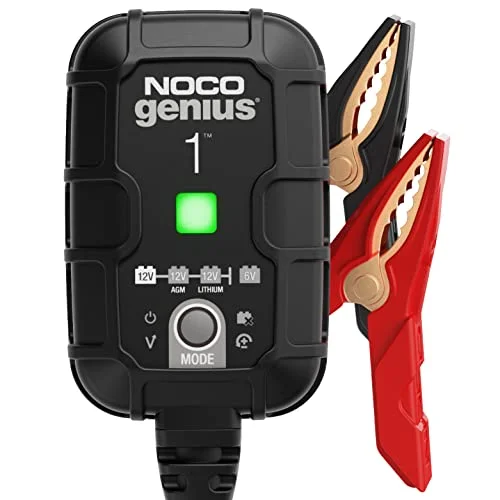
Battery Tender Plus 12V 1.25 AMP Battery Charger and Maintainer: Fully Selectable 6V or 12 |

A smart charger and maintainer for car and powersports batteries that keeps them ready at home.
The Battery Tender Plus 12V 1. 25 AMP charger and maintainer works for powersports and auto batteries. It charges fully then switches to float mode to keep the voltage right without overdoing it. It suits lead-acid, flooded, and sealed batteries like AGM and gel, especially for long storage.
It’s a practical answer if you mean the battery in your garage.
It fits folks who park vehicles for winter or storage. It’s not a fast charger but reliable for maintenance. It doesn’t cover legal stuff. If battery health is your thing, this is a reliable choice.
|
6
|
Enhanced Version Super Sensitive Listen Thru-Wall Contact/Probe Microphone Amplifier Syste |

A sensitive contact mic system for spotting plumbing issues through walls and floors at home.
This amplifier system picks up sounds through walls, ceilings, and pipes. It runs up to 24 hours on continuous monitoring and uses a lithium battery. It works on cement, metal, wood, iron, glass, plastic, and brick. If you’ve got a sneaky leak, it helps find it without ripping things apart.
It’s best for plumbers, persistent leak hunters, or property managers. The listing is private. Adjustments are needed to avoid discomfort in the ears. It’s not legal or related to charges – it’s a tool for home maintenance.
|
7
|
Liberty Imports Flip Over Puppy – Battery Operated Mechanical Jumping Little Pet Dog – Fli |

A battery-powered mechanical dog toy that flips and tricks for kids at home.
The Flip Over Puppy is a battery-operated dog that somersaults, walks, sits, and barks. It takes two AA batteries and suits toddlers and kids. It gives a safe, hypoallergenic pet play option for allergy sufferers. It’s about 7 by 7 by 4 inches, ideal for little hands.
This toy suits parents looking for an interactive pet substitute for young children. It works on carpets and hard floors, performing flips and tricks. One limitation is that batteries are not included, so you need to buy them separately.
It is not a legal guide and will not explain criminal charges. It is simply a fun, engaging toy.
|
8
|
CTobd Universel Obd2 Scanner Diagnostic Tool Battery Tester Car Check Engine Fault Light C |

An OBD2 scanner with built-in battery tester for checking domestic car issues at home.
This CTobd scanner reads and clears trouble codes on OBD2 cars from 1996 onward. It handles all protocols including CAN and works on both domestic and import vehicles. The battery health tester checks your car’s power source. It shows live data and freeze frames with a color screen.
It’s a good DIY option to skip dealer fees. It gives useful data for mechanics and owners. But it might miss some fancy codes. It’s not legal help and has no tie to charges. Solid for basic car diagnostics.
|
9
|
The Years |

A novel exploring memory and time with no connection to battery definitions.
The Years is a novel that looks at personal and historical memories. It doesn’t define domestic battery or any battery tech. You might have seen it if ‘years’ showed up near ‘battery’ in another search. It’s fiction, not a how-to or reference.
It fits readers who like thoughtful literature over legal info. It won’t explain charges or tech. It’s unrelated to the search term, so it won’t help much here. But it could be a nice read if you enjoy it.
These picks touch on different sides of ‘domestic battery’ – legal stuff and home gadgets. Just one hits the criminal charge head-on; the rest play with the words literally. If you’re after legal clarity, the Illinois book stands out.
For everyday battery questions, the charger or leak finder might fit better. Pick what matches your search reason.
What To Do After A Domestic Battery Charge
When a domestic battery charge lands on you or a loved one, the early steps matter. This section shares moves that can help protect your rights and make things smoother.
Stay calm and do not resist arrest, even if you believe you are innocent. Resisting can add charges.
Ask to speak to a lawyer before answering any questions. Clearly state that you want an attorney present.
Do not contact the alleged victim if a no-contact order is in place. Violating it can lead to immediate jail.
Write down everything you remember about the incident as soon as possible, including witnesses and times.
Gather any evidence that supports your account, such as texts, photos, or surveillance footage.
Attend all court dates. Missing a hearing can result in a warrant for your arrest.
- Do not try to explain your side to the police without a lawyer present; anything you say can be used against you.
- Do not assume the charges will be dropped if the victim recants; prosecutors can proceed without their cooperation.
- Do not discuss the case on social media or with friends; those posts can become evidence.
- Do not miss a court date, as it shows disrespect and can lead to additional charges.
- Do not contact the victim through third parties if a no-contact order is active.
How The Legal Process Unfolds
A domestic battery charge kicks off a set of events. Knowing the sequence can ease stress and prepare you. This is a general guide, though it varies by location.
Typical Stages Of A Domestic Battery Case
| Stage | What Happens | Timeline |
|---|---|---|
| Arrest | Police take you into custody and book you. | Day 0 |
| Arraignment | You hear charges and enter a plea. | Within 48-72 hours |
| Pretrial hearings | Lawyers argue motions and exchange evidence. | Weeks to months |
| Plea bargain | Prosecutor may offer reduced charges in exchange for a plea. | Varies |
| Trial | If no plea, case goes to trial by judge or jury. | Months later |
| Sentencing | If convicted, judge imposes penalties. | After trial or plea |
The legal process can drag and feel confusing. Your lawyer will walk you through it, but knowing the overview helps you ask good questions. In many spots, there’s a break before the prosecutor decides on charges. Your lawyer can talk to them then.
Diversion might let first-timers off the hook after counseling or community work. But it’s not sure thing and depends on facts and record. Always go with your lawyer’s guidance over this general talk.
Domestic battery means intentional physical contact with someone in a domestic relationship and comes with serious, state-specific legal consequences. If you’re facing one, the key first move is to reach out to a criminal defense attorney in your area. Don’t hold off until court to start fighting back.
They’ll clarify the meaning in your state and guard your rights right away.

- 10 Best Battery For Generator Ev Battery Bank Marine 2026 - October 27, 2026
- 10 Best Battery For Generator Ev Battery Bank Lto 2026 - October 27, 2026
- 10 Best Battery For Generator Ev Battery Bank Low Voltage 2026 - October 27, 2026