Which Battery Has The Most Voltage?
When you’re hunting for the battery with the highest voltage, the answer hinges on chemistry, how cells are arranged, and what you need them for. A single cell’s voltage is set by its chemistry , alkaline stays around 1. 5V, lithium hits 3. 2V to 3.
7V, and lead-acid hovers near 2. 1V. But wire multiple cells in series, and you multiply that baseline. That’s how you get 36V and 48V packs.
In this guide, I break down how voltage stacks up across different configurations and spotlight products that either deliver or keep high-voltage systems running smoothly.
Why Voltage Varies Across Battery Types
Recommended Products


To understand which battery packs the most voltage, you need to grasp how chemistry and cell arrangement play together. Each rechargeable or disposable cell produces a set nominal voltage, and stacking them in series is how you reach those higher totals. Below is the foundation of how voltage is built.
Every battery chemistry has its own voltage floor. Alkaline and zinc-carbon cells sit at roughly 1. 5 volts each. Nickel-based rechargeables like NiMH or NiCd produce about 1. 2 volts. Lead-acid , whether flooded, AGM, or gel , clocks in around 2. 1 volts per cell.
Lithium types vary: standard Li-ion lands between 3. 6 and 3. 7 volts, while LiFePO4 edges a bit lower at 3. 2 volts. Multiply these base values by connecting cells in series, and you’re heading into the territory of 36V, 48V, and beyond.
Nominal Voltage by Chemistry
| Chemistry | Voltage Per Cell | Typical Use |
|---|---|---|
| Alkaline | 1.5V | Remotes, clocks |
| NiMH | 1.2V | Rechargeable AA |
| Lead-Acid | 2.1V | Car batteries |
| Li-ion | 3.6V | Phones, laptops |
| LiFePO4 | 3.2V | Solar, EVs |
How Series Configuration Raises Voltage
Tossing cells in series simply adds their voltages together, which is why a traditional car battery , six lead-acid cells , sits at 12. 6 volts, and why electric vehicles push into the hundreds. It’s pure arithmetic, but the implications are huge. Series wiring doesn’t boost capacity; it ramps voltage.
That distinction shapes how you size and manage high-voltage systems.
- Connect cells in series to raise voltage, not capacity
- Each series cell must have matching voltage and capacity
- Use a BMS to balance and protect multi-cell packs
- Voltage adds linearly: two 12V cells equal 24V total
- Parallel connections increase capacity, not voltage
- Check individual cell health before series assembly
- Ensure all connectors and insulation handle total voltage
Voltage in battery packs scales directly with how many cells are wired in series. A two-cell Li-ion pack reaches 7. 2 volts, while a twelve-cell setup hits 36 volts.
High-voltage systems like forklifts, electric vehicles, or solar banks use many series-connected cells to achieve voltages of 48V, 72V, or even hundreds of volts. Capacity stays tied to parallel groups, so total energy grows in both directions when cells are arranged in series and parallel arrays.
High-Voltage Batteries That Deliver More Voltage
Below are the products that directly tackle the question of voltage delivery. You’ll find everything from single-cell 12V AGM units to 48V lithium packs, plus chargers and power banks that keep those voltages stable or regulated.
Each pick is grouped by how it pushes voltage , whether through chemistry, series configuration, or active regulation.
|
1
|
Beleeb C20 Adjustable Battery Charger 12V 24V 36V 48V, 12A Pulses of High-Voltage Battery |

With support for 12V through 48V systems, the Beleeb C20 is a must-have for maintaining high-voltage battery packs safely and efficiently.
The Beleeb C20 Adjustable Battery Charger spans the spectrum from 12V to 48V, making it a go-to for anyone managing higher-voltage battery systems. Its intelligent charging program reads battery status and adjusts voltage and current accordingly.
Dual modes , normal and pulse high-voltage “H” , let you fine-tune charging or run desulfation cycles.
This unit plays well with lead-acid, AGM, gel, LiFePO4, and other lithium chemistries across cars, RVs, golf carts, and marine setups. You get overload protection and 24/7 operation capability. Just be mindful when hooking lithium batteries without a built-in BMS , extended sessions need oversight.
|
2
|
ML-U1-CCAHR -12 Volt, 320 CCA, Nut and Bolt (NB) Terminal, Rechargeable SLA AGM High Rate |

The ML-U1-CCAHR is a 12V AGM unit that pairs solid voltage delivery with high cranking amps for tough starting jobs.
The ML-U1-CCAHR packs 12 volts and 320 CCA into a sealed AGM design that’s ready to roll in any orientation. It handles high discharge rates and bounces back from deep cycling, making it a reliable standby for equipment that needs punch without fuss.
At 7.75 x 5.11 x 6.25 inches, it fits tight spots with its positive-left, negative-right layout. It’s a common swap for Craftsman and Cub Cadet mower batteries, but you’re on your own for wire harnesses or mounts , those aren’t included.
|
3
|
Goodyear GYTX12-12 Volt 14 AH, 190 CCA, Rechargeable High-Performance, Maintenance Free, S |

At 12 volts and 190 CCA, the Goodyear GYTX12 keeps ignition systems strong even when the weather turns rough.
The Goodyear GYTX12 is built for small engines that demand reliable 12-volt starts, from motorcycles to ATVs. It’s a sealed AGM cell that shrugs off maintenance and can be mounted almost anywhere , just don’t flip it upside down.
A compact 5.90 x 3.30 x 5.10 inches, it sports obvious polarity markings for quick installs. Certified to ISO and CE standards, it holds its voltage steady through temperature swings and delivers deep-discharge recovery without needing electrolyte top-offs.
|
4
|
GP Super 23A 12V High Voltage Alkaline Battery (Pack of 5) |

These GP Super 23A alkaline cells push 12 volts in a tiny package, setting a surprising high mark for household alkaline power.
The GP Super 23A isn’t your standard AA-sized alkaline , it’s a 12-volt pack of five high-voltage cells crammed into a format meant for remote control vehicles and similar low-current gear.
Weighing just 7.95 grams each, they’re lightweight and easy to swap. They’re designed for single-use scenarios where voltage consistency matters more than cycle life. If you’re feeding 12V circuits in hobby rigs, these deliver without the heft of larger packs.
|
5
|
Talentcell PB240B1 High Capacity Portable Power Bank, 155Wh Multi-Voltage Output Power Sup |
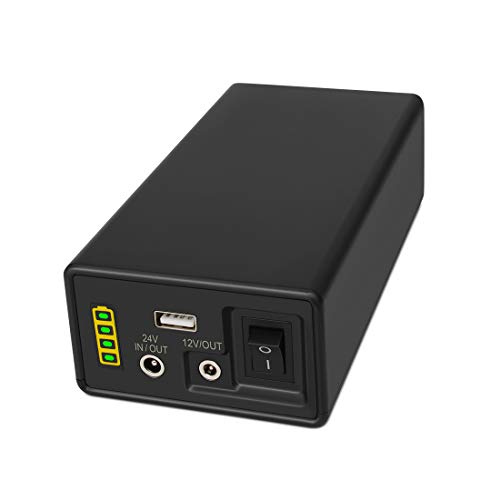
The Talentcell PB240B1 jumps to 24V output, giving users a direct high-voltage feed for lights, cameras, and other gear that runs above standard 12V.
The Talentcell PB240B1 is a 155Wh power bank that actually outputs 24V DC (with a 12V alternative), letting you jump a step above typical portable power. It also offers 5V USB for smaller devices.
At 42,980 mAh and a 3.63V cell configuration, it can run LED strips, CCTV gear, or a Starlink Mini. Safety features check out , overcharge, overdischarge, short circuit protection all in play. Just note that the 24V port wobbles a bit under heavier loads.
|
6
|
Futurebatt High-Output Multi Volt 6.0Ah/3.0Ah Battery for Metabo HPT 36V/18V MultiVolt Lit |

Delivering 36V from a lithium pack, the Futurebatt hits that sweet spot for users who need more punch than standard 18V tools provide.
The Futurebatt 6.0Ah/3.0Ah battery throws 36V and 18V options at Metabo HPT users who want more torque and runtime. It’s a direct OEM swap for several slide-style battery part numbers in that 36V ecosystem.
Li-ion cells inside mean no memory effect and strong discharge capability. A four-light LED array keeps you posted on remaining charge , no guesswork mid-job. The 12-month guarantee is a decent cushion if you’re putting this through its paces on a daily basis.
|
7
|
4Ah Replacement Compatible for Dewalt 20V MAX Battery with High Capacity | 【3-Year Warrant |

Pushing 20 volts with smart charging support, this replacement battery stays aligned with DeWalt’s high-voltage tool line.
This 4Ah replacement for DeWalt 20V MAX batteries uses Grade A+ cells and a fourth-gen smart chip to maintain steady 20-volt output. It’s built for users who need a reliable second battery or a cost-effective alternative.
It slots into DCB200 through DCB206 chargers and tools without a hitch. A nine-layer protection suite , overcharge, temperature, short circuit guard , helps it stay safe during rapid charging at 4A or under load.
|
8
|
Next-Gen Battery – Updated Design 2026, 1300 mAh, USB-C Fast Charging, LED Display, 5 Volt |
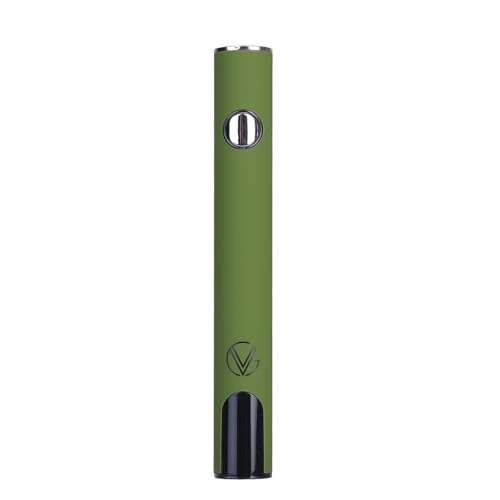
The RANGER MOSS delivers adjustable voltage across a 2.1V to 3.7V range, giving solder kits and heaters fine-grained control.
The Next-Gen RANGER MOSS packs 1300 mAh into a unit with five selectable voltage modes, spanning from 2.1V all the way up to 3.7V. A built-in LED display tracks voltage and battery life in real time.
Its 510-threaded tip accepts standard soldering and heating attachments, making it handy for field repairs or small workshop tasks. USB-C input lets you juice it from a laptop power block in as little as an hour, supporting charge-and-use workflows.
|
9
|
Mighty Max Battery YTX24HL-BS -12 Volt 21 AH, 350 CCA, Rechargeable Maintenance Free SLA A |

At 12 volts and 350 CCA, the Mighty Max YTX24HL-BS keeps motorcycle starting circuits robust, even in chillier conditions.
The Mighty Max YTX24HL-BS is a 12V, 350 CCA AGM battery aimed at powersports vehicles that need a solid spark. It handles vibration and cold-cranking demands better than many entry-level options.
Measuring 8.07 x 3.42 x 6.37 inches with negative-left polarity, it includes mounting screws for secure placement. A year-long warranty backs its resilience against shock and temperature swings , rare for this price tier.
|
10
|
7.5Ah High Capacity Replace for Ryobi 40-Volt Battery, LED Indicator, 2Pack |

At 40 volts and 7.5 amps, this Ryobi replacement delivers high-voltage capacity for cordless tools that go beyond the typical 20V world.
The 7.5Ah 40V replacement battery adds serious oomph to Ryobi’s 40V ecosystem, offering 7500 mAh and 300Wh of energy. It’s meant for users who need longer runtimes on trimmers, saws, and other outdoor tools.
It fits OP4050A, OP4015, and related 40V Ryobi models, with an LED indicator to warn when charge is running low. Internal protection circuits guard against overheating and overvoltage , a must for anyone pushing heavier-duty tools.
These options span voltage tiers from single-cell 12V AGM and alkaline units up to 36V and 40V lithium packs. Some focus on charging high-voltage packs, others deliver them outright.
Whether you’re sparking an engine, running a power bank, or feeding a cordless tool, there’s a voltage ladder here that matches the need.
Balancing Voltage and Safety in Real Applications
Higher voltage means more power potential, but it also raises the stakes if something goes sideways. Handling high-voltage systems demands a bit more care than poking a 12V AA holder, so don’t skip the basics.
Verify the battery voltage matches the device requirement
Install a BMS for multi-cell lithium packs
Use appropriate connectors rated for total voltage
Monitor temperature during charging and operation
Store batteries at partial charge in cool, dry areas
Replace damaged cells immediately to prevent failure
Voltage sag is the first sign that a battery is nearing the end of its rope. As cells age, they lose the ability to hold a full charge, and their open-circuit voltage drops accordingly. Lithium BMS units help by cutting off discharge before permanent damage sets in.
Lead-acid systems benefit from periodic equalization to rebalance weak cells. Store lithium batteries at 40 to 60 percent charge for long-term storage, and measure open-circuit voltage every few months to catch early degradation before it compounds.
Maintaining Peak Voltage Over Time
Voltage drops as batteries age, discharge, or face poor charging conditions. Maintaining peak voltage requires consistent care, correct charging voltage, and replacing cells before failure.
Common Voltage Problems
| Issue | Voltage Symptom | Action |
|---|---|---|
| Overdischarge | Voltage drops below cutoff | Recharge immediately |
| Cell imbalance | Total voltage lower than expected | Use BMS and balancer |
| Old age | Gradual voltage decline | Replace entire pack |
| Cold temperature | Voltage temporarily reduced | Warm battery before use |
| Loose connections | Voltage drops under load | Tighten terminals |
Maintaining voltage performance demands vigilance. Deeply discharging lithium or lead-acid batteries below their cutoff voltage damages cells permanently, reducing both capacity and output voltage. Regular equalization charges restore balance in lead-acid systems. Lithium BMS units prevent overdischarge automatically. Storing batteries at 40 to 60 percent charge preserves voltage retention.
Measuring open-circuit voltage periodically helps detect early cell degradation before total failure occurs.
The title of ‘highest voltage’ really depends on how you look at it. A single alkaline cell won’t beat a 48V lithium pack, but a well-managed 48V system can clear most household and workshop needs.
Match the voltage to your device’s specs, use a proper charger, and keep an eye on how things feel under load. When in doubt, test with a multimeter before you plug in.

- 10 Best Battery For Generator Ev Battery Bank Marine 2026 - October 27, 2026
- 10 Best Battery For Generator Ev Battery Bank Lto 2026 - October 27, 2026
- 10 Best Battery For Generator Ev Battery Bank Low Voltage 2026 - October 27, 2026