
Difference Between Agm And Gel Battery
A single wrong charger setting can ruin a sealed lead-acid battery in weeks, so charging profile matters more than brand hype. The spec that matters most is the recommended charging voltage and allowable charge current. A common mistake is using a generic charger; first check the battery label for type (AGM or Gel) and the exact charging voltage.

Difference between AGM and Gel battery: AGM has electrolyte absorbed in glass mats, Gel uses silica-thickened electrolyte. AGM accepts higher charge and discharge rates, Gel handles slow deep discharges and vibration better. Both are sealed lead-acid types with 2V cells, so a 12V battery has six cells.
What are AGM Batteries?
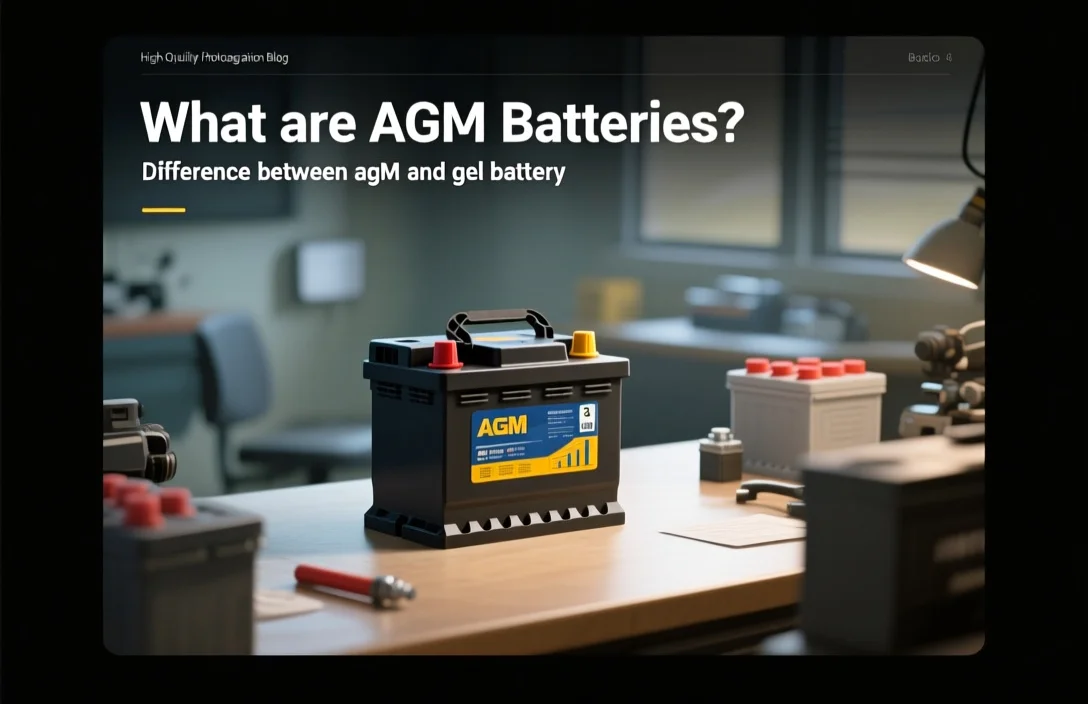
An AGM battery is a sealed lead-acid battery that uses absorbent glass mats placed between the lead plates to hold the electrolyte in place, so the acid cannot slosh or leak. AGM cells are valve-regulated, recombine most gassing internally, and deliver lower internal resistance for higher surge currents than typical flooded lead-acid cells.
Construction Details
Inside an AGM battery, thin fiberglass mats sit directly against the positive and negative plates and soak up the sulfuric acid electrolyte. That arrangement keeps the plates wet but immobilizes the liquid, which lets the case be sealed and reduces maintenance.
AGM batteries have a pressure-relief valve, and the internal design encourages recombination of oxygen and hydrogen back into water during normal charging, so you rarely add water. The sealed construction reduces corrosion and off-gassing under normal conditions, but the cells remain sensitive to overcharge and high temperature, which can cause permanent capacity loss.
| Characteristic | Typical AGM Behavior |
|---|---|
| Sealing | VRLA, spill-proof, can be mounted short-term on side but manufacturer guidance matters |
| Internal resistance | Low, supports high current pulses for starting or inverters |
| Maintenance | Low, no regular watering under normal use |
Common Uses
AGM batteries are common where compact, sealed power is needed and high surge current is important, for example starter batteries, UPS systems, small inverters, and many marine and RV starting circuits. They are often chosen when vibration resistance and a sealed package matter.
For renewable or deep-cycle use, AGM can work but usually trades off cycle life compared with purpose-built deep-cycle batteries. If your system needs frequent deep discharges, check the manufacturer’s cycle-life specification and use a charge controller or charger with an AGM setting.
Safety note: swollen or hot AGM cells indicate overcharge or internal failure, stop using the battery and inspect with care, and replace if physical deformation appears.
What are Gel Batteries?
Gel batteries utilize a silica-based gel to suspend the electrolyte, creating a stable environment for the lead-acid chemistry. This design allows for safe operation in various orientations, making them ideal for applications where traditional batteries might leak or spill.
Common uses for gel batteries include renewable energy systems, such as solar power installations, marine applications, and backup power sources for homes or recreational vehicles (RVs). Their ability to withstand deep discharges also makes them suitable for applications requiring reliability and longevity.
Construction Details
The construction of gel batteries involves the following components:
Common Uses
Gel batteries are particularly favored in environments that require resilience and minimal maintenance. Here are some typical applications:
For instance, many RV owners prefer gel batteries because they can be mounted in any position without concern for leaking, providing a reliable power source during extended trips.
Gel batteries are often recommended for applications where safety, longevity, and deep discharge capabilities are essential.
Performance Metrics Comparison
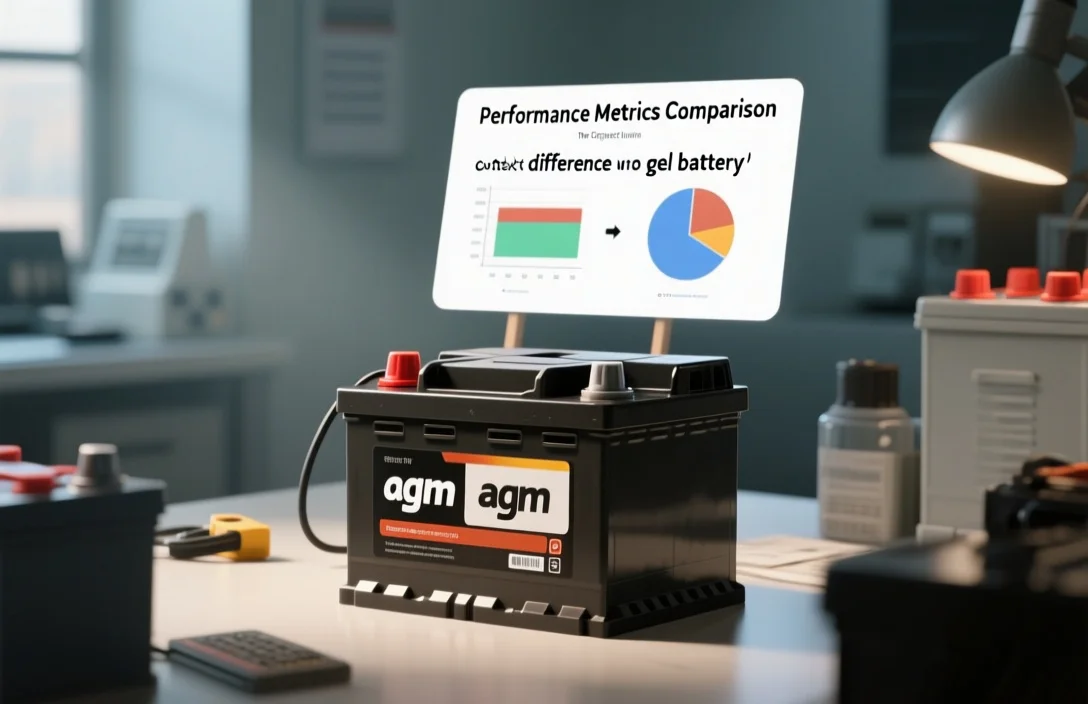
AGM batteries typically offer a longer lifespan compared to gel batteries, with cycle lives often exceeding 1000 cycles for AGM versus 500 to 800 for gel types. Charge efficiency is generally higher in AGM batteries, allowing for quicker recharges, while gel batteries may provide better safety in extreme conditions due to their thicker electrolyte gel.
Lifespan Comparison
AGM batteries generally last longer than gel batteries in most applications. The typical lifespan for an AGM battery can reach up to 7-10 years, while gel batteries usually last around 4-6 years. This difference is largely due to the construction; AGM batteries have a more robust design that withstands deeper discharges and can handle higher temperatures better.
Charge Efficiency
Charge efficiency is a crucial metric when comparing AGM and gel batteries. AGM batteries can be charged at a higher rate, often achieving up to 90-95% efficiency, whereas gel batteries typically reach around 80-85% efficiency. This means AGM batteries can recharge faster, which is beneficial in time-sensitive applications.
Discharge Capabilities
AGM batteries are better suited for high discharge rates, making them ideal for applications like starting engines or powering high-drain devices. Gel batteries, on the other hand, perform well under lower discharge rates and are often used in applications where slow discharge is more common, like backup power systems. However, gel batteries are more sensitive to over-discharge, which can damage their cells permanently.
| Metric | AGM Batteries | Gel Batteries |
|---|---|---|
| Lifespan | 7-10 years | 4-6 years |
| Charge Efficiency | 90-95% | 80-85% |
| Discharge Rate | High discharge capability | Better for low discharge rates |
Advantages of AGM Batteries
AGM batteries use glass-mat separators that hold electrolyte against the plates, which makes them tougher to vibration, allows faster charge acceptance, and keeps them sealed so they do not need water top-ups. They generally recover faster from deep discharges and require less routine maintenance than flooded lead-acid and many gel designs.
For example, an RV with a high-output alternator and frequent engine starts will usually benefit from AGM’s tolerance for vibration and higher charge currents, provided the vehicle’s charging system is set to the battery maker’s recommended bulk and float voltages. If the charge profile is wrong, even sealed batteries can fail prematurely.
Trade-offs remain: AGMs can be more sensitive to sustained high temperatures and to prolonged overcharge than some gel types, so match battery type to the environment and confirm charger settings on the spec label. Check labels for charge voltages, maximum charge current, and temperature compensation, avoid damaged cables and cheap chargers, and stop using any battery that shows swelling, overheating, or electrolyte smell.
Advantages of Gel Batteries
Gel batteries use a silica-thickened electrolyte that is immobilized inside the cell, and that gives them stronger deep-discharge tolerance and reduced risk of leakage compared with many AGM designs. Their sealed construction also makes them safer in upright and enclosed installations where acid spills and electrolyte migration are a concern.
Gel batteries trade some peak current capability for these advantages, because internal resistance can be higher than AGM, so they are better when the application calls for steady discharge and steady charging rather than very high crank or inverter surge loads. That is a practical trade-off to weigh when choosing between gel and AGM for a given system.
For example, in an off-grid solar bank where daily deep cycling and exposure to heat are common, a gel battery can give more reliable long-term capacity if the charge controller is programmed for gel charge voltages and the array provides steady bulk charging. If your charger uses an AGM or flooded profile, you must change settings or use a charger that lists gel specifically.
Practical checks: read the battery label for “GEL”, verify the recommended bulk and float voltages on the spec sheet, ensure temperature compensation is available, and never mix gel with other battery chemistries in the same bank. Watch for swelling, overheating, or unusual venting, and stop use and inspect if those appear, since correct charging is the single biggest safety requirement for gel cells.
Disadvantages of AGM and Gel
Both AGM and gel batteries are more expensive per usable amp-hour than flooded lead-acid and have charging and temperature sensitivities that can shorten life if managed poorly. Each type is less forgiving than modern lithium chemistries for deep, high-cycle use and requires specific chargers and maintenance to avoid permanent capacity loss.
Cost Considerations
Upfront cost for sealed AGM and gel batteries is higher than basic flooded lead-acid units, and that premium does not always pay off when you count replacement frequency under heavy use. Total ownership cost depends on cycle depth, charging quality, and operating temperature, and in many heavy-cycle applications the cheaper flooded type or a lithium option will cost less over time. Always inspect spec sheets for stated cycle life, recommended charge voltages, and temperature ranges because those specs determine whether the higher purchase price will actually deliver lower long-term cost.
Performance Limitations
Both types have clear limits on charge voltage, charge rate, and temperature, and those limits affect usable capacity in the field. Gel batteries are particularly sensitive to overvoltage, which can create irreversible gas pockets inside the gel, while AGM tolerates higher charge currents but still ages faster when kept at float voltages that are too high for long periods. Deep discharges reduce cycle life for both, internal resistance rises with age lowering effective capacity, and check for swelling, overheating, or leaking and stop using any battery that shows those signs.
| Disadvantage | AGM | Gel |
|---|---|---|
| Cost per amp-hour | High | Very high |
| Charge sensitivity | Tolerates higher currents but sensitive to overvoltage | Very sensitive to overvoltage and wrong charge profile |
| Temperature performance | Capacity drops in cold, heat shortens life | Similar thermal limits, can be worse if charger not adjusted |
| Deep discharge recovery | Recovers but with reduced cycles | May recover poorly after severe discharge |
Safety reminder: never mix battery types, avoid cheap chargers, and remove batteries that are hot, swollen, or leaking immediately.
For example, a solar setup with large daily depth of discharge will show the cost trade-off quickly, because the higher initial cost of AGM or gel can be offset by more frequent replacements if the system cycles deeply. In contrast, for occasional backup use the sealed designs can be worth the premium, but only if charger voltage and temperature compensation match the battery type.
Best Applications for AGM and Gel
AGM batteries are generally better when you need higher charge and discharge rates, frequent cycling, or starting current; Gel batteries are better for long float service and low, steady discharge when the charging system can hold a lower, precise voltage. Your choice should match the system’s charge profile, duty cycle, and how tolerant you are of strict charging requirements.
Solar Power Systems: AGM usually wins for off-grid and hybrid solar where panels, inverters, and alternators produce variable current and you need good charge acceptance. AGM handles partial state-of-charge cycling and short recharge windows better, so it fits systems with loads that draw bursts of power.
For example, if your solar array charges through an MPPT controller and you run an inverter for appliances intermittently, AGM gives more forgiving performance. Gel can work for solar, but the charge controller must be set to gel-specific voltages and avoid overcharge, otherwise capacity will drop.
RVs and Marine: AGM is the common choice for RV house banks and marine dual-battery setups because it tolerates vibration, higher alternator charge rates, and mixed-use duty where starting and deep cycle functions share space. It is also easier to replace with standard charging equipment at marinas and service centers.
For instance, if you rely on alternator charging and shore power that may supply quick top-ups, AGM reduces the risk that a higher charge voltage will damage the battery. Choose Gel if you operate long periods at low current draw and you can guarantee a gel-compatible charger.
| Application | Recommended Type | Why | Charger Note |
|---|---|---|---|
| Off-grid solar with variable load | AGM | Better charge acceptance and tolerance for partial SOC | Standard VRLA profile usually OK |
| Remote float backup (long storage) | Gel | Stable over long float if charged correctly | Lower float voltage, avoid regular overcharge |
| RV / Marine mixed use | AGM | Handles alternator charging and vibration well | Works with typical alternator/charger settings |
| UPS and high-peak draw backup | AGM | Delivers high instantaneous current reliably | UPS manufacturers often specify AGM |
If you need forgiving, higher-rate charging and mixed duty choose AGM; if you need long-term float in a controlled-charge environment choose Gel.
Maintenance Tips for Both Types
Proper maintenance for AGM and Gel batteries ensures longevity and reliable performance. Both types require specific charging practices and storage recommendations to maintain optimal health.
Charging Practices
AGM batteries can accept a higher charge rate compared to Gel batteries, making them suitable for faster charging applications. However, both types need a compatible charger to prevent damage.
Storage Recommendations
Both AGM and Gel batteries benefit from proper storage conditions. Keeping them in a stable environment prolongs their lifespan.
To maximize performance, regularly check the voltage and ensure batteries are charged properly if stored for extended periods.
| Battery Type | Charging Voltage | Storage Temperature |
|---|---|---|
| AGM | 14.4 – 14.7 V | 0°C to 40°C |
| Gel | 13.8 – 14.1 V | -10°C to 30°C |
Regular maintenance checks and adherence to these guidelines can help ensure that both AGM and Gel batteries perform effectively for their intended applications. Proper handling and care can make a significant difference in their operational lifespan and reliability.
Quick Summary
AGM and gel are sealed lead acid types, differing mostly by electrolyte immobilization and charging voltage/charge profile requirements.
Frequently Asked Questions
What is the main difference in cost between AGM and gel batteries?
AGM batteries are generally less expensive than gel batteries, with prices typically ranging from $100 to $300 for AGM, while gel batteries can cost from $150 to $400. This price difference can influence your decision based on budget constraints.
How do AGM and gel batteries differ in terms of heat tolerance?
AGM batteries can handle higher temperatures better than gel batteries, with a tolerance range typically up to 140°F (60°C). In contrast, gel batteries are more sensitive to heat and can degrade faster when exposed to high temperatures.
What is the expected runtime difference between AGM and gel batteries?
The runtime can vary based on usage, but AGM batteries often provide more discharge cycles compared to gel batteries, resulting in longer operational times before needing a recharge. Always check the specific cycle life ratings for accurate comparisons.
Are there safety concerns when using AGM versus gel batteries?
Both battery types are considered safe, but AGM batteries have a lower risk of leaking since they are sealed, while gel batteries can be more prone to swelling if overcharged. Proper charging practices are essential to ensure safety with any battery type.
When should I replace my AGM or gel battery?
Typically, you should consider replacing your battery after 3 to 5 years of use, depending on the type and how often it is cycled. Keep an eye on performance signs like reduced capacity or difficulty holding a charge to determine the right time for replacement.

- Home Solar Battery Backup Systems: Cost-focused Guide And Top Picks - July 29, 2026
- Rechargeable 9v Batteries With Usb-c Charging For Smoke Detectors And Tools - July 29, 2026
- Top 10 Best Solar Backup Batteries Austin 2026 - July 28, 2026