How Long Do Batteries Last In A Prius?
Prius hybrid battery life is one of those topics where the answer depends more on heat and how the car is used than on “miles only.” A lot of owners ask “how long do batteries last in a Prius?” because they are choosing coverage, troubleshooting warning lights, comparing replacements, or planning maintenance. You’ll get realistic life expectations, how to spot real degradation, and the safest next steps to estimate remaining life.
Hybrid batteries in a Prius typically last 8 to 15 years (often in the 100,000 to 200,000 mile range), but hot climates and frequent high battery state-of-charge use can shorten life. Cooler driving and moderate temperatures usually help. Warning lights, range drops, and diagnostic codes guide whether you need testing or replacement.
How Long Do Batteries Last In A Prius?
Recommended Products


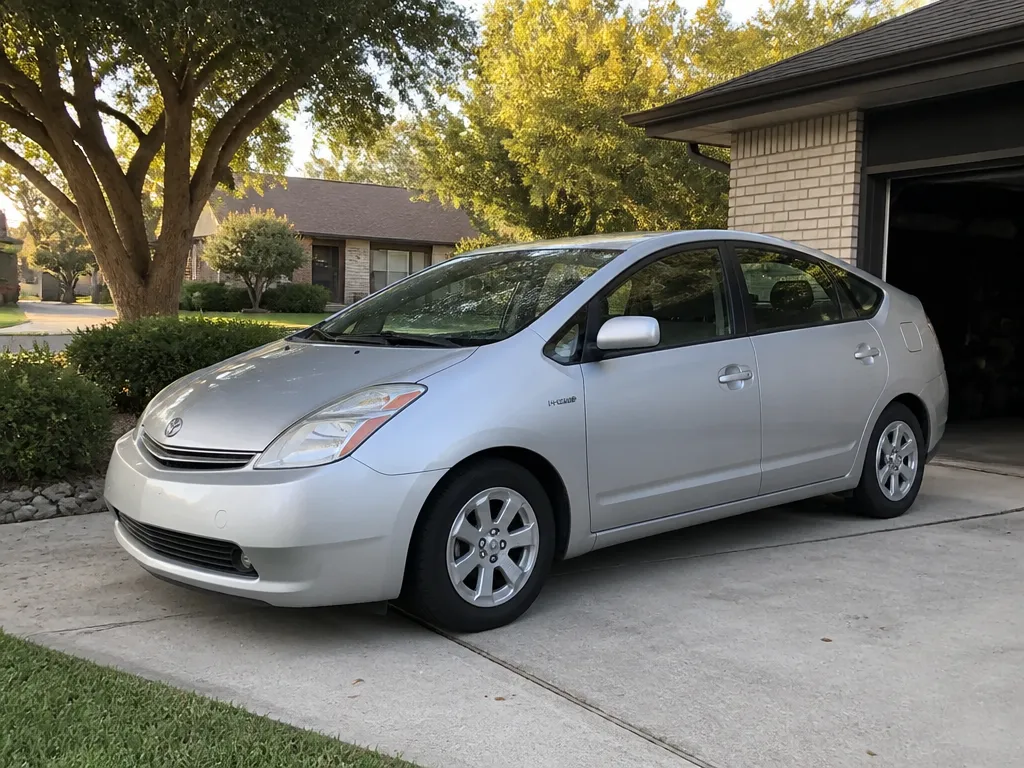
Prius hybrid battery packs commonly last about 8 to 15 years, which often lines up with roughly 100,000 to 200,000 miles depending on conditions. “Last” usually means the battery continues working well enough for normal hybrid operation, then later reaches a point where performance drops and replacement becomes more likely than repair.
In practice, many Prius owners only “notice” aging when the car shows more frequent hybrid system cycling, reduced assist, or earlier transitions between electric and engine power. End of life can also mean the battery still runs, but the car triggers warning lights or diagnostic trouble codes that point to battery deterioration. In those cases, the decision is usually based on repair cost versus the risk of recurring faults.
Typical Lifespan Windows (What “End Of Life” Looks Like)
Hybrid packs rarely fail like a phone battery that suddenly dies. Aging usually shows up as lower usable capacity (the car can’t pull as much electric assist), higher internal resistance (the car limits power delivery), or cell imbalance (some modules lag others). A “replacement” event often happens when the warning indicators come back after clearing, when power is restricted, or when the battery health readings show persistent decline. Before spending money, use a professional scan of hybrid system data, including battery health metrics, and compare the results with the vehicle’s symptoms and trend rather than relying only on age or mileage.
Heat accelerates wear because battery chemistry and module electronics take more stress at higher temperatures. Cold weather can also worsen the day-to-day experience because the pack may spend more time warming up, which can look like reduced electric capability even when the pack is not permanently damaged.
| Prius battery life stage | Likely timeframe (years) | Likely mileage (miles) | What you typically notice |
|---|---|---|---|
| Healthy service range | 0 to 10+ | 0 to 150,000+ | Normal hybrid assist, no recurring battery-related warnings |
| Aging with occasional symptoms | 8 to 14 | 100,000 to 180,000 | More frequent battery management activity, reduced assist on climbs or at low speeds |
| End of life (replacement often considered) | 10 to 15+ | 140,000 to 220,000+ | Recurring warning lights or diagnostic results that point to battery deterioration |
| Failure or near-failure event | Any time after decline starts | Often after 150,000+ | Hybrid system faults, limp or power limits, repeated trouble codes |
For example, one owner may replace around 120,000 miles due to repeated warnings and poor diagnostic scores, while another sees little change until 200,000 miles because their driving is gentler and the car stays cooler. The spread is why “miles” and “years” each matter, and why it helps to evaluate the pack’s current trend instead of relying only on age.
Why Estimates Vary By Generation And Climate
Prius generation, battery pack design, and how the battery management system balances modules all influence how long capacity holds up. Regional temperature matters because sustained heat raises internal degradation, while frequent stop-and-go that keeps the pack in active charge and discharge can also raise total stress.
Driving style affects how hard the pack works. Aggressive acceleration, frequent steep climbs, repeated high power demands at low speeds, and allowing the battery to run hot can shorten life, while smoother driving and moderate thermal conditions tend to improve the odds.
Prius Generation And Battery Type
Recommended Products


Prius hybrid packs come in two broad chemistries by generation era: older hybrids mostly use a nickel-metal hydride (NiMH) traction battery, while later Prius generations may use either nickel-metal hydride or lithium-ion (Li-ion) traction batteries, depending on model, trim, and market. The chemistry affects how capacity loss and temperature stress appear over time.
NiMH Prius hybrid packs generally age by losing performance gradually as internal resistance rises and individual cells drift. This shows up as reduced usable assist or shorter electric-only feel, but outright failure can still happen, especially with long-term overheating or corrosive damage in the pack environment. NiMH tends to be tolerant of many charge-discharge cycles, so pattern aging is often slower than the most aggressive failure modes.
Li-ion Prius hybrid packs generally age by capacity fade, where the car can still charge and discharge but the battery stores less energy. Lithium packs are also more sensitive to high temperatures and can develop protective limits earlier if the battery management system detects stress.
In practice, you often see capacity loss first (how much electric assist you get), then reduced high-load performance, and only later any “hard failure” that triggers safety interventions.
| Prius era / clues | Common traction battery type | Typical “aging” pattern | More common failure mode |
|---|---|---|---|
| Older generations (early hybrid era) | NiMH | Gradual performance drop, higher internal resistance | Cell weakness, heating-related degradation |
| Later generations (modern hybrid era) | Li-ion or NiMH, depending on model and market | Progressive capacity loss, reduced electric assist | Temperature-stressed degradation and protective limits |
Model-year clues matter because the “what chemistry is in my Prius?” question is usually answered by generation and sometimes by market variations. The most reliable method is to check your VIN or the exact model code in Toyota documentation, because two cars with the same exterior generation can differ by region or options.
For practical identification, look for these clues during ownership checks: the hybrid system warning history in your maintenance records, any dealer notes about “battery type,” and scan-tool readouts that may label the battery as NiMH or Li-ion. When a shop says the pack is NiMH or Li-ion, ask them to show the scan report label or the service record entry tied to your VIN.
Temperature exposure is a chemistry amplifier. Hot climates and repeated high-load driving tend to accelerate Li-ion capacity fade, while NiMH can age faster when heat and poor cooling are persistent. Driving style changes help a little for day-to-day stress, but chemistry sets the baseline aging shape.
Degradation Vs Failure Symptoms
Recommended Products


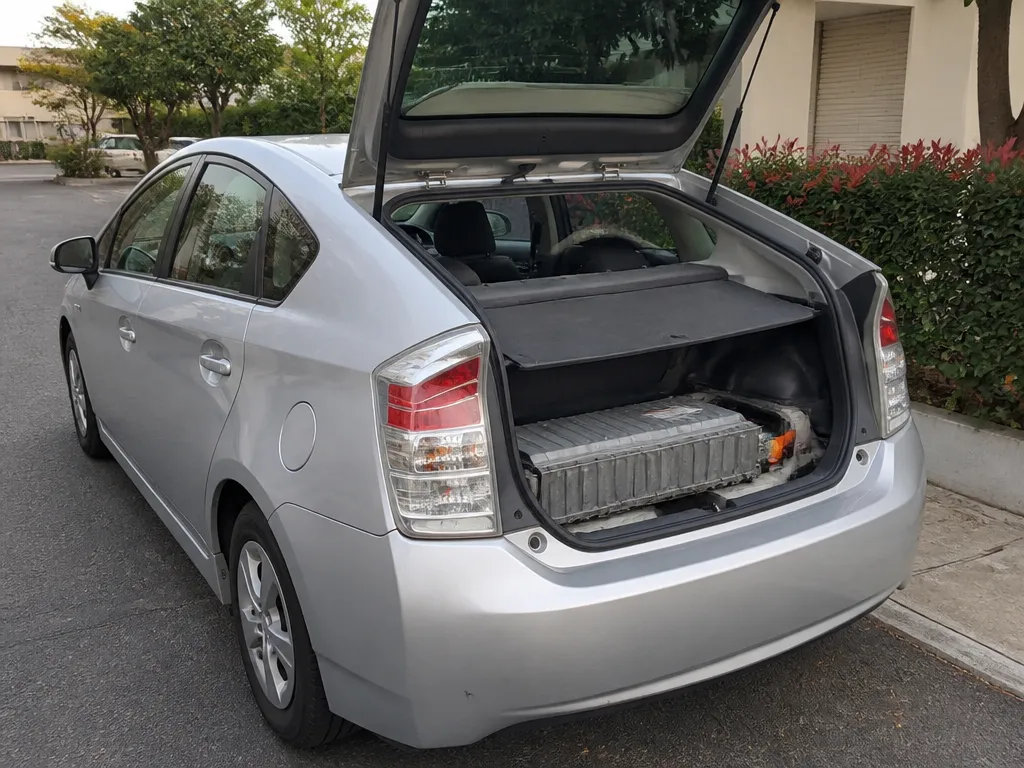
Battery degradation in a Prius usually shows up as reduced usable capacity and weaker performance under heavy loads, while true failure tends to trigger hard faults, repeated shutdowns, or escalating warning behavior. A degrading pack often makes the car feel “less strong” over time, whereas a failing pack usually forces the hybrid system into protection mode and flags multiple diagnostic issues.
Capacity Fade Versus Hard Faults
Capacity fade is the slow loss of effective energy in the hybrid battery due to heat exposure, time, and charge-discharge stress. Symptoms are gradual: reduced electric-only ability, smaller gains from regenerative braking, and less buffer when starting from a stop. Regeneration can also feel less enthusiastic because the battery cannot accept as much charge current.
Cell-level faults are different because they can create imbalance inside the pack, pushing the system to limit power, throttle regen, or disable the battery segment. Cell imbalance may show up as intermittent behavior, where the car sometimes runs normally and later becomes restricted after longer highway driving or a hot soak. When protection triggers, the car prioritizes safety and you may see abrupt changes in power delivery or charging behavior.
How Prius Warnings Differ From Performance-only Decline
Performance-only decline is common with aging: the hybrid system still works, but it has less stored energy available, so the car relies more on the engine and feels less willing to stay in electric drive. Warning codes and dashboard lights are more typical of faults that the car can detect, such as module imbalance, temperature issues, or sensor readings out of range.
In practice, the biggest clue is whether warnings escalate with time or temperature. A degrading pack may produce fewer or no lights until limits are reached, while a failing pack often triggers sooner, comes with multiple related messages, and can persist after driving attempts.
For example, a battery warning that appears, clears briefly, then returns after a hot drive often points to a fault condition rather than pure capacity loss.
Next step logic: if symptoms are gradual and warnings are absent or minimal, plan a health check. If warnings appear and recur with restrictions, treat it as a fault path and arrange professional battery inspection promptly.
Lifespan Factors That Matter
Recommended Products


Prius hybrid batteries usually age from a mix of heat, time spent at high charge, and how often the pack goes through moderate to deep cycling.
In practice, a pack can last a long time under gentle conditions, while the same model and battery chemistry can wear faster when it spends years in hot under-hood environments and frequent short trips. The biggest “why it varies” drivers are temperature and the amount of useful charge cycling, not charging speed.
Under-hood heat and long hot-idle sessions raise battery aging risk because lithium cells degrade faster at higher temperatures. In a Prius, the battery lives in the rear/underbody environment with thermal management, but extreme conditions still matter, especially on the warmest days and after long highway stops where cooling is limited.
Frequent operation near high state of charge (SOC) also accelerates wear because lithium cells age faster when they sit close to full charge for long periods. For many hybrid users, this shows up as commuting patterns that keep the system in a “filled up” region, or owners who top off habits with frequent short runs that never let the pack cool and rebalance.
| Condition | What it does to aging | Common Prius ownership pattern |
|---|---|---|
| High SOC for long time | More chemical stress over time | Mostly local driving with frequent partial use |
| Short trips | Less time for cooling and thermal cycling balance | Trips under 10 to 15 minutes |
| Hard acceleration with heavy regen | Higher current swings increase stress | Stop-and-go driving with aggressive pedal input |
| Extreme cold storage | Reduced usable capacity and higher resistance until warmed | Garage-free winter parking |
Short trips are often a double hit: the battery does not reach steady operating temperature long enough to cool properly between loads, and the system cycles more frequently in a narrow time window.
For example, a daily routine of multiple very short errands can wear the pack faster than occasional longer drives that allow the thermal system to stabilize.
Driving style affects how hard the pack is pushed. Hard acceleration raises discharge current, and heavy regen raises charge current, so you get larger current swings, which tends to increase aging stress compared with smooth acceleration and predictable braking.
Climate storage habits decide how often the battery sits in the “worst-case” temperature band. Moderate climates paired with longer daily drives usually produce slower aging, while hot summers with frequent full-to-partial use, and cold winters with long parking in freezing conditions, both raise stress through different mechanisms.
Practical takeaway: The pack’s life is driven more by temperature history and time at high SOC than by “battery charging” in the conventional sense. Prius hybrid batteries are managed internally, so your best leverage is reducing heat soak and avoiding patterns that keep the pack near full for long periods.
Warning Lights And Behavior Changes
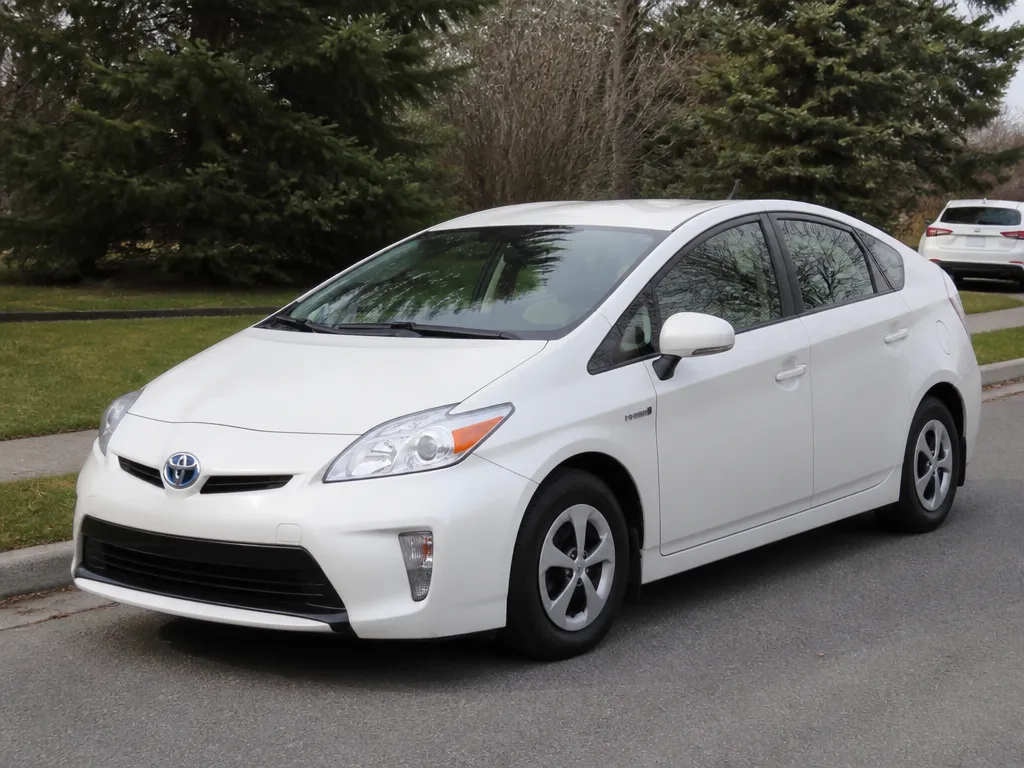
Prius hybrid system issues usually show up first as specific warning messages or a change in how the car blends engine and battery power. The safest move is to treat repeated or escalating alerts as a battery health problem, not a minor inconvenience. If alerts disappear after restarts, intermittent faults still deserve attention.
Common Dash Warnings And What They Usually Mean
Warning text can vary by Prius generation and region, but the behavior pattern is similar: the car reduces access to hybrid functions to protect the system. Some messages point to the high-voltage battery, while others point to sensors or cooling components that can still limit battery performance.
Reduced Ev Assist Or Regen Availability
Hybrid batteries wear in a way that often reduces the car’s ability to accept charge (regen) and to deliver peak assist smoothly. Practically, you may notice weaker regenerative braking than before, or EV mode is less available even at speeds and temperatures where it used to work.
Battery Cooling And Fan Behavior
The Prius battery cooling system is a big part of whether the pack ages well. Unusual fan behavior, repeated cooling cycling, or warning messages that correlate with heat or stop-and-go traffic can suggest cooling airflow problems or a battery temperature sensor fault.
Intermittent Vs Steady Symptoms
Intermittent behavior is common with temperature, traction events, and aging, but the pattern matters. Steady warnings or consistently reduced regen/assist after the car reaches normal operating temperature are stronger signals that the pack or a closely related component is degrading.
Safety note: Never ignore swelling, burning smells, coolant leaks near the battery area, or any evidence of damaged high-voltage wiring or trim. If anything like that appears, stop driving and have the car inspected immediately.
Estimate Remaining Life Options
Battery life on a Prius is best estimated from trend data, drive context, and what the car reports through diagnostics. A useful target is deciding whether to monitor, plan replacement timing, or schedule professional testing based on symptoms and health readings rather than guessing from mileage alone.
Diy Records That Actually Predict Trouble
Start by recording repeatable evidence that the pack is losing usable capacity or developing imbalance. Write down dates, outside temperature range, and what you were doing when the behavior showed up (highway speeds, steep grades, slow town traffic, or frequent short trips).
Scan/tool Checks: What To Look For
For Prius health estimation, diagnostic readiness and health related codes are more valuable than generic “battery OK” status. Hybrids can set codes long before a complete failure, and some codes point to imbalance, overheating history, or sensor faults that can skew health estimates.
Battery Shop Testing: Imbalance And Internal Resistance Trends
A specialized hybrid battery service can go deeper than DIY scans by checking module-to-module differences and electrical resistance trends. The key outcomes are whether modules are drifting apart (imbalance) and whether the pack’s ability to accept and deliver current is fading.
How Results Guide Timing: Monitor, Schedule, Or Plan Replacement
Use a simple decision framework: monitor if changes are slow and codes are absent or history only, schedule further testing if codes return repeatedly, and plan replacement if the shop finds meaningful imbalance or a fast-rising resistance trend. Temperature-related behavior that disappears when the car is warm suggests you should monitor, but persistent imbalance or current delivery limits suggest you should act.
| What you find | Meaning for remaining life | Next step |
|---|---|---|
| Only intermittent performance drop with strong temperature correlation; no repeating hybrid codes | Likely early wear or environmental effects | Monitor with logs and re-scan after repeat events |
| Recurring health-related codes or readiness incompletion during normal use | Condition is recurring, trend is forming | Schedule professional pack diagnostics and ask for module data |
| Module imbalance and/or rising internal resistance trend from shop testing | Pack health is deteriorating in a way that can trigger protection | Plan replacement timing and discuss options with the service |
When To Test Or Replace
Prius hybrid battery “wear” usually shows up as performance changes, warning lights, or trouble codes, but there is no single mileage or year trigger that fits every car. Use a two-step approach: act immediately on hard failure signs, then schedule diagnostic testing when symptoms repeat or trend worse. When uncertainty remains after the first check, base the decision on measured diagnostic results and a health trend, not on guesswork.
Replace or plan testing immediately when you see any hard failure sign that suggests the hybrid system is protecting itself. These are the cases where continuing to drive can turn a fixable issue into a bigger one (for example, if a bad sensor or contact is heating up parts).
Schedule testing soon when symptoms are consistent but not catastrophic. Prius battery aging often looks gradual, but repeated “small” drops can mean cell imbalance or a cooling or measurement problem that gets worse over time.
Monitor longer when symptoms are mild and stable, but you should still watch for a trend. Mild degradation can be real, but mild symptoms also come from non-battery causes like brake switch issues, 12V battery decline, or accessory load changes that affect hybrid operation.
Practical rule: if the hybrid system logs new codes, the behavior shifts, or the change accelerates, move from “monitor” to “test.” If the symptoms stay fixed and no codes return, you can keep observing while tightening the basics (tires, maintenance, and 12V health).
| What you observe | Likely next step | What to avoid |
|---|---|---|
| Red stop warning, repeated HV-related codes, power reduction | Get professional HV system diagnostics quickly | Continuing long drives without inspection |
| Codes that return after clearing, consistent EV assist drop | Test within weeks, track results | Waiting months “to see if it goes away” |
| Gradual decline, no codes, stable behavior | Monitor and recheck at the next scheduled maintenance | Assuming it is definitely the HV battery without data |
What to do if you’re unsure after the first diagnostic comes down to whether you have a health trend and whether the “HV battery blame” is actually supported by measurements. Ask the shop to interpret the results in terms of battery block behavior, contactor activity (when relevant), and whether the system points to the HV battery or another component.
Battery replacement decisions are safer when you separate charging and wiring issues from battery aging. Keep 12V battery health in the loop because weak 12V systems can cause confusing hybrid behaviors and intermittent warnings. Also verify that no aftermarket electrical changes, damaged connectors, or low-voltage charging problems are present, since they can mimic HV battery symptoms.
Next Steps Checklist
Start with a Prius-specific snapshot so you can estimate health trends safely, then back it up with diagnostics before spending money. Prioritize warning signs and verified fault codes, since “battery age” alone is a weak predictor of remaining life.
Safety warning: avoid opening, probing, or charging any high-voltage components yourself. If the vehicle shows severe alerts or the battery area is suspected of damage, stop driving and have it inspected.
Decision anchor to bring to the shop: “Which DTCs are present, what live data looked abnormal (temps, state-of-charge, assist behavior), and which components did you verify before concluding the battery is the cause?”
Quick Summary
Prius hybrid battery life depends heavily on heat and how the car is driven, not just on miles alone. The article notes that hybrid battery packs typically last about 8 to 15 years, which often corresponds to roughly 100,000 to 200,000 miles, depending on conditions. Hot climates and frequent use at a high state of charge can shorten lifespan, while cooler driving and moderate temperatures usually help. It also emphasizes that you will often see symptoms before a hard failure.
As the battery ages, it usually does not “suddenly die” like many phone batteries. The article describes aging signs such as lower usable capacity, higher internal resistance that limits power delivery, and cell imbalance where modules lag others. End of life is often indicated by recurring triangle alerts or diagnostic trouble codes that point to battery deterioration, sometimes after clearing. Diagnostic readings and a professional battery health evaluation help distinguish battery aging from other causes before a repair or replacement decision.
Frequently Asked Questions
How Long Do The Hybrid Batteries Last In A Prius Before Needing Replacement?
Prius battery life varies a lot by model year, driving habits, and heat exposure, so there is no single guaranteed number. A practical approach is to watch the battery health screen during service visits, and plan for replacement only when the car shows strong capacity loss or persistent hybrid system codes.
How Can I Tell Whether My Prius Battery Is Failing, And What Symptoms Should I Watch For?
Look for reduced hybrid performance, more frequent engine cycling, and warning lights for the hybrid system. If you see repeat diagnostic trouble codes related to the battery, have the pack checked with a scan tool that can read battery-related data, not just generic OBD codes.
Does Fast Charging Or Unusual Battery Charging Equipment Affect Prius Battery Life Or Safety?
The high-voltage hybrid battery in a Prius is not something you can safely “top up” with normal chargers, and using the wrong equipment is dangerous. If you need to charge anything while servicing, follow the vehicle manual for the correct procedure and voltages, and use OEM-style service equipment when recommended.
What Causes Prius Hybrid Battery Heat, And How Does Heat Change Battery Longevity?
Heat accelerates battery wear, and it can rise from frequent high-load driving and hot ambient conditions. Keeping the vehicle in good cooling condition, not blocking airflow, and avoiding extended high-temperature operation helps slow degradation, but the exact impact depends on your climate and driving pattern.
What Is The Most Common Buying Mistake When Replacing Or Adding A Battery To A Prius?
People often buy the wrong replacement pack or a non-matching part, especially when listings do not specify the exact Prius generation and hybrid system. Before purchasing, verify the part compatibility for your exact model year and hybrid type, and only buy from a seller that can provide clear warranty terms and return policy.

- 10 Best Battery For Generator Battery Retrofit System 2026 - October 12, 2026
- 10 Best Battery For Generator Battery Retrofit Service 2026 - October 12, 2026
- 10 Best Battery For Generator Battery Retrofit 2026 - October 12, 2026