How Long Will A Motorcycle Battery Last?
A motorcycle battery usually dies from age and chemistry, but the charging system and your riding pattern do the deciding. Most batteries last a few years, and many “early deaths” trace back to chronic undercharging, frequent short trips, or leaving accessories on. The spec that matters most is battery type plus date code, and the common mistake is using the wrong charger/maintainer. You’ll learn typical lifespans, how to predict yours, and how to test safely when it fails.
Motorcycle batteries typically last about 2 to 5 years (lead-acid and AGM), while lithium (LiFePO4) often lasts longer, commonly 5 to 10 years if charging is correct. Short rides, frequent deep discharges, extreme heat or cold, and poor charging shorten life. If the battery needs charging repeatedly, or cranks slowly, plan on testing and replacement.
How Long Will A Motorcycle Battery Last?
Recommended Products


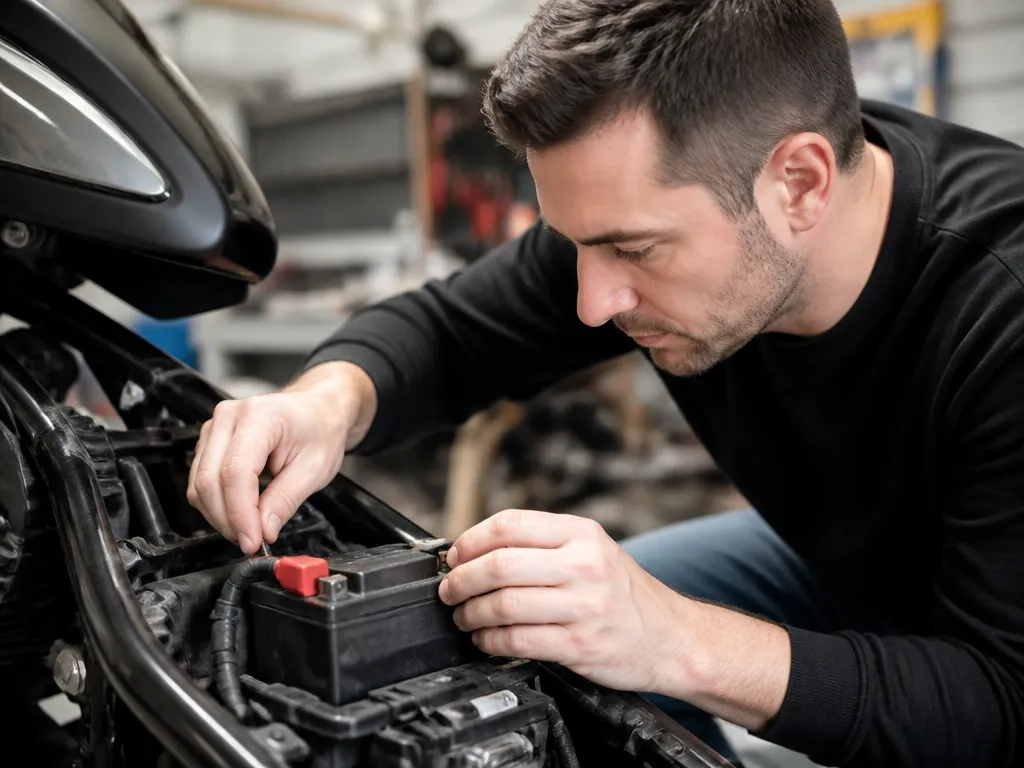
A typical lead-acid motorcycle battery lasts about 2 to 5 years, with many units clustering closer to the low end when you ride seasonally or only do short trips. AGM (absorbed glass mat) is usually closer to 3 to 6 years. Lithium (especially LiFePO4) often goes 5 to 10 years, but real-world life depends heavily on charging conditions, temperature, and age.
Battery chemistry sets the ceiling, but your riding sets the outcome. Cold increases internal resistance and can make a battery feel “worn out” sooner, while heat accelerates aging even if the battery still cranks. Old age also matters, because batteries slowly lose capacity even when they are not used.
Typical Lifespan By Motorcycle Battery Type
Lifespan varies by model, plate design, storage practices, and how well the bike charges the battery. The ranges below are practical buying expectations, not guarantees. Match the chemistry range to how your motorcycle actually behaves (short trips, winter storage, charging system health).
| Chemistry | Practical lifespan range | Why it ages |
|---|---|---|
| Flooded lead-acid | 2-5 years | Plate sulfation and water loss from heat and overcharge |
| AGM (lead-acid) | 3-6 years | Sulfation plus oxygen recombination limits, still sensitive to over/undercharging |
| LiFePO4 lithium | 5-10 years | Calendar aging and high temperature, charging must stay within a safe window (BMS) |
Quick reality check: If your bike spends weeks at a time parked with a half-charged battery, expect earlier failure regardless of chemistry.
What Quietly Shortens Battery Life On Most Motorcycles
Short trips are the biggest everyday offender because the battery does not fully recharge, so it cycles between “not empty” and “not full.” Leaving lights on while parked, delayed charging after a deep discharge, and repeated cranking sessions can also strand the battery in a high-sulfation state. Vibration and poor terminals add extra voltage drop, which increases stress during starting.
Extreme temperature swings make it worse. Extreme cold raises resistance and encourages repeated starts that pull voltage down hard, while extreme heat accelerates chemical aging. Age also stacks up, so a battery can fail early even if it still “cranks” a few times.
Early failure signs usually point to either low capacity from aging/sulfation or a charging system problem. Slow crank, repeated clicking, and a battery that sags quickly under load are common symptoms. A battery that is warm during charging or shows swelling, cracked casing, or a strong odor needs immediate safety attention and replacement planning.
What Controls Battery Aging Most?
Recommended Products

Battery life on a motorcycle is mostly driven by how often the battery is deeply discharged, how long it sits partially charged, and how harsh the environment and vibration are. Short trips and frequent starts create repeated low state-of-charge conditions, which accelerates sulfation in lead-acid batteries and capacity loss in other chemistries. Temperature, parasitic drains, and charging voltage mistakes can speed up failure even if you do not notice it at first.
For example, a commuter route with 10 to 15 minute rides can keep the battery cycling without reaching full charge. In that pattern, the bike may “start today” while the battery quietly loses capacity, and it can feel like the battery failed early once winter or a longer storage period arrives.
Battery aging also includes internal damage risk that shows up as chronic voltage sag. Internal damage can be caused by vibration, freezing after partial discharge, or plate degradation from heat and gassing, and it often becomes obvious only during cranking when current draw is highest.
Predict Your Battery Life
Recommended Products


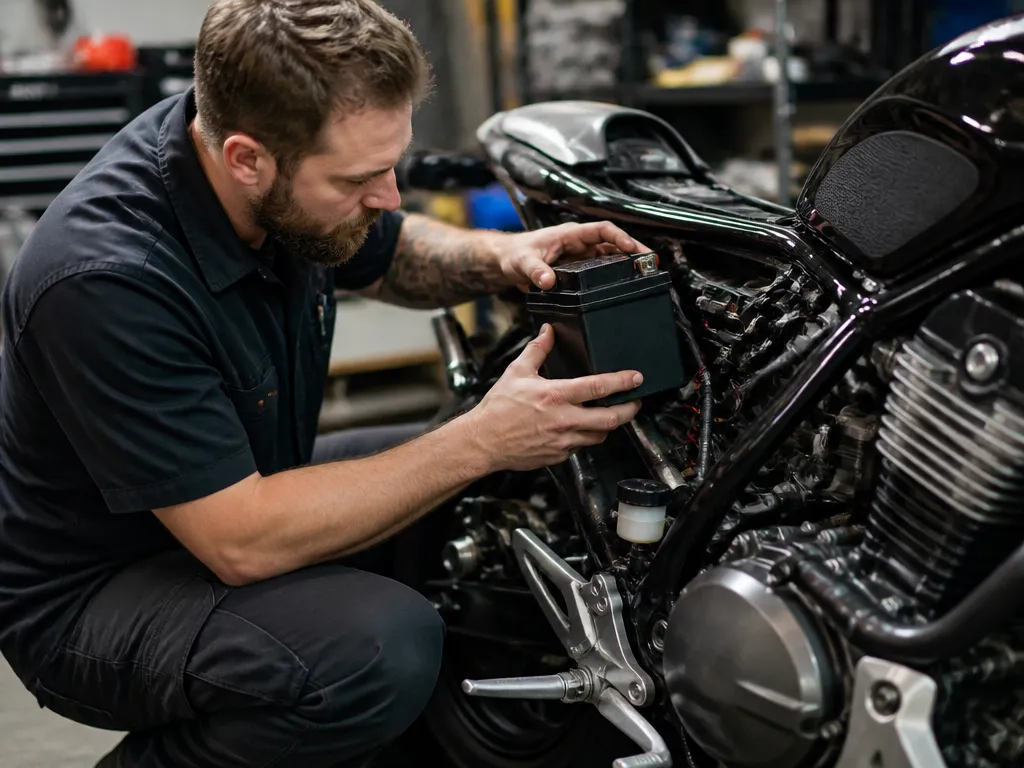
Most motorcycle batteries give good starting performance for roughly 2 to 5 years, then the risk of sudden “won’t crank” days rises quickly. The best way to predict your remaining life is to score your ride routine, storage conditions, charging habits, and warning signs that point to sulfation or failing cells.
Life-likelihood Scorecard (Use This First)
This checklist turns real-world habits into a practical estimate. Add points for “more harsh” behavior and subtract points for protective habits; totals help you decide whether to troubleshoot or plan a replacement soon.
| Category | What to measure | Higher score means |
|---|---|---|
| Riding routine | Minutes per ride, and how often you charge afterward | Battery stays undercharged more often |
| Storage | Months stored, charge level at parking, storage temperature | Self-discharge and sulfation progress faster |
| Charging behavior | How often you top-off, charger type, and whether you fully charge | Chronic undercharging or overcharging stress |
| Failure risk | Age, recent slow-crank episodes, repeated low-voltage events | Capacity loss accelerates |
Riding Routine Score (Ride Duration Vs Charging Time)
Short trips are the biggest day-to-day killer because a motorcycle charging system may not restore a battery fully before the next shutdown. Give yourself 1 point for each “typical pattern” below that matches your use.
For example, a commuter doing 8 minute starts for multiple errands per day often keeps the battery in a partially charged state. Partial charge increases sulfation risk, which can look fine at first, then causes a sudden capacity drop when you need peak cranking current.
Storage Score (Off-season Months, Charge Level, Temperature)
Storage is where “the calendar” quietly takes over. Score higher when you store longer, leave a low state of charge, or store in hot or very cold locations.
Charging Behavior Score (Charger Use Frequency, Top-off Habits)
Charging mistakes are common because many chargers use different voltages and charge profiles. A good approach is to match the charger to the battery type and avoid “sometimes charging” that never reaches a full charge.
For instance, repeated partial top-offs can feel helpful while the battery accepts charge, but the deeper capacity loss still accumulates. The goal is full, correct charging when you use a charger, then maintenance during long idle periods.
Failure Risk Score (Age, Repeated Low-voltage Episodes, Slow Cranking History)
Age and symptoms are direct signals. Add points based on what you have already observed, since the battery’s past behavior predicts its near-future reliability.
Safety: Stop charging and inspect the battery if the case is swollen, the terminals are hot, there is a strong rotten-egg odor, or the battery looks damaged. A compromised battery can vent and fail, especially if you keep applying charge.
Risk scoring gives you a likelihood, not a guarantee. A battery can fail early from a single severe event, so symptoms should always trigger testing.
Signs The Battery Is Failing
Recommended Products

Slow cranking, repeated clicking from the starter, and headlights that dim hard during key-on are the most common early signs the battery is aging or already failing. Sudden failure usually looks like a hard no-start with low voltage, even after charging, because the battery cannot hold a load.
Battery health issues often show up in patterns: a battery that keeps needing a top-up after normal use is aging or getting undercharged, while a battery that works for a period then fails abruptly points to internal breakdown, sulfation from long storage, or a connection problem. Vibration (loose mounting, poor terminals) can accelerate failure even when the battery is relatively new.
Common Electrical Symptoms You Can Recognize Fast
Dim lights during cranking and a noticeable drop in brightness can be a battery voltage or capacity problem, but it can also be a charging-system issue. Clicking plus slow crank usually means the starter is trying to pull high current from a weak battery, so the voltage collapses.
In practice, pay attention to what happens after charging. For example, a battery that recovers only briefly and fails again within days or weeks often has worn plates, high internal resistance, or severe sulfation, and the charging current is just masking the problem.
Physical Warning Signs (Stop Riding When These Appear)
Heat around the battery, a sweet or chemical smell, hissing, or any venting is an immediate stop-and-check situation. A swollen case, bulging terminals, leaking electrolyte, or crusty white corrosion around the posts are red flags that the battery should be handled carefully and taken out of service.
In practice, if the battery casing is swollen or there is any leak, do not keep testing by cranking repeatedly. Heat and damage increase the risk of fire and can spread corrosion onto cables and the bike frame.
“My Battery Died Early” Quick Decision Tree
For example, if your battery used to last a while and now dies after short trips, prioritize diagnosis over replacement. Frequent short rides rarely give the charging system enough time to fully recover a deeply discharged battery, especially if accessories run often or connections are loose.
For immediate safety and accuracy, do these checks before you assume the battery is bad. Use a voltmeter if you have one, and plan to test under load later when you can.
| Observed symptom | Most likely cause | What to do next (right now) |
|---|---|---|
| Slow crank | Low capacity or high internal resistance | Inspect terminals, record whether charging helps, plan for a load-based battery check |
| Clicking with dim lights | Voltage collapse under starter current draw | Stop repeated cranking, check connections, plan battery test under load |
| Needs frequent recharging | Undercharging, accessory draw, or charging-system fault | Verify charging system output before replacing the battery |
| One-time recovery after charging, then relapse | Advanced sulfation or internal cell failure | Confirm with proper battery testing, avoid “keep charging” loops |
| Heat, smell, leakage, swelling | Unsafe internal failure or overcharge | Stop use immediately, isolate the battery, and get it checked |
Replacement trigger: treat a battery as “failing” if it shows recurring no-start behavior after correct charging and has load-related weakness, or if it has any swelling/leak/odor. Don’t keep riding while troubleshooting if the battery looks physically damaged.
Test Before You Replace
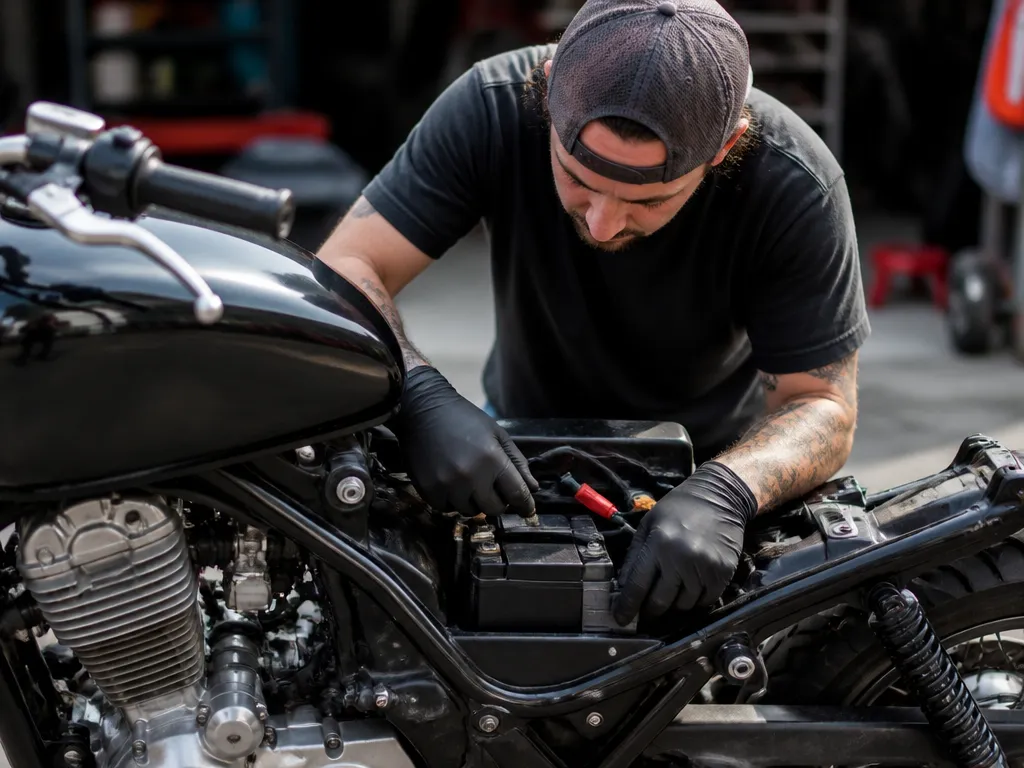
Battery “life left” is guesswork until you measure it. A weak battery can read “okay” at rest while failing under starting load, and a healthy battery can still die early if the charging system overcharges or undercharges.
For example, a rider who disconnects the battery after a short test can see “better” voltage later, then still get clicking at the next start. That pattern usually means the battery cannot hold voltage under surge current, and the next step is a load test rather than guessing by resting voltage.
Load tests and charging-system measurements should agree with the symptoms. If they do not, recheck technique (battery rest time, meter accuracy, and probe placement), then inspect wiring, grounds, and charging components before you replace the battery.
Early Death Troubleshooting Causes
“Crank problems” can also come from high starter load and poor connections, which mimics a weak battery. Separate charging behavior (undercharge or overcharge) from battery health (sulfation or cell failure) and from electrical load issues (starter, ground, ignition draw).
Short-trip Undercharging
For example, a commuter that rides 5 to 10 minutes at a time may cycle the battery into a low state after repeated starts, then park before the alternator can restore full charge. Fix the pattern first, then confirm with measurements. Measure battery voltage before riding, right after riding, and again after sitting a few hours, and follow your battery type guidance (flooded vs AGM vs lithium pack) for proper full-charge voltage targets.
Overcharging From Regulator Or Charging Mistakes
Overcharging is a common “early death” path when the regulator-rectifier fails high, or when a charger setting does not match the battery type and state of charge. Overcharging drives heat and can increase gassing in flooded batteries, damage AGM seals, and accelerate corrosion inside the battery. A hot case, strong odor, and rapid capacity loss point toward sustained high voltage rather than simple age.
In practice, an incorrect charger mode can overcharge an AGM as if it were flooded, or overcharge a partially charged battery with a too-aggressive current setting. Check the charger manual for supported battery chemistries and charge profiles, then verify the motorcycle charging output with a multimeter while the engine runs.
Chronic Low State Of Charge And Sulfation
Sulfation starts as harmless crystalline lead sulfate, then becomes harder to reverse when the battery sits low for long periods. Symptoms include normal resting voltage at first, then progressively worse cranking over days or weeks, plus reduced performance in cold weather. Batteries left discharged after short rides, or stored without a maintenance charge, can show “sudden” failure because usable capacity has already been lost.
For instance, a battery that repeatedly drops below a safe mid-range before recharging can enter a cycle where it never returns to full capacity. Fix the schedule, then consider whether the battery can be recovered safely with a controlled charge for your chemistry, guided by the manufacturer’s procedures. Avoid repeated quick boosts, because they can raise voltage briefly without restoring full charge.
Charger Mismatch Risks (Chemistry, Profile, And Current)
Check the label on the battery and the charger: look for supported battery types (flooded, AGM, gel, lithium with a BMS-compatible profile) and whether the charger has an AGM or gel mode. Confirm the charger is designed for motorcycle or stationary lead-acid use (and lithium pack use if applicable), then ensure leads and clamps make a clean connection to the battery terminals.
Starter Draw, Ignition Drain, And Connection Faults That Mimic Battery Failure
High starter current and voltage drop at corroded grounds or loose terminals can make a healthy battery act dead. Symptoms include a single strong click, headlights dimming hard during crank, or the battery reading okay at rest but failing immediately under load. Ignition system parasitic draw can also drain the battery in storage or overnight, creating a “battery died early” story that is actually a wiring or switch problem.
In practice, measure voltage at the battery terminals while cranking and inspect cables and grounds for looseness or corrosion, especially at the negative terminal. Also check for accessories left on (including integrated dash modes) and confirm there is no abnormal drain when the bike is off, which requires a basic current measurement workflow.
Maintain And Store For Longevity
Terminal corrosion can quietly raise resistance, which creates extra heat during cranking and makes the charging system work harder. Clean the posts and cable ends whenever you see white, blue-green, or powdery residue, then coat the clean metal with a thin, purpose-made anti-corrosion layer.
Non-sealed (flooded) lead-acid batteries need water management, but only if your battery has removable caps and a service guide that allows it. Keep electrolyte above the plates using distilled water, and never overfill to the point where it can overflow onto the case.
Deep discharge shortens life for both lead-acid and lithium. If your battery drops low (for example after storage or repeated short rides), recharge it promptly with the correct chemistry and charging profile. For lead-acid, persistent low voltage can require a careful recovery charge, but repeated “dead then charge later” cycles still shrink capacity.
Off-season Storage Steps That Reduce Sulfation And Heat Damage
For storage, start by charging the battery to its recommended full or near-full state, then keep it there with a proper maintainer if the battery type needs one. Disconnecting the battery reduces parasitic drain, but using a maintainer is safer than leaving a battery to drift low, especially in cold garages where chemical reactions slow.
Temperature is the silent killer. Store batteries in a cool, dry spot, avoid freezing conditions for flooded lead-acid with unknown electrolyte levels, and do not store lithium packs near heaters or in direct sun.
| Battery type | Storage priority | What to avoid |
|---|---|---|
| Flooded lead-acid | Keep electrolyte level correct and prevent sulfation | Overfilling, leaving undercharged for long periods |
| AGM | Prevent sulfation by avoiding low state | Using a flooded-lead charger profile, staying cold and unmaintained |
| Lithium (with BMS) | Avoid heat and repeated deep discharge | Storing hot, using the wrong charger voltage profile |
Safety check: Stop using a battery that smells “hot,” has swelling, leaks, a cracked case, or overheats during charging. Replace it and inspect cables and charger leads for damage before trying another battery.
Choose Chargers And Maintainers
Using the right charger and charge mode is one of the fastest ways to extend motorcycle battery life. Overcharging dries flooded batteries, stresses AGM plates, and can shorten lithium packs. Undercharging leaves lead-acid cells sulfated and increases corrosion inside the case.
Match Chemistry, Charge Mode, And Current Limits
Motorcycle batteries come in different chemistries, and each needs a specific charging profile. Lead-acid flooded, AGM, and LiFePO4 all have different voltage targets and acceptance behavior, so a charger that is “close enough” can still shorten life. Check the battery label and your charger manual for the allowed chemistry, then confirm the output voltage range (for example, 6 V or 12 V systems, and the charger’s stated modes for that battery type).
Charge mode matters because different stages prevent damage. Flooded and AGM systems typically use a bulk stage (strong current), then an absorption stage (near the full voltage), then a maintenance stage (lower float or pulse maintenance) for long storage. LiFePO4 chargers use a lithium-specific profile and must coordinate with the pack’s BMS, so “lead-acid mode” charging is a common mistake.
Quick top-offs can work when they are short and controlled, but they often hide a deeper issue like frequent short trips or a charging system problem.
In practice, a healthy battery should recover with a normal recharge cycle, then your riding routine should not keep it perpetually half-depleted. If the battery keeps needing frequent top-offs, test the charging voltage from the bike and treat that as the root cause.
Connection Safety That Prevents Blown Fuses And Damaged Packs
Connection habits prevent the most common “I shortened its life instantly” failures. Connect the charger leads with the correct polarity, keep clamps clean and tight, and avoid arcing at the terminals. If you use an adapter harness or quick-connect pigtail, verify it is rated for the charger current and intended battery type.
Power accessories only matter here when they create a charging demand. A GPS, heated grips, phone charging, or an inverter draw can pull a battery down fast, so connect accessories with proper fusing and then recharge using the correct battery chemistry profile. For any inverter-style accessory, assume it increases drain during starting and riding, then plan charging accordingly using your chemistry-matched charger.
When To Replace Battery
A battery that is still cranking can still be near end-of-life, so replacement timing should be based on measured voltage and a load test, not age alone.
Replacement should be triggered by a failure pattern and confirmed with tests. Replacing a battery that is being repeatedly undercharged or overcharged will just waste money and can damage the new unit.
Age-based rules of thumb help, but measured performance decides. A battery older than about 3 years is worth testing before the riding season, and a battery older than 5 years often needs a load test even if it still starts.
For example, a battery can show “okay” resting voltage and still fail a load test because internal resistance has increased. Another example is a battery that cranks strongly right after charging but drops quickly after a few starts, which often indicates sulfation from chronic undercharging.
Confirm The Charging System Before Buying Another Battery
Charging-system confirmation prevents the classic loop of “replace battery, repeat failure.” Measure charging output with a multimeter and compare it to your motorcycle or battery-charger documentation for the correct target range. If output is low, the battery never fully charges; if output is high, boiling or accelerated aging can shorten battery life.
Battery date code helps you judge whether “new” really means fresh. Most batteries include a manufacturing date code on the label, often as a letter-and-number sequence, a week-year stamp, or a clear month-year marking, depending on brand.
For instance, a “built” date about a year or more before purchase can still work, but older inventory has more self-discharge time and is more vulnerable to damage if stored while partially charged. When you find the date code, treat it as one input for your decision, then rely on voltage after charging and a load test to confirm health.
Safety reminder: If the battery case is swollen, the case is cracked, or you smell overheating or chemical odor, stop troubleshooting and replace it using safe handling and proper disposal. Trying to “save” a damaged battery can turn a routine replacement into a fire or exposure risk.
Quick Summary
On a motorcycle, the battery‘s lifespan is decided by chemistry, age, and how the bike is charged and ridden. Most batteries last a few years, with lead-acid and AGM typical life of 2 to 5 years, while LiFePO4 often lasts 5 to 10 years when charging stays correct. The key spec to check is the battery type plus its date code, and the common mistake is using the wrong charger for that chemistry. Short rides and chronic undercharging are frequent causes of early sulfation and failure.
Heat, cold, and age all accelerate aging, so life depends on charging conditions and temperature. Lifespan ranges are 2-5 years for flooded lead-acid, 3-6 years for AGM, and 5-10 years for LiFePO4, but real life varies with riding patterns. If a battery needs charging repeatedly or cranks slowly, test with a load and verify resting voltage, since voltage alone can mislead. At rest, a weak lead-acid battery often reads around 12.2 V or less. If it is warm, swollen, or smells odd, plan safety minded replacement and inspect the charging system, especially the regulator.
Frequently Asked Questions
What Type Of Motorcycle Battery Is Compatible With My Bike’s Electrical System And Starter?
Most bikes use a 12V electrical system, so pick a battery with equal or higher CCA than the OEM spec and ensure the tray fit and terminal layout match.
How Does Heat Affect Motorcycle Battery Life And What Temperatures Are Safe?
Heat accelerates chemical aging and reduces capacity; keep the bike stored in shade or a cool area and avoid charging or storing in temperatures above 100°F (38°C).
How Long Will A Motorcycle Battery Stay Charged When The Bike Is Stored?
Lead-acid batteries self-discharge roughly 3-5% per month, so they may sit 2-4 months without a charge if kept on a maintainer. Lithium batteries hold charge longer and can typically sit 6-12 months when stored according to the manufacturer’s guidance with a lithium-compatible maintainer.
What Safety Steps Should I Take When Installing Or Charging A Motorcycle Battery?
Always disconnect the negative terminal first when removing or reconnecting the battery to reduce the risk of sparks. Wear eye protection, avoid sparks near vent caps, and use a charger designed for 12V motorcycle batteries with correct polarity.
When Should I Replace A Motorcycle Battery And What Buying Mistakes Should I Avoid?
Replace when your battery shows less than 12.4V with the bike off or when the CCA is below the OEM rating. Lead-acid batteries typically last 2-5 years, while lithium models can reach 5-10 years with proper care. A common buying mistake is choosing the wrong chemistry, size, or CCA or skipping a trustworthy warranty.

- 10 Best Battery For Generator Battery Safety System 2026 - October 12, 2026
- 10 Best Battery For Generator Battery Safety Option 2026 - October 12, 2026
- 10 Best Battery For Generator Battery Safety 2026 - October 12, 2026