How Long Does A Smoke Detector Battery Last?
A smoke alarm battery often has a “quiet schedule” until it starts beeping, and that surprise is stressful. Most people are choosing between a 10-year sealed alarm and a replaceable battery model, but real life can shorten runtime. Below are the practical lifespans, the low-battery signals to watch for, and the label you should check first so you replace at the right time and with the right battery.
Smoke detector battery life depends on the alarm type. Sealed 10-year smoke alarms are designed to run about 10 years, then be replaced. Replaceable-battery alarms commonly last about 1 year, though heat, humidity, and frequent testing can shorten it. Hardwired alarms may still need a backup battery, whose replacement schedule depends on the model and manufacturer.
How Long Does A Smoke Detector Battery Last?
Recommended Products
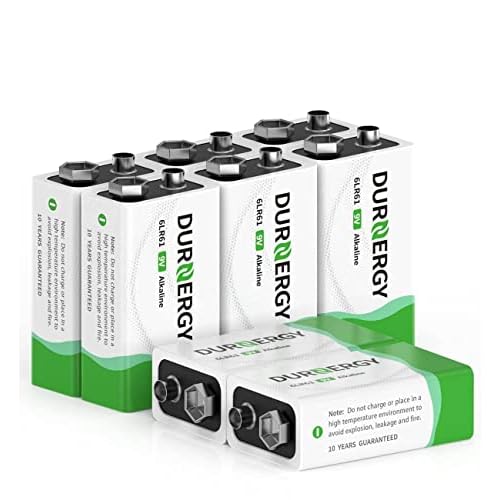

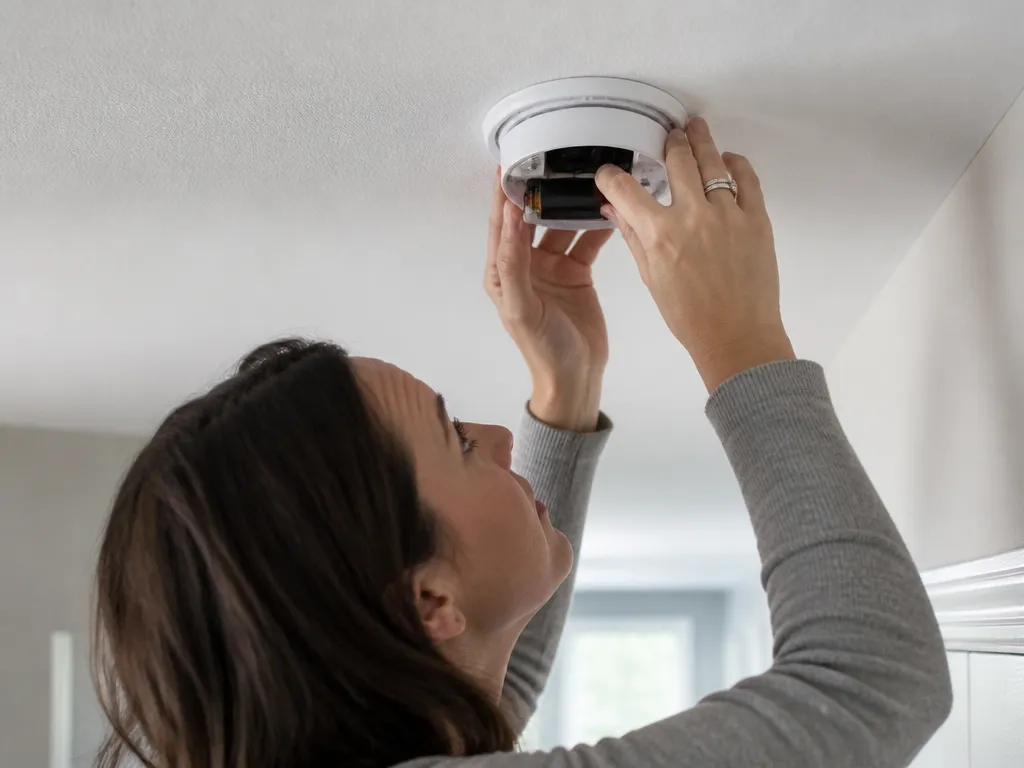
Most smoke alarms with a sealed “10-year” battery are rated to last about 10 years under typical conditions. Replaceable-battery alarms usually use a removable 9V or AA battery and commonly last around 1 year, with many brands advising replacement when the low-battery signal appears.
Sealed 10-year Alarms (Typical Expectations)
Sealed alarms are designed so the battery is part of the unit, and the manufacturer publishes an end-of-life target, commonly 10 years. Real-world life can be shorter if the detector runs in harsher heat, sees frequent nuisance alarms (cooking smoke, steam, dust), or is near the edge of its operating temperature range.
Look for an “end of life” indication method on the label or in the manual, since some models signal low power with chirps well before the unit reaches the programmed end-of-life date. Use the manufacturer’s install date and replacement guidance as the primary rule, not the sound you hear.
Replaceable Battery Alarms (Typical Expectations)
Replaceable-battery detectors commonly expect about 1 year of service per battery set, although the actual interval varies by battery chemistry, alarm model, and conditions. Lithium batteries can hold up better in colder or more demanding conditions, but the device still ages and can consume power differently depending on its electronics.
Frequent activations, heavy dust exposure, and humidity events can shorten battery life because the unit’s sensors and electronics cycle more often. Battery brands and shelf life matter too, especially if the battery sat in a drawer for a long time before installation.
Hardwired Alarms With Backup Batteries
Hardwired smoke alarms keep running on AC power, but they include a backup battery for outages. Backup runtime is usually measured in hours, not days, and can vary a lot by battery capacity, alarm model, and whether the alarm has to sound during the outage.
Safety note: Replace the backup battery on the schedule in the manual. Backup batteries can fail silently, so the chirp you hear (or do not hear) during a power outage is not a guarantee of readiness.
| Smoke alarm type | Typical battery life | What changes the real runtime |
|---|---|---|
| Sealed “10-year” alarm | About 10 years (target) | Temperature extremes, frequent alarms, humidity/condensation events, nuisance smoke, unit age |
| Replaceable battery alarm | About 1 year (common expectation) | Battery chemistry and age (shelf life), cold conditions, frequent activations, dusty environment |
| Hardwired with backup battery | Backup is for outages, often measured in hours | Backup battery capacity, alarm model load, battery aging, how long AC is lost |
Sealed 10-year Battery Expectations
Recommended Products


“10-year” on a sealed smoke alarm is the manufacturer’s target service life from the install date, assuming normal household conditions and no sensor damage.
In practice, many units reach the stated date, but real life can push replacement earlier if the alarm runs hot, gets frequent false alarms, or sees heavy humidity and dust.
Sealed lithium batteries in smoke alarms are usually sized to power two things: the sensing circuit that samples air continually and the alarm outputs that activate during a real alarm event. Battery drain can increase when the alarm is triggered often, when the internal electronics age, or when the unit spends more time in higher power states during certain fault conditions.
How To Confirm The Service Life On The Unit
Most sealed units include an install or “replace by” date printed on the label or molded into the housing, along with model and battery type information. If you cannot find a date, check the manufacturer’s stated service life and recommended replacement interval after installation.
Sealed alarms are designed to keep the battery and electronics in one unit, so the replacement is the whole detector. Sealed batteries are not intended for user swaps, and opening the unit can break seals and reduce reliability.
What To Do When The Device Ages Out
When a sealed smoke alarm gets close to or past its rated life, reliability is the concern, not convenience. A low-battery chirp means the alarm is reporting a power problem, while a distinct end-of-life alert indicates that the unit should be replaced.
For example, a household that notices more nuisance alarms after cooking smoke or shower steam should still replace the detector at the marked service life, even if it seems “fine” between chirps. Humidity and dust can raise internal load and stress the sensing pathway, which can shorten useful life.
Replaceable Battery Types
Recommended Products


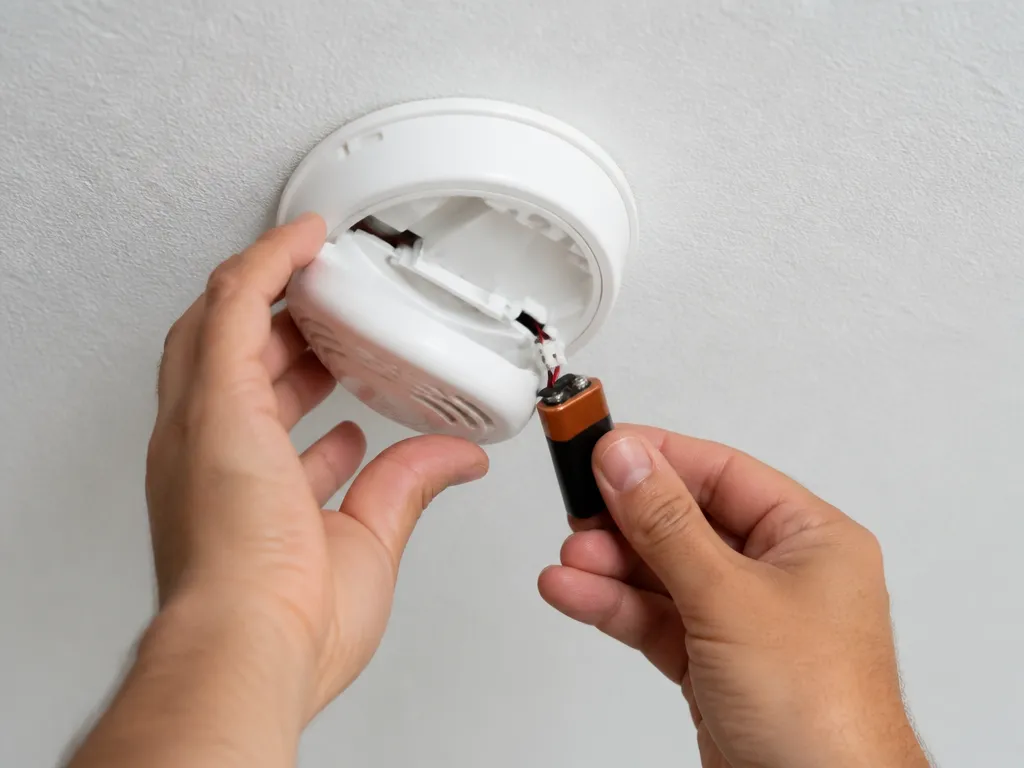
Most smoke alarms that use replaceable cells rely on either alkaline AA batteries or a 9V battery. A common replacement expectation is about 1 year, although some models and battery combinations may last longer, with brand, alarm model, and conditions driving the spread.
Smoke alarm electronics draw little power most of the time, then more during events like self-tests, radio or interconnect activity (if the alarm is part of a network), and frequent sensing cycles when smoke aerosols or cooking aerosols are present. Because of that, alkaline chemistry can run faster in harsher installs (hot garages, cold drafts, high humidity, and dust that forces more maintenance).
Alkaline 9v And Aa: Typical Lifetime Range
Alkaline 9V batteries are common in older ionization alarms and some combination units, but they often have the shortest replaceable-cell life. Alkaline AA is more common in newer models and tends to last longer because AA cells are larger capacity and are easier for the alarm to draw from efficiently.
Some alarms allow lithium primary batteries (often sold as “long-life” for smoke alarms) and these can extend runtime compared with alkaline in the same format. Lithium also tends to handle temperature extremes better, so a cold hallway and a hot kitchen can affect alkaline and lithium differently.
Lithium Vs Alkaline: Why Runtime Can Differ
Lithium primary cells generally have higher usable capacity and a more stable voltage profile under varied loads than alkaline cells. Smoke alarms may monitor sensor performance and low-voltage behavior, so the point where the alarm reports “low battery” can arrive sooner with alkaline even if some capacity remains.
For example, two alarms could report low battery at different times even if their installed batteries start at the same date, because the alarm’s internal electronics and operating mode (standalone vs interconnected) change how aggressively it samples the sensor.
Where Battery Life Gets Shorter
Battery life drops when the alarm is under higher average load than expected or when the cell is stressed from the start. Shorter life is common with frequent battery replacement cycles caused by nuisance events (steam, cooking smoke, dust) because alarms run more frequent checks and may trigger additional processing.
Replacement signal to treat seriously: a low-battery chirp or a prominent end-of-life indicator usually means the alarm is already operating near its low-voltage threshold. Replace promptly and verify the alarm is still responding normally after the battery change.
Hardwired Alarms With Backup
Hardwired smoke alarms use the home’s mains power as the primary supply, then a small backup battery only covers power loss. Backup runtimes are typically measured in hours, depending on the alarm model and battery condition, rather than years. Because the backup battery is cycling only during outages, it often reaches replacement time due to age, not continuous discharge.
Typical Backup Runtime And Behavior
During a short outage, a hardwired smoke alarm should keep sounding for long enough to get people to safe response, then stop once mains returns.
In practice, most units show the first signs of low backup capacity well before the backup would ever run out in a typical outage. During long outages, the alarm may go quieter or start producing a low-battery chirp if the backup battery falls far below its usable threshold.
For example, the backup battery may still be “alive” but not strong enough to maintain the alarm’s regular electronics and sensing load during silence periods, so the alarm prioritizes safety signaling. For that reason, backup alarms are often designed to chirp early as a maintenance cue rather than wait for total failure. Backup behavior can also change with temperature, because cold batteries deliver less current and rebound after warming.
Why Low-backup Chirps Happen Even When Mains Works
Low-backup chirps mean the battery in the unit is near end-of-life, even if the alarm is currently getting mains power. Hardwired models continuously monitor that battery and charge state, so a weak or aging battery triggers chirps as a reliability warning. Chirps can also appear after long periods of inactivity, after a battery experiences heat exposure, or after repeated brief outages that stress the backup.
In practice, low-backup chirps are one of the most actionable maintenance signals a homeowner gets. Replace the backup battery with the exact type specified on the label, then press the test button to confirm the alarm returns to normal. If chirps continue after replacement, check for incorrect battery installation, corrosion in the contacts, or damage to the alarm itself.
Factors That Change Battery Life
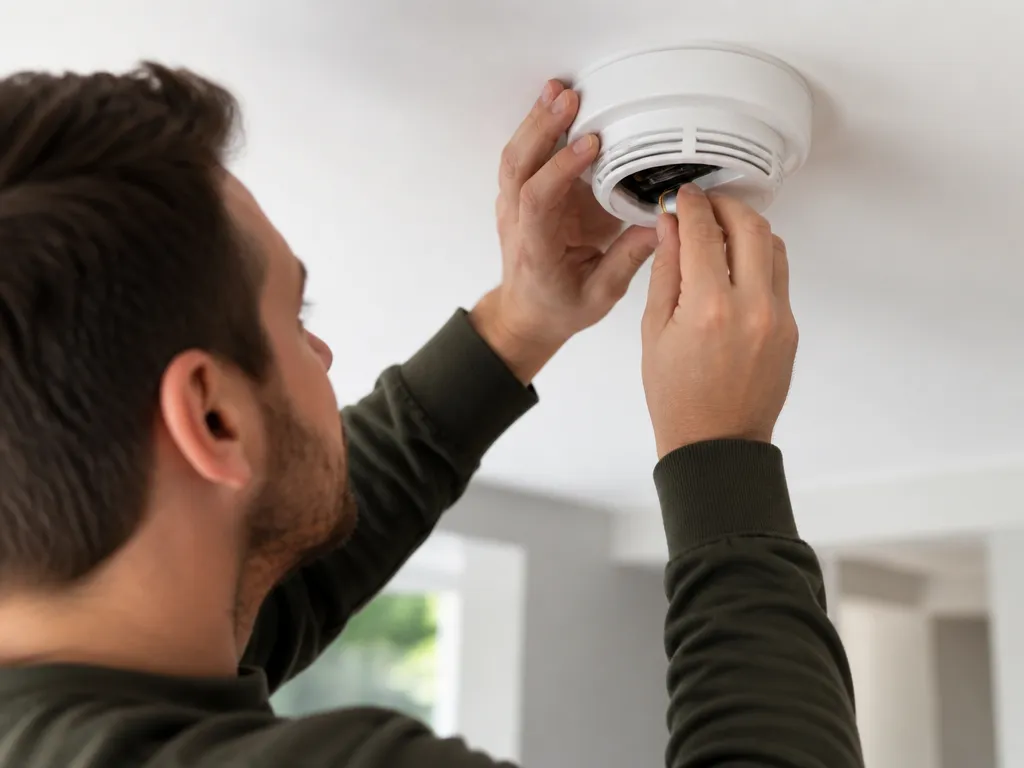
Smoke detector battery life depends heavily on the detector’s sensing workload and the room environment, so real-world life can swing by years even with the same battery type. Battery chirps may occur late when conditions are mild, then arrive sooner if the unit runs hotter, gets more humidity events, or experiences frequent nuisance alarms that draw extra power.
Temperature swings are a top driver because sensor electronics and battery chemistry both lose efficiency in cold rooms.
In practice, a detector installed in a cold hallway, garage, or near an exterior door often runs with less available battery capacity, then recovers when temperatures rise. Heat also shortens battery capacity over time, so detectors in direct sun (near windows) or stacked near HVAC vents can age faster.
Humidity affects the detector through condensation and corrosion, which increases leakage currents and can slow heat removal around the electronics. In kitchens and bathrooms, cooking steam can drive moisture into the housing, especially if the detector is mounted low or covers a poorly ventilated area. Persistent dampness also accelerates contamination on internal surfaces, which can increase sensor drift and trigger more frequent self-check activity.
Dust, grease aerosols, and cooking residue can foul the sensing chamber and raise the unit’s background load.
For example, detectors near a stove can build a thin film that pushes the alarm toward nuisance events or higher sensitivity adjustments. Steam itself is not just “wet air,” it can carry particulates that settle where they are hardest to clean.
Frequent alarms, even nuisance chirps or repeated false alarms, can drain a battery faster because the detector spends more time running the detection cycle and alarm circuitry. Test button use and periodic self-tests also draw power, but normal testing should not drastically shorten life if you only test as recommended by the manufacturer.
Quick Checks And Model Differences That Change The Outcome
Smoke detectors fall into two broad power designs: sealed 10-year units and replaceable-battery units. Sealed units still “age” with temperature and humidity, but they typically have tighter control of battery quality and power management. Replaceable-battery models vary more, especially when owners choose bargain batteries or mix chemistry brands, so label and compatibility matter.
Battery safety note: If you ever see a swollen, hot, leaking, or cracked battery, stop using the detector and replace the unit or battery immediately per the manufacturer’s instructions.
Brand and battery quality can change longevity, especially in replaceable-battery models where battery chemistry and internal construction vary. Even when two batteries have the same nominal voltage, capacity and shelf life can differ, and a weak battery can trigger end-of-life warnings sooner. Matching the exact battery type and avoiding mixing old and new cells is a simple habit that reduces “mystery” early failures.
Alarm type and sensor technology also cause practical differences. Photoelectric, ionization, and combination units can react differently to dust and aerosol particles, and smoke entry patterns can change how often the detector runs extra detection and alarm cycles. For troubleshooting, track which rooms trigger nuisance events, then adjust placement or environment before you blame the battery.
Low-battery And End-of-life Signals
Smoke alarms usually warn you with a distinct pattern before they stop protecting you, so the cadence of the low-battery chirp is the most useful clue. Most models chirp on a regular interval when the battery is running down, while end-of-life alerts are usually louder, more frequent, or paired with a different LED/voice message.
What Low-battery Chirps Typically Look Like
Most low-battery warnings are a short chirp repeated at a set interval (often about once per minute, depending on the brand). LED indicators (steady or flashing), and the presence of a voice message or “replace battery” text on the device can change how you interpret the alert.
For practical troubleshooting, treat any low-battery chirp as “battery is failing soon,” even if the alarm still seems to work. Temperature swings, frequent nuisance alarms (cooking steam, showers), and alarms that have been sitting for long periods can all accelerate the battery’s decline.
Low-battery Versus End-of-life: How To Tell
End-of-life beeps are different from low-battery chirps, even if both are periodic. End-of-life alerts often use a distinct cadence, a separate LED behavior, or a specific “end of life” voice/label cue, because the smoke-sensing chamber and electronics age over time.
Replaceable-battery alarms typically chirp when the battery is low, while 10-year sealed units tend to announce end-of-life when the sensing life is nearly done. If your unit has an “END OF LIFE” label or a date-coded installation reference, treat that information as a hard schedule, then use the alert pattern to confirm it.
When To Replace Immediately (No Waiting)
Replace immediately if the alarm is in an end-of-life mode (a distinct end-of-life voice message or LED pattern), if it is chirping in a way that suggests escalating power failure, or if it ever goes silent after you press the test button. Also replace immediately if the device housing shows heat damage, a cracked body, or any signs of moisture intrusion around the battery compartment.
Quick rule: Low-battery chirps mean power is running down; end-of-life signals mean the unit’s sensing life is ending. When the signal changes, act on the newer, more serious pattern.
Verify Age And Replace Correctly
A detector may chirp occasionally even when the battery seems “recent,” because high humidity and repeated alarm cycles can increase the sensing and power load.
Battery Life Comparison Table
10-year sealed smoke alarms usually last the full label life, then the entire unit should be replaced (the battery is not meant to be swapped). Replaceable-battery ionization or photoelectric alarms often use two AA or a 9V battery and commonly last about 1 year, depending on alarm activity and conditions.
Battery life shortens fast when the detector spends more time working. High humidity, frequent alarm triggers and nuisance events, dusty locations, and wide temperature swings all raise the energy use and can reduce reliability even before the “expected” timeline.
Near The Deadline: What To Do
Smoke alarms are safety devices, so “almost out” is still “at risk.” For sealed 10-year units, replace the entire detector when the end-of-life date is reached or when the alarm announces it is nearing end of life.
For replaceable-battery units, treat the first low-battery chirp as a replacement trigger, then re-test after installing fresh batteries. Do not ignore repeated chirps, and do not assume brand-new batteries are fine if the alarm still chirps within a short time.
“Low-battery” chirps are the detector telling you to replace the power source now, not later.
Quick Lookup By Alarm Type
Common signals that battery service is overdue. Low-battery chirps that become more frequent, persistent “chirp then reset,” and failure to respond correctly to the test button are all replacement reasons. A sealed unit that reaches its end-of-life indication should be replaced immediately because the remaining battery reserve is not meant to be used beyond the labeled service span.
Quick Summary
Most smoke alarms are designed around a simple lifespan, but real conditions can shorten it, especially heat and frequent nuisance alarms. The article focuses on the difference between sealed “10-year” units and replaceable-battery models: sealed alarms are typically targeted to run about 10 years from the install date, while replaceable-battery alarms commonly last about 1 year and may warn with low-battery chirps long before the end of service. Hardwired alarms still often need a backup battery, with runtime during an outage usually measured in hours.
Low-battery chirps are a “replace now” signal, and some models chirp well before the programmed end-of-life date. Match the listed battery type, such as 9V or AA, and replace promptly, since backup batteries can fail silently during outages.
Frequently Asked Questions
How Long Does A Smoke Detector Battery Typically Last?
Most replaceable-battery smoke detectors are designed for about 1 year, depending on the detector model and battery type. If it has a “chirp” warning, replace the battery right away because it means the battery is below its usable range.
Do I Need A Special Battery, Or Is Any Brand Compatible With My Smoke Detector?
Check the detector’s label for the exact battery type and size, such as 9V for many older models or AA/CR123A for others. Using the wrong type can cause weak signaling and reduce runtime, so always match the chemistry and voltage printed on the unit.
Will Charging Or Heat From The Detector Shorten The Battery Life?
Smoke detectors usually use non rechargeable batteries, so you should not attempt to charge them, and the unit itself should not be hot during normal operation. If you notice frequent chirping, a warm battery, or signs like swelling or leakage, stop using that detector battery and replace it.
How Soon Should I Replace The Battery If I Get A Low-battery Chirp?
Replace within one day if possible, because the alarm can lose sensitivity as voltage drops. After replacement, test the alarm using the test button to confirm it is working properly.
What Are Common Buying Mistakes That Make Smoke Detector Batteries Last Less Time?
One common mistake is buying the wrong size or voltage, like confusing AA vs 9V, or using the wrong chemistry. Another is storing batteries too long or in high heat, which can lower capacity before installation.

- 10 Best Battery For Generator Battery Protection 2026 - October 11, 2026
- 10 Best Battery For Generator Battery Powered Lighting 2026 - October 11, 2026
- 10 Best Battery For Generator Battery Power Upgrade 2026 - October 11, 2026