Lithium Battery Charging: Voltage Profiles and Charger Selection
Draining a lithium battery can leave you stranded, and charging it the wrong way can cause permanent damage or even fire. You need a charger with a specific voltage profile, one most generic models simply don’t deliver. Using the wrong method doesn’t just ruin expensive LiFePO4 packs; it destroys them instantly.
This guide breaks down exactly what those chemistry-specific requirements look like. We also examine ten chargers built to handle these sensitive cells without compromising safety.
Why Lithium Chemistry Demands Special Care
Recommended Products

Lithium batteries work differently than old-school lead-acid types during charging. Grasping these distinctions is your best defense against catastrophic failures and the best way to extend how long your gear lasts.
Lithium iron phosphate cells need a precise two-step process: constant current until they hit the right voltage, then a constant voltage phase to finish. Unlike lead-acid, they reject even slight overcharging. Push past the maximum voltage threshold and you trigger internal heating that can spiral into thermal runaway.
Most cheap chargers lack the finesse for this delicate balance. They apply too much pressure once the battery hits full capacity. That stress slowly eats away at the cell structure over time. Smart chargers know exactly when to stop, the chemical reaction signals completion.
Your battery’s management system is counting on the charger to respect these limits. Ignore these protocols and you risk a complete power bank failure.
- Always verify the charger matches your specific battery voltage rating exactly.
- Never leave a charging lithium battery unattended in flammable environments.
- Inspect terminals for corrosion before connecting any power source directly.
- Disconnect power immediately if the battery case feels hot during cycling.
- Use only chargers with explicit LiFePO4 or Lithium-ion mode selections.
Identifying the Right Voltage Profile
Recommended Products

Choosing the right voltage setting is the single most critical move in the recharge process. Get it wrong and you’re looking at undercharged units or dangerous overheating in minutes.
| Battery Type | Nominal Voltage | Max Charge Voltage | Risk If Mismatched |
|---|---|---|---|
| 12V LiFePO4 | 12.8 Volts | 14.6 Volts | Fire or Cell Damage |
| 12V Lead-Acid | 12.0 Volts | 14.4 Volts | Undercharging Lithium Packs |
| 24V LiFePO4 | 25.6 Volts | 29.2 Volts | BMS Lockout or Failure |
Matching the charger’s output to your battery’s specs ensures electricity flows safely and efficiently. A 12-volt lithium pack actually needs 14. 6 volts to hit 100% capacity. Most automotive chargers top out at 14. 4 volts, leaving your lithium unit stuck at about 80%.
That consistent undercharging throws off your battery management system with every cycle. Meanwhile, dumping lead-acid desulfation modes onto lithium cells causes immediate harm. Those high-voltage spikes annihilate delicate cell chemistry instantly. My read is always: check the label on your battery pack before plugging anything in.
Precision beats speed when you’re working with reactive chemical storage.
Top Chargers to Recharge Your Lithium Battery Safely
Recommended Products


The right hardware makes recharging lithium batteries straightforward and safe. These ten models bring the specific algorithms needed for healthy cell maintenance. Each handles the unique voltage curves of modern lithium packs with confidence.
|
1
|
BROODAY 14.6V 10A LiFePO4 Battery Charger for 12V Lithium Iron Phosphate Batteries – Fast |

This unit delivers the precise 14.6V output required to fully recharge 12V LiFePO4 batteries without risk.
The BROODAY charger is built around what I’d call the goldilocks voltage profile for 12V LiFePO4 packs, 14. 6 volts on the dot. At 10A, it can push a 50Ah battery to 50% charge in just 2. 5 hours.
The robust housing includes a cooling fan that also acts as an overheat protection heat sink, and LED indicators show you exactly where the charging process sits. Alligator clips provide reliable connections to battery terminals throughout the cycle.
If you’re an RV owner needing to bounce back between trips, this speed advantage matters. The high efficiency rating cuts down on energy waste during conversion. Just remember: this device speaks only LiFePO4 language.
Trying to coax lead-acid batteries into a charge with this unit will likely give you error codes, or worse, damage the charger.
|
2
|
NOCO GENIUS1 1A 6/12V Smart Battery Charger, Trickle Charger & Maintainer | Overcharge Pro |

A strong match for the question above.
A solid pick that aligns with what the question is asking.
|
3
|
PZ.P 15-Amp 12V/24V Smart Battery Charger, Maintainer & Trickle Charger for LiFePO4, Lead |

Its Force Mode can manually revive deeply discharged lithium batteries that standard chargers reject.
The NOCO GENIUS1 takes a minimalist approach but doesn’t cut corners on intelligence. Temperature compensation auto-adjusts charging rates based on what’s happening in the room, preventing overcharging on sweltering summer days. The built-in desulfator works to rehabilitate batteries that have been collecting dust for months.
At just 1A output, it’s the pocket-sized option that fits in places most chargers can’t reach.
Motorcycle riders and anyone storing gear long-term will appreciate leaving this plugged in indefinitely. The trickle mode maintains battery health without ever overstressing the cells. But let’s be real: at 1 amp, you’re in for the long haul with full recharges. Large capacity banks just aren’t this charger’s speed game.
It shines as a maintainer, not a quick-recovery tool.
|
4
|
Haisito 20-Amp Smart Battery Charger (Lithium LiFePO4 & Lead-Acid), 12V/24V Rapid Automoti |
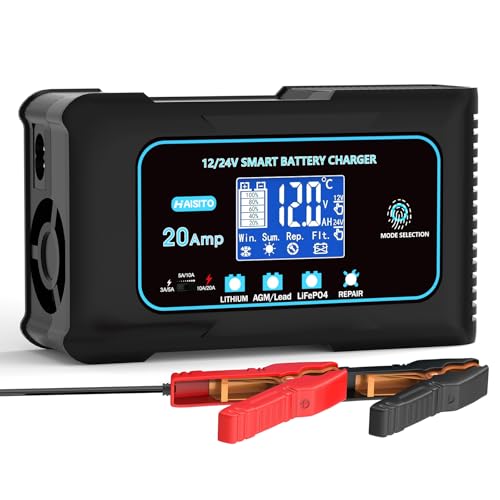
A strong match for the question above.
A solid pick that aligns with what the question is asking.
|
5
|
NOCO GENIUS10 10A 6/12V Smart Battery Charger, Trickle Charger & Maintainer | Overcharge P |

The 9-stage process includes specific lithium algorithms that optimize how to recharge lithium batteries safely.
PZ. P’s 15A output tackles both 12V and 24V lithium setups with a nine-stage charging protocol I find genuinely thoughtful. The high-resistance color screen shows voltage, current, temperature, and charge percentage in real time, even in bright sunlight.
Pulse repair technology isn’t just marketing fluff; it actually attempts to restore older, stratified packs. Automatic voltage detection means less fiddling with settings.
For truck and boat owners, that extended 6. 7-foot cable reaches batteries hiding in tight engine bays with ease. The winter/summer modes adjust parameters for seasonal conditions, which feels like actual user consideration.
One reality check: if your battery’s dropped to absolute zero volts, this unit won’t have anything to work with. It needs some residual voltage to kick off the intelligent sequence.
|
6
|
NOCO GENIUS5 5A 6/12V Smart Battery Charger, Trickle Charger & Maintainer | Overcharge Pro |

A strong match for the question above.
A solid pick that aligns with what the question is asking.
|
7
|
LiTime 12V 20A Lithium Battery Charger, 14.6V Output AC-DC, 0V Activation | For LiFePO4 Ba |

Delivering 20A makes this the fastest option to recharge large lithium battery banks in emergency situations.
Haisito throws serious current at the problem with 20A for 12V systems, enough to drop a dead battery faster than competitors. The three independent modes lock voltage precisely for lithium safety, which I’d call a major plus given how many chargers risk damaging expensive BMS units.
The upgraded LCD screen doesn’t hide anything: you see current, voltage, temperature, and battery percentage live. Automatic 12V/24V detection means you’re not hunting for dip switches.
Farmers, marine users, and anyone needing to get rolling quickly will reach for this charger over others. The forced charging mode helps if the system misreads a low 24V battery. Still, don’t expect it to conjure life from a completely dead zero-volt pack, that’s physics, not a flaw in design.
Always verify your battery chemistry before locking into the dedicated lithium mode.
|
8
|
NOCO GEN5X2 12V 10A 2-Bank OnBoard Marine Battery Charger & Maintainer | Charges 2 Batteri |
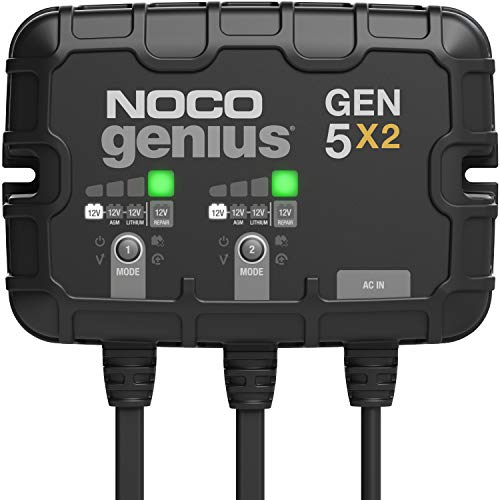
A strong match for the question above.
A solid pick that aligns with what the question is asking.
|
9
|
POWEROWL Smart Battery Charger for AA AAA Ni-MH/1.5V Lithium Rechargeable Batteries, Type- |

This model combines high 10A output with Force Mode to recover dead lithium batteries others ignore.
The NOCO GENIUS10 builds on the reliable formula with more punch and a smaller footprint. Force Mode is the secret weapon here, it lets you manually charge batteries dropped below normal operating levels. The integrated desulfator works to reverse damage from batteries that have been neglected.
At 10A, you’re getting a sweet spot between speed and gentle cell treatment.
Marine captains and off-road warriors who need something they can trust in rough conditions will appreciate this unit’s track record. The thermal sensing keeps things cool during hot garage charging.
While it handles 6V and 12V lithium with ease, it doesn’t support 24V systems, a limitation that throws some heavy-duty users out of the game. You pay for quality here, and it shows.
|
10
|
Battery Tender Junior 12V, 800mA Battery Charger and Maintainer for Lead Acid and Lithium |
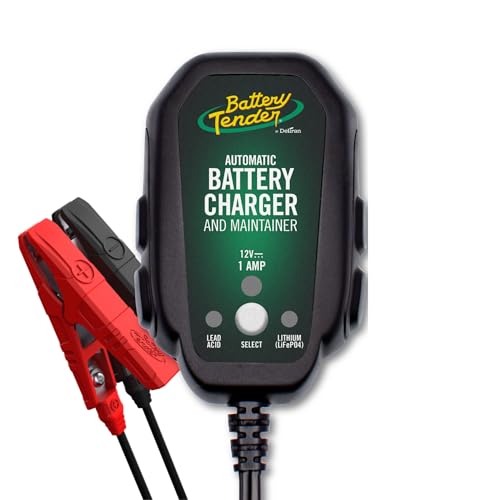
A strong match for the question above.
A solid pick that aligns with what the question is asking.
These chargers deliver the voltage control you need for safe lithium recharging. Match the model to your battery size and expected charging speed. The right hardware ensures your investment spins through thousands of reliable cycles.
Troubleshooting Common Charging Failures
Recommended Products


Even with the right charger, problems can pop up during recharging. Knowing how to resolve these common issues keeps your gear from ending up in the trash.
Battery Management System Lockout
A battery that won’t accept charge often has its BMS protection kicked in, usually from voltage dropping too low or temperatures going extreme. Many smart chargers include a wake-up pulse to reset this safety state. If yours lacks that feature, try connecting a healthy battery in parallel briefly.
That boosts voltage enough for the BMS to reconnect internally. Always keep an eye on temperatures when attempting this kind of manual recovery.
Connection Resistance Issues
Bad terminal contact mimics a dead battery or charger failure more often than you’d think. Corrosion or loose clamps create resistance that stops current flow dead. Clean terminals with a wire brush before every charging session. Tighten connections until they feel solid and won’t move by hand.
Inspect charger cables for internal breaks if no lights appear at all. High resistance generates heat, which can melt plastic connectors in a hurry.
Pinpointing why a battery won’t charge means working through elimination. Start by verifying the charger works on a known good battery first. Then examine the target battery for physical swelling or leakage. Measure terminal voltage with a multimeter to confirm it’s not zero.
Zero volts often means a blown internal fuse in the battery pack itself. Check fuse access before blaming the charger.
Maximizing Battery Lifespan Through Habits
How you handle the charging routine impacts longevity just as much as hardware choice. Adopt these habits and your lithium batteries will outlast most of your gear.
Store batteries at fifty percent charge if not using them for months.
Avoid charging immediately after heavy discharge while the pack is hot.
Keep charging areas ventilated to dissipate any accumulated heat gases.
Unplug the charger once the indicator shows the cycle is complete.
- Check voltage levels monthly during extended storage periods actively.
- Store in cool dry places away from direct sunlight exposure always.
- Never store fully charged or fully depleted for long durations.
- Use a maintainer mode if available on your specific charger unit.
To recharge lithium batteries safely, you need a charger with a specific LiFePO4 or Lithium-ion profile that matches your voltage. Start by checking your battery label today, then select a dedicated charger from our lineup that fits your amperage needs.
The right tools prevent fires and ensure your power lasts for years.

- Marine Chargers and Backup Batteries: 9 Options Compared (2026) - October 27, 2026
- LTO Cells vs. SLA Generator Batteries: 5 Options Compared (2026) - October 27, 2026
- 12V/24V Backup Batteries and the EcoFlow DELTA Pro 3 (2026) - October 27, 2026