How To Replace Battery On Smoke Detector?
A chirping smoke detector is enough to ruin a night’s sleep, and let’s be honest, most of us ignore it until the noise becomes unbearable.
Swapping out the battery is technically a two-minute job, but I know from experience that tight compartments and confusing beep codes can turn it into a frustrating ordeal. I’ve put together the exact steps to swap your power source safely without setting off the alarm.
We’ll also look at which batteries actually hold up in high-drain alarms so you aren’t back on a step stool next month. You’ll learn how to silence those false alerts mid-process, and I’ve included specific battery picks that I trust for keeping a home safe.
Why Smoke Detectors Chirp
Recommended Products


Figuring out why that noise is happening usually speeds up the fix. In my experience, it’s almost always low voltage rather than a broken unit. Here’s what to look for and when to act.
Smoke detectors rely on internal sensors to watch the air 24/7, and those sensors need a steady electrical current to do their job. When the voltage dips below a certain point, the unit starts that annoying warning chirp, usually once every minute.
It sounds different from the loud, ear-splitting alarm triggered by actual smoke. Think of that chirp as an early heads-up; ignoring it risks total power failure when you need it most.
Many modern units also flash a red LED with each chirp, which is a visual confirmation that the battery is the culprit. Even if your detector is hardwired into the house electricity, it likely has a backup battery that needs replacing.
That chirping won’t stop until fresh power is installed, so regular testing is the only way to ensure the sensor stays responsive to real threats.
- Listen for a single short beep every thirty to sixty seconds.
- Check for a flashing red light on the detector face.
- Note the installation date printed on the device back.
- Test the unit monthly using the built-in test button.
- Replace batteries annually regardless of chirping status.
Safety Steps Before Opening
Recommended Products


A little prep work goes a long way toward preventing accidental alarms or damaging the device. I always follow these precautions before touching any components.
Turn off power at the breaker if the unit is hardwired.
Rotate the detector counterclockwise to detach it from the mount.
Disconnect any wiring harnesses carefully to avoid strain.
Open the battery compartment using the designated latch.
Remove old batteries and dispose of them properly.
If you have hardwired detectors connected directly to your home’s electrical system, cutting power at the circuit breaker is non-negotiable for safety. This simple step prevents any shock while you handle the wires.
Battery-only units are much simpler; you can just twist the base gently to release the locking tabs and pull them down. Just make sure to hold the unit firmly so it doesn’t fall.
While it’s down, check inside for dust or debris, which can cause false alarms or dull the sensor’s sensitivity, a quick brush-out usually fixes that. Before you buy replacements, double-check that the new batteries match the required voltage.
Most residential units take those rectangular nine-volt batteries, but some newer models use AAs or lithium packs. The label inside the compartment will tell you exactly what you need. Also, never mix old and new batteries in the same device; it confuses the sensor and drains the new ones faster.
Reliable Batteries For Quiet Nights
Recommended Products


Picking the right power source does more than just stop the chirping; it extends the life of the device and cuts down on how often you have to climb a ladder. High-quality cells tend to maintain stable voltage longer, which minimizes the risk of those unexpected middle-of-the-night alerts.
I selected ten options based on longevity and reliability, matching them to different household needs and budgets. If you have a multi-story home, bulk packs are usually the way to go. For extreme temperatures, lithium is superior, but for standard indoor use, alkaline cells remain a cost-effective standard.
|
1
|
Amazon Basics 8-Pack 9V Long-Lasting Alkaline Batteries for Smoke Detector, Electronics & |

This eight-pack gives you enough supply to handle whole-home annual replacements in one go.
Amazon Basics offers a practical solution if you have multiple detectors to service. Getting an eight-pack means you have spares for every room plus a few left over. These alkaline cells come with a five-year shelf life, so you can stash them in a drawer without worrying about performance loss.
They fit standard nine-volt compartments securely, and the frustration-free packaging opens easily without needing scissors, which saves time during urgent replacements. They deliver consistent power for daily operation and play nice with most major detector brands.
I appreciate the value proposition here; buying in bulk like this stops you from making frequent trips to the store.
These batteries are a strong fit for budget-conscious homeowners who still want reliability. They provide dependable performance for standard residential units, and the alkaline chemistry handles moderate drain effectively. However, keep in mind they might not last as long as lithium options if you’re dealing with extreme cold.
Store your extras in a cool, dry place for best results, and stick to an annual replacement schedule to maintain optimal safety standards.
|
2
|
Duracell Coppertop 9V Battery, 2 Count, Smoke Detector, Long-lasting |
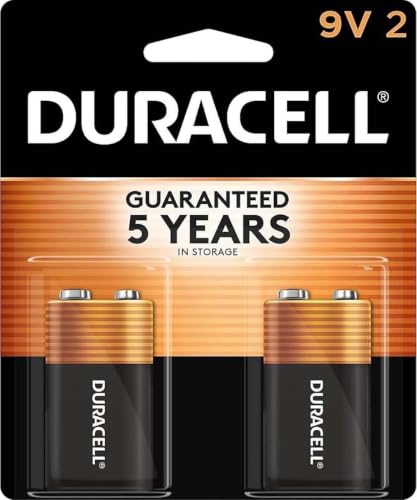
Duracell Coppertop is widely considered the industry standard for reliable alarm power.
Duracell Coppertop batteries are trusted for critical safety devices for a reason. This two-count pack is ideal if you just need to swap out a single unit quickly. The brand guarantees five years of storage stability, ensuring they’re fresh when you finally need them.
They deliver professional-grade reliability specifically for smoke alarms, and that copper top design makes them instantly recognizable. These cells tend to resist leakage better than generic alternatives, and they maintain voltage stability throughout their lifespan, which helps prevent premature low-battery warnings.
I’d choose this option if maximum brand trust and availability are your priorities. It fits perfectly in most standard detector models. While the two-pack is convenient for immediate needs, buying larger packs usually offers better long-term value.
These batteries perform well in typical indoor environments, though they might be less suitable for unheated attics or garages. Always check the expiration date before purchasing to be sure.
|
3
|
DURACELL Coppertop 9V Battery, 6 Count, Smoke Detector Battery |
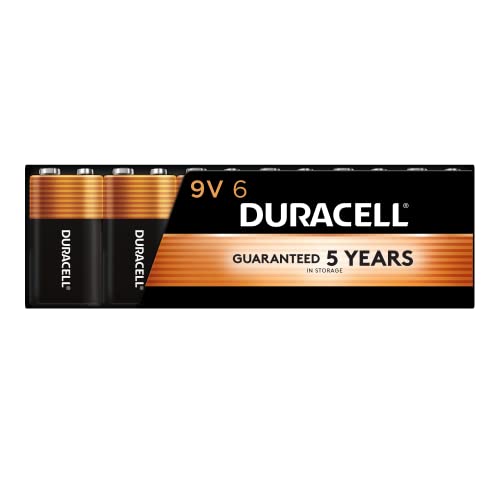
The six-pack strikes a nice balance between quantity and premium reliability for families.
This six-count Duracell pack supports medium-sized households effectively, covering multiple detectors with a single purchase. The five-year storage guarantee applies to each cell, so you can stock up without worry. The batteries feature robust construction against leakage and power both smoke detectors and carbon monoxide alarms equally well.
Professional users often rely on this chemistry for critical tools because the consistent output ensures fewer false alerts. The packaging is secure and easy to store.
This is ideal for families with three or more detectors. The mid-size pack avoids overbuying while ensuring you have enough coverage. These cells handle continuous low-drain usage efficiently. They may cost slightly more per unit than bulk generics, but the reliability justifies the premium.
I’d use them in primary living areas for peace of mind and replace all units simultaneously for uniform performance.
|
4
|
PKNOVA 9V Batteries Carbon 9 Volt Battery for Smoke Detector 9V 6F22 Square Battery, Long- |

PKNOVA offers temperature resilience that makes them great for harsh environments.
PKNOVA batteries feature improved low self-discharge technology, allowing them to operate effectively in temperatures ranging from negative four to one hundred forty degrees. This makes them particularly suitable for garages or attics where temps fluctuate.
The double-sealed design prevents leakage into sensitive electronics, and each pack contains four fully charged cells. They are free from harmful heavy metals like mercury, which appeals to eco-conscious consumers. The square 6F22 format fits standard nine-volt slots without issue.
I’d select these specifically for detectors in unconditioned spaces. Their temperature tolerance exceeds standard alkaline limits, and the leak-proof seal protects expensive detector hardware. While they may have slightly lower capacity than top-tier brands, their durability in extreme conditions is notable. They are perfect for seasonal homes or outdoor sheds.
|
5
|
Energizer MAX 9V Batteries (4 Pack), 9 Volt Alkaline Batteries |

Energizer MAX provides proven longevity while incorporating recycled materials.
Energizer MAX batteries are a staple in household safety. This four-pack delivers long-lasting power for everyday devices, and the cells hold a charge for up to five years in storage. They contain up to four percent recycled materials, which reduces environmental impact without sacrificing performance.
The alkaline chemistry ensures stable voltage output, and they fit securely in most smoke detector models. Users generally report consistent performance over twelve months, and the packaging is compact enough for easy storage.
These are great for environmentally aware homeowners seeking reliability. They balance performance with sustainability goals and work well in standard indoor detectors. I’d avoid using them in high-humidity areas without extra protection. The four-pack size is convenient for small apartments.
Replace them annually to ensure peak sensitivity and trust the brand for critical emergency preparedness.
|
6
|
PKCELL 9V Batteries 10 Pack 9 Volt Battery for Smoke Alarms | 6F22 Square Battery Carbon Z |

PKCELL carbon zinc cells are designed specifically to provide steady power for alarms.
PKCELL focuses exclusively on smoke alarm compatibility, and this ten-pack offers exceptional value for large properties. The carbon zinc chemistry provides steady, uninterrupted power optimized for low-drain continuous use scenarios. The leak-proof design protects internal detector components, and these batteries fit most standard nine-volt models precisely.
They reduce the frequency of replacement needs, and the high quantity ensures you never run out. Quality manufacturing helps prevent corrosion issues.
This is best for landlords or large multi-story homes where the bulk quantity lowers the cost per unit significantly. Carbon zinc performs well in constant low-drain apps, though they may not suit high-drain devices like flashlights. I’d use them strictly for smoke and gas alarms.
The steady output minimizes false chirping events, making them a smart choice to stock up on for annual maintenance days.
|
7
|
Energizer Alkaline Power 9V Batteries (8 Pack), Long-Lasting | Smoke detector battery for |

Eight Energizer Alkaline Power cells ensure long-term readiness for multiple devices.
This eight-pack of Energizer Alkaline Power batteries offers versatility for emergencies and daily use. The cells last up to five years in storage, ensuring freshness for long-term emergency kits. They power smoke detectors, radios, and clocks effectively.
The inclusion of recycled materials supports sustainability, and the alkaline formula handles moderate drain well. Packaging is durable for long-term storage, and users tend to trust the brand for critical safety applications.
These are suitable for comprehensive home safety setups. The eight-pack covers multiple detectors and spare devices, performing consistently in standard indoor conditions. I’d avoid exposure to extreme heat or moisture. The price point is competitive for branded alkalines.
Use them for primary living area detectors and replace annually to maintain optimal alertness.
|
8
|
HW CR123A 3V Lithium Battery 6-Pack, 1700mAh High Capacity 123 Batteries | 10-year shelf l |

HW Lithium cells offer a ten-year shelf life, making them ideal for set-and-forget safety.
HW CR123A lithium batteries differ from standard nine-volt cells; they are designed for specific lithium-compatible detectors. The seventeen hundred mAh capacity exceeds standard ratings, and these cells feature a ten-year shelf life. This makes them ideal for hard-to-reach installations where you don’t want to climb a ladder often.
They operate reliably from negative forty to one hundred fifty-eight degrees. The leak-proof design includes PTC protection, and UL and RoHS certifications ensure safety compliance. They fit fire alarms and range finders.
Only use these if your detector specifically specifies CR123A; they are not interchangeable with nine-volt alkalines. The long shelf life reduces maintenance frequency drastically, making them ideal for sealed units or high-ceiling mounts. The higher upfront cost is offset by longevity, and they perform exceptionally in extreme weather conditions.
Verify compatibility before purchasing to avoid errors.
|
9
|
XUNIUZERO 9V Batteries 6F22 Square Battery (4 Pack) for Smoke Detector Alarm System, Wirel |

XUNIUZERO offers eco-friendly carbon zinc power for standard alarms.
XUNIUZERO batteries prioritize environmental safety, containing no mercury, cadmium, or lead. The carbon zinc construction is corrosion-resistant, protecting detector internals from damage. The double-sealed steel shell prevents leakage, and they operate effectively in wide temperature ranges. The four-pack suits small household needs, and the low self-discharge design extends usable life.
These cells fit standard 6F22 slots perfectly.
I’d choose this for eco-friendly basic power needs. They are suitable for standard indoor smoke alarms, and the leak-proof design adds a layer of hardware protection. Performance is adequate for low-drain sensors, though they may not last as long as premium alkalines.
However, the environmental benefits are significant, making them ideal for green-conscious homeowners on a budget.
|
10
|
Energizer MAX 9V Batteries (4 Pack), 9 Volt Alkaline Batteries |

Energizer MAX four-pack delivers consistent standard alkaline performance.
This second listing for Energizer MAX reinforces its popularity. The four-pack provides reliable nine-volt power, and these alkaline batteries hold a charge for five years. They are essential for everyday safety devices, and the recycled material content supports green initiatives. Users depend on them for smoke detectors and toys.
The consistent voltage output prevents premature warnings, packaging is secure and easy to open, and they fit most standard residential detector models.
This is a solid choice for routine annual replacements. The four-pack size is manageable for small homes, offering predictable performance in indoor settings. I’d avoid using them in extreme temperature zones. The brand reputation ensures quality control.
Replace them every twelve months for best results and keep a spare pack in your utility drawer.
Selecting the right battery really depends on your home layout. Bulk packs save money for large houses, while lithium options suit extreme environments best. Standard alkalines work well for most indoor units, but I always prioritize leak-proof designs to protect your hardware.
Keep spares on hand for your annual testing days so you aren’t caught short.
Testing After Installation
Recommended Products


Installing new batteries is only half the job; you must verify the detector functions correctly. This section covers proper testing methods to ensure everything is working.
After inserting fresh batteries, reattach the detector to its mount. If it’s hardwired, ensure the wiring harness clicks into place, then restore power at the circuit breaker. Wait a few moments for the unit to initialize, then press and hold the test button for several seconds.
You should hear a loud, piercing alarm sound, which confirms the sensor and siren are working. If there is no sound, check the battery orientation and ensure the contacts are clean and tight. Repeat the test for every detector in the house.
I recommend documenting the date of replacement for future reference and setting a calendar reminder for next year. Regular testing ensures your family stays safe.
Troubleshooting Common Issues
| Symptom | Likely Cause | Quick Fix |
|---|---|---|
| Continuous chirping | Battery not seated | Reinsert battery firmly |
| No test sound | Dead battery | Try a fresh cell |
| Red light off | Power loss | Check breaker switch |
When To Replace The Whole Unit
Batteries cannot fix an expired detector, as every device has a finite lifespan. Learn when it’s time to buy a new unit entirely.
- Check the manufacture date on the back label.
- Replace units older than ten years immediately.
- Upgrade if buttons become unresponsive or sticky.
- Switch to smart models for remote monitoring capabilities.
- Discard old units according to local e-waste rules.
Smoke detectors degrade over time due to sensor contamination. The radioactive material in ionization models decays slowly, while photoelectric sensors accumulate dust and insects. Most manufacturers recommend replacement every decade, so look for a date stamp on the back casing. If the unit is older than ten years, replace it.
Newer models offer better false alarm resistance, and smart detectors can send alerts directly to your phone while interconnecting wirelessly for whole-home coverage. Do not attempt to repair internal components yourself. Disposal requires careful handling of electronic waste, so check local regulations for recycling options.
Upgrading ensures your home meets current safety codes.
Replacing your smoke detector battery is a quick but vital task. Start by gathering the correct nine-volt cells today. Test each unit after installation to confirm it works, and set a recurring calendar reminder for next year. This simple habit ensures your family stays protected from fire hazards.

- 10 Best Battery For Generator Ev Battery Bank Marine 2026 - October 27, 2026
- 10 Best Battery For Generator Ev Battery Bank Lto 2026 - October 27, 2026
- 10 Best Battery For Generator Ev Battery Bank Low Voltage 2026 - October 27, 2026