Magnets Near Batteries: Terminal Insulation and Short-Circuit Risks
Placing a strong magnet near a battery terminal creates an immediate risk of short circuits or magnetic interference. You might wonder if simple insulation solves this safety hazard effectively. The answer depends on the specific type of magnet and your battery setup.
This guide explains the physics behind magnetic fields and electrical currents. We will also review ten specific insulation products designed to protect your components from heat and accidental contact.
Why Magnets Threaten Battery Safety
Understanding the interaction between magnetic fields and electrical currents is crucial before adding any insulation layer. Many users assume magnets only affect electronics, but they pose physical risks too.
The Risk of Magnetic Interference
Strong neodymium magnets can disrupt the internal chemical balance of certain battery types. While lead-acid batteries remain mostly unaffected by external fields, lithium-ion cells are more sensitive. A powerful magnet placed directly against a cell might induce unwanted current loops. These loops generate heat inside the battery pack over time.
Excessive heat accelerates degradation and reduces overall capacity significantly. Always maintain a safe distance between high-gauss magnets and sensitive battery management systems.
Physical Short Circuit Dangers
The most immediate danger involves the magnet itself acting as a conductor. If a metal magnet bridges the positive and negative terminals, a massive short circuit occurs instantly. This event releases tremendous energy in the form of sparks and intense heat.
Insulation serves as a critical barrier to prevent this physical contact. Even non-conductive magnets can shift during vibration and knock loose wires together. Proper wrapping ensures that no metal object touches both terminals simultaneously under any driving condition.
- Never place bare metal magnets directly across battery terminals without a barrier.
- Use non-conductive tape to cover magnet surfaces before mounting near power sources.
- Check for loose wiring that magnets could pull into contact with live posts.
- Select insulation materials rated for high temperatures to prevent melting.
- Ensure your insulation kit fits snugly to avoid shifting during vehicle operation.
Insulation Picks To Protect Your Battery
Selecting the right barrier depends on whether you need thermal protection or simple electrical isolation. The following products offer varied solutions for different battery sizes and magnet strengths. Each option provides a specific layer of defense against shorts and heat buildup.
|
1
|
1PC 36″X7″ Car Battery Insulation Kit, Anti-Conductive Car Battery Blanket |

This blanket wraps small Group 24 batteries completely, preventing magnets from touching terminals directly.
This kit includes a 36×7 inch blanket designed specifically for smaller car batteries like Group 24 types. It features a self-adhesive backing and hook-and-loop closure for a secure fit around the casing. The material combines silica gel cloth with flame-retardant felt to resist extreme temperatures.
By covering the entire battery surface, it stops external metal objects from bridging connections. The aluminum foil layer adds extra reflection against radiant engine heat.
Ideal for compact cars where space limits larger insulation options. Users should note the fiberglass content requires careful handling to avoid skin irritation during installation. It works best when wrapped tightly to eliminate gaps where magnets could slip through. The pre-oxygenated felt ensures longevity even in hot engine bays.
This is a solid choice for standard sedan batteries needing basic magnetic isolation.
|
2
|
Car Battery Insulation Blanket, 40x7In Thiker Battery Insulation Kit, 5mm | Car Battery Th |

Its 5mm thickness offers superior cushioning that keeps heavy magnets away from sensitive battery walls.
Measuring 40×7 inches, this thicker 5mm blanket provides robust protection against both cold and heat. The upgraded material density creates a substantial buffer between your battery and any nearby magnetic mounts. Silicone cloth and aluminum foil layers work together to block radiant heat effectively.
You can cut this roll to custom shapes for irregular battery configurations. The DIY nature allows precise coverage around terminal posts where magnets often cause issues.
Perfect for truck owners who need durable shielding against vibration and stray metal parts. Installation requires scissors and safety gear due to the dense composite materials. The extra thickness might make fitting into tight battery trays slightly challenging. However, the thermal retention benefits in winter outweigh minor fitting difficulties.
This option excels in harsh climates where temperature swings threaten battery health.
|
3
|
BSTFLEX Battery Wrap Heat Shield Barrier Cell Saver Battery Insulation Kit (40” x 8”) |

Rated for 2000 degrees F, this shield prevents heat buildup caused by magnetic induction near cells.
The BSTFLEX wrap measures 40 inches long by 8 inches wide, offering generous coverage for various battery sizes. Its self-adhesive design simplifies installation without needing additional tapes or fasteners. The material withstands ambient temperatures up to 2000 degrees Fahrenheit, making it ideal for high-heat zones.
High resistance to oil spills and abrasion ensures long-term durability under the hood. This barrier effectively isolates the battery casing from external conductive objects.
Best suited for performance vehicles where engine bay temperatures rise significantly. The wide format accommodates larger automotive or marine battery packs easily. Users appreciate the vibration damping properties that protect internal cell structures. While pricier than basic felt kits, the advanced polymer blend justifies the cost.
It provides peace of mind against both thermal stress and accidental magnetic shorts.
|
4
|
Car Battery Insulation Blanket, 40 x 7 in Battery Insulation Kit(1 pcs,3mm) | Car Battery |

This 3mm kit neutralizes acid leaks while blocking magnets from contacting bare terminal posts.
This 40×7 inch kit uses fire-resistant materials capable of withstanding direct heat up to 1800 degrees. The flexible design allows for a snug wrap that conforms to standard battery shapes. Instructions detail a clear process for trimming and sealing edges with included tape.
It captures harmful acids to prevent corrosion on surrounding metal components. The insulation layer acts as a reliable shield against conductive magnets slipping onto terminals.
Great for older vehicles where battery acid leakage is a common concern alongside magnetic risks. The trimming process takes only minutes but requires careful measurement for optimal coverage. Edge sealing tape ensures the wrap stays intact despite engine vibrations.
Some users may find the 3mm thickness less insulating than thicker alternatives. Nevertheless, it offers excellent value for basic electrical isolation needs.
|
5
|
Design Engineering Cell Saver Battery Insulation Kit |

Integrated acid-neutralizing tech protects components if a magnet causes a leak or short.
Design Engineering’s Cell Saver utilizes advanced thermal barriers rated for 2000 degrees of radiant heat. The unique feature here is the integrated technology that traps and neutralizes battery acid leaks. This dual-action approach safeguards both the battery and adjacent electronic sensors from damage.
Installation is straightforward with a clean finish that looks professional under the hood. The material remains safe to touch even after prolonged exposure to engine heat.
Recommended for enthusiasts who want maximum protection against chemical and electrical hazards. The acid-neutralizing capability adds a layer of safety absent in standard wraps. It fits well in tight compartments due to its flexible yet durable construction.
While it lacks the self-adhesive backing of some competitors, the performance benefits are significant. This product addresses the root causes of battery failure comprehensively.
|
6
|
Car Battery Insulation Blanket, 59 x 7 in, 1PCS | Self-adhesive car battery thermal wrap & |

At 59 inches long, this wrap covers large battery banks where multiple magnets might be mounted.
This extra-long 59×7 inch blanket provides extensive coverage for large or dual-battery setups. Constructed from 5mm high-density material, it resists tears and extreme heat up to 1800 degrees. The self-adhesive backing peels easily for quick application without messy adhesives.
Its insulating properties effectively block current conduction to prevent accidental short circuits. The length allows users to wrap multiple batteries or create custom liners for battery boxes.
Excellent for RVs and off-road trucks with oversized battery compartments. The generous size eliminates the need to splice multiple smaller pieces together. Cutting the material to fit specific contours is simple with standard shears. One roll often suffices for entire projects, reducing waste and cost.
This is the go-to solution for complex installations requiring broad protective coverage.
|
7
|
83″ x 7″ Car Battery Insulation Kit, Universal Battery Blanket | Car Battery Insulation Co |
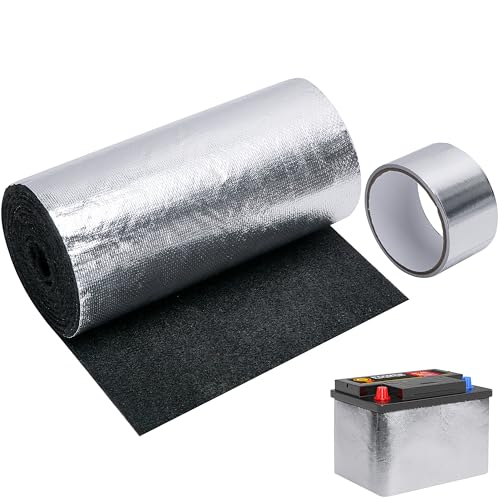
Includes foil tape to seal seams, ensuring no magnet can penetrate the insulation layer.
This universal kit comes with an 83-inch roll of fire-resistant cotton and aluminum foil tape. The combination provides water resistance and shock absorption for batteries in rough conditions. Temperatures up to 1000 degrees Celsius pose no threat to this durable composite material.
Installation involves cutting the wrap to size and securing it with the provided adhesive tape. The comprehensive coverage ensures no exposed areas remain vulnerable to magnetic interference.
Ideal for users who prefer a traditional wrap-and-tape method for total customization. The included foil tape strengthens seams against peeling during high-vibration events. Cleaning the battery surface before application is essential for proper adhesion. The sheer length of the roll supports multiple applications or future replacements.
It delivers reliable thermal and electrical insulation for diverse vehicle types.
|
8
|
E-outstanding 18650 Battery Insulator Gasket 100PCS 18650 Lithium Battery Insulator Rings |
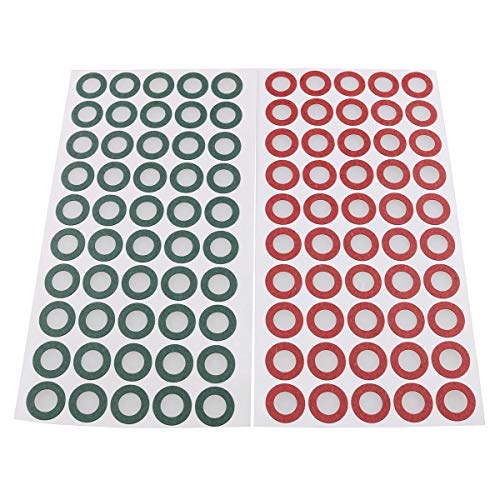
These adhesive rings insulate individual 18650 cells, stopping magnets from shorting tiny terminals.
This pack contains 100 adhesive paper gaskets designed specifically for 18650 lithium battery cells. Each red or green ring measures 17mm externally to cover the positive terminal area completely. The hollow paper material offers good insulation and corrosion resistance for small-scale projects.
Peeling and sticking these rings takes seconds, providing instant protection against short circuits. They prevent metal magnets from bridging the gap between the cell top and casing.
Essential for hobbyists building custom battery packs for drones or flashlights. The color-coding helps identify polarity quickly during assembly processes. While not suitable for large car batteries, they are perfect for portable electronics. Ensuring a clean, grease-free surface maximizes the adhesive bond strength.
These small insulators are a critical safety component for anyone working with loose lithium cells.
|
9
|
40×7” Battery Insulation Kit for Universal Car 2 Pcs Battery Wrap Blanket | 5mm Thickness |

Two rolls provide ample material to double-wrap batteries for extra magnetic field dampening.
Featuring two 40×7 inch rolls, this kit offers redundancy and flexibility for various battery sizes. The 5mm thickness provides substantial cushioning against vibration and physical impact. Self-adhesive backing streamlines the installation process for DIY mechanics. The material helps stabilize battery performance by reducing exposure to extreme weather conditions.
Having two rolls allows for double-layering or covering multiple batteries in a single vehicle.
Perfect for fleet owners or garages needing bulk supplies for regular maintenance tasks. The trim-to-fit design adapts easily to unusual battery shapes found in older models. Extra material serves as a handy reserve for future repairs or upgrades. The thermal barrier properties help extend battery life in fluctuating climates.
This value pack ensures you never run out of protection when needed most.
|
10
|
2 Set of 83 x 7″ Car Battery Insulation Kit, Universal Battery Blanket | Car Battery Insul |

Double the supply means you can insulate both the battery and the magnet mount separately.
This set includes two 83-inch rolls of insulation wrap plus two rolls of aluminum foil tape. The fire-resistant cotton material withstands temperatures up to 1000 degrees Celsius effectively. Water and corrosion resistance make it suitable for marine or off-road environments.
The extensive length supports full coverage of large truck or RV battery banks. Securing the wrap with the included tape creates a seamless protective shell.
Best for professional installers tackling multiple vehicles or large-scale battery projects. The dual-roll setup ensures consistent protection across all units in a fleet. Applying the foil tape over seams enhances durability against moisture ingress. Proper safety gear is recommended during cutting and fitting procedures.
This comprehensive kit leaves no room for error in critical insulation applications.
These ten options range from small cell gaskets to massive truck blankets, covering every insulation need. Selecting the right one depends on your battery size and the strength of the magnets involved. Proper installation ensures your power source remains safe from shorts and heat.
Installing Insulation Without Errors
Correct application determines whether your insulation actually prevents magnetic shorts or just adds bulk. Skipping prep steps often leads to premature failure or poor adhesion.
Disconnect the negative battery terminal first to eliminate shock risks immediately.
Clean the battery casing thoroughly with baking soda water to remove old acid residue.
Measure the required wrap length allowing one inch of overlap for secure sealing.
Cut the insulation material carefully using sharp scissors for clean, straight edges.
Press the adhesive side firmly onto the battery, smoothing out air bubbles gently.
Reconnect the terminals and test the system to ensure no wires touch the wrap.
Safety gear like gloves and goggles is mandatory when handling fiberglass-based insulation kits. Dust from cutting can irritate eyes and skin if proper precautions are ignored. Always work in a ventilated area to avoid inhaling particles from the composite materials.
Ensure no loose strands of the wrap hang near moving engine parts like belts. A tidy installation not only looks better but functions more reliably over time. Double-check that terminals remain accessible for future maintenance or jump-starting needs.
Maintaining Your Battery Shield
Insulation degrades over time due to heat cycles and chemical exposure, requiring periodic checks. Ignoring wear can expose your battery to the very risks you tried to prevent.
| Issue | Cause | Solution |
|---|---|---|
| Peeling edges | Heat cycling or poor cleaning | Re-seal with high-temp foil tape |
| Acid stains | Internal leak or spill | Replace wrap and clean terminals |
| Cracking material | Age or extreme dryness | Install fresh insulation kit |
| Loose fit | Vibration or shrinkage | Tighten straps or re-wrap fully |
Regular inspections during oil changes help catch early signs of insulation breakdown. Look for discoloration or brittleness which indicates the material is nearing end-of-life. Replace damaged sections immediately to maintain continuous protection against magnetic shorts. Keep spare tape on hand for quick repairs of minor tears or lifted corners.
Proactive maintenance extends the life of both the insulation and the battery itself. A well-maintained barrier ensures your magnet setup remains safe indefinitely.
Yes, you should insulate your magnet from your battery to prevent dangerous short circuits and heat buildup. Start by measuring your battery today and ordering a kit that fits your specific size. Taking this simple step protects your vehicle and ensures reliable power for years to come.

- Marine Chargers and Backup Batteries: 9 Options Compared (2026) - October 27, 2026
- LTO Cells vs. SLA Generator Batteries: 5 Options Compared (2026) - October 27, 2026
- 12V/24V Backup Batteries and the EcoFlow DELTA Pro 3 (2026) - October 27, 2026