Smoke Alarm Battery Types: 9V, AA and Sealed Lithium Designs
Most smoke alarms run on a standard 9-volt battery, though some newer models use sealed lithium cells or AA batteries. When I replace a battery in an existing alarm, my first step is always matching the old cell exactly.
Still, plenty of homeowners upgrade during installation or after a power outage and wonder which chemistry lasts longest or costs least over time.
This piece breaks down the battery types smoke alarms commonly accept and highlights specific picks for different scenarios, so you can grab the right replacement without second-guessing yourself.
Why Battery Type Matters For Smoke Alarms
Smoke alarms draw very little current, but they have to stay powered around the clock. Using the wrong battery type often leads to those annoying low-battery chirps in the middle of the night, or worse, a failure to activate during an emergency.
Matching the voltage and connector shape prevents these safety gaps entirely.
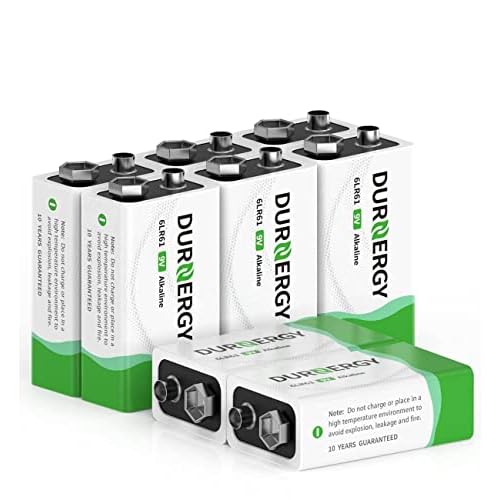
A standard ionization or photoelectric smoke alarm typically requires a 9-volt alkaline battery with a rectangular snap connector. Lithium 9-volt variants fit the same slot, but their higher price tag makes more sense if you want ten-year replacements.
Some compact alarms accept AA or AAA stacks, which are easier to find at the corner store but usually need changing more often. Hardwired units often carry sealed backup batteries that shouldn’t be swapped without professional help.
I’d also watch out for mismatched chemistry; using the wrong type can lead to corrosion inside the battery compartment, damaging the alarm circuitry over time.
Common Battery Types For Smoke Alarms
| Alarm Type | Battery Used | Typical Life | Replacement Notes |
|---|---|---|---|
| Standard ionization | 9V alkaline | 6-12 months | Change yearly |
| Low-draw photoelectric | 9V lithium | 5-10 years | One-time install |
| Compact designs | AA or AAA pack | 12-18 months | Check polarity |
| Hardwired with backup | Sealed lithium | 5-10 years | Professional service |
Picks To Power Your Smoke Alarm
Replacing a smoke alarm battery should be a quick task, not another chore lingering on your list. Each product below fits common alarm models and addresses specific needs like cost, runtime, or convenience.
Whether you’re outfitting one hallway detector or replacing batteries across a whole house, my read is that a suitable match is listed here.
|
1
|
Amazon Basics 8-Pack 9V Long-Lasting Alkaline Batteries for Smoke Detector, Electronics & |

Eight 9-volt alkaline cells cover every detector in a typical home, lowering the per-unit cost significantly.
Amazon Basics 8-Pack 9V Long-Lasting Alkaline Batteries deliver eight standard alkaline cells in frustration-free packaging. Each unit outputs 9 volts, fitting most household smoke detectors without adapters. The 5-year shelf life keeps extras ready for emergencies or annual swaps.
I would shortlist this pack for budget-conscious buyers replacing several alarms at once, since buying in bulk cuts the per-unit price noticeably. These are single-use alkaline cells, so anyone who prefers rechargeables should look elsewhere. Storage tabs keep the terminals protected until you’re ready to install them.
|
2
|
DURACELL Coppertop 9V Battery, 6 Count, Smoke Detector Battery |
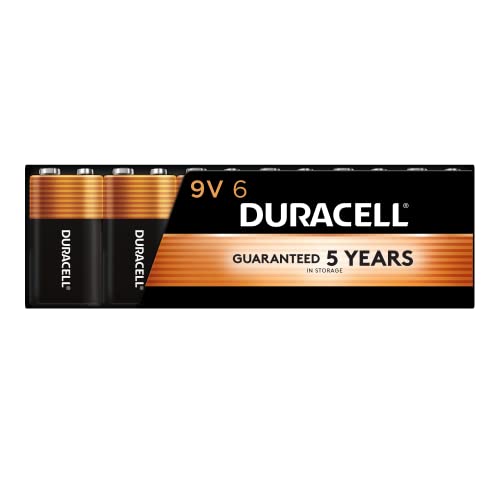
Six Duracell 9V Coppertop cells provide professional-grade reliability backed by a five-year freshness guarantee.
Duracell Coppertop 9V Battery, 6 Count, packs six alkaline cells optimized for smoke detectors and security gear. Each battery carries Duracell’s signature copper-top design, signaling trusted voltage stability in low-drain devices.
This is my pick for homeowners who replace batteries annually, since the 5-year storage guarantee prevents premature expiration while they sit in a drawer. They also power walkie-talkies and guitar pedals, adding versatility beyond home safety.
Just note the pack is limited to six units, so larger homes may need multiples.
|
3
|
Energizer MAX 9V Batteries (4 Pack), 9 Volt Alkaline Batteries |

Four Energizer MAX 9V cells balance affordability and leak resistance for reliable smoke alarm operation.
Energizer MAX 9V Batteries (4 Pack) supply four alkaline cells designed for everyday devices including smoke detectors. The 9V size with standard snap connector fits most residential alarms without modification.
I’d recommend this four-pack for small households with one or two alarms, since it covers a single round of replacements without leaving too many spares sitting around. They hold charge up to five years in storage, reducing waste from expired backups.
They also contain up to 4% recycled material, which appeals to eco-aware buyers.
|
4
|
XUNIUZERO 9V Batteries 6F22 Square Battery (4 Pack) for Smoke Detector Alarm System, Wirel |

Four carbon-zinc 9V cells resist leaks and extreme temperatures, protecting smoke detector internals during harsh weather.
XUNIUZERO 9V Batteries 6F22 Square Battery (4 Pack) uses carbon-zinc chemistry housed in a corrosion-resistant steel shell. The square 9V form factor fits standard snap connectors found in most smoke alarms.
My read is that these work best for temporary installations or regions with harsh winters, since performance stays stable from -4°F to 140°F. They’re environmentally friendly, containing no mercury, cadmium, or lead.
Just keep in mind that carbon-zinc doesn’t last as long as alkaline, so I would check these more frequently.
|
5
|
Duracell Coppertop 9V Battery, 2 Count, Smoke Detector, Long-lasting |
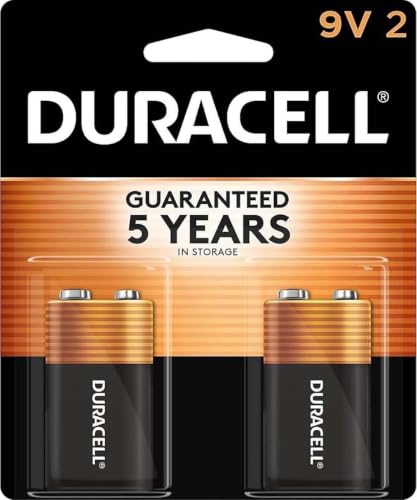
Two Duracell Coppertop 9V cells suit single-alarm users who value trusted branding and five-year storage life.
Duracell Coppertop 9V Battery, 2 Count, delivers two alkaline cells tailored for smoke detectors and emergency devices. Each unit maintains 9 volts through Duracell’s proven discharge curve.
Perfect for apartment dwellers with just one alarm, avoiding leftover unused cells cluttering a drawer. The five-year storage guarantee ensures freshness even when stored for future replacements. The per-unit cost is higher than larger packs, making it less economical for multi-detector homes.
|
6
|
PKCELL 9V Batteries 10 Pack 9 Volt Battery for Smoke Alarms | 6F22 Square Battery Carbon Z |

Ten PKCELL 9V cells cover large homes generously while resisting leaks that could damage detector circuits.
PKCELL 9V Batteries 10 Pack 6F22 Square Battery uses carbon-zinc chemistry in a corrosion-resistant shell for smoke alarms and fire detectors. Each 9V unit snaps into standard alarm connectors without adapters.
I would shortlist this 10-pack for big households needing backups across multiple floors, since ten cells easily exceed annual replacement needs. The leak-proof design protects internal alarm components from corrosion. Carbon-zinc drains faster than alkaline, though, prompting more frequent swaps.
|
7
|
PKNOVA 9V Batteries Carbon 9 Volt Battery for Smoke Detector 9V 6F22 Square Battery, Long- |

Four PKNOVA 9V cells combine full factory charge with wide temperature tolerance for reliable detector power.
PKNOVA 9V Batteries Carbon 6F22 Square Battery supplies four 9V cells engineered for smoke detectors and low-drain electronics. Each unit is pre-charged and sealed with double layers for leak resistance.
Ideal for users installing detectors in unheated attics or garages, since performance holds from -4°F to 140°F. Free from chromium, lead, and mercury, meeting green living standards. Carbon-zinc chemistry limits longevity compared to alkaline competitors.
|
8
|
Amazon Basics 12-Pack 9V Long-Lasting Alkaline Batteries, 5-Year Shelf Life – for Smoke De |

Twelve Amazon Basics 9V alkaline cells cover whole-home stockpiles at the lowest price per unit available.
Amazon Basics 12-Pack 9V Long-Lasting Alkaline Batteries includes twelve 9V alkaline cells in certified frustration-free packaging. Each unit delivers standard alkaline voltage for smoke detectors and household electronics.
Best for families buying annual replacements in bulk, cutting recurring costs over several alarm cycles. Shelf life extends up to five years, so stored extras remain viable. Not rechargeable, appealing least to eco-conscious buyers seeking sustainability.
|
9
|
Energizer Alkaline Power 9V Batteries (8 Pack), Long-Lasting | Smoke detector battery for |

Eight Energizer Alkaline Power 9V cells power smoke detectors reliably while supporting routine low-drain use cases.
Energizer Alkaline Power 9V Batteries (8 Pack) provides eight alkaline cells engineered for smoke detectors, radios, and clocks. Each 9V unit retains charge for daily low-drain operation through standard alkaline chemistry.
Recommended for medium-sized homes with three to six detectors, matching typical annual replacement volume. Lasts up to five years in storage, reducing waste from expired backups. Includes up to four percent recycled content, supporting modest sustainability goals.
|
10
|
Duracell CR123A 3V Lithium Battery, 12 Count, 10-Year Storage, High Power |

Twelve CR123A lithium cells power high-drain security cameras and hardwired alarms needing ten-year backup reliability.
Duracell CR123A 3V Lithium Battery, 12 Count, supplies twelve CR123A lithium cells for security cameras and alarm sensors. Each unit outputs three volts, fitting Nest Cam, Ring, and Arlo devices requiring CR123A power.
Targeted at users with high-drain connected alarms or outdoor security cameras, where lithium delivers consistent output. Ten-year storage guarantee keeps spares viable long-term. Voltage differs from standard 9V alarms, so verify device compatibility before purchase.
Whether you’re replacing one hallway alarm or outfitting an entire house, these 9-volt and CR123A batteries match common smoke detector requirements. Budget packs, trusted brands, and climate-resistant chemistries ensure reliable coverage. For hardwired or high-drain systems, lithium options extend service intervals significantly.
How Often To Change Smoke Alarm Batteries
Knowing when to replace a battery prevents unexpected silence during an actual emergency. Most manufacturers recommend yearly swaps, but specific signs indicate urgency.
Test the alarm monthly by pressing the test button until a loud tone sounds.
Replace the battery immediately if the alarm chirps or sounds weak during testing.
Use a permanent marker to write the replacement date on the battery or alarm housing.
Swap the battery on the first day of a designated month, such as New Years or Daylight Saving reset.
Dispose of old batteries at a recycling center, never in regular household trash.
Newer smoke alarms may integrate sealed ten-year lithium batteries that do not require user replacement. However, the entire unit should be replaced after its service life expires, usually decade depending on certification. Keeping replacement batteries nearby guarantees that temporary power loss never leaves a home unprotected.
Regular testing confirms both battery health and detector sensitivity.
Avoiding Common Battery Installation Mistakes
Even reliable batteries fail when installed incorrectly, so checking polarity and connector fit prevents silent alarms. These guidelines address the most frequent errors made during battery swaps.
- Do remove and reseat the battery to ensure a clean electrical connection.
- Do match the old battery exactly, including size and connector shape.
- Do test the alarm immediately after installing a fresh battery.
- Dont mix old and new batteries or different chemistries in the same compartment.
- Dont ignore a low-battery chirp for more than a day or two.
- Dont use generic adapters that could loose connection over time.
Hardwired And Sealed Battery Units
Hardwired alarms connect directly to home wiring and include sealed backup batteries that should not be opened by homeowners. Attempting to replace these cells without proper training risks electrical shock and voids manufacturer warranties. Professional electricians can verify circuit integrity and replace units according to local fire code requirements.
Similarly, interconnected systems linking multiple alarms require synchronized battery changes to maintain compliance.
Most smoke alarms take a standard 9-volt alkaline battery, though some accept AA, sealed lithium, or CR123A cells depending on model. To choose correctly, remove the old battery and match its size and connector before purchasing.
Today, check every alarm at home and note the required battery type, then order replacements in bulk to avoid last-minute shortages.

- Marine Chargers and Backup Batteries: 9 Options Compared (2026) - October 27, 2026
- LTO Cells vs. SLA Generator Batteries: 5 Options Compared (2026) - October 27, 2026
- 12V/24V Backup Batteries and the EcoFlow DELTA Pro 3 (2026) - October 27, 2026