Alkaline and Lithium Cells: Chemistry, Device Use and Product Choices
Choosing between alkaline and lithium batteries can feel like a gamble, until you realize the stakes. A dead alkaline in a smoke detector isn’t just annoying; it’s a safety risk. Lithium batteries in your outdoor cameras might save you from late-night panic when the power cuts out.
The chemistry behind these batteries isn’t just about labels; it’s about how they store energy, how long they last, and whether they’ll perform when you need them most. Here’s how to cut through the confusion and pick the right battery for your needs without overpaying or settling for mediocre performance.
What Battery Chemistry Really Means
Alkaline and lithium aren’t just different brands, they’re entirely different power sources. One uses a zinc-and-potassium mix that slowly dims your flashlight as it dies, while the other clings to near-full power until it’s utterly spent.
The choice isn’t just about cost; it’s about what you’re powering and where you’re using it. A battery that lasts for years in storage might fail miserably in freezing temperatures, and vice versa. Here’s how the two stack up in the real world.
How Alkaline Stores Charge
Alkaline batteries rely on a mix of zinc, manganese dioxide, and potassium hydroxide. They’re like the reliable old car in your driveway, they’ll get you where you need to go, but they won’t win any races.
Their voltage starts strong but gradually fades, which is why your remote control’s button presses feel weaker as the battery dies. This steady decline makes them great for low-drain devices like clocks or toy cars, but not so much for high-tech gadgets that demand consistent power.
How Lithium Stores Charge
Lithium batteries, on the other hand, are the high-performance sports car of the battery world. They pack a lot more energy into a smaller space and maintain their voltage almost until the very end.
That means your digital camera will keep recording, your smart home sensor will stay active, and your flashlight will stay bright, until *poof*, it’s gone. The tradeoff? They cost more upfront, but for critical devices where failure isn’t an option, the peace of mind is worth it.
At the end of the day, the choice comes down to a few key questions: *How often do I replace these batteries? * *What’s the biggest risk if they fail? * *Do I need them to work in extreme heat or cold?
* Alkaline batteries are the budget-friendly workhorse for everyday stuff like remotes and toys, while lithium is the premium pick for high-drain devices, long-term storage, or situations where you can’t afford a failure. Neither is universally better, it’s all about matching the battery to the job.
Products That Answer Your Battery Question
The real-world differences between alkaline and lithium batteries become crystal clear when you compare them side by side. These picks show how each chemistry performs in specific scenarios, whether you’re powering a budget-friendly toy or a high-tech security system. Here’s what to expect from the best options available right now.
|
1
|
Energizer Ultimate Lithium AA Batteries (24 Pack), AA Lithium Batteries | Double A Batteri |

This is lithium at its most reliable, built for devices where failure isn’t an option.
The Energizer Ultimate Lithium AA 24-pack isn’t just another battery; it’s a promise that your critical devices will keep running when you need them most. Whether it’s your outdoor surveillance cameras, digital flashlights, or high-end gaming controllers, these batteries maintain a steady 1.
5V output until they’re nearly empty, unlike alkaline batteries, which gradually lose power and leave you in the dark. And with a temperature range from -40°F to 140°F, they’ll perform in conditions where most alkaline batteries would struggle or fail entirely.
The leak-proof design is a game-changer for expensive gear like cameras, where a failed alkaline battery could mean costly corrosion damage.
With up to 25 years of shelf life, these batteries are essentially future-proof. That said, they’re not cheap per unit, so if you’re powering something like a remote control or a clock, you might find yourself reaching for a cheaper alkaline option instead.
But for devices where reliability is non-negotiable, like security systems or emergency gear, this is the kind of battery that pays for itself over time.
|
2
|
Energizer Ultimate Lithium AA Batteries (8 Pack), 1.5V Lithium Double A Batteries |

A smaller pack of the same high-performance lithium, perfect for testing or backup needs.
If you’re not ready to commit to a full 24-pack but still want the reliability of lithium, this 8-pack from Energizer delivers the same extreme temperature tolerance and long-term storage life. It’s ideal for devices like Blink cameras or outdoor sensors where alkaline batteries would struggle to maintain consistent power.
The steady 1. 5V output ensures your cameras stay active, even in harsh conditions, whereas alkaline batteries would likely dim or shut off prematurely. This pack is a smart way to test lithium performance without the upfront cost of a larger set.
Eight batteries strike a balance between convenience and cost, making it easier to stock up without overspending. Like the larger pack, these hold their charge for decades, but the per-unit price is still higher than alkaline alternatives.
If you’re convinced lithium is the way to go but want to start small, this is a great middle ground.
|
3
|
BEVIGOR 1.5V Long-Lasting Lithium Batteries AA 24 Pack, 20-Year Shelf Life | Reliable Powe |

A more affordable lithium option that still outperforms alkaline in key ways.
BEVIGOR’s 1. 5V lithium AA batteries bring premium performance at a lower price point than Energizer. What sets them apart is their ability to maintain full voltage nearly until depletion, something alkaline batteries can’t match.
This makes them a great choice for security cameras, medical devices, or any application where consistent power is critical. The 20-year shelf life means you can buy them today and trust they’ll be ready tomorrow, no matter how long they sit on the shelf.
While they don’t carry the same brand recognition as Energizer, BEVIGOR offers solid lithium performance at a fraction of the cost. The temperature range is on par with premium brands, though the warranty is shorter.
If you want lithium reliability without the premium markup, this is a smart choice, just be prepared to do a little extra research to ensure quality.
|
4
|
Energizer 123 Lithium Batteries (6 Pack), 3V Photo Batteries | Ready for smart home device |

A specialty lithium battery where alkaline simply can’t compete.
Not all devices use standard AA or AAA batteries. For high-tech gear like security cameras, tactical flashlights, or professional-grade devices, you need a 3V lithium battery like Energizer’s 123. These batteries deliver far more energy density than their alkaline equivalents, ensuring consistent brightness and runtime.
Where alkaline 3V batteries might fade quickly, these lithium versions keep going until they’re truly spent. It’s a clear win for devices that demand reliable, high-performance power.
With a 10-year storage life, these batteries are built to last, though alkaline versions of this size are rare and often underperform. The higher cost per battery is offset by their longevity, making them a smart investment for gear that relies on 3V lithium chemistry.
If your device requires this specific type, there’s no real alternative that matches the performance.
|
5
|
Energizer Ultimate Lithium AAA Batteries (8 Pack), Lithium Triple A Batteries |
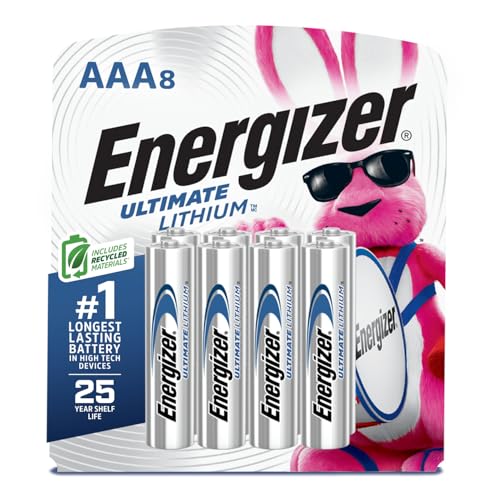
Lithium AAA batteries shine where alkaline voltage fade would slow down your devices.
Gaming mice, key finders, and other high-tech AAA devices benefit from the long-lasting power of Energizer’s Ultimate Lithium AAA batteries. Unlike alkaline batteries, which lose voltage and slow down in cold temperatures, these lithium batteries maintain consistent performance from -40°F to 140°F.
That means your gaming setup won’t lag in a chilly room, and your emergency flashlight will stay bright when you need it most. The leak-proof design also protects compact electronics from corrosion, a common issue with alkaline batteries.
These batteries hold their charge for up to 25 years, making them ideal for emergency gear like flashlights or smoke detectors. That said, the per-cell cost is higher than alkaline, so if you’re powering something like a toy or a low-drain remote, you might find alkaline batteries more budget-friendly.
But for devices where reliability and performance matter, lithium is the clear winner.
|
6
|
Energizer Ultimate Lithium AA Batteries (4 Pack), 1.5V Lithium Double A Batteries |

A smaller lithium AA pack for testing or occasional use.
This 4-pack of Energizer Ultimate Lithium AA batteries gives you the same extreme temperature range and long-term storage life as larger sets, but in a more manageable quantity.
It’s perfect for testing lithium performance on a single device or keeping a few spares on hand for critical gear like smart thermostats or outdoor security cameras. The steady 1. 5V output ensures your devices run reliably, whereas alkaline batteries would likely fail sooner in high-drain or cold conditions.
Four batteries are enough to cover occasional use or experiment with lithium before committing to a larger pack. The higher upfront cost per cell is offset by the fact that you’ll need fewer replacements over time, especially in demanding environments.
If you’re on the fence about switching to lithium, this is a low-risk way to try it out.
|
7
|
Duracell CR123A 3V Lithium Battery, 2 Count, 10-Year Storage, Long-lasting | Reliable lith |

A trusted lithium option for professional-grade devices where alkaline falls short.
Duracell’s CR123A 3V lithium batteries are the gold standard for high-performance devices like tactical flashlights and professional security cameras. Law enforcement and outdoor enthusiasts rely on them because they deliver consistent, high-energy output, something alkaline batteries simply can’t match.
Where alkaline versions might fade quickly, these lithium batteries keep going until they’re completely drained, ensuring your gear performs when you need it most.
With a 10-year storage guarantee, these batteries are built to last, though they come at a premium price. The wide temperature range makes them ideal for outdoor security gear, and the reliability is unmatched.
If your device requires 3V lithium performance, this is the battery to trust, just be prepared to pay more for the peace of mind.
|
8
|
Energizer AA Batteries, MAX Double AA Battery Alkaline, 4 Count |

The budget-friendly alkaline option that still outperforms standard alkaline.
Energizer MAX alkaline AA batteries are the budget-conscious alternative to lithium, offering up to 100% longer life than standard alkaline in low-drain devices like remotes and clocks.
They hold their charge for 15 years, making them a practical choice for everyday household use where cost is a bigger concern than runtime. For something like a smoke detector or a toy, they’re a no-brainer, they’re cheap, reliable, and won’t break the bank if you need to replace them.
The downside? Their voltage fades gradually, so high-drain devices will run down faster than with lithium. They’re also not rated for extreme temperatures, which can be a problem if you store them in a hot attic or a freezing garage.
But for inexpensive devices where replacement cost matters more than longevity, these are a smart pick.
|
9
|
Energizer AA Batteries, Ultimate Double A Battery Lithium, 12 Count | Double A Batteries, |

A mid-sized lithium AA pack for regular use without going all-in.
This 12-pack of Energizer Ultimate Double A lithium batteries strikes a balance between cost and performance. They’re built to handle extreme temperatures, from -40°F to 140°F, making them a great choice for flashlights, electronics, and other devices that might be stored in harsh conditions.
The leak-proof design protects your gear from corrosion, a common issue with alkaline batteries. It’s a solid middle ground for users who want lithium reliability without committing to a full 24-pack.
Twelve batteries are enough to cover regular replacements without overcommitting. They hold their charge for up to 20 years, slightly less than the larger pack claims, but still far outlasting alkaline alternatives.
The cost is higher than alkaline MAX, so it’s best suited for devices where lithium performance is a must, like high-drain electronics or outdoor gear.
|
10
|
Energizer MAX D Batteries (12 Pack), D Cell Alkaline Batteries |

Where size matters, alkaline D cells still hold an advantage in cost.
Energizer MAX D alkaline batteries are the heavyweight champions of capacity, ideal for high-current devices like large flashlights or portable radios. They deliver far more runtime than AAA or AA alkaline batteries at a fraction of the cost of lithium D cells (which, by the way, don’t exist in this size).
If you’re powering something like a camping lantern or a portable speaker, these batteries will keep going for hours on a single charge, making them a practical choice for seasonal gear.
The tradeoff is that there are no lithium D cells to compare, so runtime ends where alkaline voltage fades. They hold their charge for 10 years, which is great for seasonal use, but they’re not leak-proof, so devices need some protection against corrosion.
If you’re powering something large and high-drain where cost is the biggest factor, these are a solid pick, but for critical devices, lithium would be the safer bet.
From the data, it’s clear that alkaline and lithium batteries each excel in different scenarios. Alkaline batteries are the smart, budget-friendly choice for low-drain devices like remotes, clocks, and toys where cost matters more than longevity.
Lithium, on the other hand, dominates in high-drain applications, extreme temperatures, or situations where long-term storage is a priority. The best pick isn’t always the most expensive, it’s the one that matches your device’s needs and your environment.
Whether you’re powering a cheap toy or a high-tech security system, the right battery makes all the difference.
Matching Each Battery To The Right Device
Not every device needs a premium battery, and not every budget can afford one. The key is matching the right chemistry to the job. A lithium battery in a remote control is like a race car in a parking lot, overkill and a waste of money.
But in a critical device like a smoke detector or a security camera, skipping lithium could mean costly failures down the line. Here’s how to make the smartest choice for your specific needs.
| Device Type | Best Chemistry | Reason |
|---|---|---|
| Remote controls | Alkaline | Low drain, cheap to replace |
| Smoke detectors | Lithium | Long storage, cold tolerance |
| Digital cameras | Lithium | High drain, voltage stability |
| Flashlights | Lithium or alkaline | Lithium for cold, alkaline for budget |
| Clocks | Alkaline | Very low drain, long life |
- Use lithium for temperatures below freezing or above body heat
- Choose alkaline for low-drain remotes, clocks, and toys
- Prefer lithium for emergency devices needing 10+ year storage
- Buy alkaline MAX when total cost per year matters most
- Always replace batteries in paired devices like mice together
- Store lithium batteries in cool, dry places to preserve shelf life
How Battery Choices Affect Long-Term Reliability
Battery chemistry isn’t just about how long they last, it’s also about how they fail. A bad alkaline battery can leak and ruin your devices, while a lithium battery will simply stop working without a mess.
The right choice can save you money in the long run by preventing costly damage or replacements. Here’s what to consider when picking your next battery.
Alkaline batteries are notorious for leaking potassium hydroxide when they die, which can corrode and damage devices like remotes, clocks, and even high-end electronics. Lithium batteries, on the other hand, are sealed and leak-proof, meaning they won’t ruin your camera, flashlight, or outdoor sensor even after years of storage.
If you’re powering expensive gear, that leak-proof design is worth the extra cost, because repairing or replacing a damaged device is far more expensive than buying a better battery in the first place.
Inspect devices monthly for white or green corrosion around battery contacts
Remove batteries from stored devices to prevent slow self-discharge damage
Replace alkaline batteries annually in critical devices like smoke detectors
Use lithium spares for backup devices kept in vehicles or toolboxes
Never mix alkaline and lithium batteries in the same device or charger
Lithium batteries offer longer runtime, wider temperature tolerance, and leak-proof construction, perfect for critical or high-performance devices. But they come at a cost, both in price and in overkill for low-drain applications like remotes or clocks.
Alkaline batteries, while cheaper, are the practical choice for everyday use where replacement cost is the bigger concern. My read is this: *If your device is expensive, high-drain, or used in extreme conditions, spend the extra for lithium.
* *If it’s a cheap toy or a low-drain gadget, alkaline is the no-brainer pick. * The best battery isn’t always the most expensive, it’s the one that fits your needs without wasting money.

- Marine Chargers and Backup Batteries: 9 Options Compared (2026) - October 27, 2026
- LTO Cells vs. SLA Generator Batteries: 5 Options Compared (2026) - October 27, 2026
- 12V/24V Backup Batteries and the EcoFlow DELTA Pro 3 (2026) - October 27, 2026