Smoke Detector Chirps and Battery Formats: 9V, AA or Sealed
A smoke detector that chirps at 2 a. m. jolts you awake, and in that groggy moment the question strikes fast: what type of battery does a smoke detector need? Most battery-powered models run on a single 9-volt cell, though newer alarms often use two or three AA batteries instead.
Hardwired detectors still carry a backup battery for outages. This guide explains which battery your alarm likely needs, why the wrong choice leads to early chirping, and which specific batteries and alarms pair best together.
Why Your Smoke Detector Chirps At 2 A.M.
That chirping sound isn’t random, it’s your detector’s way of telling you its battery is running low. Understanding what triggers this warning reveals a lot about what your detector actually needs. Smoke alarms constantly monitor voltage, and they sound the alarm when that level drops below a safe threshold.
This section covers why batteries drain unevenly, which warning sounds matter, and the habits that keep your detector quiet between changes.
A smoke detector draws a tiny current around the clock, which is exactly why battery chemistry matters more than most people expect. Alkaline 9V cells hold steady voltage through most of their life, then drop sharply near the end.
That sharp drop triggers the familiar single chirp every thirty to sixty seconds that homeowners know too well. Cheap carbon-zinc cells sag earlier under the same load, so a detector that should run a year may chirp within months.
Temperature swings make this worse, because alarms mounted near attics, garages, or drafty hallways drain faster than bedroom units. Sealed lithium alarms avoid the swap entirely, but they cost more upfront and require replacing the whole unit at end of life.
Knowing this behavior explains why the battery type printed on your alarm’s tray is not a suggestion.
- Replace the battery at the first chirp instead of enduring a week of midnight beeping.
- Test each alarm monthly by holding the test button until the full sound fires.
- Choose alkaline or lithium 9V cells over carbon-zinc for detectors in cold spots.
- Write the install date on the battery with a permanent marker.
- Never leave a dead battery in the tray while hunting around for a spare.
9V, AA, Or Sealed: Decoding Your Alarm’s Power Needs
Battery formats vary more than the chirping suggests, and the label inside your alarm settles the question in seconds. Standalone battery alarms overwhelmingly use snap-top 9V cells, while compact modern designs often take AA batteries. Hardwired units still need a backup cell.
The table below maps each format to where it appears and how often it needs swapping.
Smoke Detector Battery Formats Compared
| Battery Format | Where You’ll Find It | Typical Swap Schedule |
|---|---|---|
| 9V snap-top | Standalone battery alarms | Every 6-12 months |
| AA cells (2-3) | Compact modern alarms | Every 6-12 months |
| Sealed lithium | 10-year sealed alarms | Replace the whole unit |
| 9V backup | Hardwired detectors | Check annually |
If the label inside the battery door is missing, the manual or the manufacturer’s website settles the question in a minute. Older battery-operated alarms almost always accept a 9V, and the snap connector only fits one way, which removes guesswork.
Newer slim alarms increasingly run on two or three AA cells because manufacturers can spread the load and slim the body. Hardwired detectors trick more people, since the unit works during outages only when its backup 9V is fresh.
Sealed ten-year alarms skip replacements altogether, but the entire unit must be discarded when the lithium pack expires. Matching the format your alarm was engineered around matters more than brand loyalty. Alkaline suits yearly changers, while lithium rewards anyone who wants to forget the chore for a decade.
Picks To Keep Every Smoke Detector Powered
Now that the battery question is clear, these ten products answer it from both angles. The First Alert SMI100 alarms show what a modern 9V-powered detector looks like, with front-access trays that make swaps painless.
The battery packs below cover every household size and budget, from budget alkaline bulk buys to a ten-year lithium cell. Match each pick to the number of detectors you maintain and how often you want to climb the ladder.
|
1
|
First Alert Battery Smoke Alarm | SMI100, 2-Pack |

Runs on a standard 9V battery with a front-access door, and the two-pack covers two rooms at once.
The First Alert SMI100 two-pack answers the battery question directly, since each alarm runs on a replaceable 9V battery. Its front-access compartment opens without removing the alarm from the ceiling, which turns a ten-minute chore into a thirty-second swap.
Precision Detection sensing cuts false cooking alarms while meeting newer industry standards. An end-of-life warning tells you when the alarm itself expires, not just the battery.
This pair suits bedrooms on opposite ends of a hallway, since codes expect an alarm near every sleeping area. The test and silence button makes monthly checks painless. One honest limitation: the listing carries no price or rating data, so compare the SMI100 against current retail pricing before committing.
You also buy the 9V cells separately.
|
2
|
First Alert Battery Smoke Alarm | SMI100, 1-Pack |

A single SMI100 runs on one 9V battery, making it the simplest answer for one failing alarm.
The single First Alert SMI100 is the same battery-operated alarm as the multi-packs, just without extra units. It takes a standard 9V battery, reached through a front door that opens while the alarm stays mounted.
Precision Detection technology reduces nuisance alarms from cooking while still warning early during a real fire. The end-of-life chirp and test button handle the two maintenance tasks that matter most.
This one-pack fits anyone replacing a single dead detector rather than outfitting a whole floor. It keeps installation simple since no wiring exists anywhere in the design. The limitation is value, because per-unit pricing usually favors the two-pack or three-pack when you need coverage elsewhere.
Budget for a fresh 9V cell alongside the alarm itself.
|
3
|
First Alert Battery Smoke Alarm | SMI100, 3-Pack |

Three SMI100 alarms run on standard 9V cells, covering a whole floor with front-access battery doors.
The First Alert SMI100 three-pack outfits a full floor of bedrooms with battery-operated alarms that each take one 9V battery. Every unit shares the front-access battery door, so annual changes never require unmounting anything. Precision Detection sensing meets updated standards and resists false triggers from everyday cooking.
End-of-life warnings and test buttons come standard on all three units.
Buying three at once suits new homeowners and growing families formalizing coverage room by room. Matching alarms also keep maintenance schedules uniform across the floor. The limitation mirrors the other SMI100 listings: no listed price or rating data appears here.
Confirm the per-unit cost against the two-pack, since bulk logic does not always favor three.
|
4
|
Amazon Basics 8-Pack 9V Long-Lasting Alkaline Batteries for Smoke Detector, Electronics & |

Eight alkaline 9V cells with a five-year shelf life cover most homes through two annual changeouts.
The Amazon Basics eight-pack of alkaline 9V batteries stocks the exact format most battery smoke detectors demand. A five-year leak-free shelf life means the spare cells waiting in a drawer stay fresh until the next chirp.
The frustration-free packaging opens easily and stores flat, so extras never scatter across a junk shelf. These are single-use cells, not rechargeables.
Eight cells handle a typical three-bedroom home for two yearly replacement cycles, with spares left over for garage remotes. The low price per battery rewards stockpilers who treat replacement as a twice-yearly habit. The honest limitation is capacity: alkaline trails lithium in long-drain endurance, and these cells are not rechargeable.
Heavy chirpers will still want the ten-year option.
|
5
|
DURACELL Coppertop 9V Battery, 6 Count, Smoke Detector Battery |
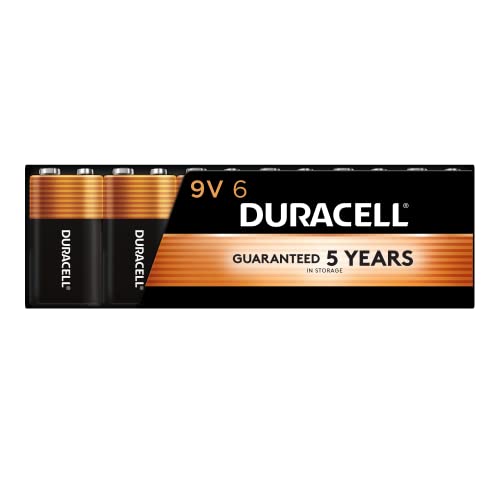
Six Coppertop 9V cells carry a five-year storage guarantee, built around annual smoke detector replacement routines.
Duracell Coppertop markets this six-count pack explicitly as the smoke detector battery, with a guaranteed five years in storage. That guarantee matters for a device you hope never needs its battery tested by a real fire. Professional-grade reliability claims extend to multimeters and security sensors, where weak cells fail loudly.
Duracell guarantees each battery against material and workmanship defects.
Six cells suit larger homes with detectors on every floor and in hallways outside bedrooms. The brand’s safety reputation justifies a small premium for many households. The limitation is straightforward economics: per-cell cost runs higher than Amazon Basics, and these remain single-use alkaline cells.
Budget buyers changing many detectors may prefer bulk alternatives.
|
6
|
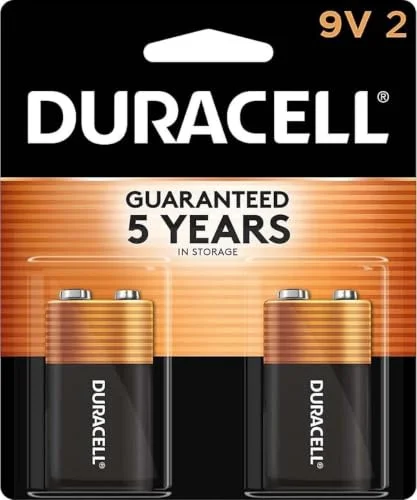
Duracell Coppertop 9V Battery, 2 Count, Smoke Detector, Long-lasting |
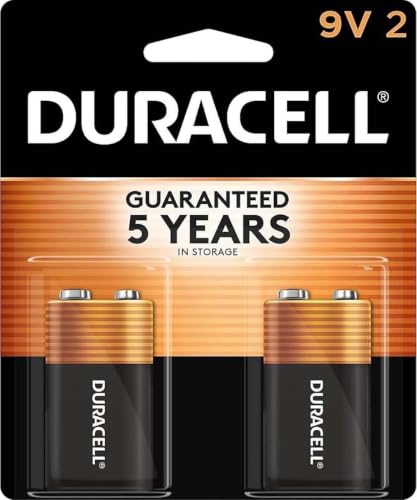
A compact Coppertop pair covers one or two detectors with the same five-year storage guarantee as larger packs.
This two-count Duracell Coppertop pack answers the battery question for minimalists with one or two alarms. The 9V cells fit any standard battery-operated detector and hold guaranteed power through five years of storage. Duracell positions the pair for annual replacement routines, reminding owners to test twice yearly.
The same quality guarantee backs each cell against defects.
A two-pack fits apartment dwellers and anyone maintaining a single hallway alarm plus a backup. It avoids overbuying cells that might sit past their prime. The limitation is per-unit value, since larger counts almost always drop the price per battery.
Buyers with three or more detectors should skip straight to the six-count or bulk options.
|
7
|
PKCELL 9V Batteries 10 Pack 9 Volt Battery for Smoke Alarms | 6F22 Square Battery Carbon Z |

Ten carbon-zinc 9V cells target low-drain smoke alarms, giving budget buyers a full-house supply cheaply.
The PKCELL ten-pack delivers carbon-zinc 9V batteries sized and marketed for smoke alarms specifically. A leak-proof, corrosion-resistant design protects the detector’s internal contacts over long service. The standard 9V format fits the majority of battery-operated alarms on the market without modification.
Ten cells cover every detector in most houses with spares left over.
These cells shine in simple, low-drain alarms where owners already replace batteries on a strict annual schedule. The ten-pack pricing undercuts name brands significantly. The honest limitation is chemistry: carbon-zinc sags earlier than alkaline, so detectors in cold garages or attics may chirp sooner.
Disciplined yearly changers get the best value here.
|
8
|
Energizer MAX 9V Batteries (4 Pack), 9 Volt Alkaline Batteries |

Four MAX alkaline 9V cells hold power up to five years in storage and include recycled material in their build.
Energizer MAX alkaline 9V batteries power the everyday devices people depend on, with smoke detectors first on that list. This four-pack holds power for up to five years in storage, so a spare drawer stays ready.
Up to four percent recycled material appears in construction, a small but real nod to sustainability. The snap terminals fit standard detector trays cleanly.
Four cells fit a mid-size home doing coordinated yearly swaps across bedrooms and hallways. The brand’s reliability record supports the modest premium over store brands. The limitation is coverage: four cells barely supply larger homes, and buyers with many detectors need two packs or a bulk option.
Performance otherwise matches the alkaline mainstream.
|
9
|
ULTRA LIFE, 10 year, smoke alarm battery, U9VL-X |

A 1200 mAh lithium 9V warranted for ten years ends annual battery changes in compatible detectors.
The ULTRA LIFE U9VL-X is a lithium manganese dioxide 9V with 1200 mAh capacity and a ten-year warranty. That decade of service matches the design life of many modern alarms, effectively answering the battery question permanently. Reliable lithium chemistry keeps life-saving detectors energized through conditions that drain alkaline cells faster.
It is the only cell warranted for a full ten years.
This cell suits high-ceilinged entryways and stairwells where ladder trips are genuinely unpleasant. The limitation is upfront cost, which exceeds any alkaline pack on this list. It also makes the most sense when your alarm’s electronics agree, so verify compatibility before upgrading every detector in the house.
|
10
|
Amazon Basics 12-Pack 9V Long-Lasting Alkaline Batteries, 5-Year Shelf Life – for Smoke De |

Twelve alkaline 9V cells with five-year shelf life fit landlords and large homes with many detectors.
The Amazon Basics twelve-pack scales the same alkaline 9V formula up for bigger jobs. Twelve cells cover multi-floor homes, rentals, and small offices with detectors in every corridor. A five-year shelf life keeps unused cells viable across multiple replacement cycles. Frustration-free packaging stores compactly in a toolbox or utility drawer.
Landlords and property managers benefit most, since coordinated swaps across units consume batteries fast. The per-cell price drops further at this volume. The limitation repeats the Amazon Basics trade-off: these are single-use alkaline cells, not rechargeables, and long-drain performance trails lithium. Tenants in small apartments should buy smaller counts.
Across these picks, a pattern holds: standard battery alarms take a 9V, and the real choice is chemistry plus pack size. Alkaline suits yearly changers, lithium suits anyone avoiding ladders, and the SMI100 alarms demonstrate the front-access design that makes swaps painless. Match the pack to your detector count.
How To Swap The Battery Without The Drama
Knowing the battery type solves half the problem; the other half is the actual swap. Most people fumble because they unmount the alarm completely or fight the snap connector in the dark. A clean sequence takes about ninety seconds per detector and ends with a verified test burst.
Follow these steps in order.
Twist the alarm counterclockwise off its ceiling bracket and lower it gently by hand.
Open the battery tray, note the polarity marks, and pull the old 9V straight out.
Press the test button for ten seconds to drain any residual charge inside the alarm.
Insert the fresh battery, matching the red and black terminals to the tray markings.
Reseat the alarm on its bracket, press test once, and listen for the full burst.
Two details separate a smooth swap from a frustrating one. First, use a stable step stool rather than balancing on furniture, since most detectors sit at awkward ceiling angles. Second, schedule the chore when you will remember it, and many households tie battery swaps to daylight saving time changes.
If the alarm keeps chirping after a fresh battery, the unit itself has likely reached its end-of-life date. That distinct chirp pattern means replacement, not another cell. Keep spent batteries together for proper disposal, since 9V terminals touching loose metal can spark.
A small labeled bin in the utility drawer prevents that hazard entirely while you accumulate enough for a recycling run.
Habits That Quietly Kill Detector Batteries
Fresh batteries fail early more often than manufacturers admit, and the cause is usually the homeowner rather than the cell. Small mistakes compound inside the tray until the detector chirps months ahead of schedule.
This section names the habits worth breaking and the swaps worth keeping, so each battery reaches its full rated life.
The single most common mistake is mixing old and new cells in alarms that accept multiple batteries. A fresh cell works overtime compensating for its tired partner, and both drain faster than either would alone.
Temperature is the second silent killer, since detectors above drafty stairwells or near attic hatches see wider swings than bedroom units. Rechargeable 9V cells tempt eco-minded owners, but many alarms behave erratically on their flatter voltage curve.
The result is premature chirping that sends people back up the ladder with genuine frustration. Carbon-zinc cells in the wrong detector round out the list. Finally, ignoring the end-of-life chirp pattern wastes money, because no battery revives an expired sensor.
- Never mix old and new batteries inside the same alarm tray.
- Skip rechargeable 9V cells unless your alarm manual explicitly approves them.
- Avoid carbon-zinc cells in detectors mounted in cold or drafty locations.
- Do not ignore the end-of-life chirp pattern; replace the whole unit.
- Keep loose 9V batteries away from metal, since touching terminals can spark.
Matching Battery Chemistry To Your Detector
Packaging rarely explains which chemistry fits which situation, so the choice defaults to habit or price. The right match depends on your detector’s location, its drain pattern, and your tolerance for ladder trips.
This section compares the four real options and closes with a decision shortcut worth memorizing before your next purchase.
Chemistry By Situation
| Chemistry | Best For | Watch Out For |
|---|---|---|
| Alkaline 9V | Most battery alarms | Yearly replacement cycle |
| Carbon-zinc 9V | Tight budgets | Shorter service life |
| Lithium 9V | Hard-to-reach alarms | Higher upfront cost |
| Sealed lithium | New 10-year alarms | Replace the whole unit |
Start the decision with detector placement, because placement dictates access. Bedroom and hallway alarms at ladder height tolerate yearly alkaline swaps without complaint. Stairwell and vaulted-ceiling units justify lithium, since a ten-year cell amortizes its premium across a decade of avoided trips.
Sealed ten-year alarms make the choice for you, folding the battery into a unit you replace whole at expiration. Budget buyers with simple, warm-mounted detectors can run carbon-zinc responsibly on a strict annual schedule.
Whatever the chemistry, buy one format for the whole house so every detector shares the same replacement date. Uniform dates turn a scattered chore into a single afternoon, and a single spare pack in the drawer covers every alarm at once.
Most battery-powered smoke detectors take a single 9-volt battery, while newer slim models use AA cells and hardwired units keep a 9V backup. Your alarm’s battery tray settles the question in seconds.
The practical step for today is simple: grab a flashlight, twist down the chirping unit, and read the label inside the door. Then match the chemistry to the location, with alkaline for reachable alarms and lithium for awkward ceilings.
Fresh batteries and a working test button tonight buy real peace of mind before you sleep.

- Marine Chargers and Backup Batteries: 9 Options Compared (2026) - October 27, 2026
- LTO Cells vs. SLA Generator Batteries: 5 Options Compared (2026) - October 27, 2026
- 12V/24V Backup Batteries and the EcoFlow DELTA Pro 3 (2026) - October 27, 2026