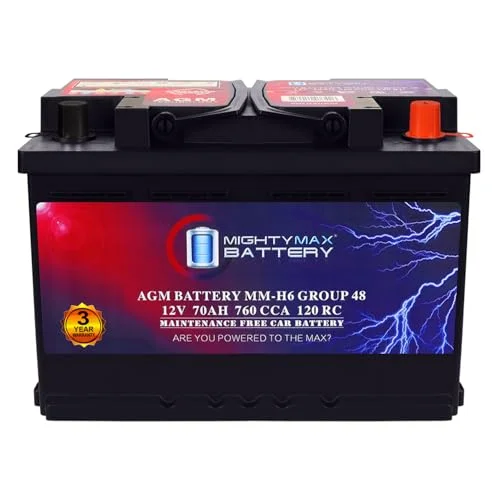
Measuring Battery Reserve: RC, Cranking Amps and Test Equipment
A sudden engine stall in a grocery store parking lot often traces back to a misunderstanding of battery health. Many drivers rely on a battery’s charge level but ignore its actual reserve capacity. This metric determines how much energy remains once the primary power source begins to fail.
Understanding this buffer is critical for preventing unexpected breakdowns during high-demand situations. This guide explains the science of battery reserves and provides tools to measure your energy safety net.
Understanding the Battery Reserve Capacity Problem
Knowing your battery’s voltage is only half the battle. You must also understand how long it can sustain a load when the charging system falters.
Reserve capacity refers to the amount of energy a battery can provide for a specific period after the alternator stops charging. It acts as a temporary buffer for your vehicle’s electrical systems. If your alternator fails, the reserve capacity dictates how many minutes you can still drive or run electronics.
High-demand scenarios, such as using headlights and heater simultaneously, drain this reserve quickly. A battery might show a full charge but possess very little actual reserve energy. This discrepancy often leads to sudden electrical failures. Monitoring this specific metric helps you anticipate failures before they leave you stranded.
It is a measure of endurance rather than just raw starting power.
The Role of Cranking Amps
Cold Cranking Amps (CCA) measure the short burst of power needed to start an engine in cold weather. This is a momentary high-drain event. It does not describe long-term endurance. A battery can have high CCA but poor reserve capacity if its internal chemistry is degraded.
This makes it great for starting but poor for sustained electrical loads.
The Role of Reserve Capacity
Reserve capacity measures sustained discharge over a set timeframe, usually sixty minutes. It focuses on the total energy storage available for steady use. While CCA is about the ‘punch’ needed to start, reserve capacity is about the ‘stamina’ of the battery. You need both for a reliable vehicle experience.
Tools To Measure Your Battery’s Energy Reserve
To accurately assess your energy safety net, you need specialized diagnostic equipment. These tools allow you to test load capacity, internal resistance, and total discharge. Whether you manage a fleet of cars or small electronics, the right tester provides the data you need to stay powered.
|
1
|
ANCEL BA101 Car Battery Tester, 12V Digital Automotive Alternator Meter Diagnostic Tool,10 |

The ANCEL BA101 provides detailed CCA and cranking analysis to gauge your battery’s actual endurance.
The ANCEL BA101 is a comprehensive 12V digital automotive tool designed for deep diagnostics. It measures State of Health (SOH) and State of Charge (SOC) to give a clear picture of capacity. By analyzing cranking and charging systems, it helps you see if your battery can sustain a load effectively.
This tool fits perfectly for truck, boat, and RV owners who need reliable data. Its high-quality copper clips ensure a secure connection during testing. However, it is not suitable for lithium batteries or 6V/24V systems, so check your requirements first.
|
2
|
DWEII 1pcs 18650 Lithium Battery Capacity Tester Module MAh MWh Digital Battery Power Dete |

The DWEII module measures 18650 battery capacity and internal resistance with high precision.
The DWEII 18650 tester is a specialized module for lithium battery enthusiasts. It uses a four-channel system to measure capacity in mAh and MWh. The 1.77-inch LCD screen provides real-time voltage and current data, making it easy to track discharge rates.
This is an ideal choice for hobbyists working with rechargeable lithium cells. It simplifies the process by integrating charge and discharge functions. One limitation is the 10% measurement error margin, which may not suit laboratory-grade needs.
|
3
|
VTECHOLOGY 2Pcs Battery Tester for AA AAA C D 9V 1.5V Household Batteries | Universal Batt |

The VTECHOLOGY tester provides a quick way to check common household battery levels.
The VTECHOLOGY universal tester is a compact tool for AA, AAA, C, D, and 9V batteries. It uses a simple analog needle to indicate if a battery is good, low, or needs replacement. It requires no internal battery to operate, as it is powered by the test subject.
This is a great addition to any household junk drawer for checking remote control batteries. It is lightweight and highly portable for quick checks. Note that it measures voltage rather than precise capacity, which is a key distinction.
|
4
|
Battery Tender Battery Load Tester 12 Volt at 100 Amps / 6 Volt at 50 Amps Battery Tester |

The Battery Tender Load Tester performs high-amperage tests to check real-world load capacity.
The Battery Tender 026-0020 is a rugged tool capable of 100-amp loads for 12V systems. It helps diagnose the starter motor draw and the overall health of the battery. The color-coded display makes interpreting results very straightforward for any user.
This tool is excellent for checking deep-cycle batteries in RVs or boats. The heavy-duty alligator clamps provide a safe and reliable connection. The physical toggle switch is simple, but the device requires manual operation for every test.
|
5
|
Car Battery Tester 6V 12V 24V VDIAGTOOL BT500, 5-3000 CCA Battery Load Tester, Starter Alt |

The VDIAGTOOL BT500 offers professional-grade diagnostics for multiple voltage levels.
The VDIAGTOOL BT500 is a versatile analyzer supporting 6V, 12V, and 24V batteries. It provides data on resistance and State of Health using advanced algorithms. This makes it a professional choice for diagnosing both the battery and the alternator.
It is highly effective for mechanics working on diverse vehicle types like trucks and motorcycles. The shock-resistant ABS housing makes it durable for garage use. However, it cannot be used for lithium or deep-cycle golf cart batteries.
|
6
|
MakerHawk Battery Load Tester – 180W 200V 20A USB Load Tester 4-Wire System Adjustable Con |

The MakerHawk Load Tester uses a four-wire system to ensure high-precision capacity testing.
The MakerHawk 180W tester is a powerful electronic load device with a large 2.4-inch color screen. It features a sophisticated four-wire connection to eliminate errors caused by wire resistance. This ensures the capacity readings are extremely accurate during discharge.
This device is perfect for long-term battery aging tests due to its intelligent cooling fan. It supports various modes like constant current and constant power. The high power capacity makes it suitable for larger battery packs.
|
7
|
KooingTech Battery Load Tester 150W 200V 20A Battery Capacity Tester |

The KooingTech tester provides a high-wattage solution for measuring battery impedance and energy.
The KooingTech 150W load tester is designed for versatility across various DC power supplies. It measures voltage, current, impedance, and temperature in real-time. The green backlight LCD makes reading data easy in different lighting conditions.
It is a solid choice for testing charging data lines and various battery types. The built-in cooling fan allows for continuous operation without overheating. Users must carefully adjust the knob to prevent overflow during initial setup.
|
8
|
ANCEL BT410 12V 24V Car Battery Tester for Lead-Acid & Lithium Batteries, 100-2000 CCA Aut |

The ANCEL BT410 delivers clear, actionable reports on battery health via QR codes.
The ANCEL BT410 is a high-end diagnostic tool that works with both lead-acid and lithium batteries. It provides clear results like ‘Good Battery’ or ‘Replace Battery’ on a color TFT screen. It also generates QR reports for easy data sharing.
This tool is ideal for users who want professional results without complex data interpretation. The 99.9% accuracy rating provides great peace of mind. The reinforced clamps are sturdy, though the device is a premium investment.
|
9
|
HiLetgo Battery Capacity Meter Discharge Tester Analyzer 1.5V-12V Battery Capacity Meter D |
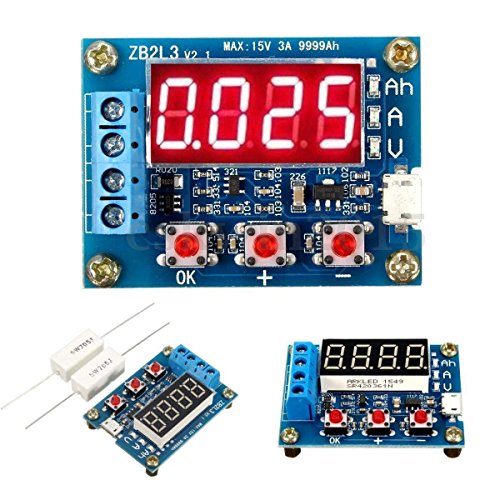
The HiLetgo Meter provides a low-cost, precise method for measuring small battery discharge.
The HiLetgo Capacity Meter is a compact circuit designed for measuring discharge from 1.5V to 12V. It offers high resolution for both current and voltage measurements. This makes it a precise tool for monitoring small-scale battery performance.
This is a budget-friendly option for students or light hobbyists. Its small footprint allows it to fit into custom testing rigs easily. However, it requires a micro USB power supply to function correctly.
|
10
|
RC Cellmeter 7 Digital Battery Capacity Checker Controller Tester Voltage Tester for LiPo |

The RC Cellmeter 7 provides essential voltage monitoring for LiPo and NiMH cells.
The RC Cellmeter 7 is a lightweight, portable checker for LiPo, Li-ion, and NiMH batteries. It displays cell voltages, total voltage, and remaining capacity percentage. It is a vital tool for maintaining battery health in RC vehicles.
This is a must-have for RC hobbyists who need to check individual cell balance. It is incredibly small and easy to carry in a field kit. Note that it does not include the batteries themselves.
Selecting the right tool depends on your specific power needs. Automotive owners should focus on load testers, while electronics hobbyists will prefer capacity modules. Each of these options provides a way to verify your battery’s true energy reserves.
Maintaining Your Battery’s Energy Reserves
Once you know your capacity, you must work to preserve it. Regular maintenance can prevent the premature loss of reserve energy.
- Keep terminals clean to prevent high resistance.
- Avoid deep discharges to protect lithium cell health.
- Check connections regularly to ensure stable current flow.
- Store batteries in cool, dry environments to slow degradation.
- Run the engine periodically to maintain a full charge.
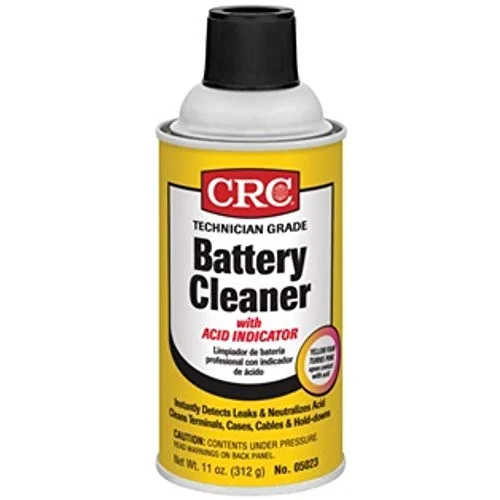
Corrosion is a silent killer of battery capacity. Even a thin layer of white powder on the terminals can increase resistance. This resistance forces the battery to work harder, draining its reserve more quickly. Cleaning terminals with a wire brush can restore efficient electrical flow.
Additionally, avoiding extreme temperature fluctuations helps maintain the chemical stability within the cells. If a battery is left sitting for months, it may undergo sulfation. This process permanently reduces the amount of energy the battery can hold. Regular usage or a trickle charger can mitigate these effects.
Identifying Red Flags in Battery Performance
Knowing when to stop repairing and start replacing is vital for safety. Watch for these specific indicators of failing capacity.
Common Battery Failure Signs
| Symptom | Likely Cause | Urgency |
|---|---|---|
| Slow cranking | Low reserve capacity | Moderate |
| Dimming headlights | Weak alternator/battery | High |
| Swollen casing | Overcharging/Internal failure | Critical |
| Rapid discharge | Internal short circuit | Critical |
Check the battery voltage with a multimeter first.
Perform a load test using a dedicated tester.
Inspect the charging system and alternator output.
Clean all terminals and re-test the connection.
Replace the battery if capacity remains significantly low.
Reserve capacity is the critical safety margin that keeps your electronics and vehicles running when the primary power fails. Understanding this metric allows you to move from reactive repairs to proactive maintenance. To start, grab a basic multimeter or a dedicated load tester to check your current battery’s health today.
Staying ahead of capacity loss is the best way to avoid being left in the dark. Happy testing!

- Marine Chargers and Backup Batteries: 9 Options Compared (2026) - October 27, 2026
- LTO Cells vs. SLA Generator Batteries: 5 Options Compared (2026) - October 27, 2026
- 12V/24V Backup Batteries and the EcoFlow DELTA Pro 3 (2026) - October 27, 2026