When Should You Replace Your Car Battery?
A slow engine crank on a cold morning is often your battery’s way of waving a white flag, yet many of us don’t take it seriously until the car won’t turn over at all one morning.
That hesitation adds risk, whether you’re pulling out of a driveway or stranded somewhere unfamiliar, and it can also put extra strain on your alternator and starter. The sooner you learn to read those early warning signs, the better your chances of swapping the battery on your own terms.
Below, I’m walking through exactly when replacement usually becomes necessary and the replacement options that keep most vehicles running day to day.
Why Car Batteries Fail Over Time
Recommended Products


Car batteries don’t die so much as fade over time, and heat, vibration, and normal charge cycles are usually to blame. Understanding what’s happening inside the case can help you decide whether this is a slow fade or a sudden failure.
Chemical Degradation Process
A lead-acid battery stores energy through a chemical reaction between the lead plates and the electrolyte, and every time you draw power and then recharge, a little of the active material slowly breaks free from the plates.
Over time, that shedding cuts down the surface area the battery has available for storing energy, which is why it gradually loses capacity rather than simply going cold one day.
Hot weather speeds up that process considerably, which is why you tend to see more failures after summer than after winter in warmer regions.
When it gets really cold, the electrolyte thickens and those reactions slow down even further, so a weak battery that still turns over in October can leave you helpless in January when the temperature drops.
Physical Damage Factors
What really gets to a battery isn’t always the weather, at least not directly, but the vibration you feel every time you hit a bump or accelerate hard.
That constant jostling can loosen the internal connections, sometimes causing parts to rattle around enough to create a short, which is why your battery might suddenly run down for no clear reason.
Cold weather makes things worse, not because it ruins the battery, but because it makes everything inside it sluggish, so the battery that seemed fine yesterday now feels drained by the time you try to start your car.
If the outer case develops a crack, you might see acid leaking out onto the hood or the tray, and that’s not just messy, it can eat through paint and metal in a hurry if it sits there long enough.
- Replace immediately if the case appears swollen or cracked.
- Swap out units older than five years regardless of performance.
- Install a new battery if terminals show heavy white corrosion.
- Change the battery after three deep discharge events.
- Replace if the engine cranks slower than usual consistently.
Testing Methods To Confirm Replacement Need
Recommended Products

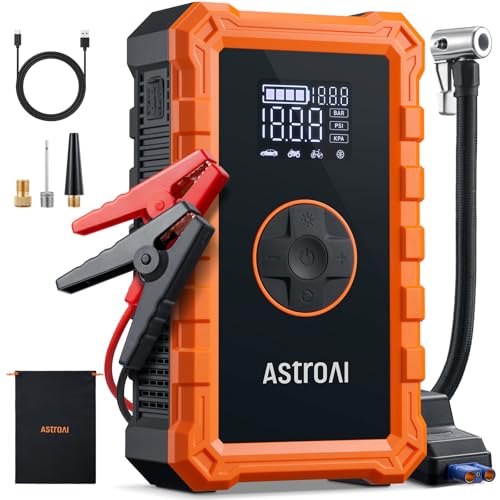
A visual inspection might tell you if something looks obviously wrong, but it’s the numbers that really tell you whether you’re about to be stranded. Testing gives you a clearer picture of what’s actually going on with the battery itself.
| Test Method | Healthy Reading | Replace If Below |
|---|---|---|
| Resting Voltage | 12.6 Volts | 12.4 Volts |
| Load Test | 9.6 Volts | 9.0 Volts |
| Cold Cranking Amps | 75% Rated | 50% Rated |
Plenty of auto parts stores and service centers will test your battery for free, and honestly, it’s worth the ten minutes it takes to have someone hook up a load tester to simulate what your starter actually draws.
If the voltage holds up under that load, you’re usually in the clear, but if it sags too much, you’re running close to empty whether it feels that way on the surface or not.
A simple multimeter can give you a baseline reading too, and if that resting voltage falls below 12. 4 volts after the car’s been sitting for a while, you’re probably dealing with sulfation, which is when those lead plates start to harden over and stop accepting a charge properly.
I’d treat that as a heads-up that your window is getting smaller, even if the car starts fine right now.
Reliable Batteries To Prevent Starting Failure
Recommended Products


Once you do decide it’s time for a swap, matching your vehicle’s group size and the type of battery it calls for matters more than any brand name. These options cover the most common sizes and tend to be reliable across different climates and driving styles.
|
1
|
ACDelco Gold 48AGM (88864541) 36 Month Warranty AGM BCI Group 48 Battery |
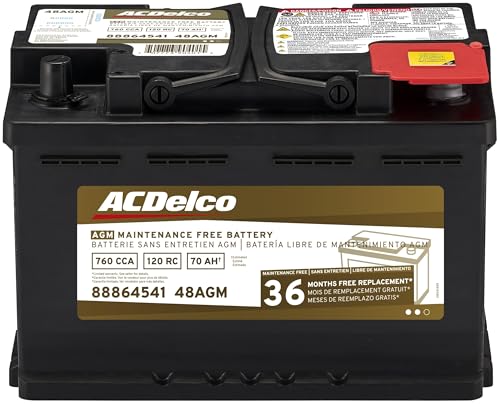
If you’re dealing with a group 48 setup and want something built to last a little longer, this AGM option is probably worth considering, especially if you regularly make short trips that don’t give the battery much time to fully recharge.
The ACDelco Gold 48AGM goes straight for the core issues most people run into in daily driving, which is keeping the battery from wearing out too quickly under stop-and-go conditions.
The high-density negative paste helps keep performance steady over time, and the calcium tech in the positive grid cuts down on the resistance you usually get when the battery has to work harder in the cold.
A lot of the benefit comes from the envelope separator, which helps keep things circulating properly instead of letting acid pool and eat away at the plates.
That design also does a good job of keeping the internal temp down, which matters more than most people realize when they’re trying to stretch the life of the battery.
This is a good match if you own something that takes a Group 48 battery and you‘d rather not be dealing with another replacement anytime soon.
It tends to handle frequent short trips pretty well since the AGM design recharges more efficiently, but you’re definitely paying more than you would for a standard flooded battery.
Just be sure your charging system can support AGM technology before installing it, since older systems sometimes aren’t set up for the voltage differences.
|
2
|
Mighty Max Battery MM-H6 Start and Stop Car BCI Group Size 48 12V 70 AH, 120RC, 760 CCA Re |

If your priority is getting reliable starts when it’s freezing outside, the cold cranking amp rating on this Mighty Max model is probably what you’re going to be looking at first.
Mighty Max Battery MM-H6 leans heavily on its 760 CCA rating, which is really the number that tends to matter most when you’re trying to start a car in cold weather.
The sealed AGM setup makes it versatile if you’re mounting it somewhere that’s a little tight or angled, since there’s no maintenance and not much risk of spills.
What stands out on paper is the build quality, with internal bracing that’s meant to handle the kind of vibration you get from rough roads or older suspension setups.
The 120-minute reserve capacity gives you a decent buffer if you’re ever stuck with a failing alternator or something else cutting into your electrical system.
This one lands squarely in the sweet spot for people with compact cars that need a Group H6 battery and who want AGM benefits without spending premium brand prices.
The deep discharge recovery is something you don‘t fully appreciate until you accidentally leave something on overnight and the battery still manages to bounce back the next morning.
The trade-off I’ve noticed is that it isn’t always easy to find at local auto parts stores, so if you’re replacing a battery that just died, you might have to wait a day or two for shipping instead of grabbing one off the shelf.
|
3
|
Weize Platinum AGM Battery BCI Group 48-12v 70ah H6 Size 48 Automotive Battery, 120RC, 760 |

This Weize option is a good fit if your car uses start-stop technology, since those systems are a lot harder on batteries than older ignition setups.
Weize Platinum AGM Battery Group 48 is sized to drop right into most standard Group 48 trays, which makes it a fairly painless swap if you’re doing it yourself.
It runs 70 amp hours, which gives you enough capacity to handle the constant starting and stopping that start-stop systems demand, and the AGM design helps it cycle more efficiently than traditional flooded batteries.
The 760 CCA rating is plenty for cold starts, and the fact that it recharges fairly quickly means you’re less likely to see it drained down by repeated short trips. The dimensions match up pretty closely to what you’d expect from an OEM-style replacement.
If you’re switching from an older flooded battery to AGM in a start-stop vehicle, this is about as plug-and-play as it gets without needing any major changes to your charging system.
The cycle life is noticeably better, which matters when you’re sitting through city traffic and the system kicks the engine off every few minutes.
The one thing I’d double-check is that your old battery isn’t already showing signs of deeper electrical issues, since start-stop systems tend to expose problems that a standard swap won’t fix.
|
4
|
ACDelco Gold Automotive Battery 94RAGM | PN 88864542 | 12V Car Battery AGM Group 94R/H7 Ba |

For luxury vehicles that tend to be picky about voltage and startup consistency, this AGM setup from ACDelco is usually one of the first options that comes up.
ACDelco Gold 94RAGM is built around the kind of precision that higher-end vehicles tend to expect when they call for AGM batteries. The pressurized valve system helps contain the gases inside so you’re not dealing with the kind of corrosion around the terminals that you see with older designs.
High-density plates and AGM construction together make it a good match for the electrical demands you get in luxury cars, where voltage fluctuations can throw off everything from infotainment to adaptive suspension.
The 36-month warranty is about what you’d expect from a GM-backed product, and it feels like the kind of battery that’s more likely to last that long without issue.
Perfect for Audi, BMW, or Mercedes models requiring Group 94R sizing specifically. Trusted GM engineering ensures compatibility with complex onboard computer systems. Buyers must verify exact fitment using vehicle year and trim details carefully. Incorrect sizing can lead to terminal contact issues or hold-down problems.
This battery justifies its cost through superior reliability in high-end applications.
|
5
|
Weize Platinum AGM Battery BCI Group 94R – 12v 80ah H7 Size 94R Automotive Battery, 140RC, |

Large engines and vehicles with a lot of electronic equipment usually need something that can push a high cold cranking amp rating, which this Weize model is sized to handle.
Weize Platinum AGM Group 94R is a good match for bigger sedans and SUVs that need that higher CCA rating to get a larger engine turning over when it’s cold.
The 850 CCA gives it plenty of headroom for winter starts, and the 140-minute reserve capacity means you aren’t cutting it dangerously close if something in your charging system starts to slip.
The heat resistance is something that comes up more than you’d expect, especially if you’re parking outside in a lot that bakes in the sun all day and then trying to start the car after that heat soak.
AGM also plays well with start-stop systems, which is becoming common even in larger vehicles.
This is going to be a solid pick if you’re dealing with a Group H7 or 94R tray and your vehicle’s electrical system has enough going on that a standard flooded battery feels like it’s always working too hard.
The taller case design does mean you need to double-check your tray depth before ordering, but the terminal layout is pretty standard across most applications.
For most people who need the extra power, it’s usually one of those things where you don’t realize how much better it performs until you’ve driven a few weeks without worrying about the battery.
|
6
|
Weize Platinum AGM Battery BCI Group 35 Automotive Battery, 100RC, 650CCA, 36 Months Warra |

Hot climates are tough on batteries, and if you live somewhere that consistently runs well above average temperatures, this Group 35 option is built specifically to handle that kind of stress.
Weize Platinum AGM Group 35 leans on its AGM construction to handle heat better than a lot of standard flooded batteries, which is usually what matters most if you’re driving in consistently warm weather.
The glass fiber matting keeps the acid locked down so you’re not dealing with leaks, and it also helps prevent the kind of thermal buildup that tends to shorten battery life in hotter regions.
The lower self-discharge rate means it doesn’t sit around losing charge while the car is parked, which is something that becomes more noticeable over longer periods of inactivity.
The heat and cold resistance is real, and you can feel it in how consistent the starting power stays even when the outside temperature swings a lot.
This one tends to be a good fit for Asian and domestic vehicles that use a Group 35 tray, especially if you’re dealing with high temperatures or long periods where the car sits unused.
The vibration resistance also matters if you’re hitting a lot of rough roads or your suspension has some play in it.
One thing to be careful about is confirming your charging system can handle AGM voltage requirements, since switching from flooded to AGM in a car that wasn’t set up for it can throw off your battery light or dashboard warnings.
|
7
|
Mighty Max Battery MM-H5 Start and Stop Car BCI Group Size 47 12V 60 AH, 100RC, 680 CCA Re |

If you’re dealing with a Group 47 setup and want something that holds a charge even when the alternator isn’t doing its job, the reserve capacity on this Mighty Max model is probably what’s going to catch your attention.
Mighty Max Battery MM-H5 leans on its 680 CCA for cold starts but keeps the bigger picture in mind with a 100-minute reserve capacity that gives you some breathing room if anything starts to go wrong with your charging system.
The sealed AGM setup keeps it from needing any maintenance and removes most of the mess you get from older flooded designs.
The plates are built to handle vibration, which is something that tends to matter more than people expect, especially if you’re driving something with a few years of miles on it. The CE certification gives it at least some peace of mind that it met international standards during manufacturing.
This is a fairly reliable match for compact and midsize cars that need a Group 47 battery and don’t have the luxury of waiting around for a specific brand to come into stock.
The reserve capacity gives you a buffer if you ever get stuck somewhere with a failing alternator, and it handles being discharged and recharged a few extra times without degrading too quickly.
If you’re relying on local parts stores, the availability can be hit or miss depending on your area, so it’s better to check ahead rather than assume you’ll be able to walk in and grab one.
|
8
|
Mighty Max Battery MM-G35 Start and Stop Car BCI Group Size 35 12V 55Ah, 100RC, 650 CCA Re |

Trucks and SUVs that see rough terrain tend to benefit from a battery that can handle the abuse, and this Group 35 model leans into that durability angle pretty hard.
Mighty Max Battery MM-G35 goes a bit lighter on the cold cranking amps, but the 55 amp hour capacity is usually enough for everyday driving in most climates.
The sealed design is probably what stands out most here, since there’s really no risk of acid spilling even if the case takes a beating.
The vibration resistance is genuinely noticeable if you’re driving something that sees a lot of trail use or rough backroads, and it tends to hold up better than standard batteries that just rattle themselves to pieces over time.
The ISO-certified manufacturing is the kind of thing you don’t notice until you get a bad batch, but it helps ensure you’re not dealing with inconsistent quality between units.
This one lands well for vehicles that need a Group 35 battery, especially if you’re in an area with big temperature swings or you spend a fair amount of time off paved roads.
It’s not going to win any awards for being the most premium battery on the market, but it tends to last longer than the average budget option and usually holds up without any real fuss.
For older vehicles that don’t need the fanciest battery, it’s usually one of those options that just does its job quietly in the background.
|
9
|
Weize Platinum AGM Battery BCI Group 24F Automotive Battery, 120RC, 710CCA, 36 Months Warr |

If you’re dealing with an older vehicle that uses a Group 24F setup, this option is built with enough safety features to keep the under-hood area from getting corroded over time.
Weize Platinum AGM Group 24F is sized for trucks and larger SUVs that still use the Group 24F tray, and the AGM design helps it hold up better than older flooded batteries that tend to leak over time.
The glass fiber matting keeps the acid locked down so you’re not dealing with corrosion eating into nearby components or paint, which is something that becomes a real problem if your battery sits a little lower in the engine bay.
The low self-discharge rate helps if you’re parking the vehicle for a while between uses, and the cold and hot resistance means you’re not having to worry as much about temperature swings affecting the starting power.
This one tends to be a solid pick if you’re replacing a battery that’s been causing issues in older trucks or SUVs, usually because the previous one was starting to leak or lose charge too quickly.
The safety features are noticeable enough that it makes sense even if you’re not dealing with extreme climates.
Just make sure you measure your old battery before ordering since the dimensions can be a little different, and if you’re parking outside year-round, the extra protection against acid leaks is worth the small price bump.
Between them, these options cover the most common group sizes you’re going to run into, whether you’re driving a compact car or a full-size truck.
They all lean toward reliability and cold weather starting, which is usually what ends up mattering most when you need a battery to just do its job.
Matching your vehicle’s group size is more important than brand preference, because a battery that doesn’t fit right or can’t deliver the amps you need isn’t going to solve your problem no matter how good the specs look on paper.
Installation Steps For Safe Battery Swap
Recommended Products


Getting the battery out is only half the battle, and installing a new one correctly helps you avoid the kind of electrical issues that tend to crop up when something gets crossed or loose. These steps usually make the difference between a clean swap and a trip to the shop.
Turn off the engine and remove keys to prevent accidental electrical arcs.
Disconnect the negative black terminal first to isolate the electrical system.
Remove the positive red terminal and loosen the battery hold-down bracket.
Lift out the old battery carefully using both hands due to heavy weight.
Clean the tray and terminals with baking soda solution to neutralize acid.
Place new battery in tray, secure bracket, and connect positive terminal first.
I’d put on a pair of safety glasses and some gloves before you even touch the battery, since old acid on the terminals tends to irritate skin and it’s easy to splash a little when you’re loosening cables that have been corroded in place for a while.
Make sure the new battery is sitting level in the tray and that it’s snug before you start tightening anything, because a loose battery ends up rattling around and wearing itself out faster than the old one you just pulled.
Tighten the terminals snugly, but don’t go overboard since overtightening can strip the lead posts, and a little dielectric grease on the terminals goes a long way toward keeping corrosion from building back up over time.
Before you call it done, give everything a quick visual check to make sure you didn’t miss anything obvious.
Disposing Of Old Batteries Responsibly
Old batteries are one of those things that can’t just go in the regular trash, and most places have some kind of recycling setup whether you realize it or not.
- Return the old unit to the retailer where you purchased the replacement.
- Take it to a designated recycling center accepting automotive lead-acid batteries.
- Many auto parts stores accept old batteries for free recycling programs.
- Never dump battery acid into soil or storm drains under any circumstances.
- Store old batteries upright in a cool dry place until you can recycle.
Lead-acid batteries are one of those items that have been recycled for long enough that there’s usually a system in place whether you bought a new battery or not, and you’ll usually get a core charge back when you return the old one.
That little incentive ends up being what keeps most of them out of landfills, since there’s enough value in the lead and plastic to make recovery worthwhile.
Recycling centers pull the lead plates and the plastic casing apart so they can go into new batteries, which is why the whole process tends to work pretty smoothly.
Doing it through the retailer where you bought the new battery is usually the easiest route, and if for some reason they don’t take it, auto parts stores and service centers almost always will.
If your resting voltage drops below 12. 4 volts or a load test comes back weak, it’s usually a sign that you’re cutting your battery’s life a little too short and it’s time to start thinking about a replacement before you get caught out somewhere.
Most communities have at least one auto parts store that will test the battery for free, so it’s worth stopping by to see where you actually stand rather than guessing based on how rough the car feels to start.
The sooner you deal with it, the better your odds of avoiding the kind of morning where your car just sits there and does nothing when you turn the key.

- 10 Best Battery For Generator Ev Battery Bank Marine 2026 - October 27, 2026
- 10 Best Battery For Generator Ev Battery Bank Lto 2026 - October 27, 2026
- 10 Best Battery For Generator Ev Battery Bank Low Voltage 2026 - October 27, 2026