Will A Trickle Charger Charge A Dead Battery?
A dead battery usually picks the worst possible moment to fail: a clicking starter, dim headlights, or a bike that sat all winter. The immediate question is whether a small trickle charger can quietly bring it back or if the battery is already toast.
The honest answer sits somewhere in between, because “dead” can mean deeply discharged, sulfated, shorted, or simply asleep. I wrote this to explain those differences and show which charger styles actually fit each scenario.
Why A Dead Battery May Not Wake Up
Recommended Products


Before picking hardware, it helps to define what “dead” really means. A battery can be too weak to crank yet still accept current, or it can be internally damaged beyond repair. This section separates recoverable discharge from true failure.
We often call a battery dead when it drops below the voltage needed to engage the starter, usually around 10. 5 volts under load. That doesn’t always mean the plates are ruined. Deep discharge leaves lead sulfate crystals on the plates, raising resistance and killing capacity.
If resting voltage is still measurable, a controlled charge may dissolve that sulfate and restore usable life. The process takes hours because heat and gas must stay limited.
If voltage is extremely low, many smart chargers refuse to start because the battery might be shorted or dry; safety circuits protect the charger, not necessarily the battery.
- Measure resting voltage after the vehicle sits overnight, not right after cranking.
- Clean corroded terminals so current can actually reach the plates.
- Inspect for swelling, cracks, leaks, or a rotten egg smell.
- Expect recovery to take hours, not minutes, with low amperage.
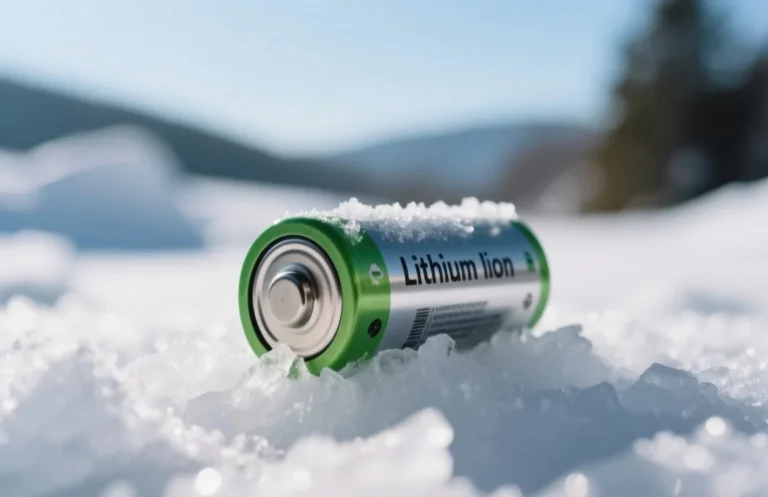
- Do not charge frozen batteries, lithium packs, or damaged sealed units.
- Match charger chemistry to lead-acid, AGM, gel, or LiFePO4.
What A Trickle Charger Can Realistically Do
Recommended Products

People use “trickle charger” loosely, but the real distinctions are current, control, and cutoff. A tiny maintainer protects a battery that still has voltage, while a smarter unit might repair mild sulfation or accept a very flat pack after a nudge.
Very low current is great for preventing self-discharge during storage, but it’s painfully slow for revival. A deeply discharged car battery often needs several amps for hours before it’s safe to float.
Desulfation uses pulses or higher voltage stages to break down sulfate, yet it works best on batteries that aren’t mechanically failed. Automatic detection matters because overcharging warps plates and boils electrolyte. Temperature compensation also helps, since cold batteries need adjusted voltage and hot ones need restraint.
My read is that the goal isn’t an instant miracle; it’s a stable charge profile that brings the battery back without adding heat, gas, or stress.
Battery State And Likely Response
| Resting voltage | What it usually means | Best response |
|---|---|---|
| 12.4V or higher | Mostly discharged | Maintain or slow charge |
| 11.8V to 12.3V | Deep but likely recoverable | Smart charger with float |
| 10.5V to 11.7V | Very low, sulfation likely | Repair mode, then test |
| Under 2V | Protection may block start | Check cell damage first |
| Voltage collapses fast | Possible internal short | Replace, do not force |
Tools That Can Bring A Dead Battery Back
The chargers below aren’t identical solutions because dead batteries arrive in different conditions. Some favor gentle recovery and storage, while others add rapid current, repair stages, or a short boost. I’d suggest using voltage, chemistry, size, and your own patience as filters before comparing features.
|
1
|
MOTOPOWER MP00205A 12V 800mA Automatic Battery Charger, Maintainer, Trickle and Desulfator |

Its 800mA pulse desulfation profile suits deeply discharged 12V lead-acid batteries that need gentle recovery rather than brute force.
The MOTOPOWER MP00205A is a compact 12V 800mA automatic charger, maintainer, and desulfator. It handles flooded, AGM, and gel lead-acid batteries, charging toward 14.4V and holding about 13.6V in maintenance mode. A 24-hour timer terminates charge above 14V, which adds a layer of safety during slow recovery.
I’d point to this for stored cars, lawn equipment, and smaller batteries where patience matters more than speed. Spark-free leads and reverse polarity protection help when terminals are awkward or corroded.
The honest limitation is output: 800mA won’t revive a large truck battery quickly, and it certainly won’t jump-start a vehicle.
|
2
|
Schumacher Electric 15A Car Battery Charger & Maintainer, 6V/12V – SC1280 | 3A Trickle Cha |

The SC1280 brings 15A rapid charging plus restore modes, so a very flat automotive battery can return to service much faster.
The Schumacher SC1280 is a 6V/12V charger, maintainer, tester, and restorer rated at 15A for faster recovery. Microprocessor control, auto voltage detection, and multi-stage charging make it significantly more capable than a basic trickle unit. It targets cars, trucks, SUVs, boats, AGM, gel, and deep-cycle batteries.
Choose this when a dead daily driver needs real current rather than weekend maintenance. The included manual keeps setup simple, and the higher output shortens the wait after deep discharge. Just remember that 15A can be too much charger for small motorcycles, so matching battery size still matters.
|
3
|
Schumacher Electric 1.5A Car Battery Charger & Maintainer, 6V/12V – SC1355 | Restores Batt |

The SC1355 uses 1.5A smart maintenance and reconditioning for seasonal powersport batteries, not instant jump starts.
The Schumacher SC1355 is a compact 6V/12V charger, maintainer, and reconditioner with 1.5A output. It includes quick-connect clamps and ring connectors, plus auto restart and reverse hook-up protection. Desulfation mode and multi-stage charging specifically address batteries weakened by long storage.
This is a sensible pick for motorcycles, ATVs, and seasonal machines that sit between rides. The 1. 5A rate is gentle enough to avoid cooking smaller packs while still helping after a deep discharge.
The tradeoff is time: a car battery may take a very long time to recover from truly flat at this amperage.
|
4
|
E-FAST 25A Smart Car Battery Charger, 12V/24V Automatic Automotive Battery Maintainer & De |

E-FAST adds a 200-second booster surge, which is useful when a 12V battery is too flat for normal charging logic to detect.
The E-FAST smart charger covers 12V and 24V batteries with selectable 2A, 8A, 20A, 25A, or auto current settings. It handles lead-acid types plus LiFePO4, and its 200-second booster mode can wake a depleted 12V battery before normal charging begins. Winter and summer modes adjust parameters for temperature extremes.
It suits trucks, SUVs, RVs, boats, and garages that see mixed battery sizes. The aluminum shell and cooling fan support sustained high-amp charging sessions. Its limitation is complexity: more modes mean more chances to select the wrong profile, and the booster assist function is strictly for 12V batteries.
|
5
|
Battery Tender Junior 12V, 750mA Charger and Maintainer: Automatic 12V Powersports for Mot |

Battery Tender Junior stays gentle at 750mA then floats, which suits stored motorcycles recovering from a deep discharge.
The Battery Tender Junior is a 12V 750mA charger and maintainer built around a four-step program: initialization, bulk, absorption, and float. The small body, 12-foot output cord, ring harness, and clips make it easy to keep connected to a bike through storage.
It’s positioned as smarter than a basic trickle unit.
It fits riders who want a simple set-and-forget routine for AGM, gel, or flooded powersport batteries. Spark-proof circuitry and reversed hook-up detection reduce beginner mistakes. The limitation is scope: it is 12V only and slow, making it better for recovery plus maintenance than urgent revival.
|
6
|
Battery Tender Plus 12V 1.25 AMP Car & Motorcycle Battery Charger and Maintainer, Float Ch |

Battery Tender Plus pairs 1.25A charging with quick disconnect hardware for routine revival after storage.
The Battery Tender Plus is a 12V 1.25A charger and maintainer for automotive, motorcycle, and lawn batteries. Its adaptive four-step program charges then floats without overcharging, and a two-color LED shows charging state. Quick disconnect hardware makes storage connections far less annoying.
It’s a good fit for users who leave a battery connected for weeks and want it ready later. The 10-year warranty and support add confidence for long-term ownership.
The limitation is current: a large dead battery may need many hours at this rate, and the unit does not cover 24V systems.
|
7
|
TowerTop 2/10/25 Amp 12V Smart Car Battery Charger, Fully Automatic Battery Maintainer wit |

TowerTop combines 25A speed, engine-start assist, and repair modes for larger deeply discharged batteries.
The TowerTop charger offers 2A, 10A, 25A, and auto settings for 12V sealed lead-acid batteries, including AGM, gel, EFB, and deep-cycle types. An HD LCD shows stage and parameters across an eight-step process. Desulfation and repair buttons can be used manually on idle batteries.
This suits drivers who want faster recovery, maintenance, and occasional engine-start help in one unit. The screen removes guesswork during long charge cycles. The honest limitation is that repair cannot save completely drained or internally failed batteries, despite the strong feature set.
|
8
|
PZ.P 15-Amp 12V/24V Smart Battery Charger, Maintainer & Trickle Charger for LiFePO4, Lead |

PZ.P gives 15A across 12V or 24V systems with clear monitoring for LiFePO4 and lead-acid recovery.
The PZ.P smart charger delivers 15A at 12V and 8A at 24V across a nine-stage charging sequence. It supports LiFePO4 and lead-acid chemistries including AGM, gel, SLA, and flooded batteries. A color screen shows voltage, current, temperature, charge percentage, and seasonal mode selection.
It fits mixed fleets with motorcycles, cars, trucks, lawn mowers, and marine batteries. Temperature compensation and multiple protections help during long unattended sessions. The limitation is explicit: it is a charger, not a jump starter, and it cannot activate totally dead batteries.
|
9
|
MOTOPOWER MP00205B 12V 1000mA Automatic Battery Charger, Battery Maintainer, Trickle Charg |

MP00205B pushes 1000mA with timer protection, offering a practical middle ground for maintenance-minded dead batteries.
The MOTOPOWER MP00205B is a grey 12V 1000mA charger, maintainer, and desulfator with timer protection. It uses pulse charging, stops when charged, then maintains near 13.6V indefinitely. The SAE setup includes ring terminals, insulated clamps, and an 8.5-foot cable reach.
This one suits users already using standard SAE accessories on stored vehicles or small equipment. CE, RoHS, UL, and CEC certifications add reassurance for continuous connection. Its limitation is feedback: the single LED is simple, and output is still modest for big dead batteries.
|
10
|
PLXX 12V 24V Car Battery Charger Heavy Duty 0-15A Automatic Smart Trickle Charger with Aut |

PLXX offers heavy-duty 12V/24V output, winter mode, and auto shutoff for stubborn lead-acid batteries.
The PLXX heavy-duty charger supports 12V and 24V lead-acid batteries from 4Ah to 300Ah, including AGM, gel, flooded, EFB, calcium, MF, and deep-cycle types. A pure copper coil, seven-stage smart charging, fast and slow rates, LCD data, repair mode, and winter mode cover harsh recovery jobs.
It is built for work trucks, boats, RVs, lawn fleets, and cold garages where batteries sit and sulfate. Auto shutoff reduces overcharge risk after a long unattended charge. The limitation is size and flexibility: it is overkill for a small motorcycle battery and too bulky for glovebox storage.
This list runs from gentle 750mA maintainers to 25A recovery units, so the right choice depends entirely on battery size and damage level. I’d match voltage first, chemistry second, then decide how much waiting time is acceptable.
How To Connect A Charger Without Causing Sparks
A dead battery creates two risks: hydrogen gas near the cells and reversed polarity during a rushed hookup. Good technique reduces both. Use this order whether the unit is tiny or high amperage, then let automation handle the finish.
Park in ventilation, switch everything off, and remove metal jewelry that could short a terminal.
Confirm chemistry and voltage, then choose the lowest amperage likely to finish within your wait.
Attach red to positive first, black to a grounded chassis point away from the battery when possible.
Power the charger after clamps are secure, then check that status lights begin normally.
Stop early if the case hisses, smells, swells, or becomes too hot to touch comfortably.
The chassis-ground method matters because sparks near a vented lead-acid battery can ignite hydrogen. After charging begins, avoid constantly disconnecting clamps to test crank power; voltage sag under load tells more than a surface reading.
If the charger enters float quickly, leave it connected because surface charge can hide a weak battery. For maintenance use, a quick-disconnect harness saves wear on terminals and encourages consistent storage habits.
If the charger repeatedly faults, stops, or restarts, treat that as data: it may mean sulfation is severe, a cell is open, or the battery has reached the end of safe recovery.
Signs The Battery Is Beyond A Trickle Charger
Recovery has a limit, and pushing past it wastes time or creates heat. A charger can help only when plates, separators, and electrolyte remain functional. These patterns point toward replacement instead of another overnight attempt.
Replace Or Keep Trying
| Warning sign | What it suggests | Practical move |
|---|---|---|
| Voltage jumps instantly | Possible open cell | Load test or replace |
| Case bulges or cracks | Internal damage | Do not charge |
| Hot during low current | Internal short | Disconnect immediately |
| Fails after full charge | Lost capacity | Test under load |
| Needs frequent revivals | Aging or parasitic drain | Find drain first |
| Frozen or leaked | Unsafe electrolyte state | Recycle properly |
A battery that accepts voltage but cannot hold it is usually finished, even when a desulfator mode runs for days. Repeated recovery attempts also mask the real problem, such as a stuck relay, aftermarket alarm, or failed alternator.
The useful test is a measured load after charging, not a hopeful overnight connection. If headlights brighten only briefly or voltage drops sharply, capacity has likely collapsed. In that case, a new battery is cheaper than repeated towing, missed starts, and charger wear.
Keep the old unit for recycling rather than storage, because failed lead-acid batteries can leak and lose value quickly.
Mistakes That Keep A Dead Battery Dead
Most failed recoveries come from treating every dead battery the same. Small errors compound: wrong chemistry, rushed amperage, poor connections, or stopping at surface voltage. Avoid these habits and the odds improve noticeably.
- Do not assume every black box is safe for lithium or 24V systems.
- Avoid maximum amperage on small batteries unless the manual allows it.
- Never use a booster mode as a substitute for a healthy starter circuit.
- Do not stop charging the moment lights brighten; confirm float and resting voltage.
- Keep vents clear, batteries level, and chargers away from fuel or moisture.
- Recheck clamps after the first minutes because resistance can stop recovery early.
The biggest mistake is expecting a maintainer to behave like a jump starter. A trickle profile can prepare a battery, but cranking demand is a separate test. Another common error is charging through heavy corrosion, which creates heat at the terminal instead of current into the plates.
Clean first, tighten gently, and let the charger prove the battery is stable. Finally, remember that modern vehicles can draw small currents even while parked. If the battery dies again after recovery, measure parasitic drain before blaming the charger.
That single step prevents a good battery from being labeled dead by mistake.
Yes, a trickle charger can charge some dead batteries, but only when the battery still holds voltage and isn’t internally shorted or damaged. My advice is to measure resting voltage, confirm 12V or 24V, match the chemistry, and connect a smart charger at a patient setting.
Then give it time, watch for heat, and load test before trusting the next cold start.

- 10 Best Battery For Generator Ev Battery Bank Marine 2026 - October 27, 2026
- 10 Best Battery For Generator Ev Battery Bank Lto 2026 - October 27, 2026
- 10 Best Battery For Generator Ev Battery Bank Low Voltage 2026 - October 27, 2026